
 Bitaigen Research
 The principle behind earning money through mining is to use computer processing power to solve the hash puzzles of the Bitcoin network; successful solutions are rewarded with newly minted bitcoins. In China, any Bitcoin mining or trading that has not received official approval is regarded by regulators as illegal.
Mining refers to the use of dedicated Bitcoin mining rigs (or ordinary computers) to participate in the Bitcoin network’s computations and obtain newly created Bitcoin rewards. This process consumes a large amount of electricity and network bandwidth, and is therefore considered a drain on public resources.
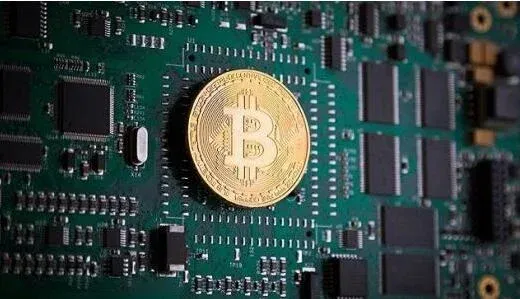
In this article we systematically review the technical principles and reward mechanisms of Bitcoin mining, and assess its legality and potential risks in light of domestic regulatory policies. Through a combination of text and graphics, we help readers clarify common misconceptions and decide whether participation is suitable for them. In addition, we will discuss the impact of mining on energy consumption and the future trends of the industry.
Bitcoin Mining Principles
1. Basic Mining Workflow
- As long as you have a computer that can connect to the Internet, downloading the Bitcoin client will generate a unique digital account. Keeping the client running causes the software to continuously attempt to solve a series of SHA‑256 hash puzzles. Each time a puzzle is solved, there is an opportunity to receive a certain amount of Bitcoin.
- Bitcoin operates on a P2P (peer‑to‑peer) network structure. The continuous operation of the network relies on miners supplying hash power; contributors of that hash power are rewarded with Bitcoin issued by the network.

2. The Essence of Bitcoin Mining
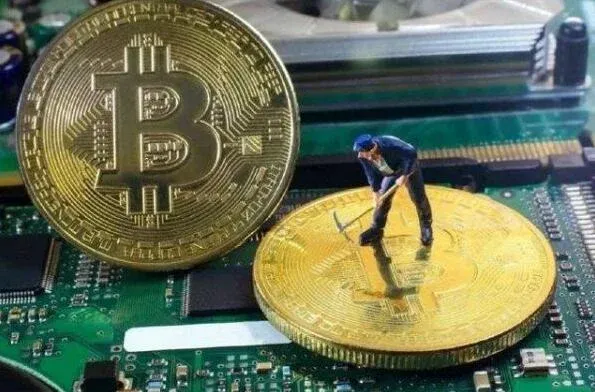
- Mining is the process of consuming computational resources to process transactions, secure the network, and synchronize information across the entire system. It functions as Bitcoin’s decentralized data center, maintained jointly by miners worldwide, with no single entity able to control the network.
- Mining is often described as “digital gold‑panning” because it serves both as the issuance mechanism for new bitcoins and as a reward for providing hash‑power services. Even after all 21 million bitcoins have been minted, mining will remain essential for keeping the network operational.
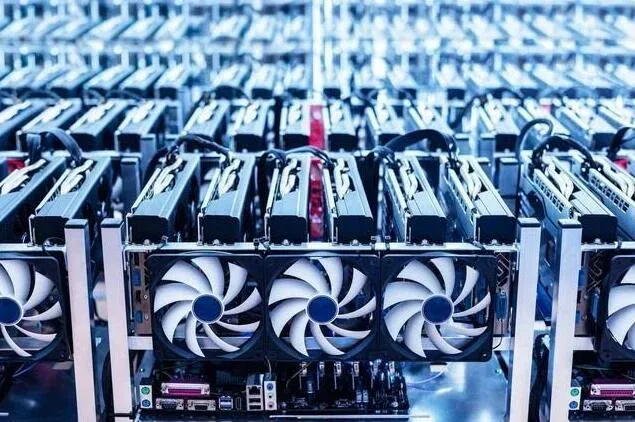
- Bitcoin mining has progressed through three hardware eras: CPU, GPU, and ASIC. ASIC miners such as the Avalon series have long dominated the industry; third‑generation chips are already on the market, and fourth‑generation chips are currently under development.
3. Security Mechanisms in Mining
- Mining employs a lottery‑like competitive mechanism, making the difficulty of continuously adding new transaction blocks to the blockchain extremely high. This prevents any single participant from gaining the ability to freeze transactions or tamper with the blockchain, thereby ensuring the network’s neutrality and security.
4. Key Points for Profit Calculation
1. Price and Performance
- The price of Bitcoin mining rigs ranges from a few hundred Chinese yuan to several hundred thousand yuan (approximately $55 – $28,000). Historically, a high‑end miner could generate roughly 1 BTC in 100 days, whereas a mainstream machine from 2013 could produce about 3.5 BTC over the same period.
- Using data released by a domestic assembly team as an example, a low‑spec miner costing CNY 3,000 (about $420) can break even after roughly 30 days. A device delivering 10 GH/s can generate about 0.03 BTC per day, while a 13 GH/s unit would have produced around 0.035 BTC per day under the network hash rate and difficulty conditions of 2013.
2. Output and Halving
- Bitcoin’s issuance follows a “halving every four years” schedule, ultimately capping the total supply at 21 million coins. Each halving event is typically accompanied by price volatility. By the end of 2013, approximately 11 million bitcoins had already been mined.
3. Hardware Costs
- Mining is a competition of hash power and equipment. Even a modest‑end graphics card such as an HD6770, when assembled into a multi‑card array, can exceed the performance of a single card. Larger GPU arrays—comprising dozens or even hundreds of cards—require substantial capital, making hardware investment one of the primary expenses in mining operations.

Precautions
- DIY Miner: From sourcing components and assembling the rig to installing mining software, it is advisable to handle each step yourself in order to gain a deeper understanding of blockchain technology.
- Dollar‑Cost Averaging Mindset: Mining is fundamentally a long‑term accumulation process; regardless of price fluctuations, a certain amount of Bitcoin is generated each day.
3.
*Note: Gains from cryptocurrency activities may be taxable in your local jurisdiction. Always consult a tax professional to ensure compliance.*
Related Reading
- Buy Crypto in China via Overseas Exchanges like OKX
- Crypto Cloud Mining: Mine Bitcoin Without Hardware
- Cloud Mining Guide: Safe Bitcoin Mining Without Hardware
💡 Register on Binance with referral code B2345 for the maximum trading fee discount. See Binance complete guide.



