
 Bitaigen Research
 In this article we outline the latest developments in DeFi liquidity mining, explain why it is regarded as the key to unlocking “100‑times” potential tokens, and explore how upcoming secondary innovations may reshape the blockchain ecosystem. Our team uses data and case studies to filter projects that possess structural advantages, helping readers capture the next wave of growth momentum. To understand the logic and opportunities behind these trends, please continue reading.
DeFi liquidity mining, which rewards participants for providing asset liquidity, has become a pivotal innovation for spotting potential 100‑times tokens and multiplying value.
The latest Coinbase report shows that the global DeFi protocol total value locked (TVL) has surpassed USD 25 billion, growing at an annual rate of 2 500 %. Active users exceed 1.2 million, with Uniswap and Compound each attracting between 200 k–500 k users, while most other mainstream DeFi applications host between 25 k–50 k users.
These figures indicate that the current DeFi user base remains in the low‑million range, far below the hundreds of millions of overall blockchain participants. To achieve the next breakthrough for the blockchain industry, a second‑generation, epoch‑defining innovation—similar to last year’s DeFi liquidity mining surge—is urgently needed.
Key Drivers of Blockchain 3.0
- Innovation Gap: The wave of new projects that peaked in July‑August 2023 has faded; the market now largely reflects short‑term price swings of Bitcoin (BTC) or major altcoins.
- Secondary Innovation: Only a brand‑new model—such as the liquidity‑mining framework pioneered by Compound—can open an entirely fresh DeFi ecosystem and deliver a genuine industry leap.
- Technology Is Not the Core: Mining protocols are already mature; the crucial factor is identifying the explosive inflection point and constructing a new value network around it.
Market Cycles and Project Performance
- 2022‑06‑16 ~ 2022‑09‑04 – The first major DeFi boom, driven primarily by the innovative liquidity‑mining model.
- 2022‑09‑04 ~ 2022‑11‑17 – A cooling‑off period marked by a sharp market correction, facilitating DeFi consolidation (e.g., the large‑scale merger of AC).
- 2022‑11‑17 ~ 2022‑12‑31 – The second wave of DeFi development; after the UNI mining program ended, substantial capital was released, spawning projects such as Cover, BASIS CASH, ESD, DSD, and FRAX.
- During this phase ESD’s market cap surged to roughly USD 500 million, while DSD grew from zero to about USD 300 million within a single month of December.
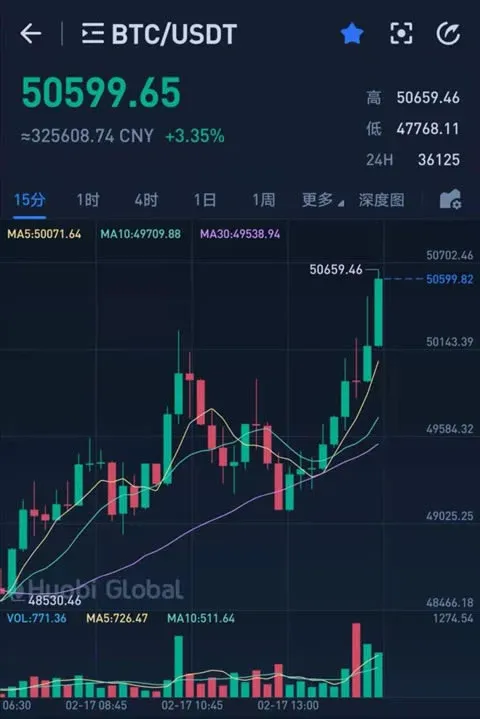
- 2023‑01‑01 ~ present – Following the BASIS CASH copy‑cat explosion, new projects entered a maturation phase. Bitcoin rebounded to USD 50 k, and capital began shifting from Bitcoin into mature DeFi protocols such as UNI, SUSHI, and AAVE.
Representative Project Cases
- Badger: Launched the DIGG token on January 18; its price vaulted from roughly USD 5 to USD 90, delivering a more than ten‑fold increase.
- Binance & Huobi: By exploiting the high gas‑fee pain point on Ethereum, these exchanges replicated Ethereum DeFi projects, accelerating the transition toward a Blockchain 3.0 era. *(U.S. users should access Binance services through Binance.US rather than the global platform.)*
Defining Blockchain 3.0
- Blockchain 1.0 – The conceptual birth stage.
- Blockchain 2.0 – Infrastructure‑building stage, exemplified by projects like Filecoin.
- Blockchain 3.0 – Application‑deployment stage, centered on DeFi and DApps. A key milestone is achieving 10 million+ monthly active addresses. Even if total market cap has not yet reached USD 100 billion, the sector is expected to surpass that threshold in subsequent cycles.
Outlook for Future Trends
- Asset Entropy Reduction: Traditional assets (e.g., equities, real estate) tokenized on public blockchains could experience hundred‑fold market‑cap growth, akin to how WBTC migrates Bitcoin’s value onto Ethereum.
- Ethereum Token Market Caps: With both asset migration and DeFi expansion acting as dual catalysts, the likelihood that some Ethereum‑based tokens will out‑value ETH itself is markedly increasing.
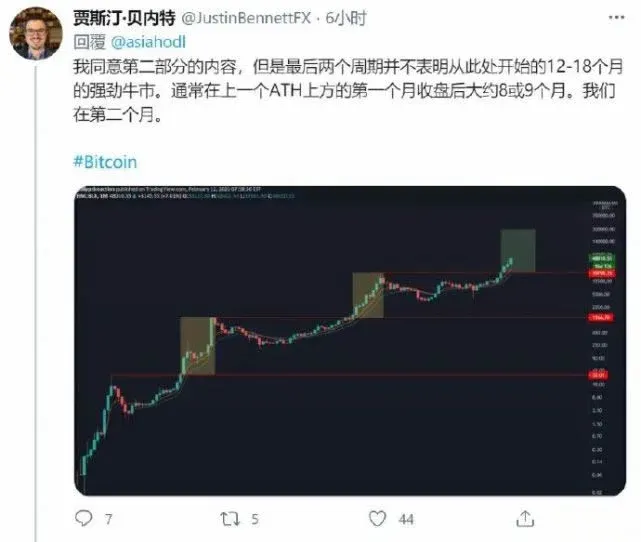
- Bull‑Market Duration: Analysts estimate roughly 8‑9 months remain in the current bull phase, with a peak anticipated in mid‑ to late‑November 2023, after which a new correction cycle is expected.
Awareness and Promotion
- For traditional‑finance professionals who remain skeptical, presenting concrete DApp (decentralized application) use‑cases can help illustrate that blockchain value extends far beyond mere speculation.
- Interaction between innovators and skeptics creates a healthy ecosystem balance; the minority of explorers who push novel ideas continue to be the primary engine of industry progress.
This article is solely the author’s personal study notes and does not constitute investment advice or a recommendation to buy or sell any assets.
If you wish to dive deeper into DeFi liquidity mining analysis, please follow additional articles from Bitaigen (比特根).
*Note: Cryptocurrency gains may be subject to taxation in your jurisdiction; always consult a qualified tax professional regarding local tax obligations.*
Related Reading
- Liquidity Mining Risks: Impermanent Loss Explained
- Chia Mining Economic Model: Issuance, Inflation & Rewards
- DeFi Staking Mining: Risks, Rewards, and How It Works
💡 Register on Binance with referral code B2345 for the maximum trading fee discount. See Binance complete guide.



