
 Bitaigen Research
 In this article we outline the most promising profit pathways within the 2026 Web3 ecosystem, covering NFT creation, Play‑to‑Earn, DeFi staking and other diverse methods. Practical tips are provided to help readers from various backgrounds quickly locate the earning entry point that fits them best. For detailed operational steps and risk considerations, keep reading.
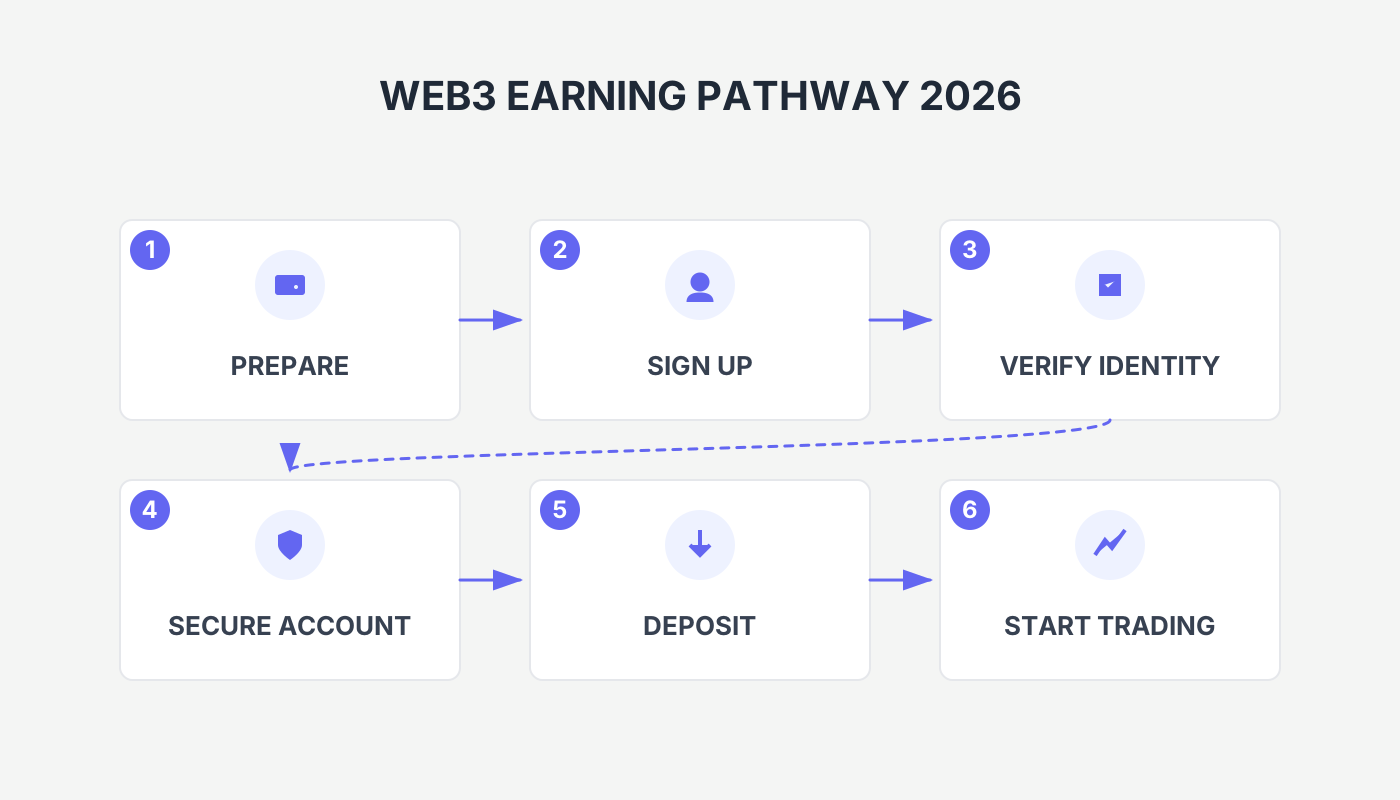
How to Make Money in Web3? Fast and Efficient Ways to Earn in the Crypto Space in 2026
Earning opportunities in Web3 include NFT creation and trading, Play‑to‑Earn games, DeFi staking and liquidity mining, blockchain development, crypto trading, content creation, metaverse asset investment, airdrops, DAO participation, and node validation, among others.
The Web3 revolution is reshaping the digital economy, offering individuals faster and more efficient channels for innovative profit generation than ever before. With the rise of NFTs, DeFi, Play‑to‑Earn games, and decentralized platforms, the ways to apply skills, invest capital, and engage with blockchain ecosystems are expanding rapidly.
Whether you are a developer, trader, artist, or investor, Web3 can provide a diversified set of income streams that match different skill levels and risk tolerances. This article systematically reviews the quickest and most effective ways to earn in Web3 in 2026, and supplies practical operating pointers.
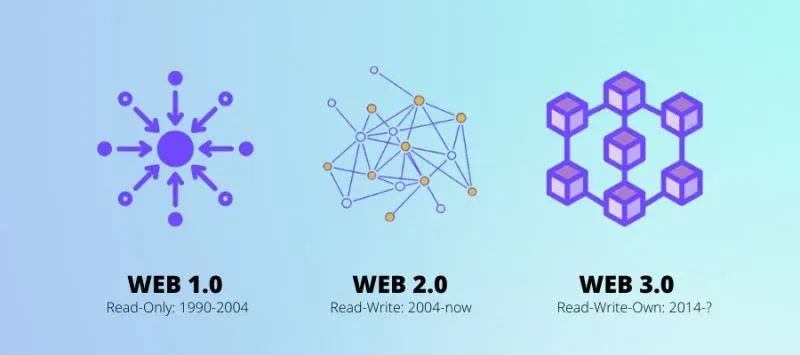
The Best Ways to Earn on Web3 in 2026
1. NFT Creation and Trading
NFTs remain one of the most lucrative segments of Web3. Creators can mint and sell artwork, music, video, or in‑game items on mainstream platforms such as OpenSea, Rarible, and Blur.
Key strategies
- Develop high‑demand NFTs and launch them on major marketplaces.
- Set royalty percentages so you earn passive income every time the NFT is resold on secondary markets.
- Acquire undervalued NFTs at low prices and later flip them for a profit.
2. Play‑to‑Earn (P2E) Games
Blockchain games reward players with native tokens, NFTs, or other tradable in‑game assets while they play. Prominent projects include Axie Infinity, The Sandbox, and Illuvium.
Ways to earn
- Join official tournaments and win cryptocurrency prizes.
- Purchase, breed, and sell in‑game NFTs.
- Lease rare assets to other players in exchange for rental income.
3. DeFi Participation (Staking, Liquidity Mining, Providing Liquidity)
DeFi platforms such as Uniswap, Aave, and Curve Finance offer multiple passive‑income channels.
Primary yield models
- Supply capital to liquidity pools and collect a share of transaction fees.
- Stake tokens to receive blockchain‑generated rewards.
- Take part in liquidity‑mining programs that boost returns with higher annualized percentages.
4. Web3 Development (Building dApps and Smart Contracts)
As Web3 adoption climbs, the demand for skilled developers continues to rise.
Revenue sources
- Build dApps and monetize them through subscription fees or transaction commissions.
- Offer smart‑contract development services to blockchain projects.
- Create and sell core codebases for NFT marketplaces or DeFi protocols.
5. Crypto Trading and Arbitrage
Trading spot or derivatives on exchanges such as Bitrue, Coinbase, Bybit, and others can generate returns from price fluctuations.
Common tactics
- Day trading: Capture intraday price swings.
- Swing trading: Hold positions for several days to weeks to capture medium‑term moves.
- Arbitrage: Exploit price differences across exchanges for low‑risk profit.
Note: Cryptocurrency gains may be taxable in your jurisdiction. Be sure to consult local tax regulations and report any realized profits accordingly.
6. Content Creation on Web3 Platforms
Decentralized streaming and publishing platforms (e.g., Sound.xyz, Audius, Mirror.xyz) let creators monetize their work directly.
Monetization pathways
- Mint exclusive content as NFTs and sell them.
- Receive crypto tips or rewards from fans.
- Publish articles on decentralized blogging sites and charge for access.
7. Metaverse Asset Investment (Virtual Land and Digital Goods)
Metaverse worlds like Decentraland, The Sandbox, and Otherside enable users to buy, sell, and lease virtual land and digital fashion items.
Profit avenues
- Purchase virtual land at low cost and later flip it for a higher price.
- Lease assets for events or commercial purposes.
- Design and sell wearable items for avatars.
8. Crypto Airdrops (Free Token Rewards)
Projects frequently distribute tokens via airdrops to incentivize early adopters. Participation usually requires holding a specific token, staking, or completing community tasks.
Basic steps to claim airdrops
- Follow the project’s official announcement channels.
- Link an eligible wallet to the airdrop portal.
- Complete staking, voting, or other required actions.
- Claim the tokens once the project launches.
9. Web3 Consulting and Agency Services
Companies entering the Web3 space often need professional guidance. Providing blockchain strategy, NFT marketing, DAO structuring, and related services can command substantial fees.
Service offerings
- Design implementation roadmaps for blockchain integration.
- Create and market NFT collections for brands.
- Run Web3 training programs to accelerate team onboarding.
10. Node Operation and Validator Staking
Running a validator node on Proof‑of‑Stake networks such as Ethereum, Solana, or Avalanche yields staking rewards for confirming transactions.
Operating essentials
- Deploy a validator that meets the network’s technical specifications.
- Keep the node online continuously and maintain robust security.
- Participate in governance to earn additional incentives.
11. Participation in DAO (Decentralized Autonomous Organizations)
DAOs reward contributors with governance tokens or stablecoins. Earnings can be earned by voting, submitting proposals, or completing bounty tasks.
Typical involvement methods
- Provide capital or technical support to DAO projects.
- Vote on proposals and receive community rewards.
- Join investment‑oriented DAOs that collectively fund Web3 ventures.
How to Earn Money with Web3 Cryptocurrencies in 2026
Web3 Crypto Investing
Investors can purchase Bitcoin, Ethereum, or emerging tokens on major exchanges and apply a dollar‑cost averaging strategy to smooth volatility. The 2026 market features both mature assets and new opportunities such as governance tokens and utility tokens. Prior to investing, conduct thorough project research, assess liquidity, and protect assets with hardware wallets and two‑factor authentication.
Decentralized Artificial Intelligence
Decentralized AI projects reward participants with tokens for providing compute power or data. The market was valued at $230.1 million in 2021 and is projected to grow at a 24.06 % compound annual growth rate (CAGR) from 2026‑2030. Ways to take part include staking tokens, supplying datasets, or operating AI nodes.
Tokenized Real‑World Assets (RWA)
Platforms are tokenizing real estate, artwork, and other tangible assets, enabling 24/7 trading. On Solana, the total locked value of RWAs grew from $2 billion in 2024 to nearly $8 billion. Yield‑bearing RWAs (debt instruments) now represent over 90 % of the market, offering relatively stable passive income, though investors must monitor regulatory compliance and asset traceability.
DeFi and Staking
Staking
Staking locks tokens in a network to support consensus and earns block rewards. Annual percentage yields (APY) differ markedly across chains; the table below summarizes average figures for major networks:
| Cryptocurrency | Avg. Yield (%) | Staking Participation (%) | Notes |
|---|---|---|---|
| Cosmos (ATOM) | 18.5 | 59 | High returns, strong participation |
| Polkadot (DOT) | 11.5‑14.8 | 56 | Stable rewards |
| Cardano (ADA) | 2‑3.6 | — | Conservative, steady income |
| Avalanche (AVAX) | 7‑8.5 | 8 | Moderate yields |
| Ethereum (ETH) | 3.6‑4.5 | 20+ | Popular but relatively lower yield |
Yield is influenced by network inflation and overall staking rate; actual net returns should be calculated after accounting for inflation.
Yield Farming
Providing liquidity to DeFi protocols can generate transaction fees, lending interest, and native token incentives. Annualized returns may range from single digits to triple digits, but participants must watch for impermanent loss and contract‑security risks.
Lending
DeFi lending platforms let users lend assets and earn interest. As of December 2024, roughly $75 billion was locked in lending protocols. Selecting reputable platforms and enabling multi‑factor authentication reduces liquidation and smart‑contract exposure.
NFTs and Gaming
NFT Sales
In 2025, OpenSea accounted for about 90 % of total NFT trading volume, reaching $14.68 billion for the year. Gaming and utility NFTs continue to show resilience; creators are advised to focus on these niche segments.
| Metric | 2024 | 2025 (Forecast) |
|---|---|---|
| Market Size (USD) | $683.9 million | $608.6 million (‑11.01 %) |
| NFT Users (millions) | 14.67 | 15.5 (growth) |
| Revenue per User (USD) | 162.1 | 185.6 (growth) |
| OpenSea Volume (USD) | — | $14.68 billion |
Play‑to‑Earn Games
P2E enables players to earn crypto by completing quests, breeding NFTs, or trading in‑game assets. Although some projects exhibit uneven reward distribution, the model still blends entertainment with potential earnings.
Getting started
- Set up a crypto‑compatible wallet.
- Acquire or purchase a starter NFT required for entry.
- Join the official community channels to stay informed about events and updates.
Metaverse
Metaverse platforms attract users through virtual social spaces, asset trading, and immersive experiences. Projects like Zepeto have surpassed 400 million registered users. Success hinges on user‑friendliness, network effects, and cross‑platform interoperability.
DAO and Web3 Employment
DAO Rewards
Members earn token rewards by voting, submitting proposals, or completing bounty tasks. Well‑known DAOs such as MakerDAO, BanklessDAO, and PleasrDAO each provide distinct reward structures.
Web3 Job Market
From 2023 to 2025, Web3‑related job openings grew 300 %, with engineering roles comprising 53 % of demand. Marketing, business development, and design positions also experienced rapid expansion.
| Role Category | Vacancy Share | Growth (2023‑2025) |
|---|---|---|
| Engineering | 53 % | 250 % |
| Marketing | 17.7 % | 110 % |
| Business Development / Sales | 8.4 % | — |
| Operations | 6.4 % | 75 % |
| Design | — | 118 % |
Developers should be proficient in Solidity, Rust, JavaScript, and familiar with tools such as Remix, MetaMask, and Truffle.
Airdrops
Airdrops distribute free tokens to incentivize early participants. Key steps to capture airdrops:
- Follow official project channels.
- Use a secure wallet to stake or vote as required.
- Follow the project’s instructions to claim the tokens.
Crypto ETFs
Exchange‑traded funds give traditional investors regulated exposure to digital assets. Between 2021 and 2022, more than 200 crypto‑focused funds delivered a cumulative return close to 600 %, markedly outperforming many conventional equity funds.
Early Adoption
Participating in testnets, providing liquidity, or joining community initiatives can earn airdrops, governance tokens, or exclusive NFTs. Risks include project failure or token devaluation; conduct thorough due diligence before allocating capital.
Risks and Security
Asset Protection
Crypto assets face high volatility, systemic risk, and hacking threats. Common risk‑mitigation tools include:
- Stop‑loss orders and synthetic put options.
- Portfolio insurance strategies (e.g., constant‑proportion portfolio insurance).
- Multi‑factor authentication and cold‑storage hardware wallets.
Diversification
Spreading capital across multiple assets can markedly reduce the volatility of any single holding. Correlation coefficients among major cryptocurrencies typically range from 0.4‑0.7, so moderate diversification helps smooth the overall return curve.
Frequently Asked Questions
What is Web3 and why does it matter?
Web3 is the next‑generation, blockchain‑based internet that gives users ownership of digital assets, trust‑less interactions, and decentralized incentives.
What is the simplest way to make money in Web3?
Participating in airdrops, Play‑to‑Earn games, and staking cryptocurrencies are relatively low‑entry‑barrier options.
How much can I earn from Web3?
Earnings depend on personal skill, capital deployed, and market conditions; some participants generate a few hundred to several thousand USD per month.
Is investing in Web3 risky?
All crypto projects carry price volatility, smart‑contract bugs, and regulatory uncertainty. Always perform thorough research (DYOR) before committing funds.
Where can I find the latest Web3 opportunity news?
Follow communities on Twitter, Discord, and Telegram, and use platforms like CoinGecko, CoinMarketCap, and Gitcoin for real‑time updates.
What is the safest way to store crypto assets in 2026?
Hardware wallets provide offline private‑key storage and are currently the most secure option; be sure to back up your recovery phrase safely.
How do I identify a legitimate Web3 project?
Legitimate projects typically have transparent team information, active communities, comprehensive whitepapers, and publicly available code audits.
Do I need programming skills to earn in Web3?
Most earning methods (airdrops, staking, content creation) do not require coding, but technical expertise opens higher‑earning avenues in development and consulting.
What are the main risks associated with DeFi protocols?
Smart‑contract vulnerabilities, liquidity shortages, and hacking attacks are common. Users should select audited protocols with ample liquidity.
Exchanges Supporting Web3 Profit‑Making (as of 2024‑04‑22)
Global Crypto Spot Exchange Rankings
CoinMarketCap rates exchanges based on traffic, liquidity, trading volume, and the reliability of reported volume. Below are the top 20 exchanges, each offering a baseline of security and service. Beginners are advised to start with platforms that provide multilingual support—including Chinese—to reduce operational risk caused by language barriers.
| # | Exchange | 24h Volume (USD) | Avg. Liquidity | Weekly Visits | # of Markets | Fiat On‑Ramp |
|---|---|---|---|---|---|---|
| 1 | [Binance](https://www.bitaigen.com/binance) (U.S. users should use Binance.US) | $9,940,128,… | … | … | … | USD, SEPA, SWIFT |
| 2 | Coinbase | … | … | … | … | USD, SEPA, SWIFT |
| 3 | Kraken | … | … | … | … | USD, SEPA, SWIFT |
| 4 | KuCoin | … | … | … | … | USD, SEPA, SWIFT |
| 5 | Bybit | … | … | … | … | USD, SEPA, SWIFT |
| 6 | Bitstamp | … | … | … | … | USD, SEPA, SWIFT |
| 7 | OKX | … | … | … | … | USD, SEPA, SWIFT |
| 8 | Gate.io | … | … | … | … | USD, SEPA, SWIFT |
| 9 | Huobi Global | … | … | … | … | USD, SEPA, SWIFT |
| 10 | Bithumb Global | … | … | … | … | USD, SEPA, SWIFT |
| … | … | … | … | … | … | … |
*The table continues to list the remaining top‑20 exchanges with similar columns.
Related Reading
- QED Protocol & Nexus Deploy zkVM on Dogecoin for DeFi & NFT
- InfoFi Explained: On-Chain & Off-Chain Data Fusion in Web3
- Step-by-Step Guide to Join CZ-Backed SOON BigBang NFT Airdrop
💡 Register on Binance with referral code B2345 for the maximum trading fee discount. See Binance complete guide.



