
 Bitaigen Research
 In the vast landscape of digital assets, selecting the right coin for speculation is the core concern of every investor.
When choosing a coin, you should examine the coin’s basic information, whitepaper, whether it is listed on major exchanges, community activity, open‑source code, and the latest news, and combine these with the project team’s background and market liquidity for a comprehensive assessment.
In this article we break down the key points for coin selection, from basic information and whitepapers to exchange listings, covering the entire chain of evaluation. Real‑world case studies are paired with warnings about typical scams. Mastering these concepts can help you make more rational decisions in the chaotic crypto market. The details will be unfolded step by step in the sections that follow, so a careful read is worthwhile.
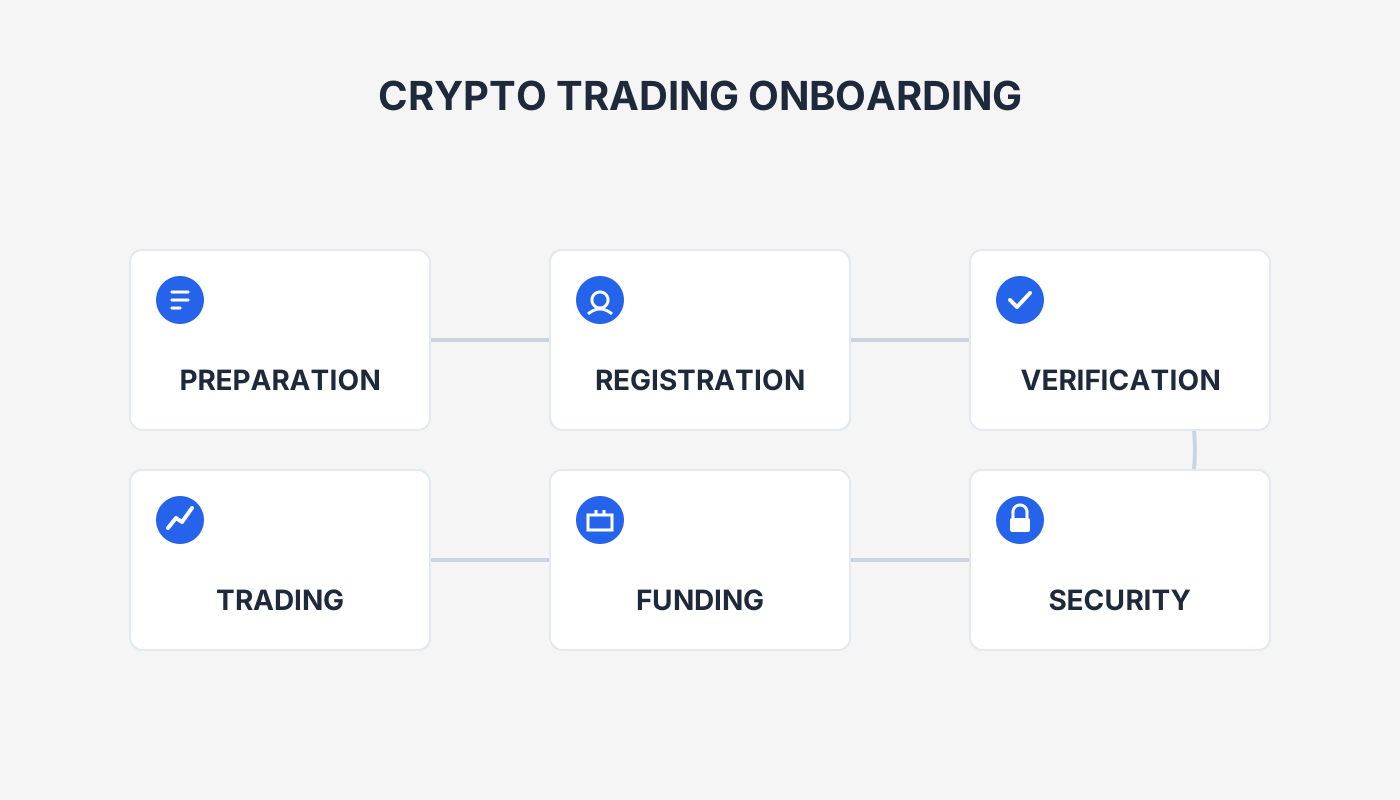
How to Choose a Coin for Trading?
1. Basic Coin Information
- Total supply, circulating market‑cap ranking
- Historical all‑time high, all‑time low, price change percentages
- Average daily trading volume
These metrics help you gauge the market size and liquidity of a coin.
2. Review the Whitepaper
The whitepaper is the primary source for understanding a project. Pay special attention to the following sections:
- Token issuance mechanism, total token amount, lock‑up periods, any inflation or minting plans
- Rights distribution, core functionalities, and real‑world use cases
- Background of the founding team, advisors, and investors
- Long‑term development roadmap
A reasonable holding ratio usually implies that the project’s internal holdings are below 25 % of the total supply.
3. Is the Coin Listed on Major Exchanges and Supported by Mainstream Wallets?
Coins listed on large, reputable exchanges have typically passed a basic level of due diligence, making their risk profile relatively more manageable. If a coin only trades on a self‑built platform, exercise extra caution, as such “aircoins” or “trash coins” often lack regulation and liquidity.
Note for U.S. users: When accessing major exchanges, you must use Binance.US or other U.S.-compliant platforms rather than the global Binance site.
4. Community Development and Activity
- Official social channels: Twitter, Telegram, Discord, WeChat Official Account, Weibo, QQ groups, etc.
- Number of followers and frequency of daily interactions
- Presence of dedicated moderators who promptly answer questions and publish official announcements
An active and transparent community generally indicates that the project team is continuously operating.
5. Open‑Source Code and Update Frequency
- Verify whether the project’s source code is publicly available on platforms such as GitHub
- Check the frequency of code commits and the date of the most recent update
- Look for community audit reports
Code that has not been updated for a long period may suggest development stagnation.
6. Related News and Public Sentiment
- Official announcements, partnership press releases
- Positive or negative coverage from industry media outlets
- Changes in regulatory policies
Staying on top of these sources allows you to anticipate factors that could move the price.
---
Common Crypto‑Trading Scams Summary
1. Proxy Investment Run‑aways
Proxy investors often ask you to transfer funds directly to their wallet. Once they disappear, the investor has little chance of recovery. Before entrusting a proxy, verify their reputation and network within the crypto community, and avoid delegating large amounts.
2. Professional “Rake‑the‑Weeds” Schemes
Some teams or individuals exploit low‑liquidity meme tokens, creating hype in community chats to lure retail traders into buying, then dump the tokens quickly, causing the price to crash. Key indicators include:
- An unusually high concentration of holdings in a few wallets
- A flood of edited images (Photoshopped) or exaggerated promotional messages
3. Over‑The‑Counter (OTC) Fraud
In unregulated OTC trades, scammers may offer a low price, have the victim pay first, promise to send the coins later, and then block the victim. To mitigate risk:
- Use a trusted third‑party escrow or a known personal guarantor
- Prefer platforms that provide custodial escrow services for the transaction
4. Proxy Distribution of Fake Tokens
Some proxies distribute “test tokens” before a project’s mainnet launch. When the real token is finally minted, victims discover they only hold worthless test coins. Always confirm the contract address against the official announcement before accepting any token.
5. Fake Crowdfunding Websites
Phishing sites that mimic official project pages use similar domain names and UI designs to trick users into sending funds to fraudulent addresses. Prevention steps:
- Verify the crowdfunding address through the official community or trusted channels
- Check the SSL certificate and domain name with a reputable verification tool
6. Ponzi‑Style Funds and Multi‑Level Marketing
These projects lure participants with promises of high returns; the links may contain malware or trojans that can steal private keys. Recommended safeguards:
- Do not click on investment links from unknown sources
- Store private keys offline using a hardware wallet
7. Paid Analysis Groups
Self‑styled “experts” in paid groups often showcase impressive returns after a price surge, then recommend a losing coin and shut down the group. Rational evaluation of any advice should involve:
- Verifying the recommender’s historical performance with transparent records
- Making independent decisions based on your own risk tolerance
---
Friendly Reminder: Trading cryptocurrencies is a high‑risk activity. Before allocating capital, prepare for the worst‑case scenario and ensure that any loss will not affect your daily living expenses or family budget.
Tax Note: Gains from cryptocurrency transactions may be taxable in your jurisdiction. Consult a local tax professional to understand your reporting obligations.
The above provides a complete analysis of coin‑selection techniques and common scams. For more practical insights, follow the upcoming articles from Bitaigen.
Related Reading
- Top Layer 2 Tokens: Polygon, Elrond, NEAR & Other Leading L2 Cryptos
- STN (Steneum Coin) Basics, Tech Attributes & Listings
- Top 10 Crypto Exchange Apps 2026: Rankings & Security
💡 Register on Binance with referral code B2345 for the maximum trading fee discount. See Binance complete guide.



