
 Bitaigen Research
 From an industry perspective, we have mapped out the key deployments in the RWA (Real‑World Asset) track, focusing on the innovative mechanisms and tokenization pathways of leading projects such as Ondo and Mantra. This helps readers quickly grasp the core value and potential opportunities of bringing real assets on‑chain. Subsequent sections will dive deeper into the details, so a careful read is worthwhile.
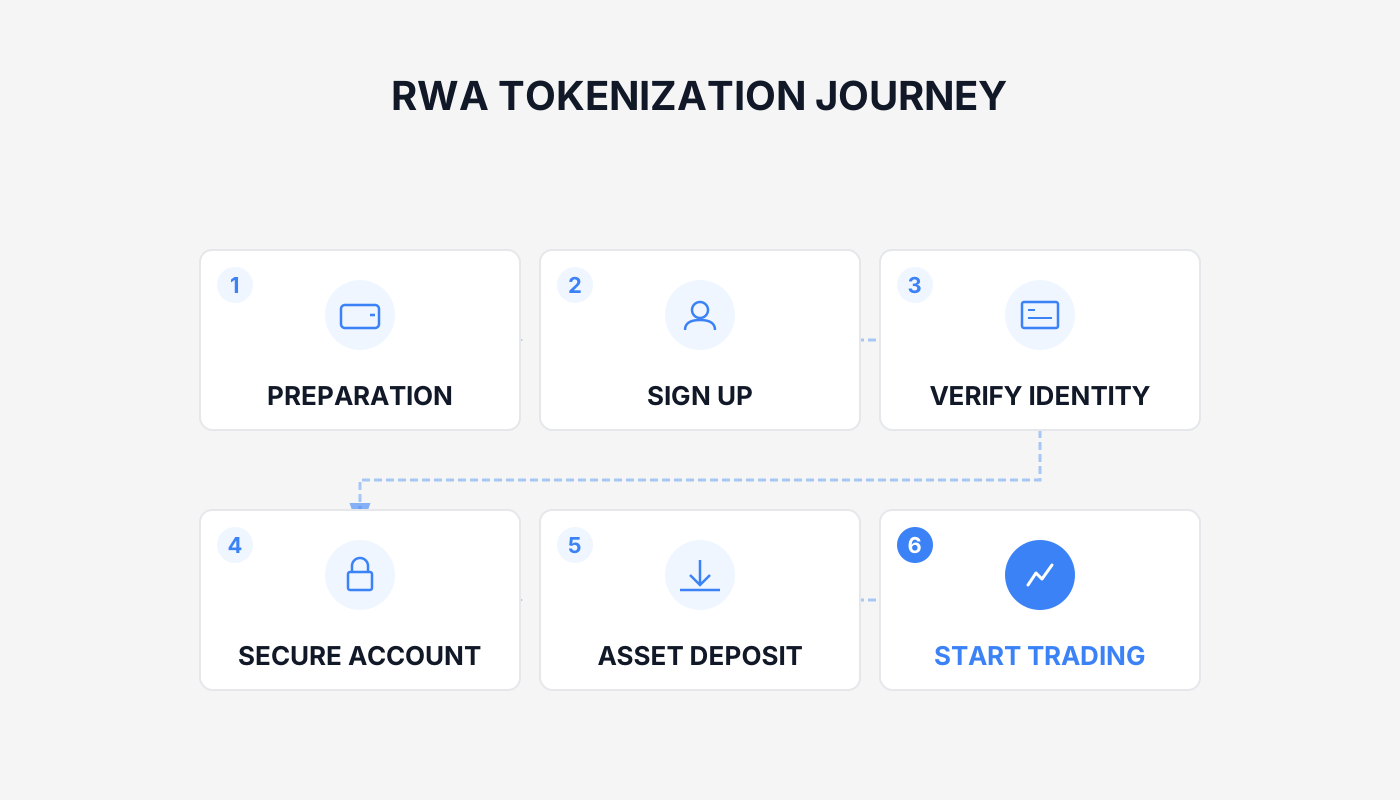
Core Projects and Token Overview in the RWA Track
1. ONDO (Ondo Finance)

Ondo Finance holds a leading position in the RWA space, concentrating on tokenizing U.S. Treasury bonds and their yields. Its flagship product, USDY (a stablecoin backed by Treasury yields), lets users swap USDC or USDT for a token that tracks the performance of short‑term U.S. Treasuries, delivering a stable return. This solution removes the need for traditional financial intermediaries, allowing investors to capture low‑risk, high‑liquidity Treasury returns directly.
2. OM (Mantra)

Mantra aims to provide compliant RWA lending and management solutions for the Asian market. The platform’s tokenized financial products enable institutional investors to participate in the RWA market legally and efficiently while respecting local regulatory requirements. Through Mantra, users can borrow RWA tokens, execute cross‑border payments, and even access a regulated DeFi ecosystem.
3. MKR (MakerDAO / SKY)

The original MakerDAO rebranded to SKY on 27 August 2024, continuing to issue DAI and the newly launched USDS (Sky Dollar). Both stablecoins use real‑world assets (RWA) and ETH as collateral, with roughly $1 billion allocated to U.S. Treasury bonds to bolster credit quality. SKY also maintains PureDAI, designed for users who prioritize full decentralization.
4. PENDLE

Pendle offers a unique platform for yield splitting and trading. Users can buy and sell future yields on the platform, increasing the flexibility of RWA tokens. Whether the underlying asset is a U.S. Treasury bond or DeFi yield, it can be monetized in advance, helping investors mitigate risk in volatile markets.
5. BUIDL (BlackRock RWA Fund)
BUIDL (full name BlackRock USD Institutional Digital Liquidity Fund) is a tokenization fund launched by the global asset‑management giant BlackRock and has become the largest RWA‑focused fund by market size. The fund concentrates on short‑term U.S. Treasuries, cash, and other low‑risk assets, offering institutions a transparent, safe, and stable return profile. To date, BUIDL’s total assets under management (AUM) have reached $668 million, underscoring the growing endorsement and push from traditional finance for RWA tokenization.
Pathways for Real‑World Asset Tokenization
1. Asset Screening and Valuation
- Real Estate: Requires complete title documents and a professional appraisal.
- Gold: Must be authenticated by a third‑party verification agency.
- Bonds: Certification must be issued by a bank or securities firm.
- Artworks: Need authentication from a recognized appraisal authority.
2. Token Issuance
Tokens representing ownership or revenue rights are minted via smart contracts. For example, a property valued at NT$10 million could be split into 10 million tokens, each representing NT$1 of equity; Treasury yields can be transformed into tokens such as Ondo Finance’s USDY and other tokenized bonds.
3. Compliance and Regulation
RWA activities intersect with traditional financial regulation and typically require completion of KYC/AML (identity verification and anti‑money‑laundering) procedures, as well as approval from regulatory bodies such as the U.S. SEC or Taiwan’s Financial Supervisory Commission.
4. Market Liquidity and Trading Platforms
- Securitize: Provides issuance, compliance management, and circulation support for RWA tokens.
- Ondo Finance: Specializes in tokenizing traditional assets like U.S. Treasuries.
- Polymesh: A purpose‑built blockchain for compliant assets, ensuring secure and transparent trading.
5. Yield Distribution and Redemption
Holders of RWA tokens receive the corresponding rent, interest, or precious‑metal appreciation, enabling flexible monetization of assets that are traditionally illiquid.
Primary Advantages of RWA
| Advantage | Description |
|---|---|
| **Lowered Investment Threshold** | Small capital can access high‑value assets such as real estate or Treasuries that normally require large upfront sums. |
| **Enhanced Liquidity** | Tokenization allows traditionally hard‑to‑transfer assets like property or art to be bought and sold quickly on secondary markets. |
| **Transparent Trading** | All transfer records are written to the blockchain, reducing information asymmetry. |
| **Cost Reduction** | Smart contracts execute automatically, eliminating fees associated with banks, lawyers, and other intermediaries. |
| **24/7 Market Access** | Tokens can be traded on‑chain at any time, independent of traditional exchange hours. |
| **DeFi Integration** | Tokens can be used for lending, staking, liquidity mining, and other financial primitives, expanding potential returns. |
Typical Use Cases for RWA
Stablecoins
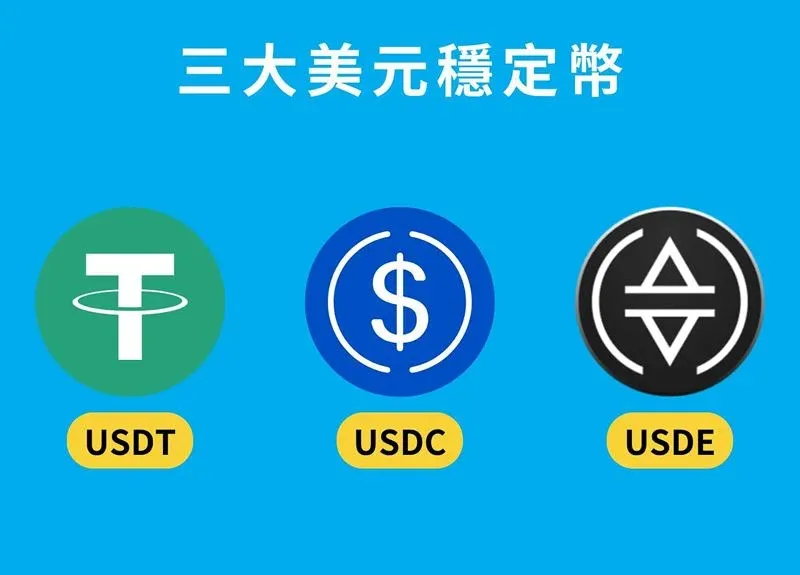
Tokens such as USDT and USDC are essentially fiat‑ or U.S. Treasury‑backed RWA tokens, providing efficient, low‑cost cross‑border payment solutions. Visa and Mastercard have already begun accepting USDC for settlement.
Real Estate
Platforms like RealT and Propy enable investors to purchase tokens representing fractional ownership of properties, earning rental income and appreciation while bypassing geographic and capital barriers.
Precious Metals
Tokens such as Paxos Gold (PAXG) and Tether Gold (XAUT) are backed by physical gold; holders can redeem the tokens for the metal at any time, reducing friction in gold trading and opening doors to DeFi participation.
Art
Masterworks tokenizes shares of masterpieces by artists like Picasso and Van Gogh, increasing liquidity and enabling broader public investment in high‑value artworks.
Bonds
Ondo Finance’s tokenized U.S. Treasury offerings let both institutions and individual investors allocate fixed‑income assets more flexibly and capture stable interest payments.
Market Size and Future Outlook
Boston Consulting Group (BCG) reported on 29 October 2024 that tokenized funds represent the third wave of revolution in asset management. By the end of 2024, tokenized fund AUM exceeded $2 billion, and the firm projects that by 2030 the figure will surpass $600 billion, roughly 1 % of the global mutual‑fund and ETF market. The same report estimates a latent demand of $290 billion, and as asset‑management firms and wealth‑management institutions progressively adopt regulated stablecoins, tokenized deposits, and central‑bank digital currencies (CBDCs), the market could expand to tens of trillions of dollars.
Concurrently, Taiwan’s Financial Supervisory Commission has established an “RWA Tokenization Working Group” to study a regulatory framework, indicating that compliant RWA implementation is gaining momentum. As regulatory clarity improves, on‑chain fiat solutions (e.g., SEPA and SWIFT corridors) mature, and smart‑contract technology advances, RWA is poised to become a core component of the global financial infrastructure.
Conclusion
RWA (Real‑World Asset) is injecting liquidity into traditional assets through digitalization and decentralization, lowering entry barriers and enhancing transaction transparency. With institutional capital inflows, tightening regulatory standards, and the continual maturation of blockchain tech, the RWA sector exhibits robust growth potential. Whether it’s stablecoins, real estate, gold, or Treasury bonds, RWA offers investors more flexible and secure options, gradually building a bridge between cryptocurrency and conventional finance.
*Note: Cryptocurrency gains may be taxable under the laws of your local jurisdiction. Always consult a qualified tax professional.*
For a deeper dive into Real‑World Assets (RWA), stay tuned to Bitaigen’s upcoming specialty articles.
Related Reading
- Deutsche Börse on Tokenization: Boost Efficiency & Compliance
- 3 Best RWA Crypto Tokens to Watch in March 2026
💡 Register on Binance with referral code B2345 for the maximum trading fee discount. See Binance complete guide.



