
 Bitaigen Research
 In this article we outline the core sources of value for RWA tokens, explain how the underlying real‑world assets achieve transparent on‑chain circulation, and examine the impact of tokenization on liquidity and entry barriers. Through case studies we help readers assess the potential outlook of such assets, making it worth a careful read.
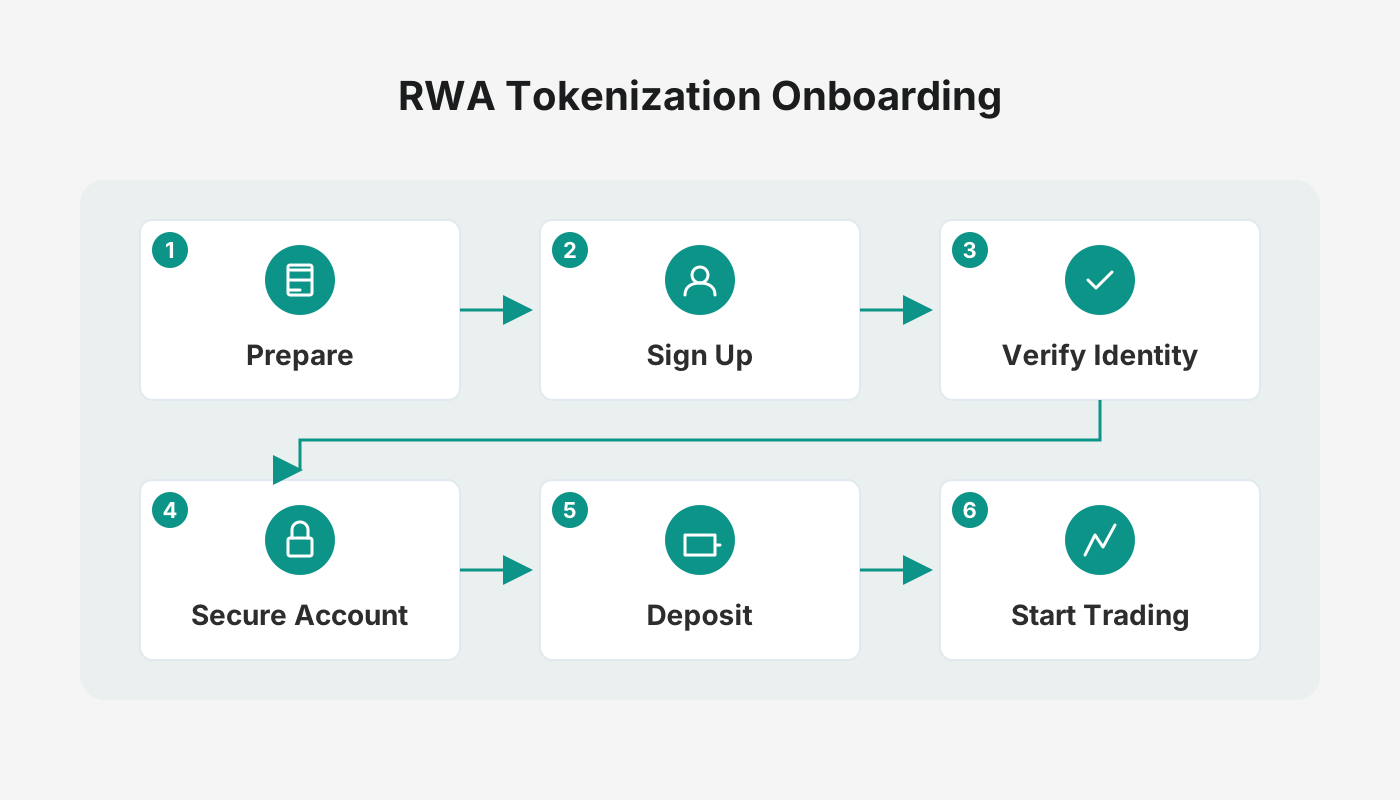
In today’s blockchain ecosystem, Real‑World Assets (RWA) are gradually entering the digital finance system through tokenization. RWA tokens derive their essence from the physical assets they represent—real estate, bonds, equities, commodities, and even artworks. Ownership and valuation of these assets can be clearly recorded and transferred on‑chain. Because blockchain offers transparency and immutability, holders can verify the real‑asset information linked to a token at any time, thereby increasing trust and reducing transaction costs caused by information asymmetry.
Sources of Value for RWA Tokens
- Value of the Underlying Asset
The physical asset that each token represents determines its fundamental worth. For example, a token backed by a commercial building derives its value from the building’s market appraisal, rental yields, and related factors; a token representing a corporate bond fluctuates with the bond’s coupon rate and credit rating.
- Enhanced Liquidity
Traditional assets such as real estate or fine art often have long transaction cycles and poor liquidity. Tokenization enables rapid buying and selling on a blockchain, lowering entry barriers and opening projects that were previously accessible only to large institutions to everyday investors.
- Divisible Ownership
Tokenization allows high‑value assets to be split into many small fractions. Investors no longer need to commit a large sum of capital upfront; purchasing the relevant tokens grants them an indirect stake in an entire building or a batch of commodities, broadening participation opportunities.
- Cross‑Border Trading
The borderless nature of blockchain removes geographic constraints. Holders can transfer or hold assets via on‑chain platforms from any location, dramatically expanding the potential market size.
- Smart‑Contract‑Driven Low‑Cost Settlement
Unlike traditional transactions that rely on banks, lawyers, auditors, and other intermediaries, the buying and selling of RWA tokens can be automatically executed by pre‑programmed smart contracts, significantly reducing fees and improving settlement efficiency.
Outlook for RWA Tokens
From a technical perspective, the distributed ledger provided by blockchain ensures that asset records are immutable, laying the groundwork for the credit backing of RWA tokens. As tokenization toolchains mature, an increasing number of traditional financial institutions are exploring the possibility of bringing real‑world assets on‑chain, fostering a convergence between DeFi and TradFi ecosystems.
- Continual Expansion of Asset Types
Beyond real estate and bonds, future tokenized assets may include commodities, supply‑chain finance, and even intellectual property, further diversifying the pool of investable targets.
- Lowered Barriers, Higher Participation
Tokenization reduces the minimum investment amount, enabling retail investors to engage in asset classes that historically required high capital, thereby creating a more dispersed investor base.
- Potential Market Size Growth
As regulatory frameworks become clearer, compliant RWA projects are likely to gain broader acceptance, attracting institutional capital and driving substantial expansion of the overall market.
Nevertheless, rapid industry growth brings challenges. Legal compliance reviews, verification of asset authenticity, and divergent cross‑border regulations can all act as limiting factors for the widespread adoption of RWA tokens. Moreover, the on‑chain value of these assets remains subject to external market fluctuations; investors should remain prudent, balancing enthusiasm for innovation with robust risk‑management practices.
In summary, RWA tokens enhance asset liquidity, enable fractional ownership, provide transparent on‑chain information, and break down geographic constraints, offering a new pathway for the digital transformation of traditional assets. While uncertainties around compliance and market volatility persist, the potential for improving asset efficiency and widening investment channels is already evident. For interested participants, continuously monitoring industry developments, assessing the compliance posture of projects, and scrutinizing the underlying asset backing are key to maintaining a rational presence in this emerging field.
Related Reading
- What Is a Stablecoin? Principles, Benefits & Real-World Use Cases
- USOR Tokenization: Linking U.S. Oil Reserves to Blockchain
- Tokenizing Stocks & RWAs: Boost Liquidity with Block Street
💡 Register on Binance with referral code B2345 for the maximum trading fee discount. See Binance complete guide.



