
 Bitaigen Research
 We systematically outline the core principles, incentive mechanisms, and security‑audit status of SushiSwap in this article, and provide a complete step‑by‑step workflow—from wallet preparation to liquidity provision—so readers can quickly get started with DeFi mining. We also examine the platform’s fee‑distribution model and the latest developments in community governance, giving you a more comprehensive view of both risks and potential returns.
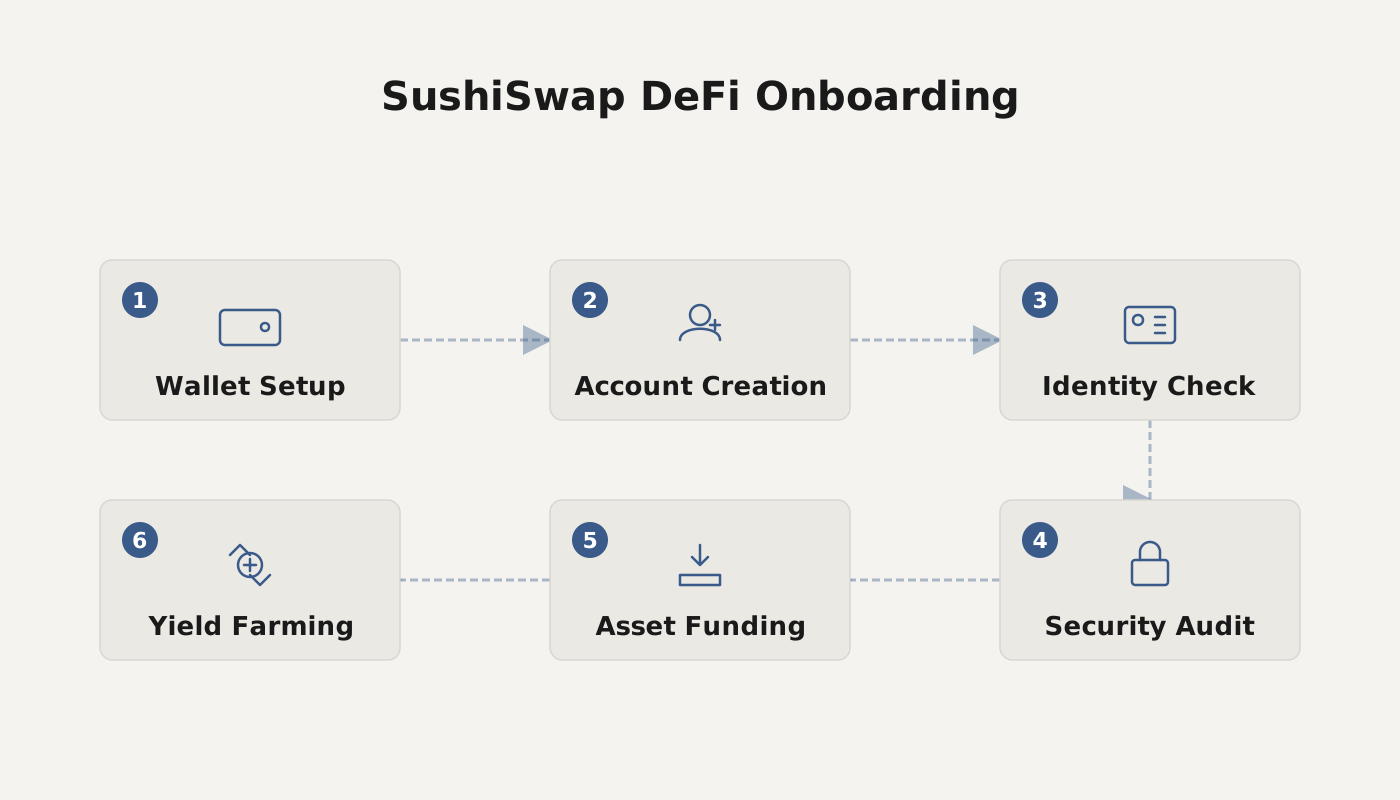
What Does SushiSwap Mean?
SushiSwap is a decentralized exchange (DEX) protocol built on the core design of Uniswap. It employs an Automated Market Maker (AMM) model and rewards a portion of transaction fees by buying back the native SUSHI token and distributing it to Liquidity Providers (LPs), thereby incentivising users to supply liquidity.
In the DeFi ecosystem, “Sushi” usually refers to the SushiSwap platform itself or its native token SUSHI. Because of its innovative reward structure and the dramatic shifts in community governance, SushiSwap has attracted considerable attention from DeFi investors worldwide.
SushiSwap inherits Uniswap’s fundamental architecture, and the trading fee remains 0.3 %. Of that, 0.25 % is allocated to liquidity providers, while the remaining 0.05 % is used by the protocol to repurchase SUSHI and distribute the bought‑back tokens to SUSHI holders.
To date, several reputable blockchain‑security firms—including PeckShield and QuantStamp—have performed public audits or security assessments of SushiSwap. Control of the protocol has been transferred from its founder Nomi Chef (Twitter handle) to Sam Bankman‑Fried, the founder of FTX and a consultant for Serum.
How to Mine on SushiSwap – Step‑by‑Step Tutorial
1. Preparation
- Download and install the MetaMask wallet on your computer (download link: https://metamask.io).
- Navigate to sushiswap.org; this is the entry point for participating in mining.
- After importing an existing wallet or creating a new one, fund the wallet with ETH, USDT (a USD‑pegged stablecoin), or any of the supported token pairs listed on the platform.
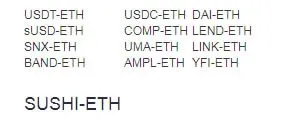
Possessing any of the assets above allows you to continue. Using the USDC‑ETH pair as an example, you need to move equal‑value amounts of the two tokens into MetaMask (e.g., 400 USDC ≈ 1 ETH, so you would deposit 400 USDC and 1 ETH; you can adjust the proportion as needed).
When you provide liquidity on Uniswap, you receive an LP Token that represents your share of the pool. Depositing that LP Token into SushiSwap earns you SUSHI rewards issued by the platform. Compared with Uniswap, SushiSwap adds an extra 0.025 % liquidity reward and allocates another 0.005 % for SUSHI buy‑backs, making the overall yield more attractive.
2. Starting the Mining Process
The following walkthrough uses the USDC‑ETH pair, but you may select any pool that offers a higher APR based on the assets you hold.
1️⃣ Inject Liquidity
- Visit Uniswap (https://uniswap.org), click “Launch App” in the top‑right corner, then click “Connect to a wallet” to link MetaMask.
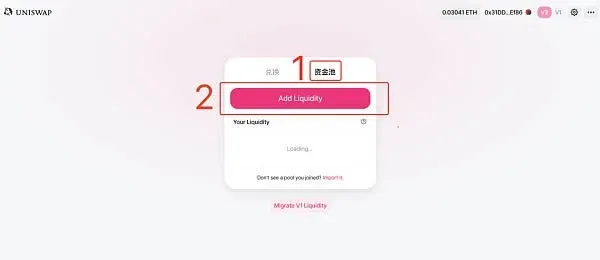
- Go to the “Pool” section and click “Add Liquidity.” Choose the trading pair you wish to supply.
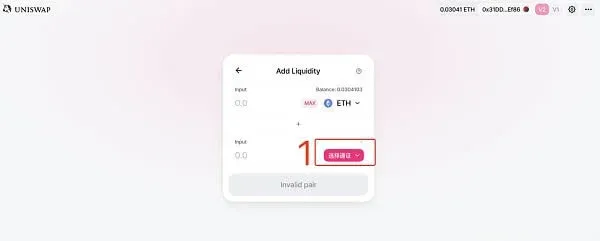
- After selecting the tokens, click “MAX” to auto‑fill the corresponding amounts. Remember to retain roughly 0.2 ETH in your wallet to cover future gas fees. Confirm the transaction and sign it in MetaMask.
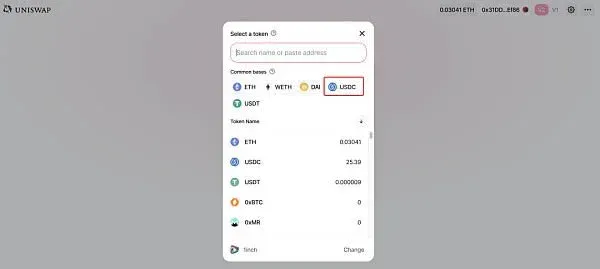
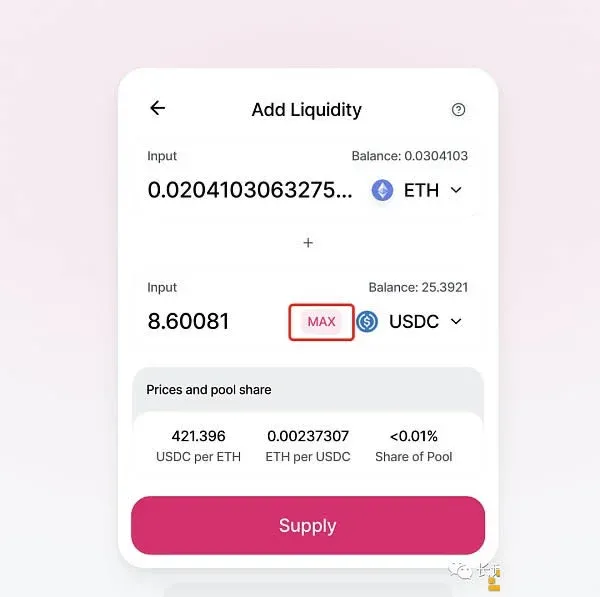
2️⃣ Stake on SushiSwap
- Open sushiswap.org and click “Unlock Wallet” to connect MetaMask. Then locate the appropriate trading pair in the top‑right “Menu” and click “Select.”
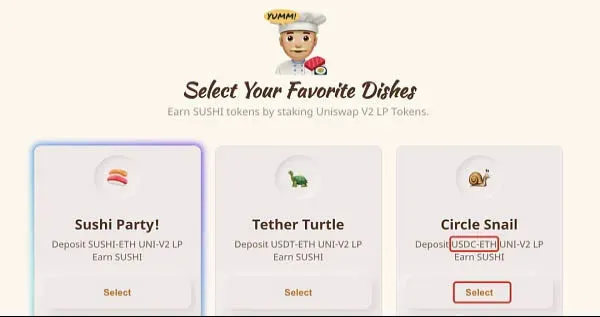
- The first time you visit this page, a smart‑contract deployment prompt will appear. Approve the MetaMask popup to proceed. Deposit the LP Token you received earlier into the designated slot, then click the “Harvest” button on the left to claim accumulated SUSHI rewards. If you wish to withdraw your liquidity, click the “Unstake” button on the right.
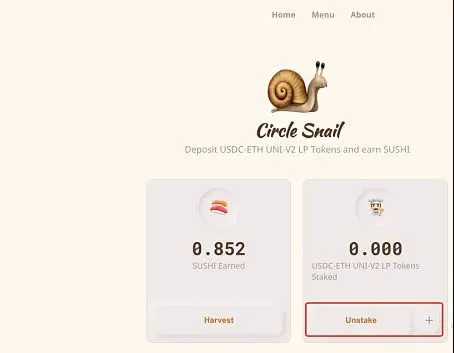
The steps above constitute the complete workflow for participating in liquidity mining on SushiSwap.
Risk Notice: DeFi is still in an early‑stage development phase and carries risks such as smart‑contract bugs, hacking incidents, and incomplete security audits. Investors should exercise caution, fully understand the underlying technology and associated risks, and only allocate capital they can afford to lose.
Related Reading
- SushiSwap Review: DEX Fees, AMM Optimizations & SUSHI Price
- DeFi Mining Revenue Models: Strategies, Calculations & Risks
- Binance On‑Chain Earn Guide: Staking, Liquidity & Yield Basics
💡 Register on Binance with referral code B2345 for the maximum trading fee discount. See Binance complete guide.



