
 Bitaigen Research
 Bitcoin has firmly established itself in the cryptocurrency space, yet newcomers are still frequently trapped by a variety of misconceptions. Below, we examine seven of the most common myths from the perspectives of network architecture, use cases, regulatory stance, and investment thinking, helping readers clarify concepts and develop an accurate understanding.
---
Our Bitaigen editorial team has carefully compiled the typical misconceptions that Bitcoin beginners encounter, focusing on core points such as network structure, regulatory attitude, and investment approach. By reading on you will receive a full analysis that helps you clear up the concepts and avoid blind hype. After grasping the facts, you will have a more objective view of Bitcoin.
Misconceptions About Bitcoin’s Own Attributes
1. Will the shutdown of a server make Bitcoin invalid?
Newcomers often think of Bitcoin as a centralized product. Bitcoin is not owned by any single institution; it is a distributed ledger maintained collectively by nodes around the world. Even if individual servers go offline, as long as there are still nodes running in the network, the system continues to operate normally.
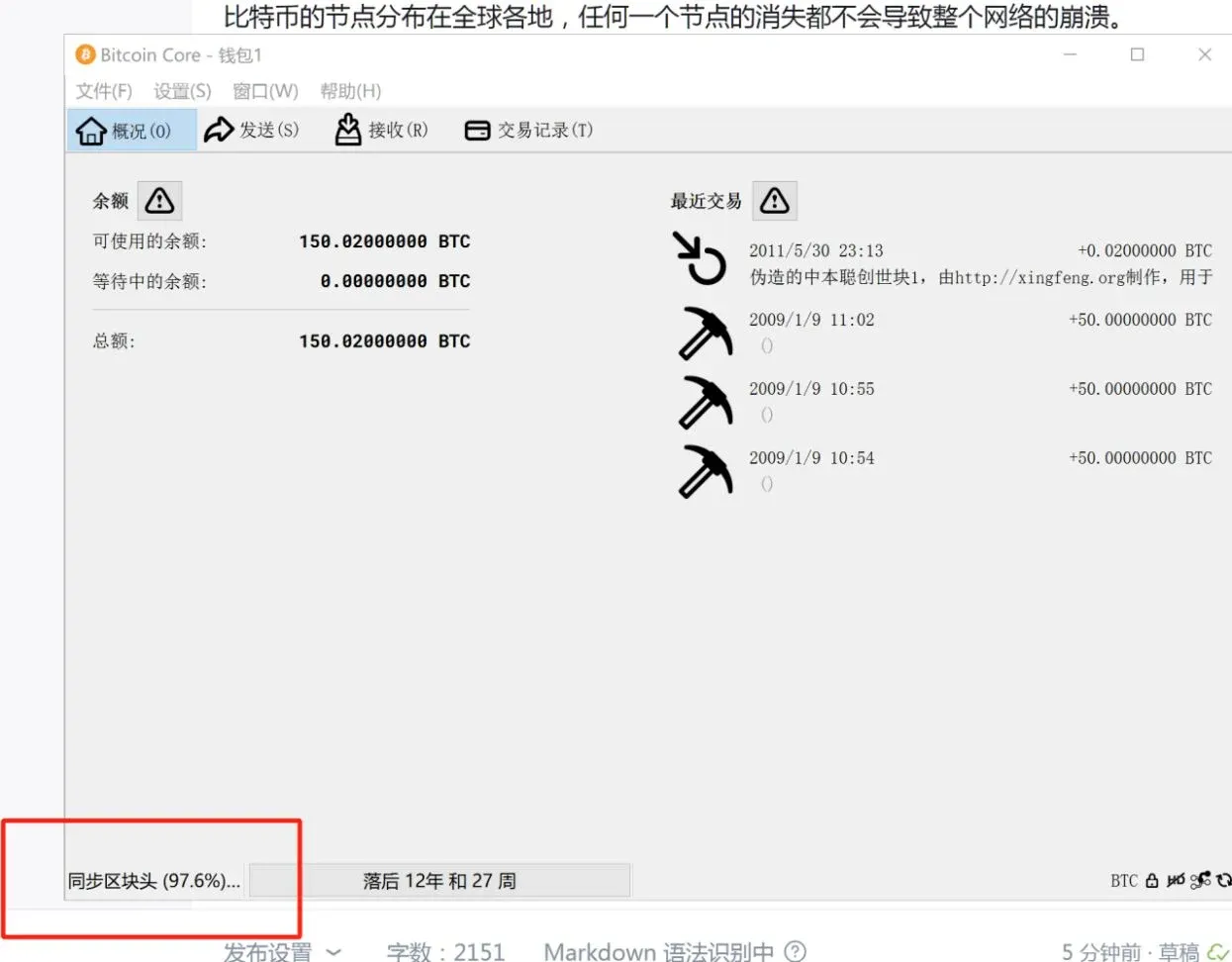
Since Satoshi Nakamoto completed the first transaction in 2009, every transaction has been permanently recorded on the chain. Downloading the full ledger means you become part of the network.
2. “Bitcoin will be minted from the back‑end”?
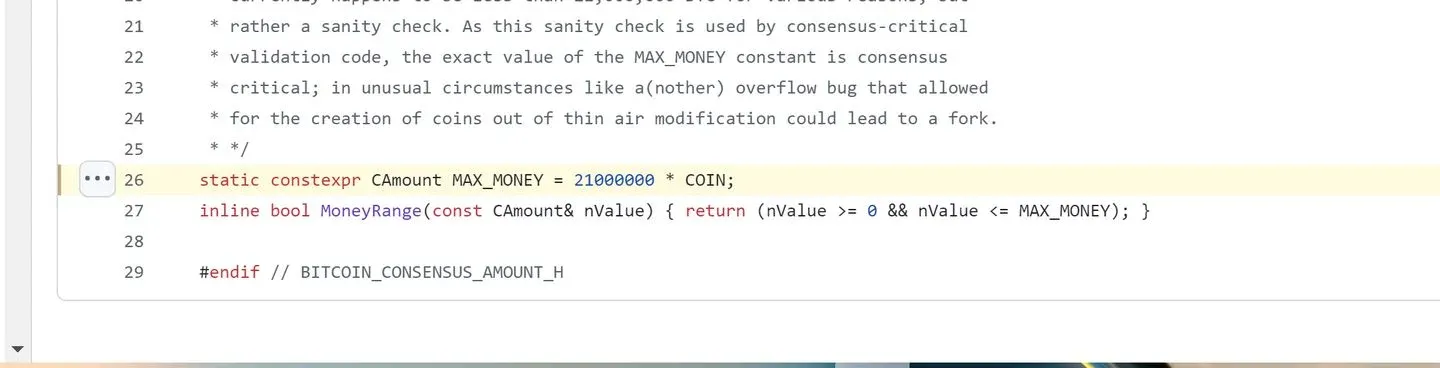
The total supply is hard‑coded in the source code:
```c
static constexpr CAmount MAX_MONEY = 21000000 * COIN;
```
Only if all network nodes collectively accept and switch to a modified codebase could a new issuance occur. Any unilateral change would be equivalent to speaking to oneself and would not take effect on the public network.
3. Supercomputers can easily mine Bitcoin?
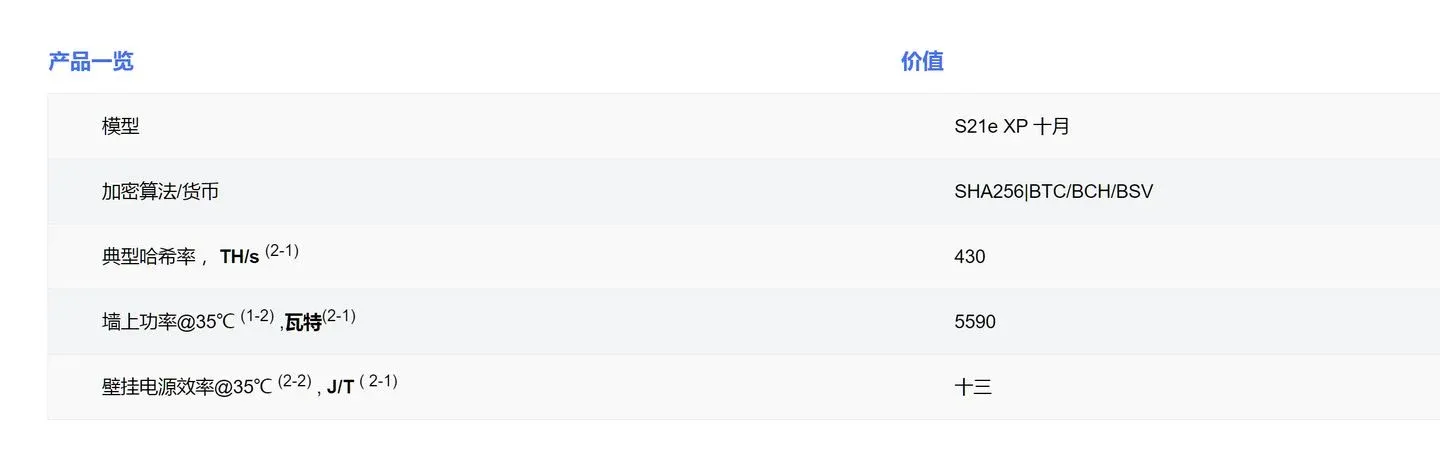
In reality, a supercomputer is not the same as a mining rig. Bitcoin’s proof‑of‑work (PoW) requires specialized ASIC hardware to achieve efficient hashing power. Even top‑tier supercomputers such as Sunway TaihuLight are far less efficient at mining than dedicated ASICs like the Antminer S21e XP Hyd.

4. AI will break Bitcoin’s algorithm?
If an AI were ever capable of breaking SHA‑256, the impact would extend to all systems that rely on this hash function, including banks, payment platforms, and many other services. The hash function used by Bitcoin is still considered extremely secure today—far stronger than commonly known weak hashes such as MD5.
---
Common Misunderstandings About Bitcoin (Re‑ordered)
1. Bitcoin has no practical use in real life
In fact, Bitcoin can already be used for everyday payments. With a compatible wallet, a user can transfer funds to any global address at any time, without involving banks or third‑party intermediaries. Its use cases include:
- Scarcity: A capped supply of 21 million coins makes it “digital gold” and a potential hedge against inflation.
- Price volatility: Buying low and selling high can generate price‑difference gains, provided thorough market research is performed.
- Convenient transfers: Unlike physical gold, Bitcoin can be moved across borders instantly over the internet.
- Transaction security: All transfers are recorded on a decentralized blockchain, making them transparent and traceable, which helps monitor illicit activity.
Note for global users: When converting Bitcoin to fiat, you can use USD transfers via SEPA or SWIFT channels where applicable. Users residing in the United States should use Binance.US rather than the global Binance platform.
Tax reminder: Crypto gains may be taxable in your jurisdiction; consult a local tax professional for guidance.
2. Mining consumes an enormous amount of electricity
Bitcoin mining’s energy consumption has indeed attracted criticism, but the industry is continuously reducing the electricity per unit of hash power through more efficient ASICs, greener energy sources, and protocol‑level halvings. As technology advances, the share of energy‑saving miners is expected to rise further.
3. Governments do not recognize Bitcoin
In the United States, several regulatory bodies already treat Bitcoin as a legitimate financial asset and even view it as a potential alternative to fiat currency. State‑level and federal regulations are gradually being refined, and compliant exchanges and brokerage platforms operate within these frameworks, offering users a regulated environment for trading.
4. Investing in Bitcoin is the same as gambling
Although Bitcoin’s price can swing wildly, the overall trend over the past decade has been upward. Treating it as a long‑term allocation rather than a short‑term speculative bet can help preserve value while keeping risk within manageable bounds. Prior to any investment, conduct proper due diligence and assess your own risk tolerance and portfolio needs.
5. Bitcoin cannot be integrated into the fiat system
Bitcoin can already interoperate seamlessly with traditional currencies. After acquiring Bitcoin, individuals and businesses still need to fulfill tax obligations. Numerous firms now allow Bitcoin to be held within retirement accounts, and related derivatives are traded on public markets, further enhancing its utility.
6. High technical barrier; ordinary people can’t use it
While Bitcoin’s underlying technology involves cryptography and distributed systems, the user‑level experience is deliberately simple. Downloading a wallet, creating an address, and sending a transaction do not require a technical background. This ease of use is why Bitcoin is often described as a “digital asset you can manage yourself.”
7. You must buy a whole Bitcoin in one go
As of September 19 2024, Bitcoin’s market price is approximately USD 62,008.30. However, you do not need to purchase a full coin at once. The smallest unit is a Satoshi, equal to 1 ÷ 100,000,000 BTC. This means even an investment of a few cents grants you ownership of a fraction of a Bitcoin. Staggered purchases or dollar‑cost averaging can spread cost over time and lower the risk of a single large entry.
---
Misconceptions About Bitcoin as a Unit of Account and Payment Tool
1. Without a nation’s backing it cannot function as money
Historically, shells, precious metals, and even carved stone wheels served as mediums of exchange without any state guarantee. The essence of money lies in its ability to act as a unit of exchange, a pricing metric, and a store of value. Bitcoin already enjoys acceptance by merchants and individuals in multiple countries, satisfying these core functions.
2. Its value is too unstable to serve as money
From a “coin‑based” perspective, Bitcoin’s supply is fixed at 21 million, making the supply side extremely stable. By contrast, fiat money issuance is frequently adjusted by macro‑policy, resulting in larger supply fluctuations.
3. It is used for money laundering and illicit activities
Because Bitcoin’s transaction ledger is public and transparent, it is actually less suitable for laundering than privacy‑focused coins. A growing suite of regulatory tools can trace abnormal on‑chain behavior.
4. It lacks advantages compared with centralized fiat currencies
Bitcoin does face limitations in transaction speed, fees, and scalability, but second‑layer solutions such as the Lightning Network are gradually mitigating these issues. Its decentralized nature provides unique benefits like censorship resistance and protection against inflation.
5. The emergence of other cryptocurrencies erodes Bitcoin’s scarcity
As the first crypto asset, Bitcoin enjoys the broadest network effect and brand recognition. The launch of new tokens does not alter Bitcoin’s 21 million cap; its scarcity remains intact, similar to how gold retains its status in the precious‑metal market despite the introduction of other metals.
---
Closing Remarks
Bitcoin has weathered more than a decade of storms, and the debates and misunderstandings surrounding it continue to evolve. With ongoing technological upgrades, clearer regulatory frameworks, and rising public awareness, an increasing number of myths will be dispelled. Bitcoin is not only a technological innovation; it represents a profound shift in financial sovereignty and value‑storage methodology. We hope this compilation helps you break through common misconceptions and make more rational judgments.
Related Reading
- Bitcoin Stagnation: CPI, Rates & Post‑Halving Miner Moves
- Bitcoin Miners Surge: Hash Rate Hits Record High
- Bitcoin Analysis: Understanding Risks and Opportunities
💡 Register on Binance with referral code B2345 for the maximum trading fee discount. See Binance complete guide.



