
 Bitaigen Research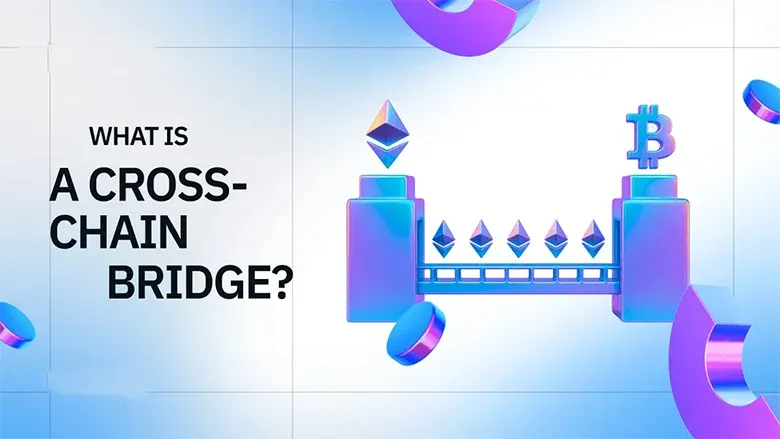
In this article we outline the core concepts and main classifications of cross‑chain bridges, dissect their role within a multi‑chain ecosystem, and place particular emphasis on evaluating common security hazards and mitigation approaches. The goal is to help readers quickly identify the technical characteristics of different bridges, providing a reference for subsequent usage and risk management. A careful read is recommended.
What Is a Cross‑Chain Bridge? Types, Risks, and Security Overview
A cross‑chain bridge is the infrastructure that connects disparate blockchains, enabling the transfer of assets between them. Main categories include trusted (centralized) bridges, decentralized bridges, consortium bridges, liquidity bridges, and others, each facing security risks such as smart‑contract bugs and validator compromises.
The fundamental function of a cross‑chain bridge is to allow originally isolated blockchain networks to communicate with one another. Chains such as Ethereum, BNB Chain, Solana, Avalanche, and others each operate their own consensus mechanisms, token standards, and smart‑contract languages, meaning assets and data can only circulate within the native chain. By providing a secure and reliable conduit, a bridge “wraps” an asset on the source chain and makes the wrapped version usable on a destination chain, thereby enabling cross‑chain transfers of tokens like ETH, USDT, BNB, and many others.
Bridges are not merely a convenience layer for a multi‑chain system; they also serve as entry points for DeFi, GameFi, NFT, and other projects that span multiple ecosystems. Through bridging, a user can operate the same asset on several chains, increasing shared liquidity and expanding the space for innovative applications.
Types of Cross‑Chain Bridges
Different bridges vary in construction method, operational model, and security assumptions. The table below summarizes the most common bridge categories and their key characteristics:
| Bridge Type | Description | Security Model | Typical Example |
|---|---|---|---|
| **Trusted Bridge** (centralized) | Asset lock/unlock is managed manually or semi‑automatically by a single entity or a small group | Centralized trust (custodial) | Binance Bridge |
| **Decentralized Bridge** (trust‑less) | Utilises smart contracts together with decentralized **validators** or **oracles** to execute cross‑chain transactions | Decentralized trust (non‑custodial) | Wormhole, Axelar, LayerZero |
| **Consortium Bridge** (semi‑decentralized) | Decision‑making is controlled by an alliance of permissioned validators or institutions | Permissioned validator set | Ripple Interledger, Wanchain |
| **Liquidity Bridge** | Directly swaps assets via liquidity pools on both chains, without locking or minting | Relies on pool depth | THORChain, Synapse |
| **Hybrid Bridge** | Combines multiple models (e.g., liquidity pool + validator) | Varies by implementation | AnySwap (multichain), Connext |
Each model involves trade‑offs: decentralized bridges usually provide higher censorship resistance but may sacrifice transaction speed; trust‑less bridges reduce reliance on third parties but increase implementation complexity; consortium bridges aim for a balance between performance and decentralization; liquidity bridges depend on pre‑funded pools, and insufficient liquidity can degrade transaction quality.
As multi‑chain demand grows, some protocols implement several bridging models within a single system to support low‑latency and highly scalable cross‑chain interoperability.
How Do Cross‑Chain Bridges Work?
Blockchains are inherently siloed and cannot directly read or write data on another chain. A bridge acts as middleware, completing a lock‑mint (or burn‑release) process between two independent networks.
Lock‑and‑Mint (or Burn‑and‑Release)
- The user locks assets (e.g., ETH) in a smart contract on the source chain A.
- The bridge creates a wrapped version of that asset on the destination chain B (e.g., wETH).
- The user can freely use the wrapped token on chain B while the original assets remain safely locked on chain A.
Validators and Oracles
Cross‑chain bridges depend on a network of validators, relayers, or oracles that confirm the lock or burn event on the source chain before triggering minting or release on the destination chain. The incentive structure, degree of decentralization, and size of the validator set directly influence a bridge’s security posture.
Bidirectional Transfers
When a user wants to move assets back to the original chain, the bridge performs the reverse steps: the wrapped token is burned on the destination chain, after which the original assets are unlocked on the source chain and returned to the user’s wallet.
Modern bridges often support parallel transfers across multiple chains, allowing assets to be moved simultaneously on several networks. This reduces congestion and improves the overall user experience.
Why Are Cross‑Chain Bridges Needed?
The current blockchain landscape has evolved into a multi‑chain environment: Ethereum, BNB Chain, Polygon, Avalanche, Solana, and others each host a large number of dApps, yet they remain isolated from one another. This fragmentation leads to liquidity silos, user isolation, and limited composability of smart contracts. Bridges address these bottlenecks in several ways:
- Enhanced Liquidity Access: Users can bridge tokens to other chains and tap into DeFi, NFT, or GameFi products unavailable on the native chain.
- Improved Capital Efficiency: There is no need to maintain separate balances on every chain; capital can be deployed instantly where it is required, reducing idle funds.
- Ecosystem Composability: Developers can build cross‑chain applications that combine users and functionalities from multiple networks.
- Reduced Transaction Costs: Asset holders can move tokens to a chain with lower gas fees (e.g., Arbitrum, Optimism) instead of selling the asset.
- Broader Token Reach: Projects can issue tokens on several chains, reaching a wider audience without forking contracts or re‑issuing tokens.
In summary, cross‑chain bridges are a critical piece of infrastructure for enabling asset mobility across chains, boosting capital utilization, and scaling decentralized finance to a global audience.
Security of Cross‑Chain Bridges
Security is the central challenge for any bridge. Because a bridge links two high‑value, independent ledgers, any vulnerability or design flaw can result in massive asset loss. Bridge security is affected by the following factors:
1. Validator and Oracle Design
Trust‑less bridges rely on a network of validators or oracles to provide cross‑chain state proofs. If incentives are insufficient, the system becomes overly centralized, or the validator set is too small, collusion or abrupt exit can cause bridge failure or exploitation.
2. Smart‑Contract Bugs
The bridge’s smart contracts manage locked assets and wrapped tokens. A single logic error can enable illegal minting or theft. High‑profile attacks on Wormhole, Ronin, and others originated from contract vulnerabilities.
3. Custodial Risk
Trusted bridges or semi‑centralized bridges place assets under the custody of a specific entity. If the custodian is hacked, acts maliciously, or makes operational mistakes, user funds may be irretrievably lost.
4. Cross‑Chain Consensus Mismatch
Differences in consensus rules and confirmation times across chains can create race conditions, double‑spends, or state lags, leading to failed cross‑chain transactions or erroneous asset releases.
5. Audit Coverage and Upgradability
Even after an audit, the parallel logic required for multi‑chain operation may expose unknown attack surfaces on newly added chains. Upgradeable contracts without strict permission controls can become entry points for attackers.
Overall, bridges that are more decentralized and transparent tend to be safer, but no bridge can be considered immune to attacks. Users should assess the risk‑reward balance themselves when selecting a bridge.
Risks Associated with Cross‑Chain Bridges
While bridges boost interoperability, they also introduce a suite of technical and operational risks:
- Smart‑Contract Vulnerabilities
Bugs can lead to unauthorized minting or theft of assets, as seen in the 2022 Wormhole incident that caused losses exceeding $300 million USD.
- Validator or Oracle Manipulation
If validators are compromised, collude, or lack sufficient incentives, they may forge lock events and illicitly mint assets on another chain.
- Custodial Risk of Centralized Bridges
When a small group or institution controls the assets, any breach or malicious action by the operator can result in total loss for users.
- Chain Compatibility and Consensus Lag
Varying confirmation times across chains can cause bridges to misinterpret transaction status, leading to delays, failures, or double‑spending scenarios.
- Liquidity Constraints
Bridges that rely on liquidity pools may experience transaction failures, heightened price slippage, or stuck funds when pool depth is insufficient.
- Lack of Standardization
Each bridge implements its own protocols; audits, upgrades, and integrations lack a unified standard, resulting in uneven security levels and systemic risk.
- Irreversibility
Blockchain transactions are final once confirmed. Errors—whether user mistakes or contract bugs—are typically unrecoverable, making bridge mishaps potentially costly.
After understanding these risks, users should perform thorough due diligence before using any bridge, reviewing audit reports, community reputation, and real‑time security monitoring. Note that crypto gains may be taxable in your jurisdiction; consult a tax professional for guidance on reporting obligations.
---
This article systematically reviews the concept of cross‑chain bridges, their main categories, operational mechanics, necessity, and associated security risks. For deeper analysis of cross‑chain bridges, search for previous Bitaigen (比特根) articles or continue browsing the related links below. Thank you for reading, and we hope you keep following Bitaigen’s blockchain coverage!
Related Reading
- Preconfirmations in Rollup: Reduce Latency, Boost Security
- 2026's Top 10 Secure Crypto Exchanges – Rankings & Review
- USDC vs USDT: Key Differences, Compliance, and Security Explained
💡 Register on Binance with referral code B2345 for the maximum trading fee discount. See Binance complete guide.



