
 Bitaigen Research
 Polkadot (DOT) is a blockchain protocol designed for multi‑chain interoperability that launched its mainnet in 2020. By aggregating multiple specialized chains onto a single network, it enables cross‑chain communication, shared security, and unified governance. Currently, DOT ranks around the 14th largest cryptocurrency by market capitalization and is primarily used for network governance, staking, and paying transaction fees.

In this article we systematically review Polkadot’s technical framework, governance mechanisms, and the latest market trends, helping readers quickly assess DOT’s position and potential value within the multi‑chain ecosystem. By deeply analyzing recent regulatory developments and ETF progress, you can form a more comprehensive view of its investment logic. Subsequent sections will dissect price movements and real‑world use cases in detail, making a thorough read worthwhile.
Latest DOT News and Price Movements
After the start of 2025, the crypto market exhibited modest fluctuations. Policy adjustments by the newly elected U.S. president altered the regulatory stance, while the launch of a Bitcoin spot ETF increased the likelihood of approval for other cryptocurrency ETFs.
Recent reports indicate that Grayscale Investments has filed a Polkadot ETF application with the U.S. Securities and Exchange Commission (SEC), planning to launch a fund that tracks the DOT spot price under the ticker “DOT”. Following the announcement, DOT’s price rose roughly 4%, giving it a market cap of about $6.6 billion and placing it as the 26th largest crypto asset.
What Is Polkadot (DOT)?
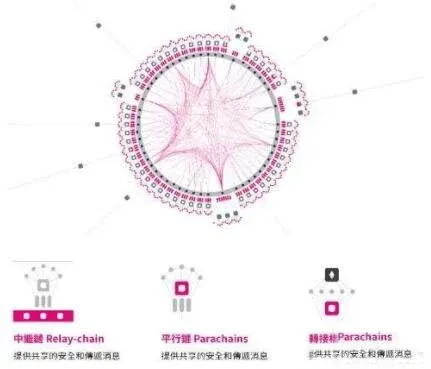
Polkadot positions itself as a next‑generation blockchain protocol whose core idea is to connect multiple specialized chains (parachains) to a single backbone—the Relay Chain—thereby creating a multi‑chain network. Unlike Bitcoin and other single‑chain systems that operate in isolation, Polkadot provides a unified security layer via the Relay Chain, while each parachain handles its own specific workloads, achieving high functional differentiation and collaboration.
1. Architectural Differences Between Polkadot and Ethereum
Ethereum uses a single‑chain structure where all functions run on the same chain. Polkadot, by contrast, adopts a main‑chain + multiple parachain model. The Relay Chain handles overall consensus and security, whereas parachains can define their own rules and native tokens and run in parallel to the Relay Chain. Cross‑chain interaction between parachains is enabled through Bridges, allowing assets to move between chains without relying on centralized exchanges.
Because each parachain possesses its own compute resources, Polkadot’s test phase already demonstrated the ability to process over 1,000 transactions per second—significantly higher than Bitcoin’s ~7 TPS and Ethereum’s ~30 TPS.
2. Core Advantages of Polkadot
- Scalability: The multi‑chain architecture allows each chain to upgrade independently while cooperating, resulting in higher overall throughput.
- Community Governance: DOT holders can participate in on‑chain governance to adjust network parameters, aligning decisions with community interests.
- Fork‑less Upgrades: Polkadot employs on‑chain upgrades, avoiding the community splits and downtime associated with traditional hard forks.
- NPoS Consensus: The network uses Nominated Proof‑of‑Stake (NPoS), where validators and nominators jointly maintain security.
Polkadot Development Team and Milestones
The Polkadot project was launched by the Web3 Foundation, headquartered in Switzerland, with the mission of building an open‑source, user‑friendly decentralized information network. The founding team includes Ethereum co‑founder and first CTO Gavin Wood, along with Robert Habermeier and Peter Czaban. Gavin Wood previously led the development of the Solidity programming language and co‑authored the Ethereum whitepaper before turning his focus to Polkadot to address Ethereum’s scalability and interoperability challenges.
- October 2016: Polkadot whitepaper released and DOT token introduced.
- October 2017: A Dutch auction sold 5 million DOT, raising over $145 million.
- June 2019: A second funding round sold an additional 500 k DOT, valuing the project at roughly $1.2 billion.
- 2020: Mainnet launch, quickly attracting market attention and being dubbed a potential “Ethereum killer”.
Polkadot Architecture: How the Polkadot Network Operates
Polkadot’s operation revolves around three primary components:
1. Relay Chain
The Relay Chain is the network’s root chain, providing unified consensus and security. It separates transaction creation from validation, enabling the processing of thousands of transactions per second. All state changes on parachains are ultimately confirmed on the Relay Chain.
2. Parachains
Parachains are specialized side chains that can tailor their own rules to specific use cases. They share the Relay Chain’s security and achieve interoperability through cross‑chain message passing. Parachain applications span DeFi, high‑throughput trading, privacy computing, and can be either public or private.
3. Bridges
Bridge modules allow Polkadot to interact with external chains such as Bitcoin and Ethereum, facilitating seamless asset transfers and reducing reliance on centralized exchanges.
NPoS Consensus Mechanism
Polkadot’s Nominated Proof‑of‑Stake divides network roles into:
- Validators: Provide computational power and security by validating transactions. Any node meeting the criteria can apply to become a validator.
- Nominators: DOT holders who stake their tokens to back trustworthy validators, earning proportional rewards.
- Candidate Validators, Collators, Fishermen, and other auxiliary roles also contribute to network health, ensuring robust operation.
It is noteworthy that network upgrades can be performed without service interruption, avoiding the risks associated with hard forks.
Primary Uses of DOT
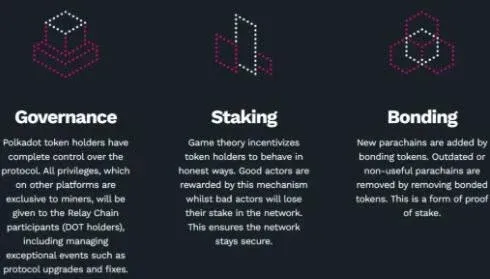
As Polkadot’s native token, DOT serves three main functions:
- Governance: Holders can vote on matters such as network fees, parachain onboarding, or removal.
- Staking Rewards: Through NPoS, DOT holders may stake their tokens and nominate validators to earn block rewards; misbehaving validators can lead to slashing of the staked DOT.
- Slot Auctions: The Relay Chain can host roughly 100 parachains. Projects seeking a slot must participate in DOT auctions and lock the required amount of tokens. Once the lock‑up period ends, the DOT is released back to the original holder.
Polkadot (DOT) Tokenomics Overview
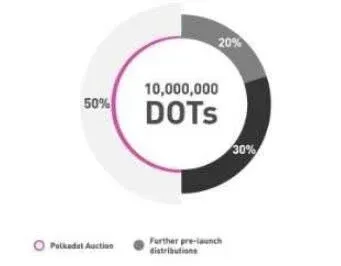
- Total Supply: 10 million DOT (relatively small compared with many other major crypto assets).
- Historical Issuance: 5 million sold in 2017, another 500 k in 2019. In August 2020 a token split occurred, bringing the cumulative issuance to 5.8 million DOT, raising roughly $40 million within three days.
Token Allocation
| Purpose | Percentage |
|---------|------------|
| Parachain slot auctions | 50 % |
| Pre‑launch distribution | 20 % |
| Web3 Foundation | 30 % |
DOT Market Snapshot (as of 2023‑03‑02)
- Trading Volume: Approximately $6.36‑$6.57 billion
- Total Market Cap: About $7.695 billion (ranked 14th)
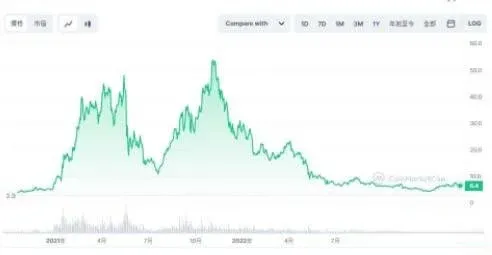
- All‑Time High: $54.98
- All‑Time Low: $2.70
Historical Price Performance and Investment Considerations
- 2019: DOT traded around $2.90.
- End of 2020: Fueled by a broader bull market and a surge of ecosystem projects, the price climbed to $47.95.
- May‑July 2021: A correction dropped DOT to $12.31 before it rallied again, reaching a new all‑time high of $55.
- 2022: The crypto bear market pushed DOT below $10.
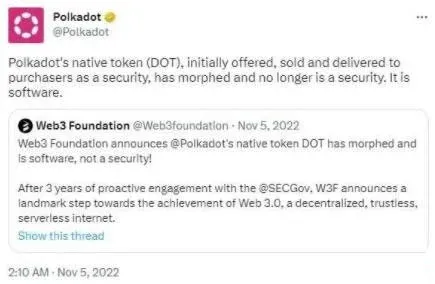
SEC Confirmation: DOT Is Not a Security
In November 2022, the Web3 Foundation disclosed that after three years of dialogue with the U.S. Securities and Exchange Commission (SEC), DOT—initially considered a security—was no longer classified as such.
Future Outlook and Potential Risks for DOT
Leveraging its multi‑chain connectivity, Polkadot is well‑positioned to facilitate cross‑chain asset flows and increase overall transaction throughput. Its mature governance model enables the community to implement timely upgrades, preventing stagnation.
Nonetheless, the global regulatory landscape continues to evolve. While current regulatory focus largely targets legacy chains such as Bitcoin and Ethereum, an expanding Polkadot ecosystem may attract stricter scrutiny over time. Entities or individuals planning extensive DOT usage should consult legal professionals before deploying smart contracts to evaluate compliance obligations, including any tax liabilities that may arise under local jurisdiction.
How New Users Can Register and Purchase DOT (Example Using OKX)
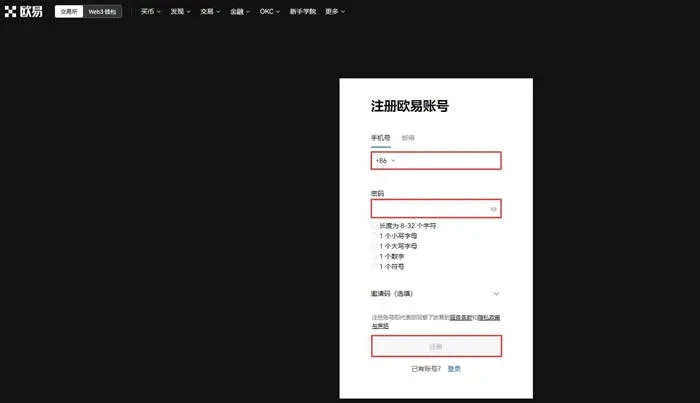
- Visit the OKX website (Official RegistrationDownload App) and click Register in the top‑right corner to start the signup process.

- It is recommended to register with a mobile phone number. After entering the phone number and setting a login password, click Register to create the account.
- Once registration is complete, go to User Center → Identity Verification to complete KYC. Trading is only enabled after successful verification.

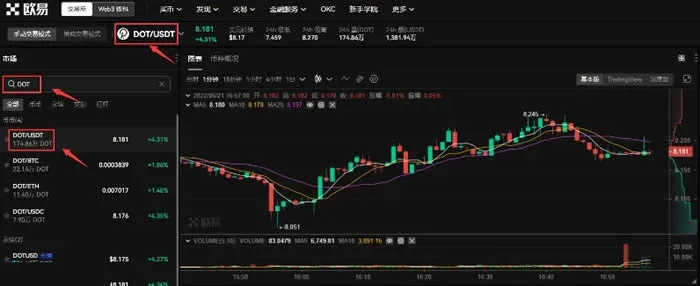
- After logging in, select Trade → Basic Trade from the homepage to reach the trading interface.

- In the search box, type “DOT” and choose the DOT/USDT pair to view real‑time market data.
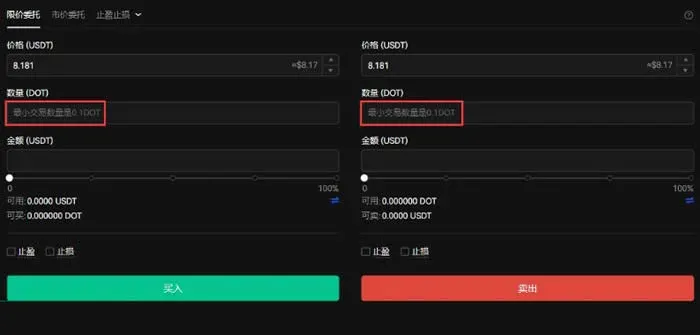
- Enter the desired purchase amount (minimum 0.1 DOT), confirm, and submit the order to complete the buy.
The above provides a complete overview of what Polkadot (DOT) is, its utilities, and its price history. For deeper analyses and ongoing updates on DOT, stay tuned to the Bitaigen platform.
*Note: Cryptocurrency gains may be taxable under the laws of your jurisdiction. Users in the United States should use Binance.US for any Binance‑related services.*
💡 Register on Binance with referral code B2345 for the maximum trading fee discount. See Binance complete guide.



