
 Bitaigen Research
 Cloud computing mining involves renting computational power from cloud service providers to mine cryptocurrencies remotely, eliminating the need to purchase mining hardware yourself. Whether it can be profitable depends on factors such as the cost of hashing power, cryptocurrency prices, and the reliability of the platform.
We examine the operation of cloud computing mining from three perspectives—technology, cost, and security—to help readers assess its profit potential and associated risks. The article will break down platform selection criteria, fee structures, and the impact of price fluctuations on earnings, enabling you to prepare adequately before getting started. Continue reading for a complete evaluation.
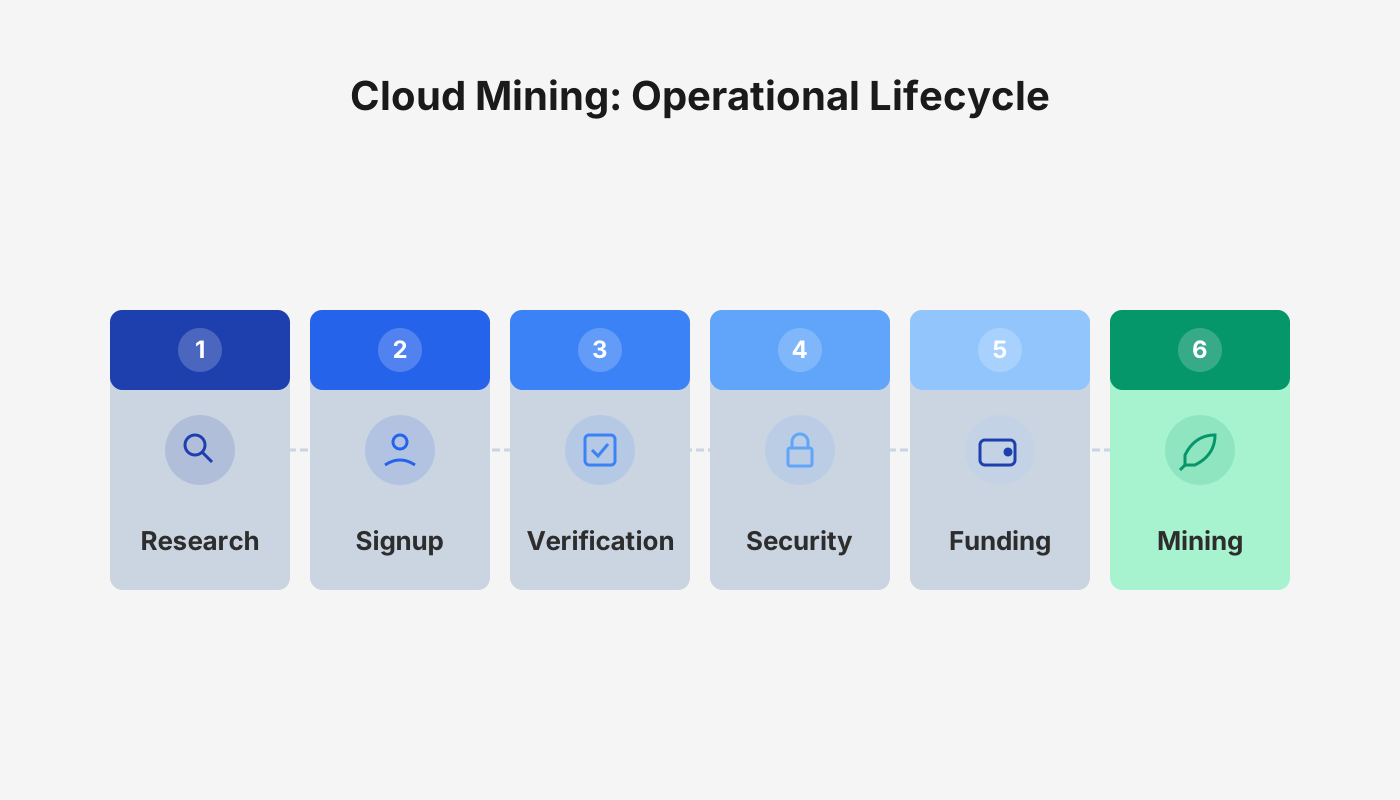
What Is Cloud Computing Mining?
Cloud computing mining is a method of renting remote computational power to mine cryptocurrencies such as Bitcoin, removing the hassle of buying, installing, and maintaining mining rigs. Users simply pay a fee and can participate in mining worldwide, saving on hardware acquisition and electricity expenses.
- Time‑saving and effortless: No need to build a mining farm; just use the hash power supplied by the cloud service.
- Low entry barrier: A modest amount of capital is enough to start, making it suitable for individuals with limited technical expertise or funds.
- Flexible billing: Pay only for the actual computing power and duration you use, similar to utility billing for water or electricity.
Cloud computing mining relies on proof‑of‑work (PoW) blockchain networks. By renting hash power, miners perform the required calculations, earning block rewards and transaction fees. This model has become one of the fastest‑growing technical trends in recent years, encompassing a variety of cloud resources such as server capacity, database services, and file storage.
Can Cloud Computing Mining Make Money?
Profitability requires that earnings exceed the costs of rental fees, maintenance, and any platform commissions. The key variables influencing returns are:
- Hash‑power cost: Stronger rented power generates more block rewards, but the price rises accordingly.
- Cryptocurrency price: Market price swings directly affect the fiat value of the rewards.
- Network difficulty: As mining difficulty increases, the output per unit of hash power declines.
- Platform reliability: The authenticity of the advertised hash power and the transparency of operations determine whether payouts can actually be realized.
Definition: *Pool commission* refers to the percentage fee that a mining pool operator takes from the rewards earned by miners, typically used to cover operational expenses.
Although newer mining rigs generally offer higher efficiency, final profits still hinge on market conditions. If the cryptocurrency price drops, fixed costs such as electricity and maintenance may push the operation into a break‑even or loss situation after those expenses are deducted.
Risk Disclosure
- Platform risk: Cloud mining platforms act as intermediaries; you should evaluate their reputation and operational history to guard against fraud or abandonment.
- Uncertain returns: Extreme volatility in cryptocurrency prices can cause a gap between expected and actual earnings.
- Contract fees: Most cloud mining contracts pre‑deduct electricity, maintenance, and other fixed charges; be sure to read the terms carefully before committing.
Conclusion
Cloud computing mining offers a low‑threshold, user‑friendly way to mine by renting remote hash power, making it attractive for those who do not wish to purchase mining hardware. Its advantages lie in eliminating hardware investment and electricity costs, while its downsides stem from platform credibility and market volatility. Prospective participants should prioritize reputable platforms, thoroughly assess costs and risks, and develop a realistic investment plan.
Note: Crypto gains may be taxable in your local jurisdiction; consult a tax professional for guidance.
Fiat considerations: Payments and withdrawals are typically handled in USD via SEPA or SWIFT transfers.
U.S. users: When using exchange services, opt for Binance.US rather than the global Binance platform.
Related Reading
- Cloud Mining Power: Rent Crypto Mining Without Hardware
- Top 10 Cloud Mining Platforms for 2026 – Best Choices for Investors
- 2025 Cloud Mining: Easy Bitcoin & Dogecoin Hash‑Power Rental
💡 Register on Binance with referral code B2345 for the maximum trading fee discount. See Binance complete guide.



