
 Bitaigen Research
In this article we systematically outline the core principles of crypto arbitrage, common execution techniques, and key risk factors, helping readers seize opportunities while avoiding potential losses. A careful read is recommended to build a more robust trading mindset. We also briefly assess the current regulatory environment’s impact on arbitrage activities, assisting you in formulating strategies that remain legal and compliant.
A Panoramic View of Cryptocurrency Arbitrage Risks
Before embarking on any arbitrage trade, you must first recognize the inherent risk points. Below are several of the most common risk factors, intended to keep you vigilant during real‑world execution.
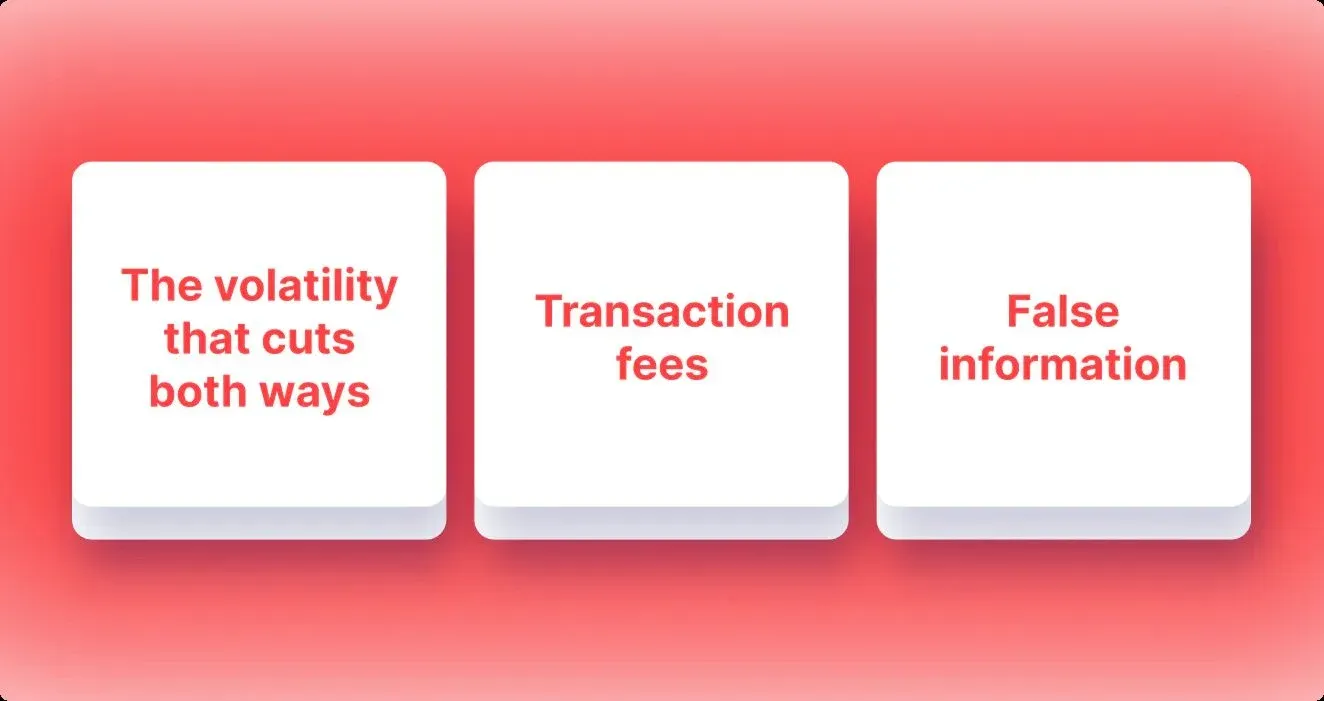
- Bidirectional price swings – The crypto market’s extreme volatility can create arbitrage windows within minutes, but the same rapid movements can reverse those windows just as quickly, turning an apparent profit into a loss in a matter of minutes or hours.
- Transaction fees – Fees directly affect the net return of an arbitrage trade. If you neglect to factor in exchange fees, the apparent price spread may disappear after costs are deducted, and you could even end up with a negative return.
- Inaccurate information – Even the most sophisticated arbitrage bots can make erroneous trades if the underlying data is flawed. The reliability of data sources must always be verified.
Legal Compliance and the Regulatory Landscape
From a legal standpoint, arbitrage itself does not fall under any explicit prohibition and is generally considered a legitimate trading activity. Most experts view arbitrage as a market‑making function that helps correct price deviations and improve liquidity. Nonetheless, market makers and financial institutions worldwide often employ technical measures to diminish arbitrage opportunities in order to protect their own margins. While specific regulations governing crypto arbitrage remain underdeveloped in many jurisdictions, conducting such activities is rarely blocked by law. It is still advisable to familiarize yourself with the regulatory policy of your own country or region and to ensure that any platform you use holds the appropriate compliance credentials.
Tax note: Gains from cryptocurrency arbitrage may be taxable in your local jurisdiction; consult a tax professional to understand your obligations.
What Is Arbitrage Trading?
Arbitrage is a strategy that exploits price differences of the same asset across different trading venues, buying low and selling high. The concept dates back to the 18th‑century foreign‑exchange markets, where traders would purchase a currency in a cheaper market and sell it in a more expensive one, achieving near‑risk‑free profit. While the profit per trade is modest, high‑frequency execution can generate a sizable cumulative return.
How Cryptocurrency Arbitrage Is Achieved
Compared with traditional fiat markets, centralized financial institutions continuously monitor and compress price gaps, making classic arbitrage increasingly scarce. The decentralized nature of cryptocurrency exchanges means that supply and demand are not perfectly synchronized across platforms, creating exploitable price differentials. This structural mismatch is what keeps crypto arbitrage viable.
Formation of a Price Window
Most crypto exchanges operate with automatic matching engines, eliminating the need for a third‑party intermediary. When liquidity for a particular token is thin on one platform, its price can deviate sharply from that on other venues. Although prices tend to converge over longer periods, the temporary imbalance offers arbitrageurs a window to capture profit.
Common Arbitrage Strategies
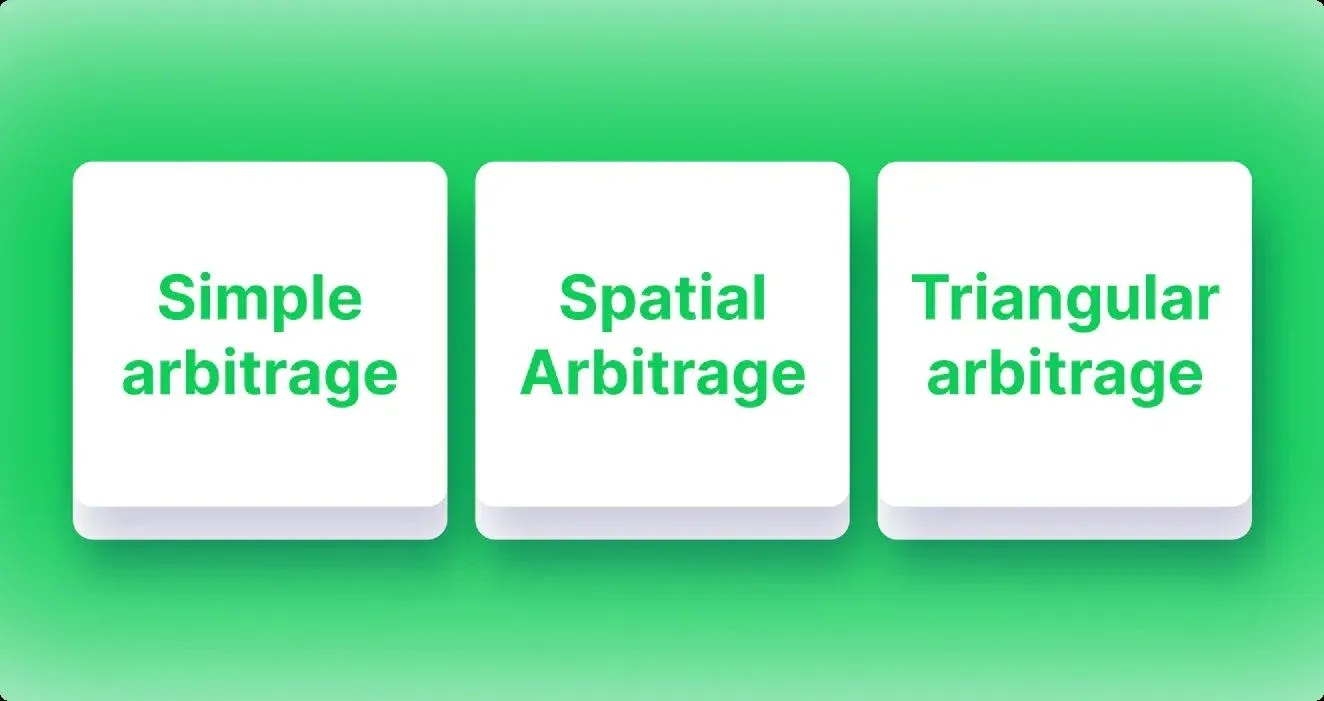
- Unidirectional (simple) arbitrage – Directly buy low on one exchange and sell high on another; this is the most straightforward method. As platforms improve protective mechanisms, the profit margin for this style has been narrowing year after year.
- Spatial arbitrage – Not limited to digital platforms; it leverages price discrepancies caused by differing regulations or tax regimes across countries or regions. This approach requires cross‑border fund movement and involves more complex procedures.
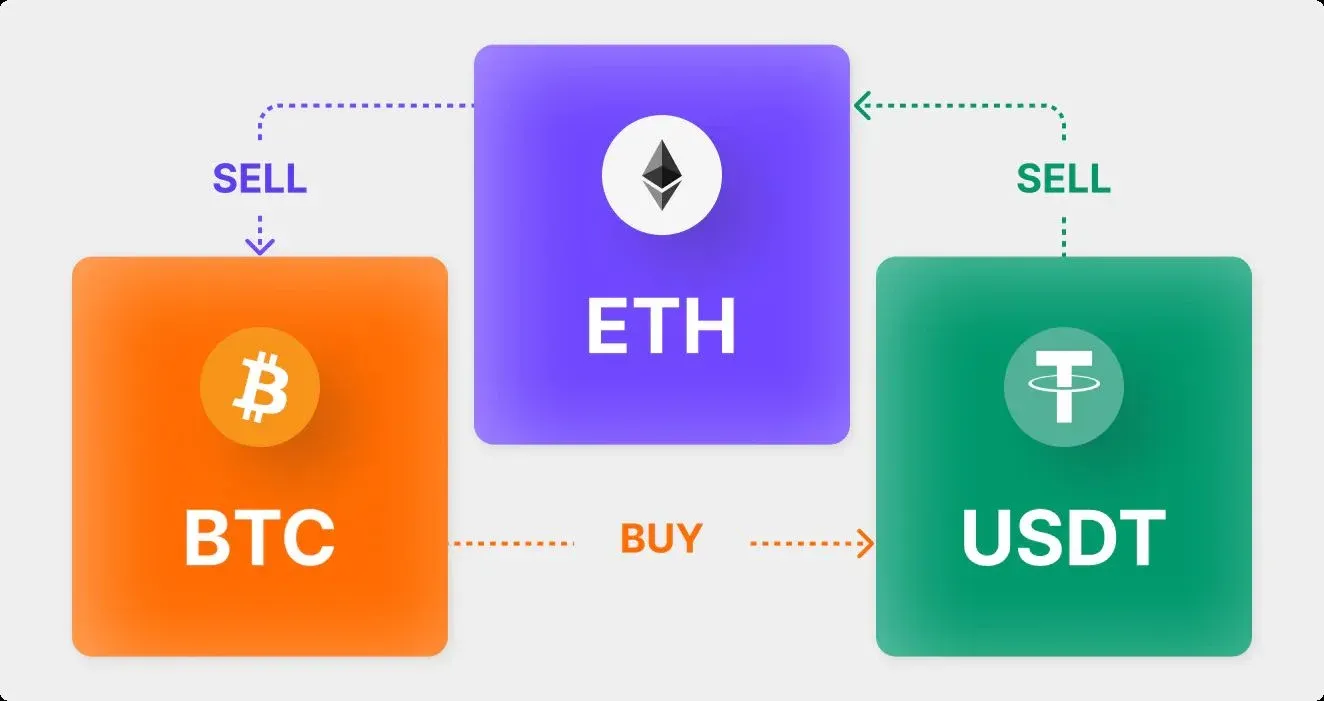
- Triangular arbitrage – Takes advantage of inconsistent exchange rates among three cryptocurrencies by cycling trades. For example, convert Token A to Token B, then to Token C, and finally back to Token A, profiting from the rate differentials. The entire loop must be executed almost instantaneously to avoid adverse rate corrections.
Beyond these three entry‑level tactics, the market also hosts more sophisticated methods such as convergence arbitrage and proprietary (self‑trading) arbitrage. For newcomers, mastering the strategies listed above is sufficient to conduct basic operations.
How to Execute Crypto Arbitrage Efficiently
Scanning price gaps across more than 600 active exchanges manually is virtually impossible. Automation dramatically improves speed and coverage.
Automated Arbitrage Bots and Software
- Feature overview – Bots continuously monitor price feeds from multiple exchanges; when a spread meets a predefined threshold, they issue an alert or automatically place orders.
- Potential pitfalls – Algorithmic bugs, sudden market spikes, and changes in fee structures can erode expected returns or even generate losses. Prior to deployment, evaluate the bot’s historical performance and security posture.
Selection Criteria
- Reputation and audits – Opt for solutions with strong industry reputation, open‑source code, or third‑party audit reports.
- Fee structure – Understand both the subscription or licensing cost of the bot and the transaction fees incurred on each exchange; the total cost must not outweigh the anticipated profit.
- Operational transparency – Tools that provide detailed logs and built‑in risk‑control features are better suited for long‑term use.
Step‑by‑Step Overview of a Typical Arbitrage Workflow
- Market research – Use price‑aggregation services or build a custom monitoring system to identify tokens with significant spread.
- Capital allocation – Deposit sufficient funds on each involved exchange in advance to avoid missing a window due to transfer delays. For U.S. residents, this means using Binance.US or another compliant platform rather than the global Binance site.
- Trade execution – Follow the bot’s signal or manually place the buy‑sell orders, or perform the multi‑currency cycle as required.
- Fee accounting – Calculate network (e.g., gas) fees, exchange fees, and any potential withdrawal costs (e.g., SEPA or SWIFT fees for fiat withdrawals) to confirm that net profit remains positive.
- Risk monitoring – Set stop‑loss or auto‑cancel parameters to prevent adverse price movements while orders are being filled.
When Is Crypto Arbitrage Still Viable?
Although several exchanges have introduced price‑stabilization mechanisms, the crypto market remains in a developmental phase without a unified pricing framework. High volatility and differing liquidity pools across platforms continue to generate arbitrage opportunities. However, the same volatility can cause arbitrage windows to disappear in an instant, so practitioners must stay highly alert.
Summary
Arbitrage, a centuries‑old and conceptually simple profit‑seeking method, has been revitalized by the decentralized nature of cryptocurrencies. In theory it offers low‑risk, rapid returns, yet real‑world execution faces challenges such as price swings, transaction costs, data inaccuracies, and technical failures. By conducting thorough market research, carefully selecting automation tools, and enforcing strict risk‑management practices, arbitrage can become a respectable source of revenue. Beginners should perform comprehensive due diligence before entering the space to avoid unnecessary losses caused by overlooked details.
---
For more in‑depth tutorials on cryptocurrency arbitrage, search for historical articles by Bitaigen or continue exploring the links below. Thank you for your attention and support—wishing you smooth trading!
💡 Register on Binance with referral code B2345 for the maximum trading fee discount. See Binance complete guide.



