
 Bitaigen Research
As the ecosystem of crypto assets continues to expand, an ever‑growing number of newcomers and seasoned participants are entering the space. In addition to enjoying the freedom and innovation that decentralisation promises, users inevitably encounter a mandatory compliance step – the KYC (Know Your Customer) verification. This article provides a systematic explanation of where KYC sits within the crypto industry, how it operates in practice, and the far‑reaching impact it has on security, trust, and regulatory oversight.
In this piece we outline the core functions of KYC within the crypto ecosystem, illustrating how it improves platform safety, bolsters user confidence, and satisfies regulatory demands. By breaking down real‑world case studies and step‑by‑step processes, we aim to help both beginners and veteran traders clarify the compliance path, master the essential identity‑verification checkpoints, and later explore common implementation challenges and possible mitigation strategies. Keep reading for the full picture.
Basic Concept of KYC
KYC is a comprehensive identity‑verification workflow designed to confirm that a user is a genuine natural person or a legally registered entity, rather than an impostor or a fraudulent actor. Today, virtually every major crypto exchange and financial‑service provider places KYC as the entry gate, ensuring that the platform operates within legal frameworks and raising the overall security posture for all participants.
Why KYC Is Mandatory
If an exchange wants to avoid friction with regulators, it must be able to demonstrate that each user’s activity is conducted in good faith. By implementing KYC, platforms can validate user identities, dramatically cutting the risk that the service will be used for money‑laundering, scams, or other illicit activities, thereby erecting a protective barrier for every participant in the market.
How KYC Works on Trading Platforms

In the crypto world, the core objective of the KYC workflow is to verify who the user really is and to prevent illegal conduct such as money‑laundering, terrorist financing, and tax evasion. Most platforms allow an account to be created before the identity check is finished, but they impose functional limits—such as disabling purchases, withdrawals, or capping deposit amounts—until the user’s identity is confirmed.
Typical verification steps include:
- Submit basic information: Fill in name, date of birth, residential address, and other fundamental data that will be used for an initial identity match.
- Upload a valid document: Provide a clear photo of a passport, driver’s licence, or another government‑issued ID so the platform can cross‑reference it with official records.
- Enhanced verification (risk‑based): For users deemed higher‑risk, the platform may request a selfie taken while holding the ID, or ask for additional supporting documentation (e.g., utility bills, bank statements).
Following the Financial Action Task Force (FATF) guidance, many platforms adopt a risk‑based KYC approach: high‑risk customers face stricter scrutiny, while low‑risk users only need to complete the basic steps. FATF also recommends continuous monitoring of client activity, focusing on:
- Screening against international sanctions lists to prevent restricted parties from registering;
- Politically Exposed Person (PEP) checks to identify accounts that could pose elevated risk;
- Negative media monitoring to quickly spot emerging risk signals.
These combined measures create a multilayered security shield, helping platforms manage risk effectively while earning the trust of their user base.
KYC’s Contribution to Ecosystem Security and Trust

The crypto industry fundamentally champions decentralisation and pseudonymity. While these principles fuel innovation, they also open the door to fraud, money‑laundering, and other criminal conduct. By confirming the real‑world identity of participants, KYC lifts the overall sense of security and credibility across several dimensions:
Asset Protection
When a platform requires verified identities, malicious actors find it substantially harder to exploit the service for illegal purposes. Should an abnormal transaction arise, the exchange can quickly pinpoint the account holder and freeze the associated assets, thereby curbing theft or unauthorized transfers.
Strengthening Platform and Industry Reputation
Exchanges that implement KYC demonstrate a commitment to transparency and regulatory compliance, which in turn improves users’ perception of service reliability. Compared with fully anonymous sites, KYC‑approved platforms are more likely to gain the confidence of banks, regulators, and traditional financial partners, paving the way for cross‑chain collaborations and fiat on‑ramps using USD, SEPA, or SWIFT channels.
Reducing Partner Risk
A robust KYC process helps an exchange satisfy legal obligations, allowing it to forge more stable relationships with payment processors, banking institutions, and other financial service providers. This smoother integration accelerates the flow of crypto assets into the mainstream financial system.
Combating Money‑Laundering and Financial Crime
By limiting large‑value anonymous transfers, KYC makes it difficult for money‑launderers to clean illicit proceeds through an exchange. When the platform detects suspicious activity, it can instantly generate a Suspicious Transaction Report (STR) and cooperate with law‑enforcement agencies for further investigation.
What Is AML (Anti‑Money‑Laundering)?

AML (Anti‑Money‑Laundering) refers to a suite of monitoring, reporting, and compliance measures that financial institutions adopt to prevent their services from being used for laundering proceeds of crime. The core of AML is continuous scrutiny of transaction behaviour and the obligation to file reports with regulators when suspicious patterns emerge.
The Interplay Between KYC and AML
In practice, KYC and AML are tightly intertwined, together forming the backbone of financial compliance:
- KYC supplies the essential identity data that enables AML systems to associate each transaction with a real person or entity.
- AML then monitors the behavioural footprint of those verified users, flagging anomalous patterns that could indicate illicit activity.
In short, KYC is a prerequisite for effective AML; without an accurate customer profile, anti‑money‑laundering tools cannot reliably assess the legitimacy of a trade. When both mechanisms operate in concert, platforms can meet the expectations of international regulators such as the FATF and lower the probability of financial crime.
Interaction Example
Imagine a brand‑new user completes KYC on an exchange by submitting a passport and proof of address, and the verification is approved. The exchange’s AML engine will then continuously analyse the user’s trading history. If the user suddenly initiates a large outbound transfer to an overseas wallet, the system will flag the activity as suspicious, request a source‑of‑funds explanation based on the previously collected KYC data, and—if the user cannot provide a satisfactory answer—the platform may freeze the account and file an STR with the appropriate supervisory authority.
KYC and AML Considerations in Multi‑Account Environments
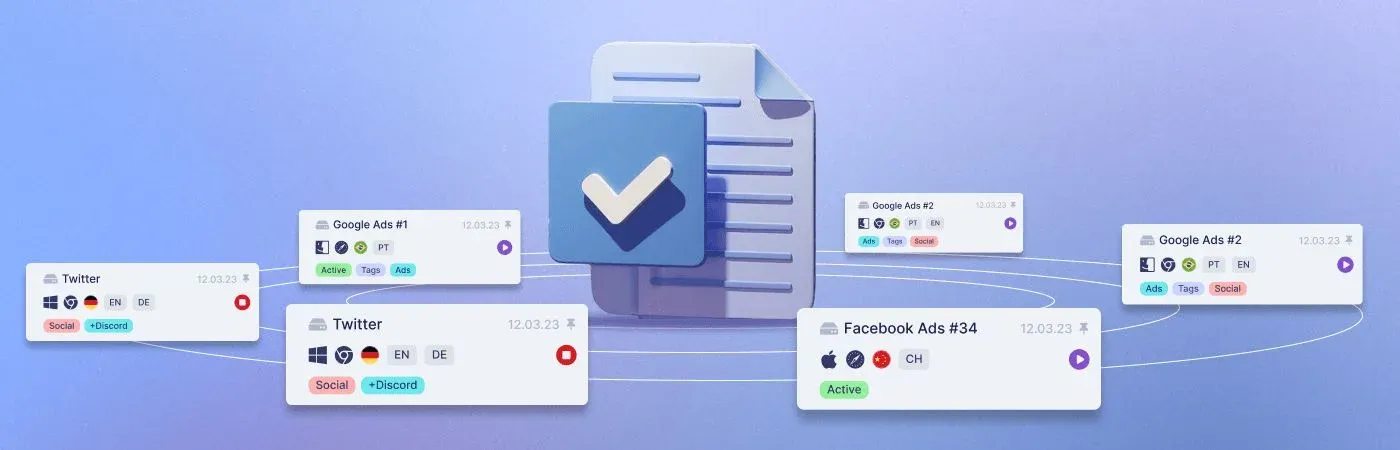
Certain trading strategies, such as arbitrage, lead users to open several accounts across different exchanges or even within the same platform. KYC and AML introduce several challenges for this behaviour:
- Duplicate verification: Each account must undergo its own KYC check; platforms often detect overlapping document data and may block repeat registrations.
- Risk of account suspension: Most exchanges prohibit a single individual from holding multiple accounts. If the system discovers identical IP addresses, device fingerprints, or document hashes, it may impose restrictions on all linked accounts.
- Reduced anonymity: By design, KYC diminishes the level of pseudonymity, which can be a point of contention for privacy‑focused participants.
Nevertheless, some technical methods are employed to manage multiple accounts while staying within compliance boundaries:
- Anti‑fingerprinting browsers: Tools that modify digital fingerprints so each account appears to originate from a distinct device.
- Proxy servers: Assigning a unique IP address to each account to avoid correlation through network data.
- VPN services: Adding an extra layer of network‑level anonymity, helping users maintain geographic diversity when handling several accounts from the same jurisdiction.
Common Tools That Support KYC

The following utilities can assist users during the KYC journey:
- Anti‑fingerprinting browsers: Change the device’s digital signature so the exchange perceives each login as coming from a fresh environment.
- Proxies and VPNs: Rotate IP addresses and geographic locations, enabling users to keep network traffic isolated between accounts.
- Document preparation: Before starting KYC, gather valid identification, proof‑of‑address, and any other paperwork required by the platform.
- Third‑party concierge services (not recommended): Some individuals seek assistance from forums or Telegram groups that claim to complete KYC on their behalf. This practice usually breaches exchange terms of service and can expose users to legal and regulatory risk.
Disclaimer: Employing third‑party concierge services may violate exchange policies and could lead to account termination or regulatory penalties. This article provides information only; do not attempt such services without fully understanding the consequences.
Typical KYC Procedure Walk‑Through

Combining the aforementioned tools, a complete KYC operation can be broken down into the following phases:
- Deploy an anti‑fingerprinting browser: Download a specialised browser and create a separate profile for the account, ensuring that each account runs in an isolated environment.
- Connect to a proxy or VPN: Configure the browser to use an IP endpoint located in a different region, preventing the exchange from linking accounts via network metadata.
- Prepare genuine identification: Have a passport, driver’s licence, or other official ID ready, making sure the details match the information requested by the platform.
- Enter registration details: Input name, date of birth, residential address, and other basic data on the exchange’s sign‑up page, then upload the scanned document images.
- Await review: The platform typically completes verification within a few hours to several days. During this window, continue using the same browser‑proxy configuration and avoid switching devices, as doing so may trigger additional checks.
- Post‑verification monitoring: Even after KYC approval, maintain the use of the anti‑fingerprinting browser and proxy/VPN for routine activity to minimise the chance of being flagged for operating multiple accounts.
Closing Thoughts
With regulatory pressure tightening worldwide, KYC has become a baseline admission requirement for crypto exchanges, and it introduces fresh obstacles for users who manage several accounts. Leveraging anti‑fingerprinting browsers, reliable proxies, or VPNs can enhance account security and usability while staying inside the compliance framework. However, any attempt to bypass KYC carries significant legal and platform‑related risks. We hope this guide clarifies the role and practicalities of KYC within the crypto sector. For deeper dives, continue following the content released by Bitaigen (比特根).
Additional notes for a global audience:
- When converting fiat to crypto or withdrawing crypto to fiat, most platforms support transfers in USD via traditional banking rails such as SEPA (for euros) or SWIFT (for international wires).
- U.S. residents should use Binance.US rather than the global Binance platform to remain compliant with local regulations.
- Remember that crypto capital gains may be taxable in your jurisdiction; consult a qualified tax professional to understand your obligations.
💡 Register on Binance with referral code B2345 for the maximum trading fee discount. See Binance complete guide.



