
 Bitaigen Research
 The Bitaigen editorial team believes that NFT gaming has moved from early experiments to a settled ecosystem. This article will explain its core concepts in plain language and trace the technical evolution, helping newcomers quickly understand the key points of asset ownership and gameplay interaction. By reading the following, you will gain a systematic view of the three generational shifts in the industry.
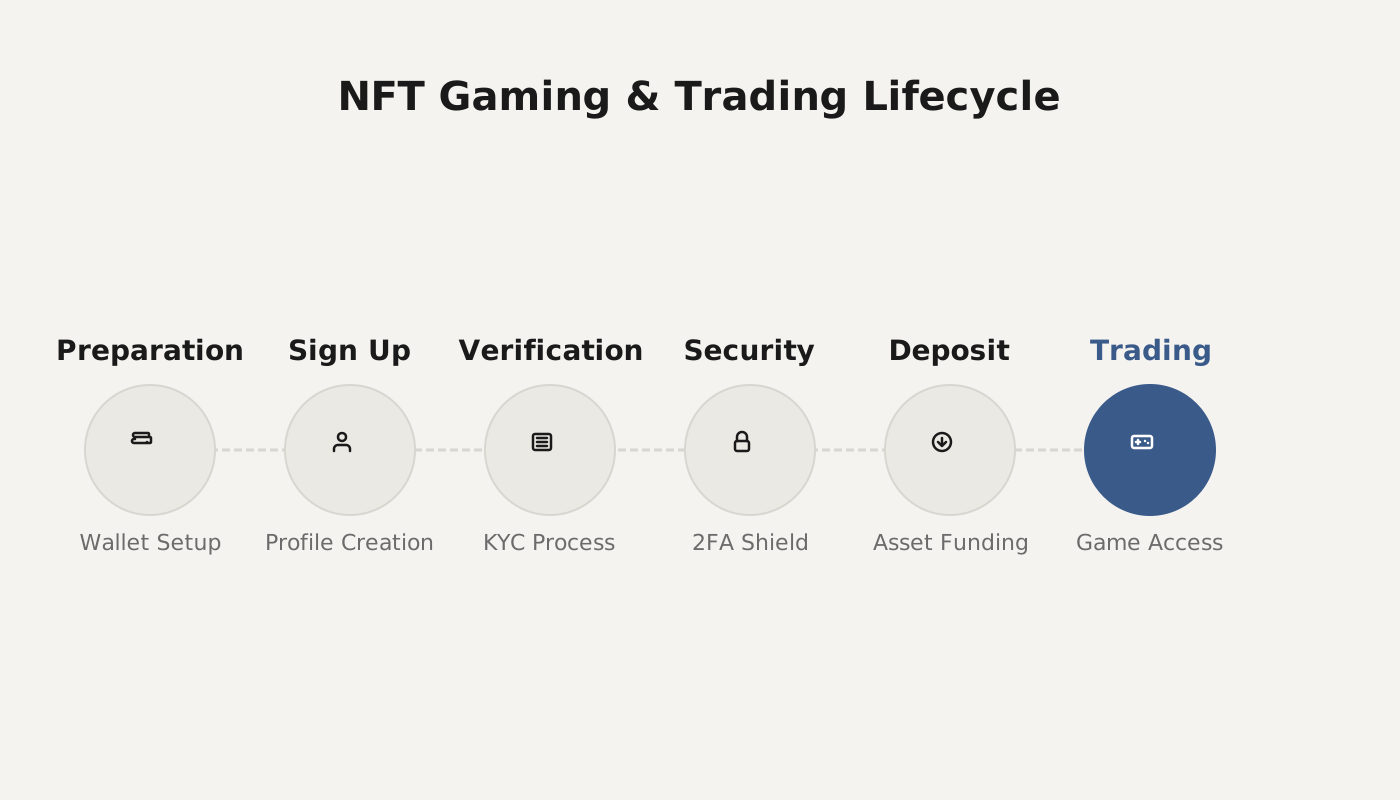
Concept and Core Points of NFT Gaming
In recent months, NFT gaming has repeatedly appeared on trending lists, yet it is not a brand‑new phenomenon that emerged out of thin air. As early as 2017, the first wave of NFT games—most famously CryptoKitties—already drew the attention of both the industry and players to the potential of blockchain for game assets. At its peak, the project consumed roughly 25 % of the Ethereum network’s total traffic, underscoring its impact. For those who have just stepped into the crypto world, the term “NFT game” may have been heard in passing, but its exact meaning can still be unclear. The following plain‑language description will help you quickly build a basic understanding of NFT games.
What Is an NFT Game?
An NFT (non‑fungible token) is a digital certificate that can store unique information. That information may describe a game item’s attributes, an image, or even an entire piece of game content. In other words, every piece of equipment a player acquires, every pet they collect, or even the full installation package of a game can be minted as an NFT on the blockchain, becoming a real asset that cannot be arbitrarily taken by others. Consequently, NFT games combine player‑owned digital assets with the core tools that enable gameplay and value interaction inside the game.
---
Evolution Roadmap of NFT Gaming
Below we review the three development phases of NFT gaming in chronological order, summarizing the characteristics of each generation. For readability, the article presents the third generation (upcoming) first, followed by the second generation (2019‑present) and the first generation (2017‑2019).
Third Generation (Upcoming)
The soon‑to‑launch third‑generation NFT games aim to strike a better balance between game experience and revenue mechanisms. They will approach low‑budget AAA‑level graphics, interaction, and design while still preserving “play‑to‑earn” economic incentives. As production costs converge with those of traditional blockbuster titles, a larger pool of mainstream players and big‑studio developers are expected to enter the NFT space, pushing the entire industry into a rapid‑growth S‑curve phase.
This step means NFT games will no longer rely solely on “making money” to attract users; instead, higher‑quality content will be used to win a broader player base.
Second Generation (2019‑Present)
The second generation centers on the Play‑to‑Earn (P2E) model, seeking to boost long‑term player retention through in‑game token economies. Players can earn tradable tokens or rewards within the game; these assets can be used inside the game or exchanged for fiat (typically USD via SEPA/SWIFT) on public exchanges.
Flagship Titles and Ecosystems
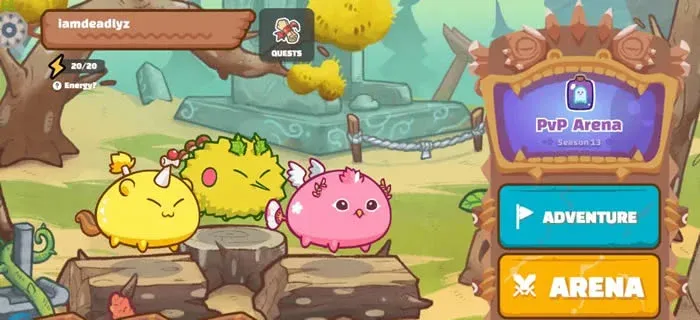
- Axie Infinity: Inspired by *Pokémon*, this NFT game lets players breed, battle, and trade digital pets called Axies in an open universe. Since October 2020, daily active users have surpassed 58,000, and total revenue has topped 7,000 ETH (approximately several hundred million USD at current prices). The game offers multiple earning avenues, including daily quests, PvP/PvE combat, land‑resource yields, and dividends from the governance token AXS.
- Gods Unchained: The first NFT‑based online trading‑card game, where players earn digital card packs by completing tasks and can sell them on secondary markets for ETH.
- Alien Worlds: A browser‑based simulation where players mine Trilium resources on interstellar plots and compete for dominance.
- Decentraland and The Sandbox: Two prominent sandbox platforms that provide full ecosystems for land purchase, building, and user‑generated content.
Compared with the first generation, these projects show noticeable improvements in playability, visual fidelity, and user‑generated content, though they still lag behind traditional AAA titles in depth of experience.
First Generation (2017‑2019)
The first generation of NFT games revolved mainly around digital collectibles, drawing inspiration from classic online card or pet‑raising games.
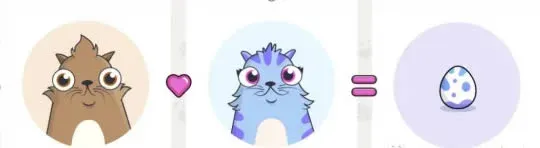
- CryptoKitties: The inaugural Ethereum‑based game, centered on “breeding” virtual cats. Players combine two “parent” cats to produce offspring with unique genetic traits. Its success also highlighted Ethereum’s scaling bottlenecks.
- EOS Knights (EOS platform): An idle RPG where players aim to free villages overtaken by orcs.
- EtherGoo (Ethereum): A competitive idle game where participants strive to accumulate as much “goo” as possible.
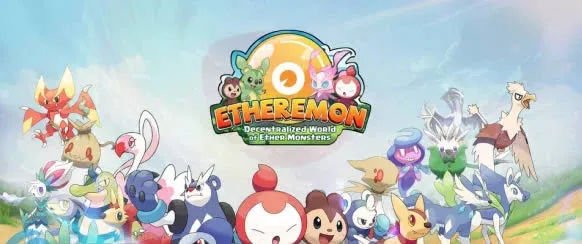
- Etheremon: An Ethereum‑based collection game inspired by *Pokémon*.
These early titles mostly employed a free‑to‑play + transaction‑fee revenue model. Player interaction was largely passive, based on time‑based collection, and lacked a sustained economic engine. As concerns grew over scarcity and pay‑to‑win dynamics, many projects shifted toward paid‑first models, leading to a decline in activity—CryptoKitties’ downturn being a classic example.
---
Supplemental Notes from an Investment Perspective
NFTs resemble collectibles more than traditional securities, so evaluating them requires deep knowledge of specific market segments. Early entry, active participation in games, digital art, domain names, and other niches can help capture shifts in demand. Beyond the NFT itself, the underlying project—including its token‑economics model—remains a crucial factor when assessing value.
For a more comprehensive overview of NFT gaming, feel free to follow the upcoming specialty articles from Bitaigen.
*Note: In many jurisdictions, profits derived from the sale or exchange of crypto assets may be subject to taxation. Users should consult local tax regulations or a qualified professional.*
💡 Register on Binance with referral code B2345 for the maximum trading fee discount. See Binance complete guide.



