
 Bitaigen Research
 We approach the topic from a hands‑on perspective, systematically outlining the hidden risks associated with Gas fees and the covert techniques used by malicious contracts. We provide practical defensive steps and emergency procedures to help users save money and stay safe when operating on‑chain. If you want to learn how to spot traps before a transaction and quickly cut losses afterward, keep reading.
Introduction
In the blockchain ecosystem, every on‑chain action incurs a Gas fee—the network’s fuel, yet it is also a frequent target for bad actors. From silently moving assets via “unlimited approvals” to hijacking Gas fees so users bear costs far beyond expectations, these risks are becoming increasingly stealthy. Unlike traditional phishing, such attacks often masquerade as ordinary actions like “granting permission,” “minting an NFT,” or “participating in DeFi mining.” They exploit users’ unfamiliarity with contract details, silently draining or stealing funds. To help you recognize these covert tactics, the ZeroTime Technology security team has combined years of hands‑on experience with existing blockchain security education, focusing specifically on Gas fees and transaction safety. We break down common traps, offer actionable defense measures, and list emergency handling procedures for compromised assets.
Part 03 – Asset Loss Handling and Tool Recommendations
Even with solid prevention, occasional mistakes or sophisticated attacks can still strike. In such moments, a swift and accurate emergency response can contain losses as much as possible. Based on real‑world cases, the ZeroTime Technology security team has distilled a “three‑step golden process” and compiled a few trustworthy security tools.
1. Emergency Handling – Three Steps (Critical 10‑Minute Window)
- Immediately freeze and revoke approvals
Upon detecting an abnormal transfer or unusually high Gas fee, use your wallet’s “pause transactions” or “freeze” feature to stop further activity. Then open the approval‑management panel and batch‑revoke any suspicious contract permissions, cutting off the flow of funds.
- Preserve evidence and report
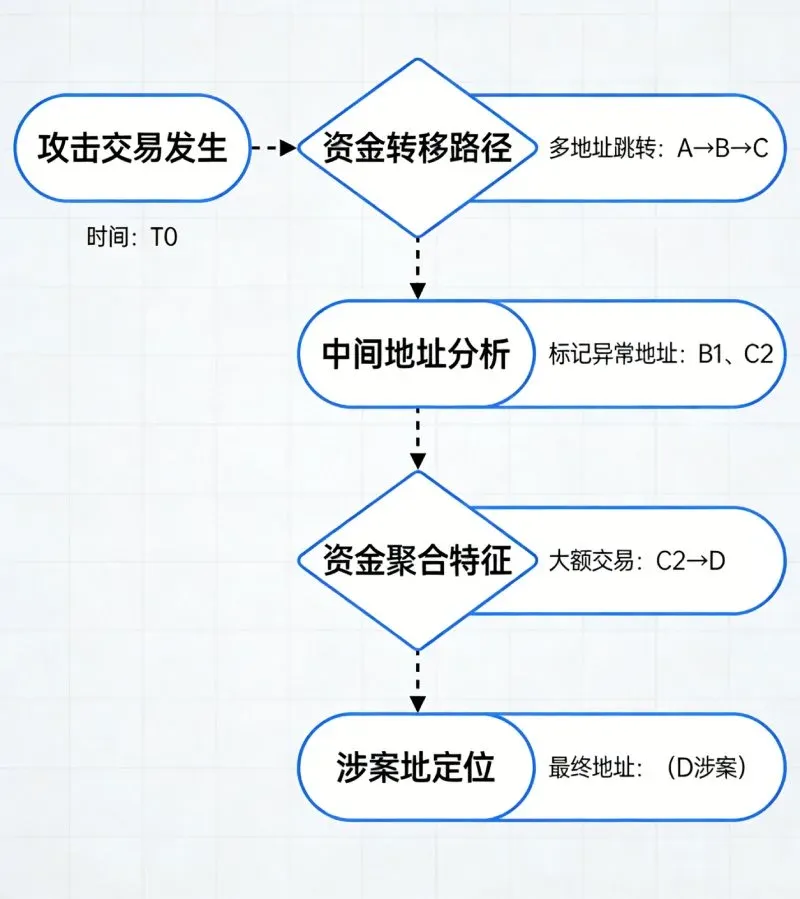
Screenshot and save key data such as the transaction hash (TxID), malicious contract address, approval records, and the DApp URL you accessed. Mark the transaction as “suspicious” in a block explorer, and submit a report to your wallet provider and the implicated DApp platform, requesting assistance in blocking the activity.
- Seek professional assistance
If the amount involved is substantial, promptly contact a reputable blockchain security firm (e.g., ZeroTime Technology) and provide the full evidence chain. Security experts can leverage on‑chain tracing techniques to follow the fund flow and help coordinate with law‑enforcement agencies to attempt freezing the compromised address’s assets.
2. Recommended Core Blockchain Security Tools
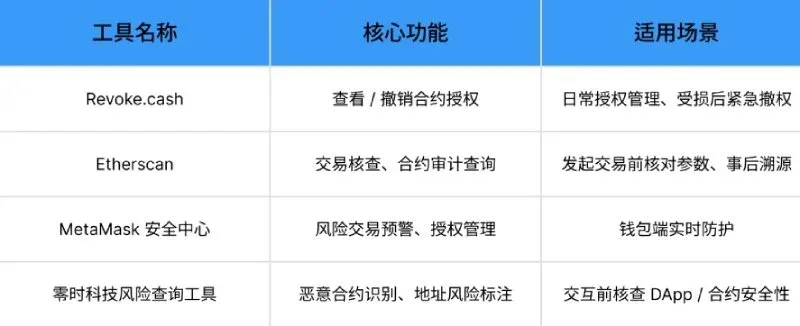
To raise everyday security hygiene, the following four tools cover approval management, transaction review, and risk alerts. All are widely recognized as reliable solutions in the industry:
3. Common Mistakes in Incident Handling (Pitfall Guide)
- Mistake 1: Paying a “unlocking fee” in hopes of recovering assets
Attackers often demand tokens under the pretext of “freezing the compromised address.” This is a secondary scam—stay vigilant and refuse any such payment.
- Mistake 2: Deleting the wallet outright to avoid future trouble
Deleting a wallet does not revoke contract permissions already granted; the attacker can continue draining assets. The correct approach is to first revoke approvals, then reset or back up the wallet as needed.
- Mistake 3: Ignoring on‑chain tracing
Individual investigators rarely have the capability to fully trace large‑scale fund movements. Professional security firms and law‑enforcement agencies possess the necessary tools—do not abandon your right to restitution by acting alone.
Part 02 – Wallet Security Settings and Preventive Measures
Mitigating Gas‑related and transaction‑security risks hinges on “pre‑emptive control.” Even without deep technical expertise, cultivating good habits around approval management, Gas parameter configuration, and transaction verification can dramatically lower the chance of an attack.
1. Enforce Strict Approval Limits – Adopt the “Minimum‑Necessary” Principle
Approvals are the primary gateway for asset leakage; limiting them cuts risk at its source. Key practices include:
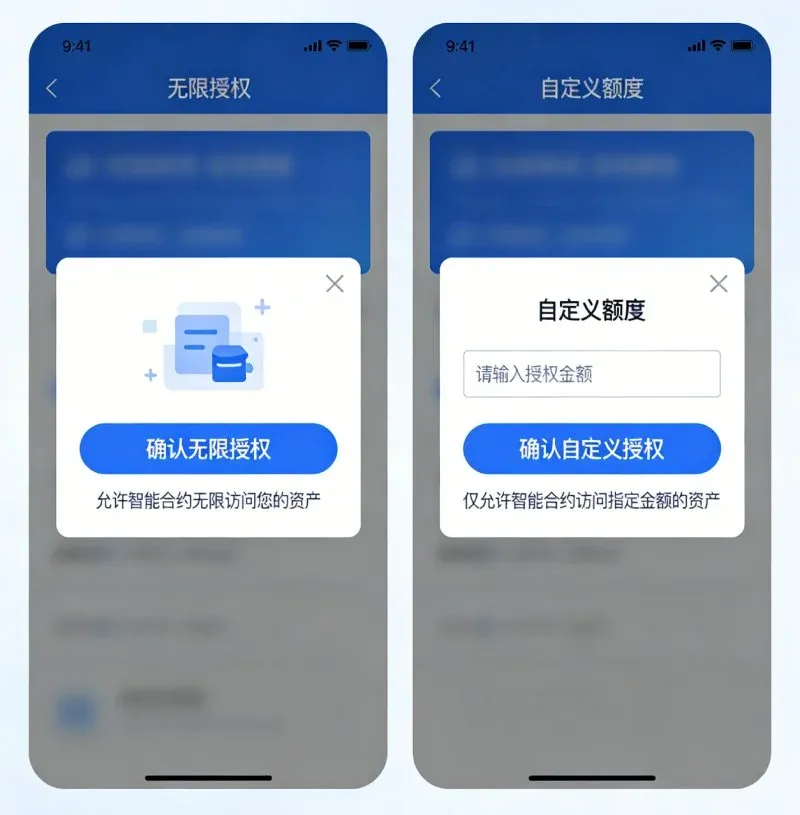
- Never grant default unlimited approvals: Whenever a DApp asks for permission, manually input the smallest amount required. For example, minting an NFT may only need 0.01 ETH, while a simple transfer should authorize just the exact amount for that transaction.
- Revoke immediately after use: Once a temporary interaction finishes, promptly revoke that contract’s approval. For reputable DApps you use regularly, schedule periodic reviews to withdraw any permissions that are no longer needed.
2. Fine‑Tune Gas Settings to Prevent Hijacking
Taking charge of Gas parameters is essential for defending against Gas‑fee hijacks:
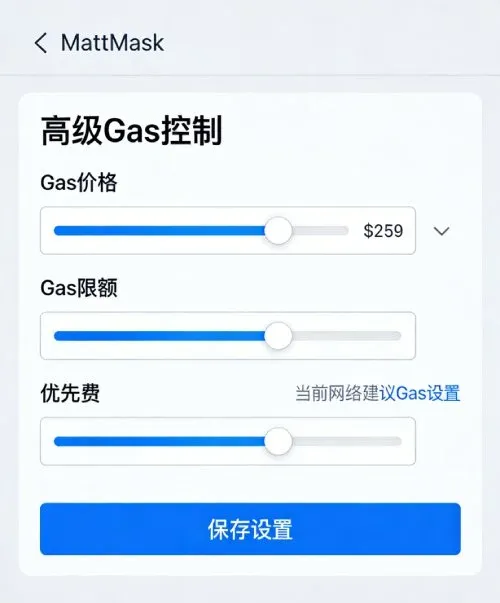
- Enable advanced Gas management: In mainstream wallets such as MetaMask, TokenPocket, and others, turn on “Advanced Gas Control” and set your own Gas price and limit instead of relying on the front‑end UI.
- Reference real‑time on‑chain data: Before submitting a transaction, consult explorers like Etherscan, Arbiscan, or similar services to see the current average Gas price. Reject any quote that appears dramatically higher than the network norm.
- Avoid peak‑traffic periods: During high‑demand events—such as popular NFT mints or major on‑chain governance votes—postpone non‑essential actions or switch to a Layer‑2 solution. This reduces both fees and exposure to manipulation.
3. Build a Transaction Safety Net – Eliminate Basic Traps
Each transaction should undergo a “three‑check” verification:
- Validate core details: Ensure the contract address, transaction amount, and Gas parameters shown in the confirmation popup match your expectations. Terminate the process immediately if anything looks off.
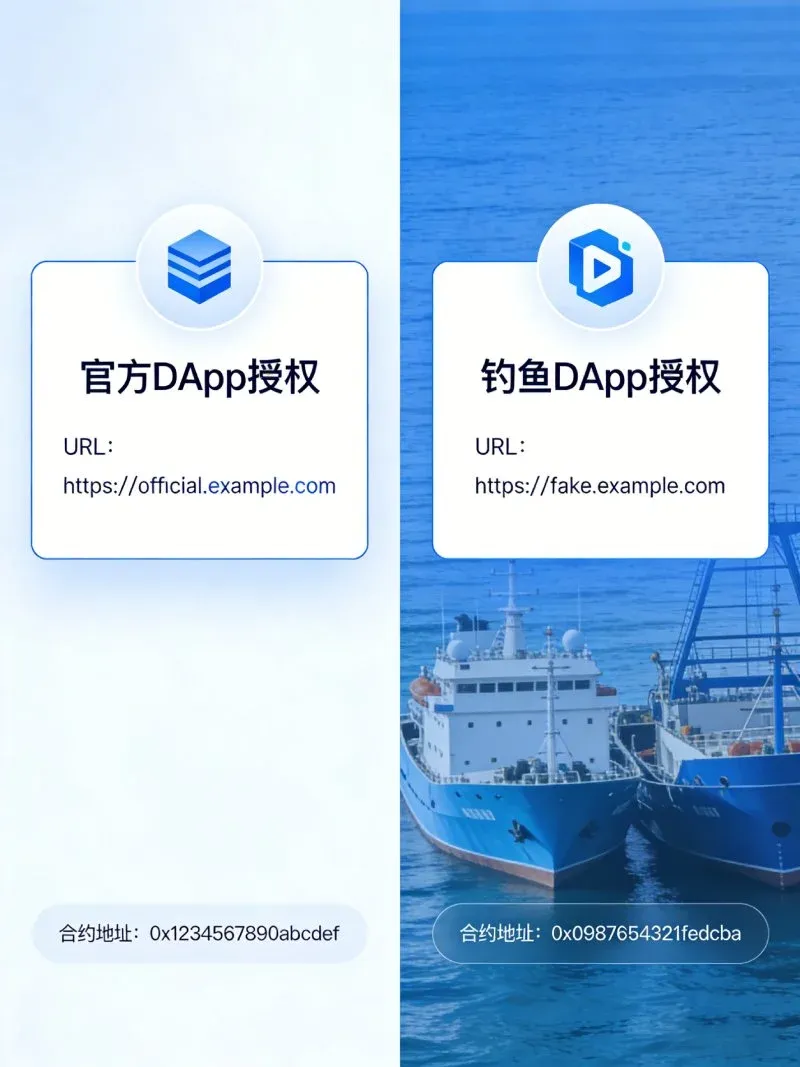
- Confirm DApp authenticity: Access DApps only through official channels (official website, verified blue‑check social accounts). Verify the site’s SSL certificate and cross‑check the displayed contract address against trusted sources; never click unknown links.
- Layered asset storage: Adopt a “dual‑wallet strategy.” Keep a small amount of assets needed for daily interactions in a hot wallet, while storing the bulk of your holdings in a hardware or cold wallet. This isolates the majority of your funds from on‑chain threats.
Part 01 – Common Gas Fee and Transaction Security Traps
Gas fees act as the “ticket” for on‑chain transactions, and their security directly impacts the safety of user assets. Attackers exploit gaps in users’ understanding of Gas mechanics and contract approvals, crafting a variety of traps that appear to be normal interactions. These can be grouped into three main categories.
1. Unlimited Approvals
Concept: When interacting with a smart contract, a user unintentionally grants the contract “unlimited” permission to spend a particular token type.
Mechanism: After clicking the “Approve” button in a DApp, if the user does not scrutinize the allowance amount, they may sign a transaction that lets the contract move any amount of that token from the wallet at any time.
Typical Scenario: In niche NFT mints, unaudited DeFi liquidity mining programs, or obscure DEX trades, malicious contracts often pre‑select unlimited approval, prompting users to confirm quickly. The contract later siphons assets in bulk.
2. Gas Fee Hijacking
Concept: Attackers manipulate a contract or tamper with front‑end data so that users pay Gas fees far above normal levels, sometimes diverting the paid Gas directly to the attacker’s benefit.
Mechanism
- Front‑end tampering: The malicious DApp alters the Gas price or Gas limit to an extreme value when the user initiates a transaction.
- Contract‑level infinite loops: The contract contains code that creates an endless loop, continuously consuming Gas until the user‑specified Gas limit is exhausted. The transaction fails, but the consumed Gas is still deducted.
Typical Scenario: A user follows a non‑official link to join a hot NFT whitelist mint, confirms the transaction, and watches their wallet lose ETH equivalent to dozens of times the normal Gas cost, without receiving the expected NFT.
3. Fake Approvals / Fake Transactions
Concept: Attackers forge approval or transaction pop‑ups, luring users into signing altered data that transfers assets or grants wallet control.
Mechanism
- Phishing pathway: Victims click a link in a phishing email, Discord DM, or social‑media ad that masquerades as an official source, landing on a site that closely mimics the real DApp.
- Spoofed request: The counterfeit site displays an approval window that appears to be “authorizing token usage for a trade,” but the underlying data has been rewritten to send the assets directly to the attacker’s address.
Typical Scenario: A user receives a private message stating “Your wallet is at risk; immediate authorization required.” After clicking, they authorize, paying an unusually high Gas fee, and their major tokens are instantly emptied.
Conclusion
Gas fees and transaction security form the first line of defense for anyone using blockchain services. Techniques such as unlimited approvals and Gas‑fee hijacking exploit users’ optimism and lack of technical detail. When interacting with any DApp, consistently apply the three core principles: “minimum necessary approval, cautious transaction verification, and rapid incident response.” Doing so will significantly reduce exposure to these threats. We hope this guide raises your awareness and equips you with practical safeguards. For more tips on Gas fees and transaction safety, search for previous Bitaigen (比特根) articles or follow the related links below. Thank you for supporting and following Bitaigen (比特根)!
Related Reading
- Bitcoin Mining: Validate Transactions and Secure Blockchain
- Understanding Cross-Chain Bridges: Types, Security Risks & Mitigations
- Blockchain Gas Fees Explained: How They Work & Why It Matters
💡 Register on Binance with referral code B2345 for the maximum trading fee discount. See Binance complete guide.



