
 Bitaigen Research
 In the cryptocurrency world, price volatility is the norm, but stablecoins are specifically designed to resist such fluctuations, with their price constantly pegged to a fiat currency.
A stablecoin is a crypto asset that is 1:1 backed by a fiat currency. Common examples include USDT, USDC, BUSD, DAI, and others, with USDT being the most widely used.
In this article we outline the main categories of stablecoins, the mechanisms that power them, and typical use‑cases. We also provide a step‑by‑step guide on how to purchase them safely. By comparing centralized and decentralized solutions, readers can quickly determine which stablecoin best fits their needs. Later sections contain practical operating instructions, so a thorough read is recommended.
What Is a Stablecoin? Which Stablecoins Exist?
The core characteristic of a stablecoin is that its price is anchored to a fiat currency, the vast majority being pegged to the US dollar. Their primary purposes include trading, remittance, hedging, and cross‑border settlement. Unlike other digital assets, a stablecoin’s value remains relatively fixed, typically around 1 USD.
Fiat‑Reserve (Centralized) Stablecoins
- USDT (Tether)
- USDC (USD Coin)
- BUSD (Binance USD)
These tokens are issued by companies that hold fiat cash or government bonds as reserves, offering price stability and abundant liquidity.
Decentralized Collateralized Stablecoins
- DAI (issued by MakerDAO)
These coins are over‑collateralized with crypto assets such as ETH or WBTC. While they enjoy decentralization, they are still exposed to the price movements of the underlying collateral.
Algorithmic (Uncollateralized) Stablecoins
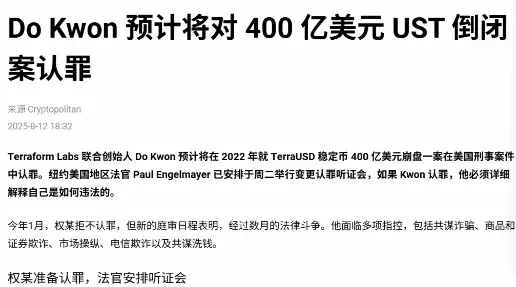
- UST (now collapsed)
Algorithmic stablecoins do not rely on reserve assets; they carry extremely high risk and can easily lose their peg.
Which Stablecoin Has the Largest User Base?
USDT (Tether) is the stablecoin with the biggest user base among fiat‑reserve, centralized tokens. Its market capitalization is the largest in the world, exceeding $100 billion.
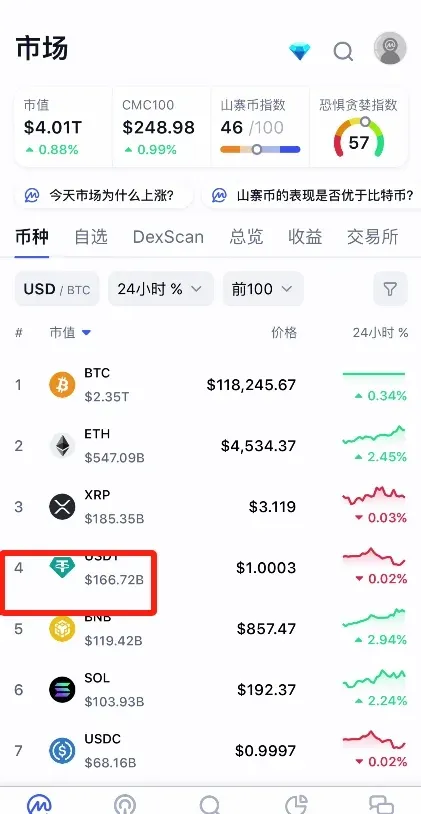
- Multi‑chain coverage: USDT is available on major public blockchains like Ethereum, Tron, BSC, Solana, Polygon, and others.
- Strongest liquidity: It is the default choice on both centralized exchanges and over‑the‑counter (OTC) markets, making buying and selling seamless and supporting the widest range of trading pairs.
- Highest acceptance for cross‑border transfers: USDT is the most frequently used token in OTC trades and international remittance services.
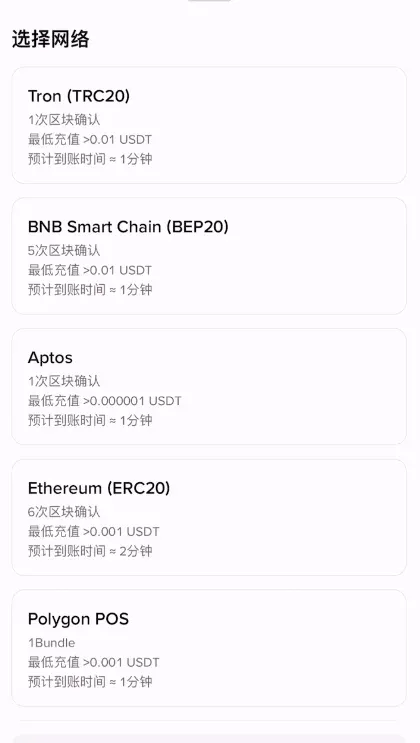
In the authoritative CoinMarketCap stablecoin market‑cap ranking, USDT’s share is far ahead of its peers.
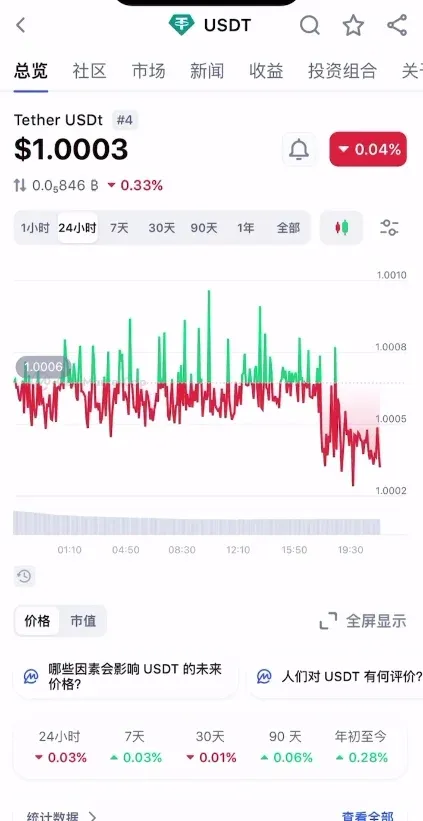
Therefore, when funding an account, prioritising USDT is the most convenient option. However, to mitigate risk, it is advisable to diversify large sums across several stablecoins rather than holding a single token.
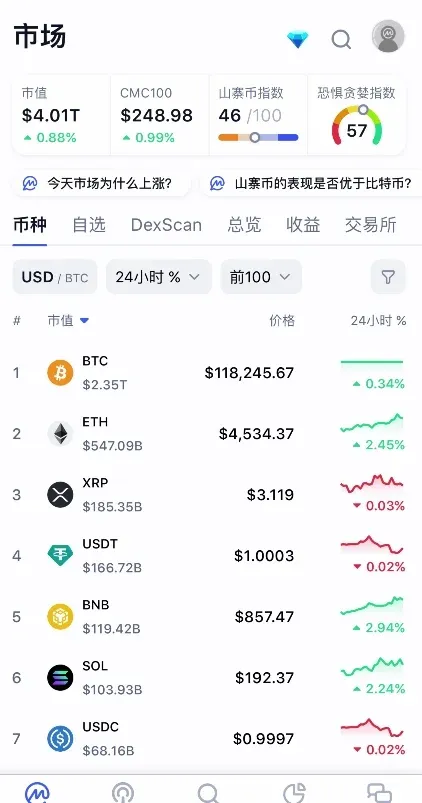
Top Ten Stablecoins in 2025
The stablecoin ecosystem in 2025 is more diverse, encompassing fiat‑backed, synthetic, commodity‑backed, and hybrid models. The table below summarises ten noteworthy stablecoins and their key attributes:
| # | Stablecoin | Type | Peg Asset | Primary Yield Source | Typical Use‑Case |
|---|---|---|---|---|---|
| 1 | **USDT** | Fiat‑reserve | USD and equivalent assets | Trading & liquidity provision | Global payments, cross‑border remittance |
| 2 | **USDC** | Fiat‑reserve | USD / US Treasury bonds | DeFi yield | Institutional payments, compliant trading |
| 3 | **USDE** | Synthetic | Crypto assets (ETH, BTC) | Delta‑neutral hedging returns | High‑yield DeFi |
| 4 | **DAI** | Collateralized | ETH, WBTC, stETH, etc. | DSR interest | Decentralised finance |
| 5 | **USD1** | Fiat‑reserve | Short‑term US Treasuries | Corporate payments | Institutional clients |
| 6 | **PYUSD** | Fiat‑reserve | USD / Treasury bonds | 3.7 % annual yield | Mainstream consumption, PayPal ecosystem |
| 7 | **RLUSD** | Fiat‑reserve | USD / Treasury bonds | Enterprise settlement | Cross‑border corporate payments |
| 8 | **PAXG** | Commodity‑backed | Physical gold | Gold‑price preservation | Inflation hedge |
| 9 | **EURC** | Fiat‑reserve | Euro | Euro‑denominated DeFi | Euro‑zone payments |
| 10 | **USDD** | Hybrid | TRX, BTC, USDT, etc. | On‑chain staking yields | TRON ecosystem |
1. Tether (USDT) – “The Global Liquidity Engine”
Launched in 2014, USDT’s market cap sits around $159 billion, with daily trading volume often surpassing $80 billion. It is pegged 1:1 to the US dollar, with reserves that include cash, US Treasury bonds, corporate debt, and gold. Multi‑chain support (Ethereum, Tron, Solana, Polygon, etc.) enhances low‑cost transfer flexibility. Although regulatory scrutiny has arisen over reserve transparency, USDT’s deep liquidity continues to make it the default stablecoin on exchanges, DeFi protocols, and P2P markets worldwide.
2. USD Coin (USDC) – “The Compliance Benchmark”
USDC’s market cap is roughly $62 billion. Issued by Circle, it is fully backed 1:1 by cash and US Treasury securities held in segregated accounts at top‑tier custodians such as BNY Mellon and BlackRock. Circle publishes monthly reserve attestations audited by Deloitte, ensuring a high level of transparency. Since its debut in 2018, USDC has been widely adopted by institutional investors, DeFi platforms, and cross‑border payment solutions, benefitting from regulatory licences and a NYSE‑listed parent company that bolster trust.
3. Ethena USDe (USDE) – “High‑Yield Synthetic Stablecoin”
USDE employs a delta‑neutral strategy that pairs long‑term holdings of ETH, BTC, and other cryptos with short‑term perpetual futures to hedge exposure while maintaining a 1 USD peg. By mid‑2025 its market cap exceeded $5.6 billion. Users may lock USDE into a “sUSDE” token that generates an annualised return of about 18 % (range 7 %–30 %). The yield depends on smart‑contract performance, third‑party custodians, and derivatives platforms, introducing counter‑party and technical risk.
4. Dai (DAI) – “The Decentralised Original”
DAI is issued by MakerDAO and relies on over‑collateralised vaults (Maker Vaults) that accept ETH, WBTC, stETH, and other assets. By July 2025 the circulating supply topped 5.3 billion DAI, with a market cap of roughly $5.3 billion. DAI operates entirely on‑chain; users retain self‑custody, no permission is required, and governance is conducted by MKR token holders. Its decentralised nature drives adoption across 400+ dApps, yet extreme market stress can still threaten the collateral value and trigger liquidation events.
5. Word Liberty Financial USD (USD1) – “America‑First”
USD1, launched by WLFI, is pegged 1:1 to the US dollar and backed by short‑term US Treasury bills and insurance cash reserves, custodied by BitGo Trust. It runs on Ethereum, BNB Chain, and Tron, offering fast multi‑chain transfers with zero mint‑or‑burn fees. With a market cap over $2.1 billion, political considerations affect perception, but transparent audit reports have boosted institutional confidence.
6. PayPal USD (PYUSD) – “Everyday Yield Token”
Issued by Paxos Trust and regulated by the New York Department of Financial Services (NYDFS), PYUSD is pegged 1:1 to the US dollar. Its market cap has broken $1 billion, and its biggest advantage is deep integration with PayPal and Venmo, allowing users to purchase, hold, and spend directly within familiar consumer apps. It offers a 3.7 % annual yield and is compatible with DeFi protocols, making it attractive for newcomers and mainstream consumers alike.
7. Ripple USD (RLUSD) – “Enterprise Payment Tool”
RLUSD is issued by Ripple and regulated jointly by NYDFS and Dubai’s DFSA. With a market cap of roughly $413 million, it operates on the XRP Ledger and Ethereum, delivering ultra‑fast, low‑fee payments. While liquidity is modest compared with USDT or USDC, its regulatory compliance and Ripple’s ecosystem position it as a potential digital‑dollar solution for enterprises.
8. Pax Gold (PAXG) – “Your Digital Gold”
Each PAXG token represents 1 ounce of LBMA‑certified physical gold, custodised by Paxos Trust and supervised by NYDFS. Its market cap is about $938 million, with daily trading volume exceeding $100 million. Holders can redeem PAXG for physical gold bars or fiat at any time. The token is available on Ethereum, BSC, Solana, and Arbitrum, combining the intrinsic store‑of‑value of gold with on‑chain liquidity.
9. Euro Coin (EURC) – “European Digital Euro”
EURC, issued by Circle, is pegged 1:1 to the Euro and complies with the EU’s MiCA regulatory framework. Its market cap is around €212 million, and it supports multiple chains including Ethereum, Solana, Avalanche, Base, and Stellar. EURC is suited for Euro‑zone DeFi, cross‑border payments, and corporate treasury operations.
10. USDD – “TRON’s Hybrid Stablecoin”
USDD was introduced by the TRON DAO in 2022. Initially algorithmic, it later shifted to a reserve‑backed hybrid model. Over‑collateralisation using TRX, BTC, USDT, and other assets secures its 1 USD peg, giving it a market cap of roughly $555 million. Users can mint USDD by locking collateral on TRON, or stake USDD directly for up to 20 % annual yields. Liquidity is abundant within the TRON ecosystem, though cross‑chain adoption remains limited.
How to Purchase USDT Stablecoin
1. Register an OKX Account
Official OKX registration link: <https://www.okx.com/> (choose the appropriate regional page)
OKX mobile app download: <https://www.bitaigen.com/binance/download>
⚠️ Tax notice: Crypto gains may be subject to taxation in your local jurisdiction. Please consult a tax professional to understand your obligations.
2. Buying USDT on the OKX App – Step‑by‑Step
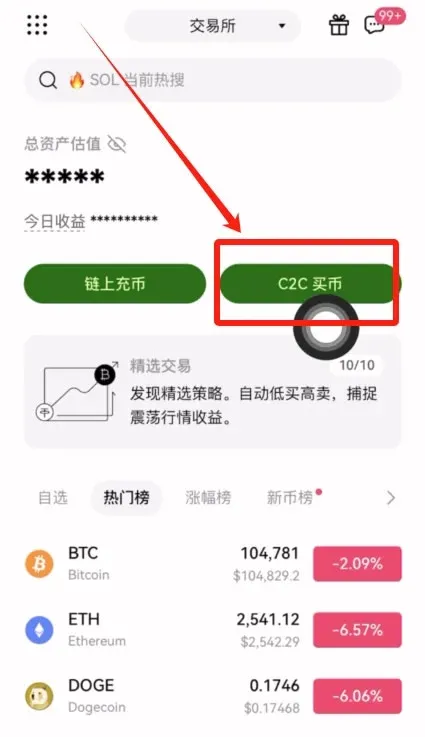
- After completing identity verification, open the OKX APP and tap C2C Buy Crypto on the home screen.
- Choose the C2C tab, click Buy, and pick USDT (1 USDT ≈ 1 USD) from the list. Enter the amount you wish to spend, e.g., ¥500, then hit Confirm and select a payment method (bank card, Alipay, or WeChat Pay).
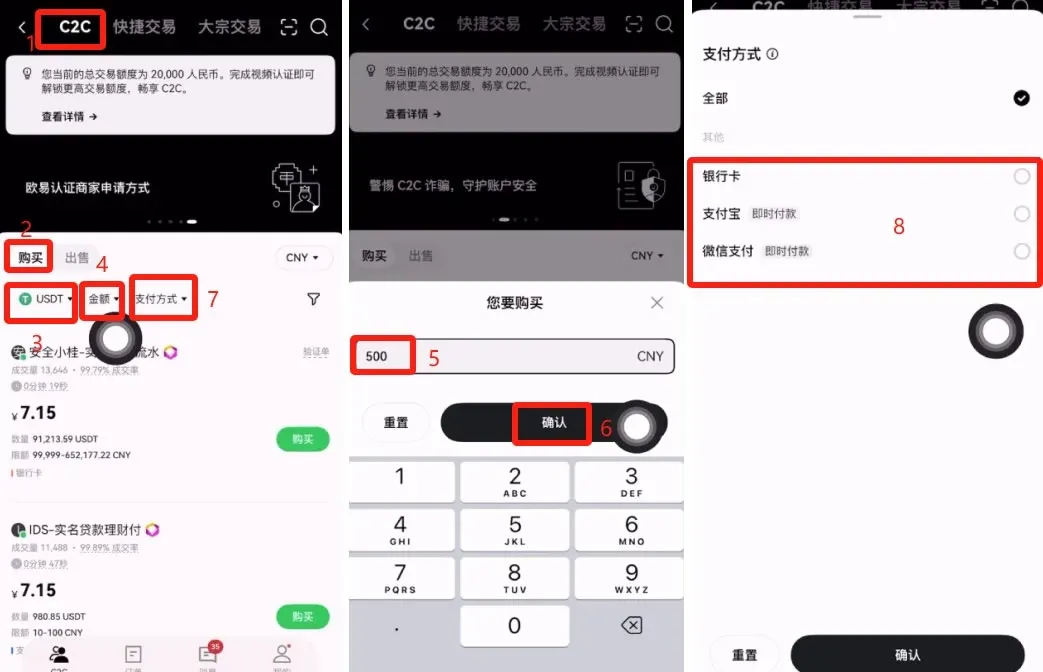
- The system will match you with sellers that meet your criteria. Prefer sellers with high trading volume and excellent ratings, for example “土拔鼠商行” (volume 35,000, rating 99.79 %). Tap Buy next to the chosen seller.
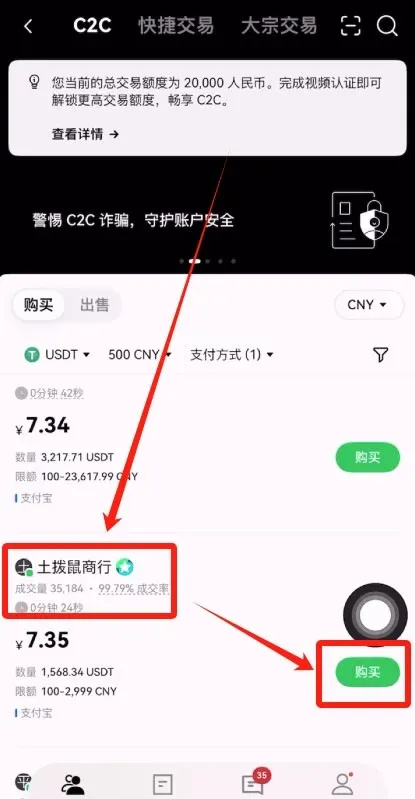
- Confirm the purchase amount again. The platform will display the corresponding USDT quantity (e.g., ¥500 ≈ 68.02 USDT). Click Buy USDT with 0 % Fee.
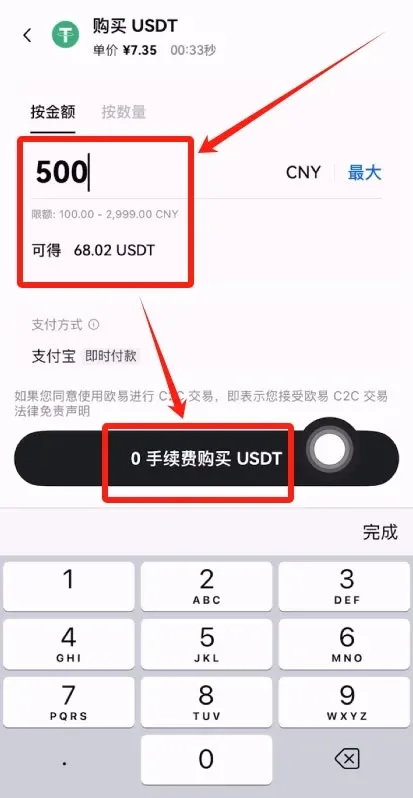
- Tap Get Payment Details to receive the seller’s payment instructions.
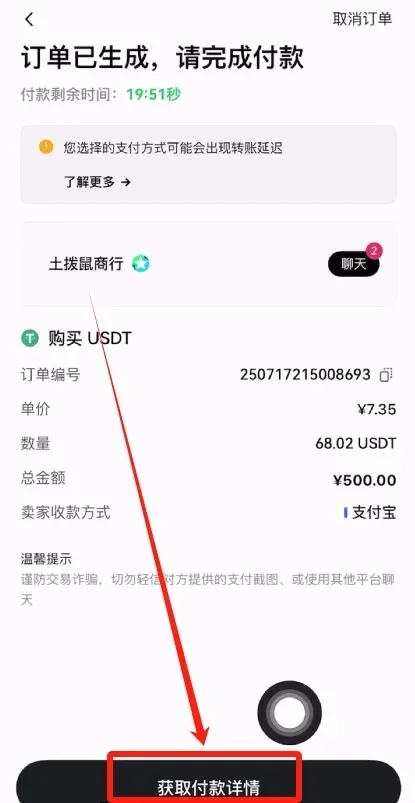
- Transfer the funds using the seller’s preferred method. After payment, click I Have Paid and wait for the seller to confirm and release the USDT.
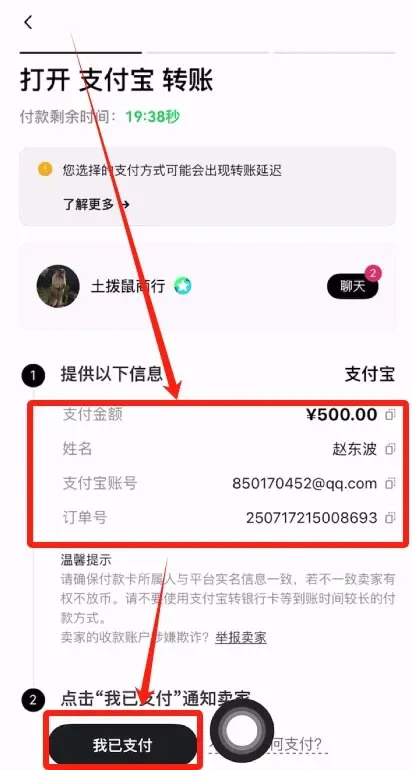
- Once the purchase is successful, USDT will appear under Assets → Funding Account.
 2026‑2030 Price Forecast: Can It Hit $1?
- USDC Explained: The Leading Dollar‑Pegged Stablecoin
- XTER Token Overview & Market Outlook: GameFi’s Rising Star
💡 Register on Binance with referral code B2345 for the maximum trading fee discount. See Binance complete guide.



