
 Bitaigen Research
 What is Tether (USDT)?
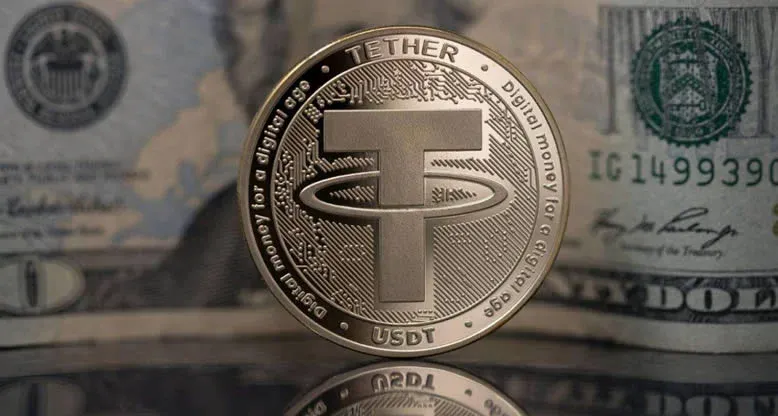
Tether (USDT) is a stablecoin pegged 1:1 to the U.S. dollar, backed by fiat‑currency reserves, built on blockchain technology, and can be freely exchanged on multiple exchanges.
USDT (full name Tether) is a virtual asset that anchors the value of a cryptocurrency to fiat currencies such as the U.S. dollar. The issuer deposits the U.S. dollars backing each token into a foreign‑exchange reserve account to provide a 1:1 reserve guarantee.
Issuance and Development
- In late November 2014, the company Realcoin, originally registered in the Isle of Man and Hong Kong, rebranded as Tether.
- In February 2015, the world’s largest Bitcoin futures platform Bitfinex announced support for USDT trading, and shortly thereafter Poloniex also joined the support list.
- With the rise of the Ethereum ecosystem, Poloniex (P‑Net) took a leading position among alternative‑coin trading platforms, further increasing USDT trading volume.
Technical Protocol
- USDT is issued on the Omni (formerly Mastercoin) protocol, one of the first 2.0 token standards implemented on the Bitcoin blockchain. Consequently, parameters such as transaction confirmation times for USDT are aligned with Bitcoin’s.
Issuance, Redemption and Compliance
- Users can send U.S. dollars via SWIFT wire transfer to the bank account provided by Tether Ltd., or directly exchange Bitcoin for USDT on the Bitfinex exchange.
- To redeem dollars, the reverse operation is performed.
- All fiat‑related actions require completion of KYC (Know Your Customer) verification.
- Craig Sellars, CTO and co‑founder of Tether, states that the fiat reserves are held by Tether Limited and are subject to periodic audits, but a public on‑chain view of the reserve balance has not yet been made available.
Market Position
- At present, USDT ranks first in average daily trading volume among all stablecoins, making it the most liquid anchor asset in the crypto market.
We will systematically examine USDT’s operating principles and core characteristics from three perspectives—concept, issuance history, and underlying protocol—so you can quickly understand the role and risks of this type of stablecoin within the digital‑asset ecosystem. Subsequent sections will explore its practical use cases on exchanges; stay tuned for the next chapters.
Tether Features
- Stable value: USDT converts cash into a digital token, pegged to the price of fiat currencies such as the U.S. dollar, euro, yen, etc.
- 1:1 backing: Foreign‑exchange reserves correspond to each issued token on a 1:1 basis, ensuring that 1 USDT always equals 1 USD.
- Transparency: Reserve data are published daily and undergo professional audits to confirm that circulating tokens match the reserves.
- Blockchain security: Built on blockchain technology, it provides immutable transaction records and highly transparent asset tracking.
- Broad integration: USDT has deep integration with many platforms, including Bitfinex, Shapeshift, GoCoin, and others.
- Compliance and safety: While meeting international compliance standards, it offers industry‑leading security safeguards.
USDT’s core characteristic is its parity with the U.S. dollar (1 USDT = 1 USD), allowing it to serve as a store‑of‑value tool in the highly volatile cryptocurrency market.
The above provides a detailed explanation of “What is Tether USDT? Tether features.” For more related information, please follow other articles on Bitaigen (比特根).
Related Reading
- BeaoCoin (BEC): Emerging International Meme Coin
- Lightning Network: Off‑Chain Scaling for Bitcoin
- Understanding Crypto Mnemonic Phrases: Secure Backup for Your Wallet
💡 Register on Binance with referral code B2345 for the maximum trading fee discount. See Binance complete guide.



