
 Bitaigen Research
 Despite having faced several setbacks throughout its development, Huobi has nevertheless succeeded in building a complete cryptocurrency ecosystem centered on the Huobi ecological chain. The platform’s native token HT and its USD‑pegged stablecoin HUSD are now available in more than 100 countries, serving tens of millions of users worldwide. Huobi supports trading of over 400 digital assets and continuously adds new tokens, offering Web, Android and iOS clients to meet the diverse needs of investors.
This article has been carefully compiled by the Bitaigen editorial team to present the full Huobi deposit workflow and fee structure, helping newcomers get started quickly while avoiding common pitfalls. After you understand the process, you will be able to fund your account with ease; later sections will reveal practical tips, so keep reading.
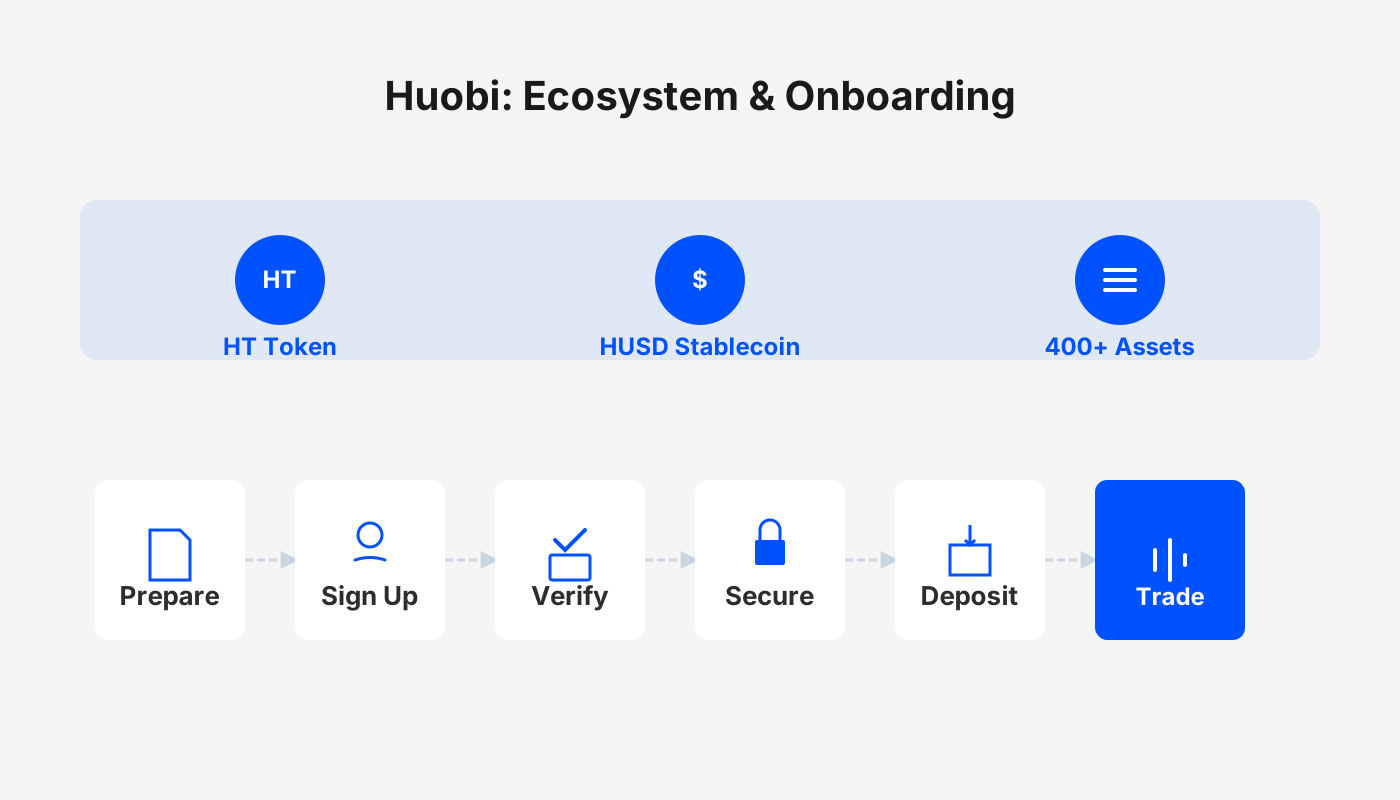
Huobi Exchange Fee Overview
- Trading fee: Huobi charges a 0.2 % fee to market makers and takers whose 30‑day trading volume is between $0 and $5,000,000. This rate sits between Binance (0.1 %) and GDAX (0.3 %). *Note for U.S. users: Binance’s global platform is not available in the United States; you must use Binance.US, which may have a different fee schedule.*
- VIP membership: Since January 2019, Huobi has introduced a tiered fee system. VIP members who hold a certain amount of HT each month can enjoy lower trading fees, with levels ranging from 1 to 5.
- Deposit and withdrawal fees: The platform does not charge any fee for deposits, but withdrawals incur fixed fees and minimum amounts that vary by coin. For example, Bitcoin (BTC) withdrawals cost 0.001 BTC with a minimum withdrawal of 0.01 BTC; USDT withdrawals have a flat fee of 5 USDT with a minimum of 20 USDT; TUSD withdrawals require a minimum of $20 and charge a $2 fee. Overall, Huobi’s withdrawal fees are slightly higher than some competitors, but the exchange compensates with deep liquidity and a wide range of assets.
Tax reminder: Gains from cryptocurrency trading may be taxable in your jurisdiction. Consult a tax professional to understand your obligations.
Huobi Deposit and Digital‑Asset Sale Process
- Visit the Huobi official website. If you do not yet have an account, please click here to register a new account, then click “Log In”.
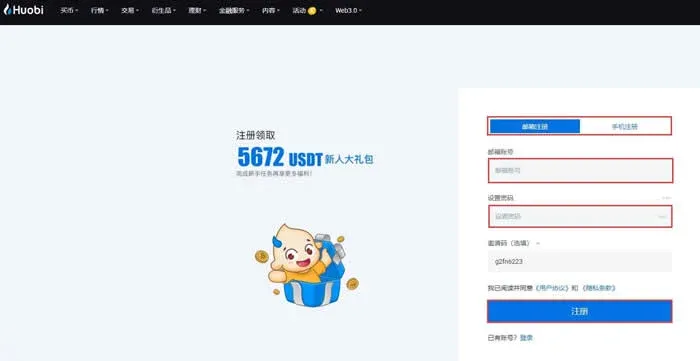
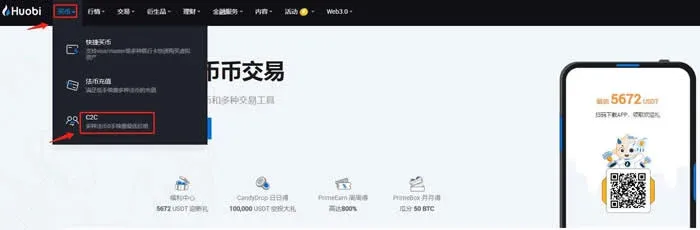
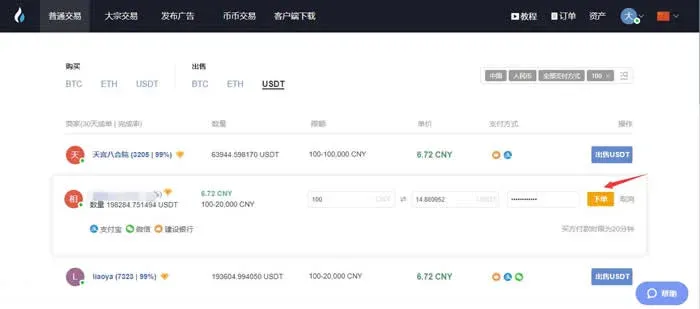
- To sell, you first need to transfer the relevant digital asset into the fiat‑trading wallet. Using USDT as an example, select the coin you wish to sell, choose an advertisement that matches the current quoted price and your preferred payment method, then click “Sell USDT”.
- In the pop‑up window, fill in the amount you want to sell or the corresponding fiat amount, verify the displayed execution price and total, enter your transaction password, and click “Confirm”.
- After the order is created, the system will wait for the buyer’s payment.
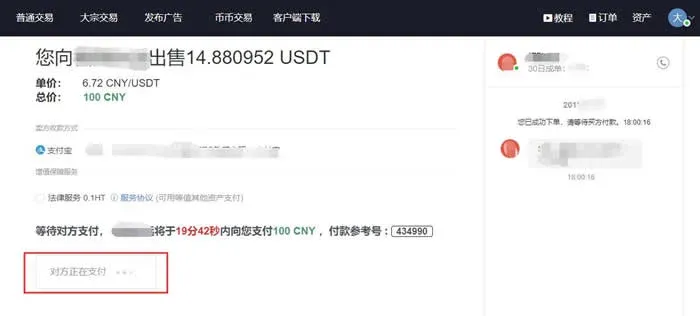
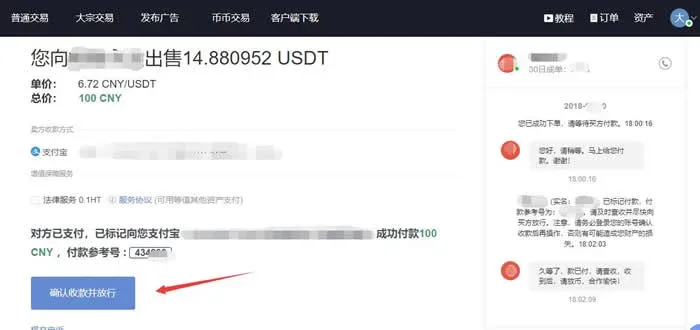
- When the buyer clicks “I have paid”, be sure to verify that the funds have arrived. Once you confirm receipt, click “Confirm receipt and release”.
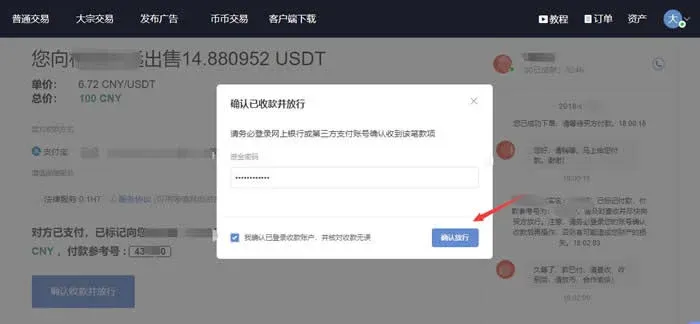
- Enter your transaction password, check the box “I confirm…”, and then click “Confirm release”.
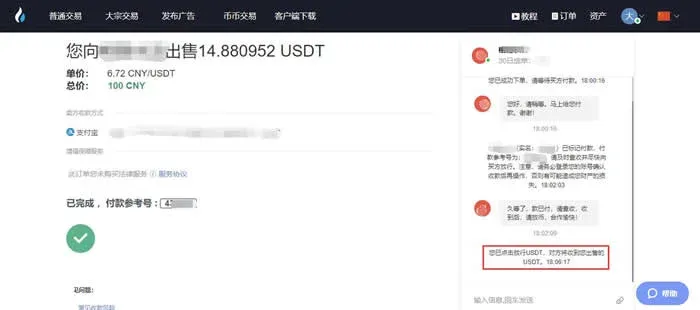
- Once the system completes the release, the digital asset is transferred out and the trade is finished.
Competitive Landscape and Global Footprint
Huobi’s main competitors include Binance, Bitfinex, bitFlyer, Bithumb, Coincheck, Gate.io and KuCoin. After the Chinese government restricted domestic cryptocurrency trading, Huobi withdrew from the Chinese market and instead attracted a broader overseas audience by supporting multiple fiat currencies (including USD, EUR via SEPA/SWIFT) and a variety of payment channels. Leveraging deep liquidity, an extensive list of tradable tokens, and diversified income‑generating products, Huobi has become a key option for experienced digital‑asset traders worldwide.
---
The above constitutes the complete guide to how to deposit on Huobi and the platform’s deposit workflow. For more practical information about Huobi deposits, feel free to explore other articles on the Bitaigen (BitRoot) platform.
Related Reading
- Huobi Review: Security, Credibility & Regulatory Risks
- Pi Network Listed on Huobi: Price Surge & Risks
- Huobi New User Registration & Usage Guide – Step-by-Step
💡 Register on Binance with referral code B2345 for the maximum trading fee discount. See Binance complete guide.



