
 Bitaigen Research
 4. OKX’s Web3 Features
The Web3 module is OKX’s gateway to the decentralized ecosystem. Users can directly engage with DeFi, NFTs, and other emerging sectors through the OKX Wallet, thereby seeking on‑chain asset appreciation.
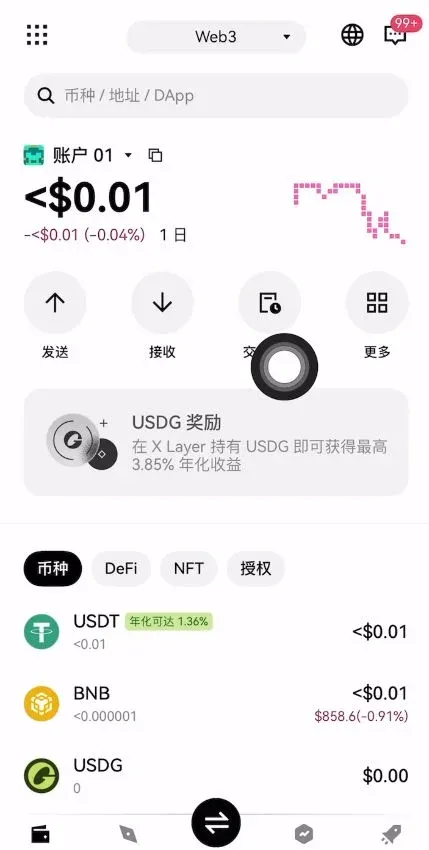
How can users “make money” with the OKX Wallet and related services?
- Trading Profits – After linking the OKX Wallet to the exchange or to external DEXes, you can buy low and sell high, or take long/short positions on perpetual contracts. The price difference directly translates into profit.
- Liquidity Mining & DeFi Yields
- Providing Liquidity – Deposit the tokens you hold into major decentralized exchanges such as Uniswap or PancakeSwap and earn a share of the transaction fees.
- Staking – Lock up PoS‑compatible coins (or other consensus‑based tokens) to receive additional token rewards.
- Lending & Borrowing – Lend assets on DeFi lending protocols to earn interest, or borrow assets for other investment strategies.
- Managed DeFi Products – OKX Wallet embeds a suite of DeFi‑style wealth‑management tools that aim for relatively stable yields.
- Airdrops & Early‑Project Participation – The platform frequently pushes test‑net invitations, airdrop announcements, and other early‑stage project opportunities. Active participation can net free tokens; if the project succeeds, the upside can be significant.
- NFT Trading – The wallet supports NFT storage and display. Users can purchase promising artworks or collectibles on marketplaces like OpenSea or Rarible, then sell after appreciation.
- Node Operation (selected public chains) – Holding the native token of a supported chain may allow you to run a validator or masternode via the wallet, earning block rewards and fee shares. This generally requires a sizable stake and technical know‑how, but it is a long‑term revenue stream.
Risk Warning
- Sharp market swings can erode the value of your holdings.
- Smart‑contract bugs or hacking incidents may result in loss of assets.
- Poor private‑key management, phishing, and other operational risks are always present.
- Regulatory changes in different jurisdictions can reshape the market environment.
>
Before investing, fully understand the nature of each project, assess your own risk tolerance, and accept full responsibility for your decisions.
>
Tax Note: In many jurisdictions, profits from cryptocurrency trading, staking, or DeFi activities may be subject to tax. Please consult a local tax professional to ensure compliance.
---
1. Spot Trading
Spot trading is the most fundamental form of cryptocurrency transaction. It is well‑suited for long‑term holding, carries relatively lower risk, and is often referred to as the “foundation of the crypto world.” The core principle remains buy low, sell high.
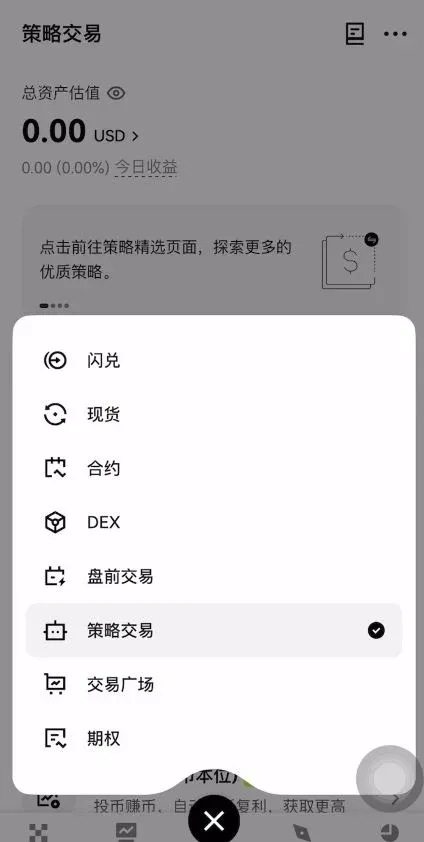
On OKX’s spot market you can buy mainstream digital assets such as Bitcoin (BTC) and Ethereum (ETH) much like you would buy stocks. If you remain optimistic about the sector’s long‑term outlook, you can hold through a bull market and sell when prices rise, thereby achieving capital appreciation. This approach does not demand intensive time commitment and is ideal for users with busy schedules who prefer steady growth.
Price‑Difference Profit – Gaining from Market Volatility
Spot‑market price‑difference profit is generated by the gap between the purchase price and the sale price. For example, buying a coin at $100 and selling it later at $120 yields a gross profit of $20 before fees.
- Buy Low, Sell High – Purchase when prices dip, then sell after a recovery to capture the spread.
- Short‑Term Volatility Arbitrage – Cryptocurrencies often experience large swings within short periods, offering multiple opportunities to execute low‑buy/high‑sell cycles.
How OKX Operates – Supporting Traders While Securing Its Own Revenue
OKX’s earnings are not limited to transaction fees; the platform also benefits from several ancillary streams:
- Risk‑Control Measures
- Margin & Risk Management – Even on spot markets, when you employ leverage the platform requires a minimum maintenance margin. If the market moves against you, you must add margin or face liquidation.
- Stop‑Loss / Take‑Profit Tools – These features help traders limit downside or lock in gains during volatile moves, especially useful for short‑term strategies.
- Market Analysis & Data Services
- Real‑Time Quotes & Charting – Technical‑analysis charts, live price feeds, and other data help users assess trends.
- Price Alerts – Custom notifications for price changes or news on selected assets keep you informed of trading opportunities.
Concrete Ways to Earn
Example 1: Buy Low, Sell High
- Suppose Bitcoin is trading at $25,000. You purchase 1 BTC at $24,000.
- One week later the price reaches $26,000. After selling, deducting fees, you net roughly $2,000 profit.
Example 2: Cross‑Exchange Arbitrage
- Assume OKX lists a token at $100 while another exchange lists it at $105.
- Buy on OKX, transfer the token, and sell on the higher‑priced exchange, pocketing $5 per token. Repeating the process can accumulate noticeable gains.
OKX monetizes trading fees, spread‑related income, and the provision of risk‑control tools. Users generate returns by buying low, selling high, exploiting short‑term volatility, or performing cross‑platform arbitrage. The key is continuous market monitoring, prudent position sizing, and avoiding over‑exposure during sharp swings.
---
2. Futures (Contract) Trading
Futures trading, built around leverage, is a derivative product that lets you amplify small capital into larger exposure. It works well in highly volatile markets, allowing you to profit from both upward and downward price movements, and can also serve as a hedge for spot positions.
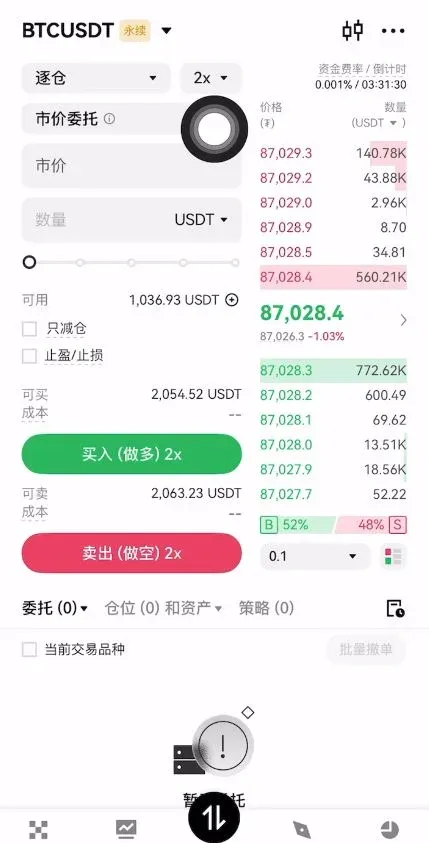
What Is Futures Trading? How Does It Differ From Spot?
- Long (Buy) – You anticipate price appreciation; profit comes from the difference between entry and exit prices.
- Short (Sell) – You anticipate price decline; you profit when the market falls.
- Leverage – A small margin can control a much larger notional position. For instance, using 100 USDT with 10× leverage gives you a 1,000 USDT exposure.
Types of Futures Offered on OKX – Choose the Right Product
OKX currently offers three main contract families:
- USDT‑Perpetual Contracts – Margin is denominated in USDT, settlement is straightforward, making it beginner‑friendly.
- Coin‑Margined Contracts – Use cryptocurrencies such as BTC or ETH as margin.
- Delivery (Expiry) Contracts – Have a fixed settlement date; generally unsuitable for very short‑term trading.
Recommendation for newcomers: start with USDT‑Perpetual Contracts because profit/loss calculations are transparent and risk management is simpler.
Common Mistakes by Beginners and How to Avoid Them
| Common Issue | Remedy |
|---|---|
| Forgetting to transfer funds to the futures account, causing order rejections | Manually move assets from the “Spot Wallet” to the “Futures Wallet.” |
| Using excessive leverage and being liquidated on minor price moves | Begin with ≤ 5× leverage and always pair with stop‑loss orders. |
| Not setting a stop‑loss | Immediately set a stop‑loss after opening a position to prevent forced liquidation. |
| Misunderstanding short‑selling logic and trading in a ranging market | Only short when a clear downtrend is evident; avoid shorting in sideways markets. |
Practical Trading Tips
- Position Sizing – Do not allocate a disproportionate share of your margin to a single trade.
- Stop‑Loss / Take‑Profit as Baseline – Set these parameters as soon as you open a position.
- Paper Trading First – Use the demo environment to familiarize yourself with order types and market behavior before committing real funds.
- Prefer the OKX Mobile App – The app tends to be more stable and offers a cleaner UI.
- If the Web Interface Lags – Switch to a reputable crypto‑navigation portal to place orders without missing market moves.
---
3. Strategy (Algorithmic) Trading
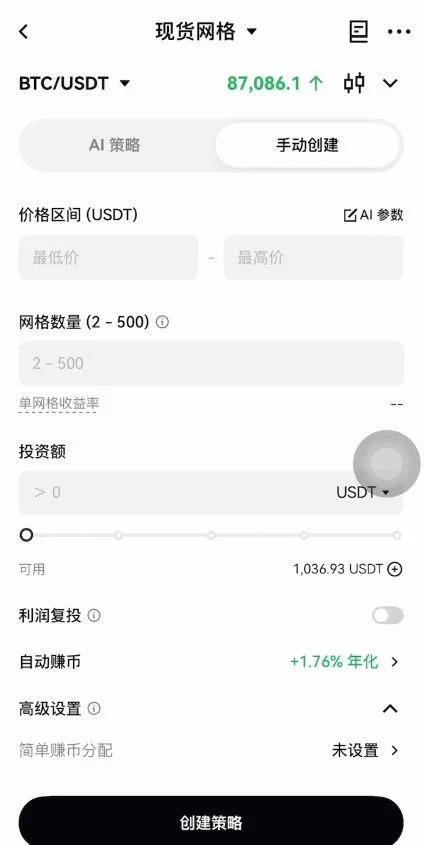
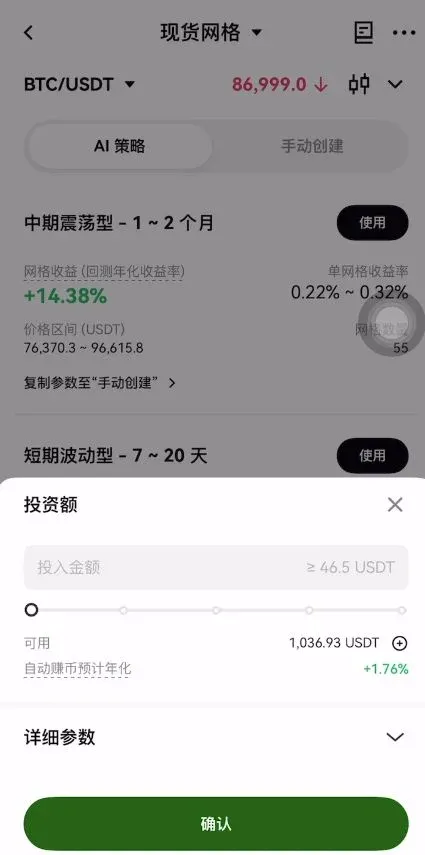
Strategy trading is OKX’s automated service designed for users who prefer a hands‑off approach during sideways or range‑bound markets. By configuring a robot, the system automatically buys at lows and sells at highs, aiming for incremental gains.
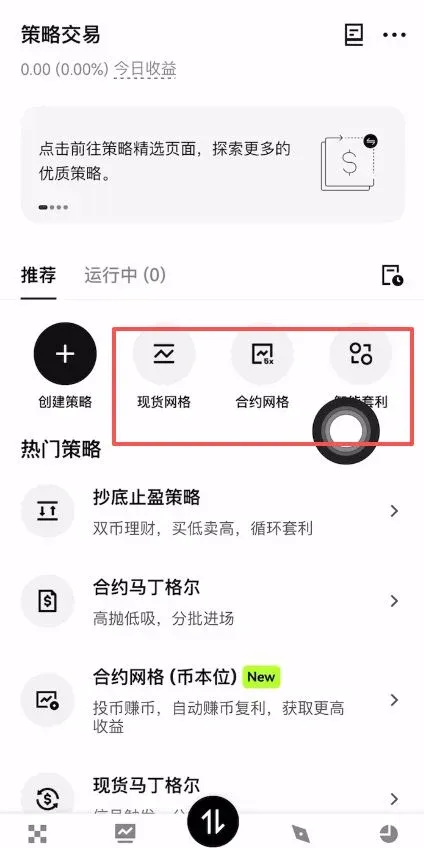
Advantages of OKX Strategy Trading
- Broad Strategy Palette – More than ten variants, including spot grid, futures Martingale, dollar‑cost averaging (DCA), “Stash” (a term for passive accumulation), arbitrage, iceberg orders, and time‑weighted orders.
- User‑Friendly Interface – The platform suggests optimal parameters and provides step‑by‑step tutorials in text, images, and video formats.
- Low Fees – Recent fee‑structure upgrades have made the cost competitive across the industry.
- Robust Security – A world‑class security team offers bank‑level asset protection.
Typical Strategy Categories
- Grid Strategies – Spot grid and futures grid; repeatedly buy low and sell high within a predefined price corridor.
- Signal‑Based Trading – Execute trades based on external signal providers’ recommendations.
- Cost‑Averaging Techniques – Futures Martingale, spot Martingale, and DCA strategies that spread entry points to reduce average cost.
- Combo Arbitrage – “Stash” (a passive accumulation tool) and dedicated arbitrage modules.
- Large‑Order Splitting – Iceberg strategy and time‑weighted orders that conceal true order size to minimize market impact.
Signature Feature
OKX lets users “one‑click copy” seasoned traders. You do not need to develop a strategy yourself; simply select a proven trader’s parameters and the system will mirror their actions in real time.
---
5. OKX Financial Products (Savings & Structured Products)
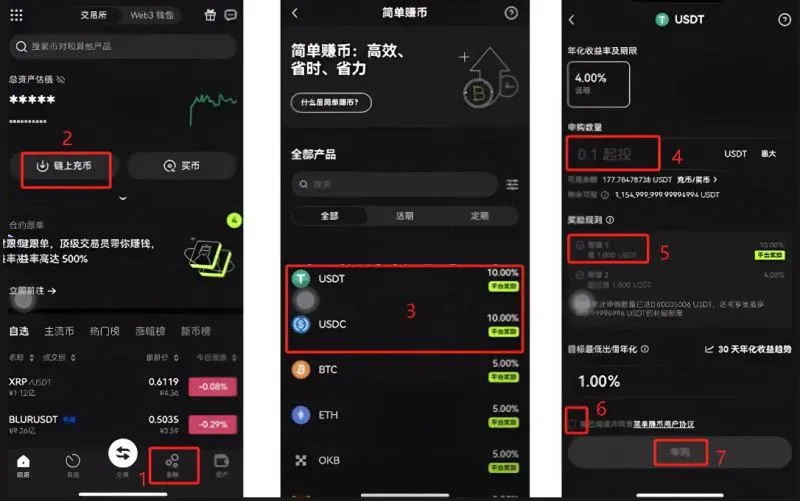
In the “Finance” section, users can allocate stablecoins such as USDT or USDC into “principal‑protected” products that deliver a relatively stable annualized yield.
Overview of Stablecoin Savings Products
- Simple Earn – Accessible via Finance → Simple Earn; the reference annualized rate for USDT/USDC hovers around 10 %. OKX subsidizes the first 1,000 USDT (or USDC) with a 10 % bonus, subject to limited quota.
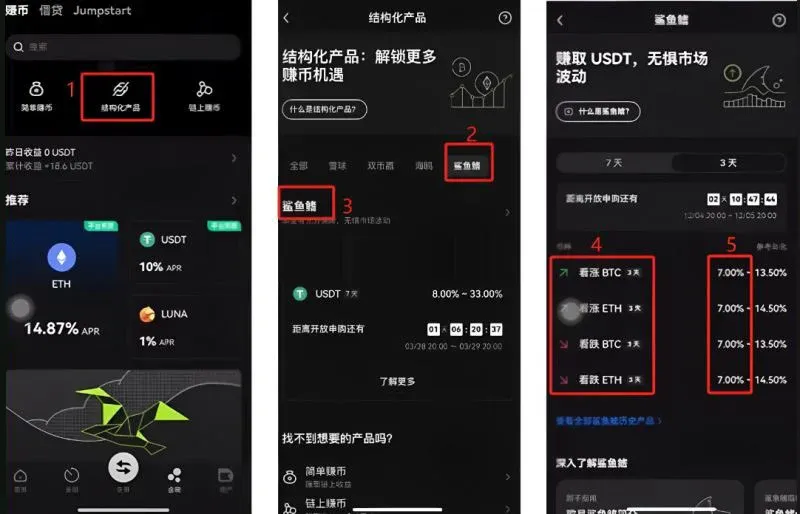
- Structured Product – “Shark Fin” – Offers bullish or bearish exposure on BTC, ETH, and similar assets, delivering roughly 7 % annualized return while preserving the principal. Users can split capital across four directional bets to dilute single‑direction risk.
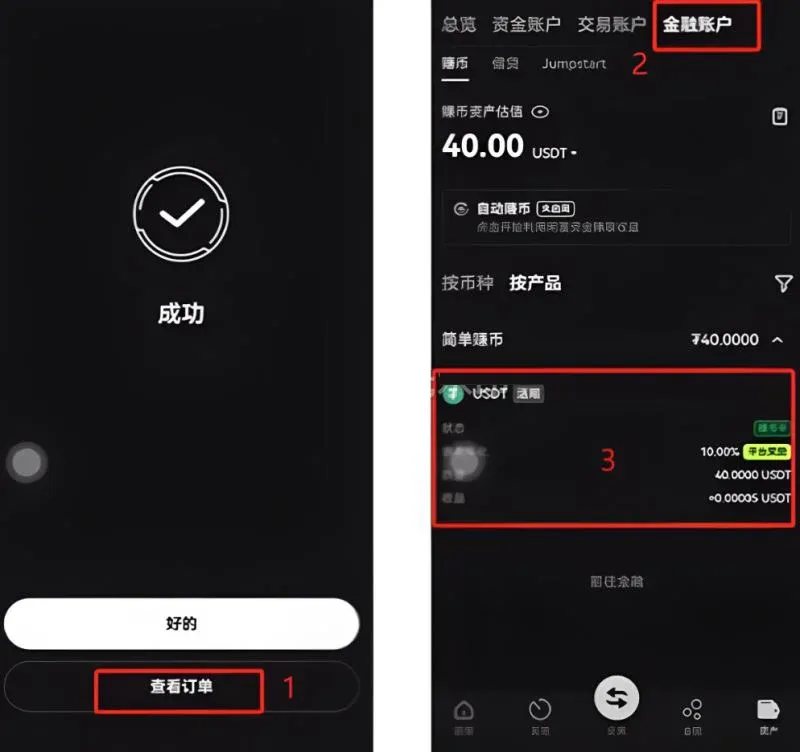
Where Do the Returns Come From?
- Simple Earn – The yield is generated from the platform’s leveraged‑trading loan business. User‑deposited USDT is lent to margin traders; the interest earned is partially rebated to depositors, resulting in the advertised 10 % annual subsidy.
- Shark Fin – This is essentially a double‑short/long options (short‑straddle) strategy. OKX sells both call and put options on the underlying asset, collects the premiums, and distributes those premiums as the product’s return.
Friendly Reminder: All principal‑protected products have quota limits. Actual earnings depend on whether the platform can allocate the required amount of capital within those caps.
---
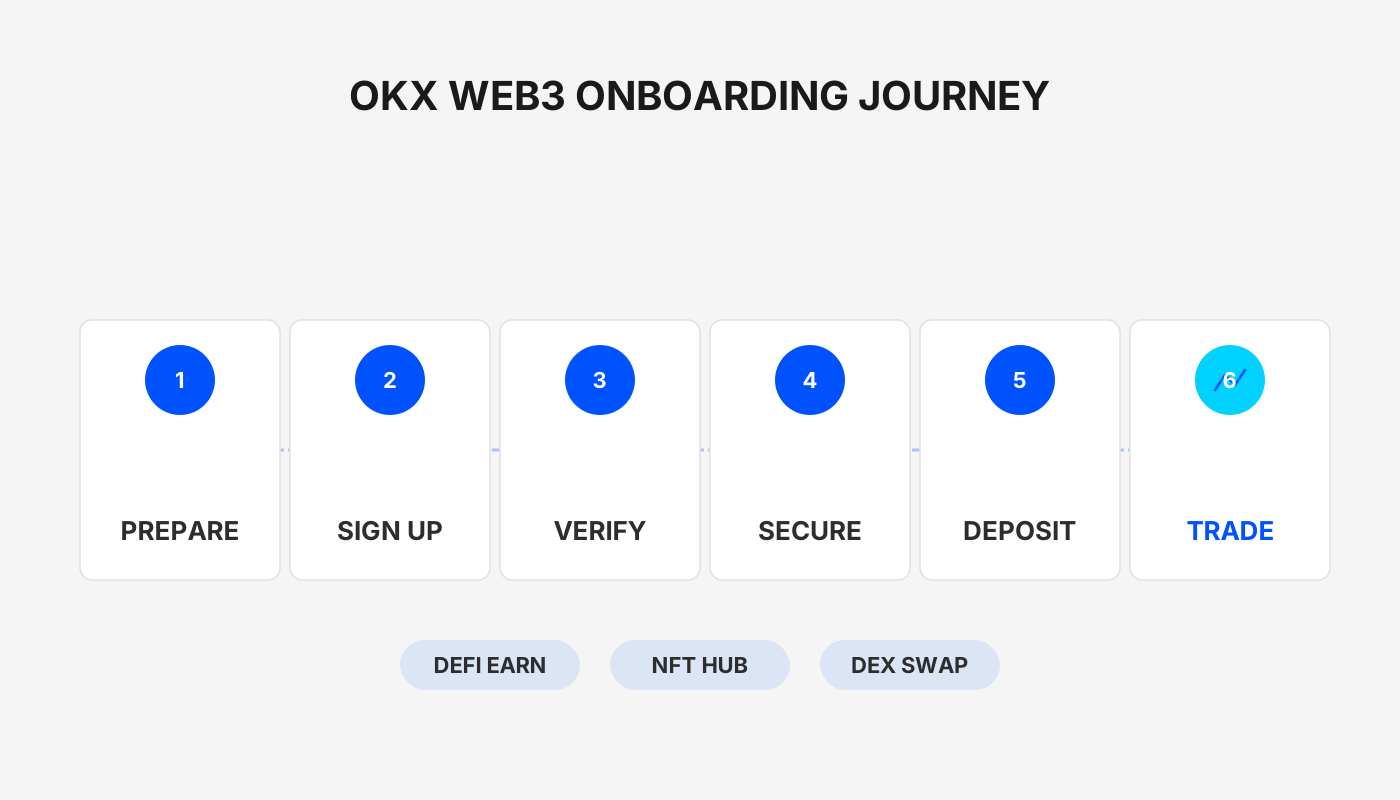
How to Download, Install, and Register on OKX (Exchange + Wallet)
- Invitation Code: B2345
- Official Website: <https://www.okx.com/zh-hans/join/B2345>
- APP Download: <https://www.bitaigen.com/binance/download>
Access to the global OKX APP from mainland China is restricted on the official store. Use the provided redirect link to obtain the APK package safely.
Android Download Steps
- Click the link above, land on the download page, then tap Download.
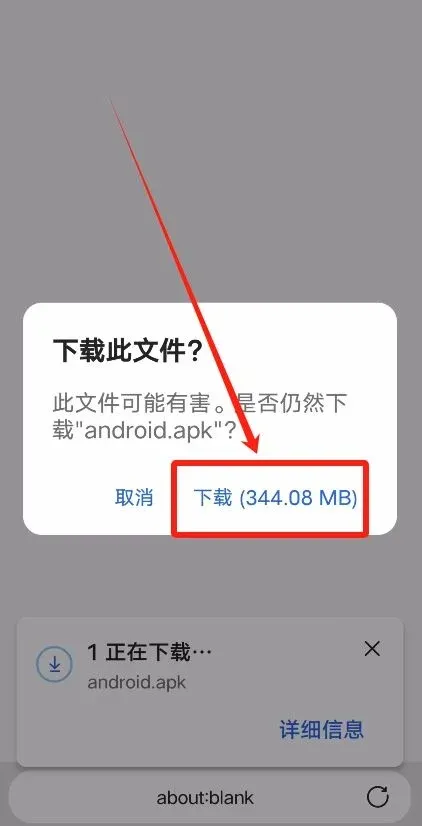
- After the file finishes downloading, open the APK.
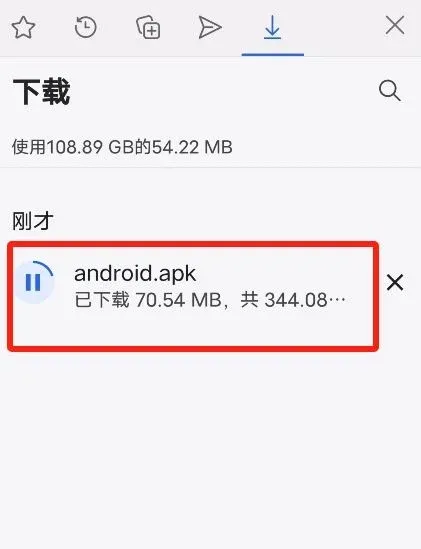
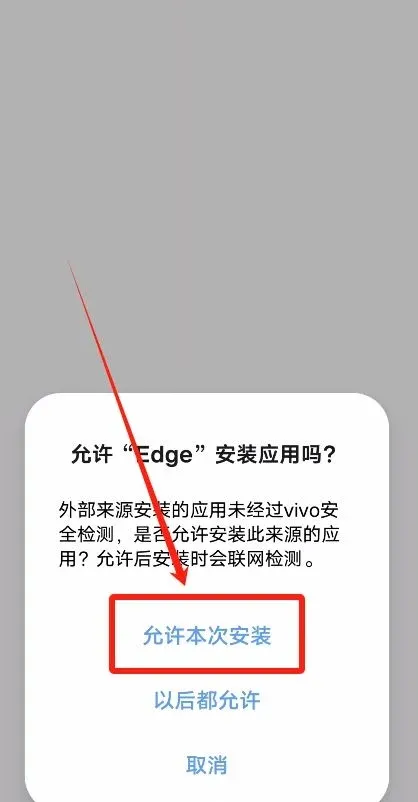
- In the prompt, tick Allow this installation.
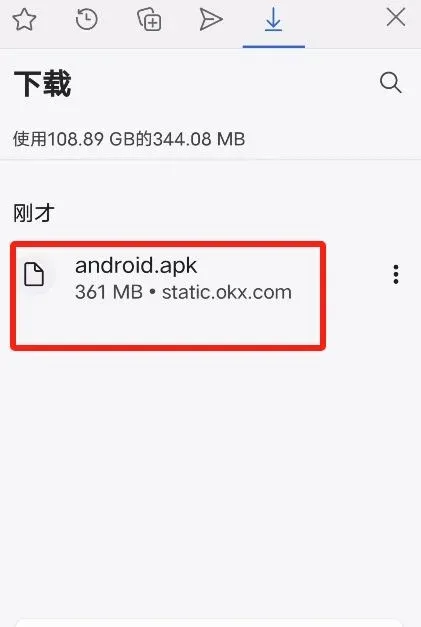
- When the system warns of potential risks, choose Install anyway – the file is from the official channel.
- Once installation completes, tap Open to launch OKX.

- On‑Chain Earning on OKX: Step‑by‑Step Staking & DeFi Guide
- Buy USDT on OKX with Alipay Safely – Avoid Card Freezes
💡 Register on Binance with referral code B2345 for the maximum trading fee discount. See Binance complete guide.



