
 Bitaigen Research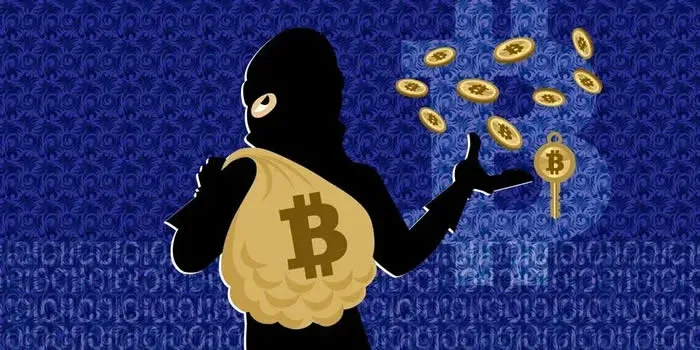
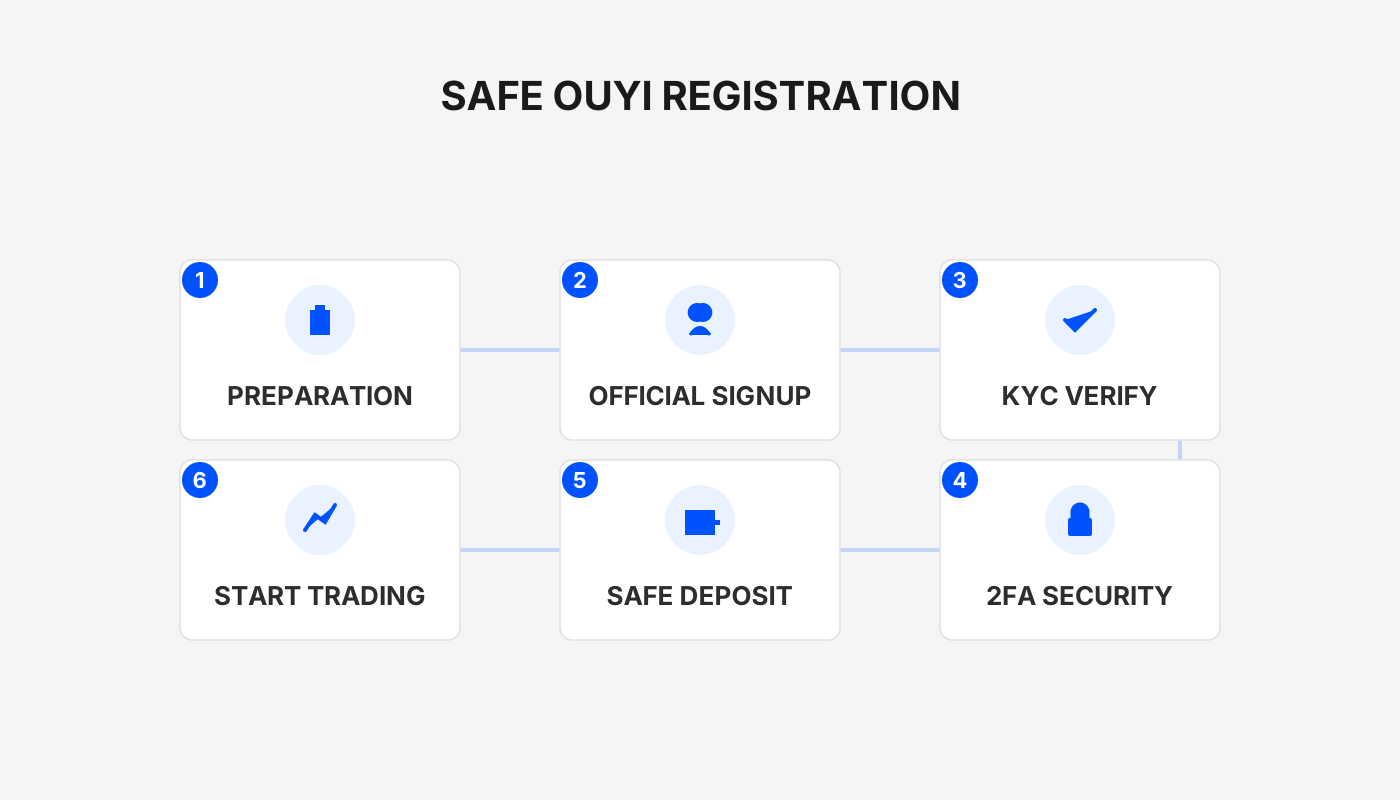
When registering on the Ouyi (ouyi) exchange, users should go through official channels, verify the domain name, enable two‑factor authentication (2FA), and follow the security guidelines provided by the platform in order to reduce the risk of cryptocurrency scams.
The cryptocurrency market is one of the most closely watched investment arenas today, with a steady influx of newcomers every day. While the market is full of opportunities, it also carries high risk and a multitude of fraud schemes.
To confront the growing challenge of crypto‑related scams, Ouyi (ouyi) exchange has launched the “Crypto Scam Prevention Pioneer” educational initiative. The program delivers online courses, seminars, and livestreams to help the public improve their ability to spot and avoid scams.
At the same time, Ouyi (ouyi) exchange has established the CryptoSafe cryptocurrency security community, which gathers and shares safety news, tips, and best practices to raise users’ security awareness during trading. To further spread cybersecurity knowledge, Ouyi (ouyi) also partners with several well‑known financial institutions to host regular online security forums, inviting industry experts to discuss the latest developments and prevention strategies.
In this article we provide a detailed breakdown of the key points for registering on Ouyi (ouyi) exchange, emphasizing practical steps such as using official channels, verifying the domain, and enabling two‑factor authentication, all of which can effectively lower the risk of crypto scams. The guide helps newcomers quickly develop a protective mindset, master essential fraud‑identification techniques, and provides additional practical security resources for reference—definitely worth a read.
Why Are Crypto‑Market Scams So Prevalent?
Ouyi (ouyi) exchange points out that the root cause lies in the decentralized nature of the ecosystem. Traditional banks operate under strict oversight from financial regulators, and depositors have legal recourse if something goes wrong. By contrast, blockchain transactions lack a unified regulatory framework; although transaction records are publicly transparent, they cannot be reversed. Decentralization brings benefits such as open information, transaction anonymity, and the removal of third‑party intermediaries, but it also means regulatory gaps and the irreversible flow of funds.
Platform officials caution that newcomers who fail to conduct thorough preliminary research or who are misled by fraud groups can easily fall into traps, only realizing the loss after their funds have been transferred away.
Common Cryptocurrency Scam Tactics
Below are five scam tactics that frequently appear in the crypto space. Investors should stay especially vigilant:
| Tactic | Main Characteristics | Prevention Tips |
|---|---|---|
| **Rug Pull** | Project team abruptly exits, absconding with investors’ money | Invest only in projects with publicly disclosed team information and audited code |
| **ICO** (Initial Coin Offering) | New token sale to raise capital; projects lacking a genuine business plan are prone to fraud | Choose teams that have completed identity verification, possess a whitepaper, and present a viable business model |
| **OTC** (Over‑The‑Counter) trades | Private transfers to avoid fees, often resulting in the counterparty freezing funds or blacklisting the sender | Conduct OTC only with trusted acquaintances and, whenever possible, use regulated exchanges |
| **Airdrop** | Fake wallets or malicious links obtain authorizations and then steal assets | Use dedicated airdrop wallets and regularly review wallet authorizations |
| **Fake Exchange** | Bogus platforms promise high returns, then restrict or deny withdrawals | Verify exchanges on authoritative sites such as CoinMarketCap and prioritize the top‑ten reputable exchanges. When depositing fiat, use USD via SEPA/SWIFT where supported; U.S. residents should use Binance.US rather than the global Binance platform. |
1. Rug Pull
After raising capital, the project team disappears, taking investors’ assets with them. The anonymity inherent in the crypto space makes it difficult to verify the founders’ identities, which in turn fuels this type of fraud.
2. ICO (Initial Coin Offering)
An ICO resembles a traditional IPO: the project issues tokens to raise funds. Because anyone can launch an ICO, investors must verify the team’s identity, read the whitepaper, and assess the feasibility of the proposed business model.
3. OTC (Over‑The‑Counter) Trades
To bypass exchange fees, some users arrange private transfers. If the counter‑party is untrustworthy, victims often find their funds locked or their accounts blacklisted after the transfer.
4. Airdrop
Legitimate airdrops only require a wallet address to receive rewards. Scammers, however, lure users into downloading counterfeit wallets or clicking malicious links, gaining wallet authorizations and then stealing assets. Prevention measures include:
- Maintain multiple wallets: Keep a separate address for airdrops and a cold wallet for large holdings.
- Review wallet authorizations: Use authorization‑monitoring tools to promptly revoke unknown permissions.
5. Fake Exchange
Fake exchanges typically exhibit extremely low trading volume and aggressively add friends on social media, posting “insider tips.” A common scheme is to let users earn a small profit first, then block larger withdrawals. Legitimate platforms usually require email verification rather than instant‑messenger confirmation.
Ouyi (ouyi) reminds users that an exchange merely provides a trading channel; profit or loss ultimately depends on the underlying investment strategy.
How to Reduce Investment Risk?
After familiarizing yourself with common scams, the following actions can help lower the likelihood of falling victim:
- Do not invest blindly in projects you don’t understand: Study the fundamentals of cryptocurrency thoroughly and avoid herd‑mentalities.
- Implement proper asset allocation: Follow the “don’t put all your eggs in one basket” principle and diversify to mitigate single‑point risk.
- Choose reputable exchanges: Prioritize platforms that rank high in industry listings and demonstrate regulatory compliance.
- Stay alert to similar scam patterns: If a situation resembles a known fraud, even if the promoter sounds enticing, pause and conduct further verification.
Ouyi (ouyi)’s “Crypto Scam Prevention Pioneer” education program has already shown significant results, demonstrating that widespread security education and heightened public awareness can dramatically reduce the incidence of crypto scams. While scam techniques continue to evolve, their core mechanics remain unchanged; whenever you encounter a suspicious scenario, exercise caution to avoid unnecessary loss.
Friendly reminder: Sustainable returns stem from consistent, rational investment strategies rather than chasing high‑risk, quick‑rich schemes.
This completes the full analysis of “Ouyi (ouyi) Exchange Registration: How to Guard Against Cryptocurrency Scams?” For additional information on virtual‑currency fraud methods, please refer to other articles on Bitaigen (比特根).
*Note: Crypto gains may be taxable in your jurisdiction; consult a local tax professional for guidance.*
Related Reading
- Browser Crypto Mining: How It Works, Risks & Protection
- BIP-110: Enhancing Bitcoin Node Access & Block Space
- OKX Security & Contract Copy‑Trading: Step‑by‑Step Guide
💡 Register on Binance with referral code B2345 for the maximum trading fee discount. See Binance complete guide.



