
 Bitaigen Research
 Currently, the best platforms for purchasing altcoins include Binance, MEXC, OKX, BingX, Bitget, Bybit, KuCoin, Gate.io, Coinbase, and HTX (formerly Huobi).
In this article we systematically review the most trusted altcoin trading platforms of the year, focusing on liquidity, fee structures, and additional services. The goal is to help investors quickly identify exchanges that meet their needs. Subsequent sections will analyze each platform’s features and usage tips in detail, so a thorough read is recommended.
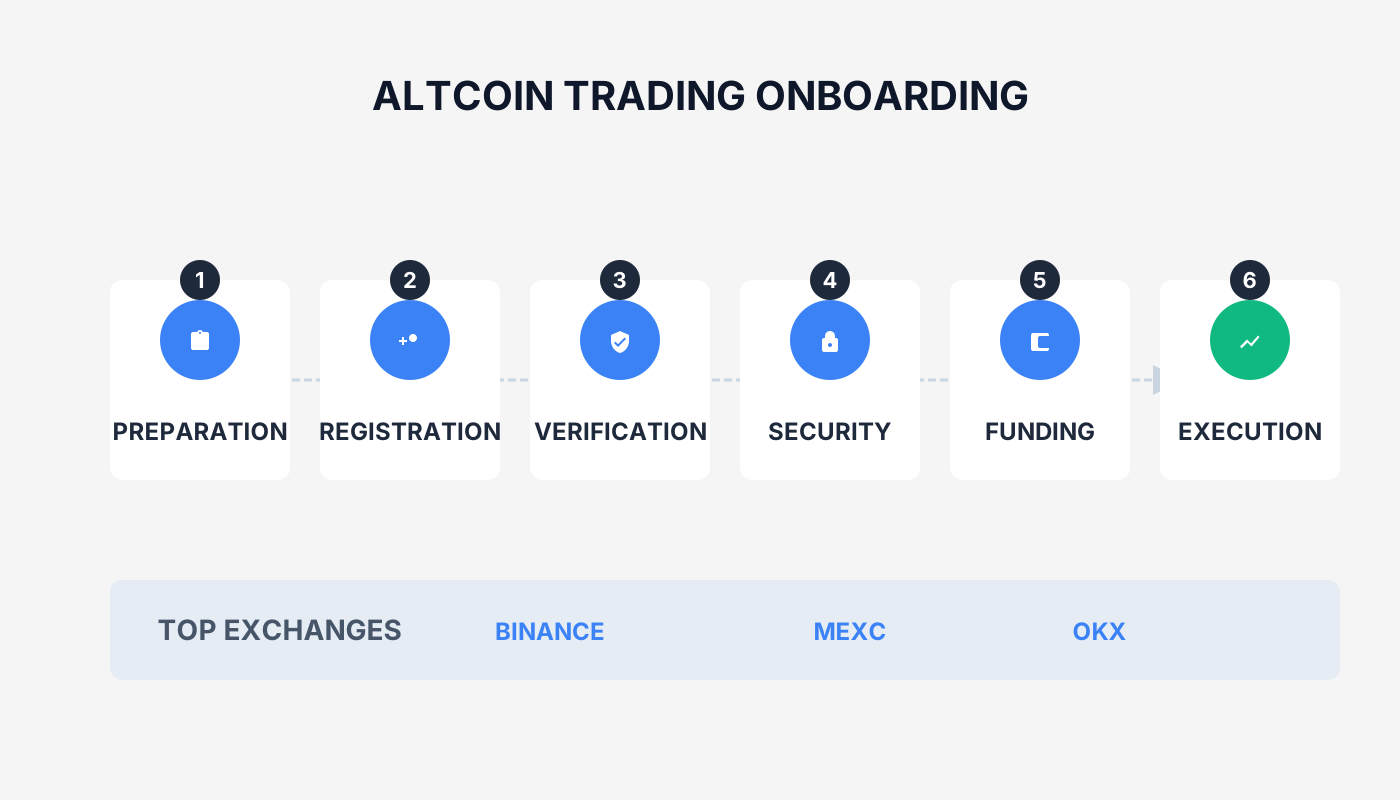
Direct answer: Top‑10 altcoin exchanges for 2026
The ten platforms that rank highest for altcoin trading in 2026 are Binance, MEXC, OKX, BingX, Bitget, Bybit, KuCoin, Gate.io, Coinbase, and HTX. They all offer high liquidity, low fees, and a wide variety of altcoins.
2026’s best altcoin trading platforms: investors’ top choices
| Exchange | Supported assets | Trading fees (maker / taker) | Native token | Additional features |
|---|---|---|---|---|
| **Binance** | 500+ | 0.10 % / 0.10 % | **BNB** | Launchpad, staking, Binance Wallet |
| **MEXC** | 3,500+ | 0 % / 0.10 % | **MX** | Early‑token access, copy‑trading, DEX+ |
| **OKX** | 350+ | 0.08 % / 0.10 % | **OKB** | Web3 wallet, trading bots, Earn products |
| **BingX** | 750+ | 0.10 % | – | Social trading, paper trading, copy‑trading |
| **Bitget** | 700+ | 0.10 % | – | Copy‑trading, Earn products, campaign hub |
| **Bybit** | 700+ | 0.10 % | – | Launchpad, Web3 wallet, derivatives market |
| **KuCoin** | 1,000+ | 0.10 % | **KCS** | Trading bots, lending, early‑token access |
| **Gate.io** | 2,500+ | 0.20 % | **GT** | IEO/incubator, automated trading tools |
| **Coinbase** | 240+ | 0 % (subscription model) | – | Coinbase One, staking, Coinbase Exchange |
| **HTX (Huobi)** | 700+ | 0.20 % | – | Earn products, staking, institutional services |
Exchange sign‑up benefits
- Register through the links on this site to receive fee rebates and newcomer packages that are not offered directly by the exchanges.
- Real‑name verification only requires a national ID (e.g., a Chinese ID card). Using an IP address from Mainland China, Taiwan, or Hong Kong can reduce regional restriction risk.
Important reminder: You must complete registration before you can claim a 20 % rebate. Below are sample rebate details (for illustration only; please refer to the official links for exact rates).
| Exchange | Spot fee | Futures maker fee | Futures taker fee | Rebate code | Rebate % |
|---|---|---|---|---|---|
| OKX | 0.1 % | 0.02 % | 0.05 % | `B2345` | 20 % |
| Binance | 0.1 % | 0.02 % | 0.05 % | `B2345` | 20 % |
| HTX | 0.2 % | 0.02 % | 0.06 % | `b6yq8223` | 20 % |
| Gate.io | 0.15 % | 0.02 % | 0.15 % | `A1lBAVFW` | 20 % |
| Bybit | 0.1 % | 0.02 % | 0.055 % | `88946` | 20 % |
| Bitget | 0.1 % | 0.02 % | 0.06 % | `vxje` | 20 % |
| XT.COM | 0.2 % | 0.04 % | 0.06 % | `ZFENM8` | 25 % |
The above information is compiled from publicly available sources.
2026 Top‑10 altcoin exchanges: evaluation and ranking
1. Binance – the platform with the highest liquidity and trading volume
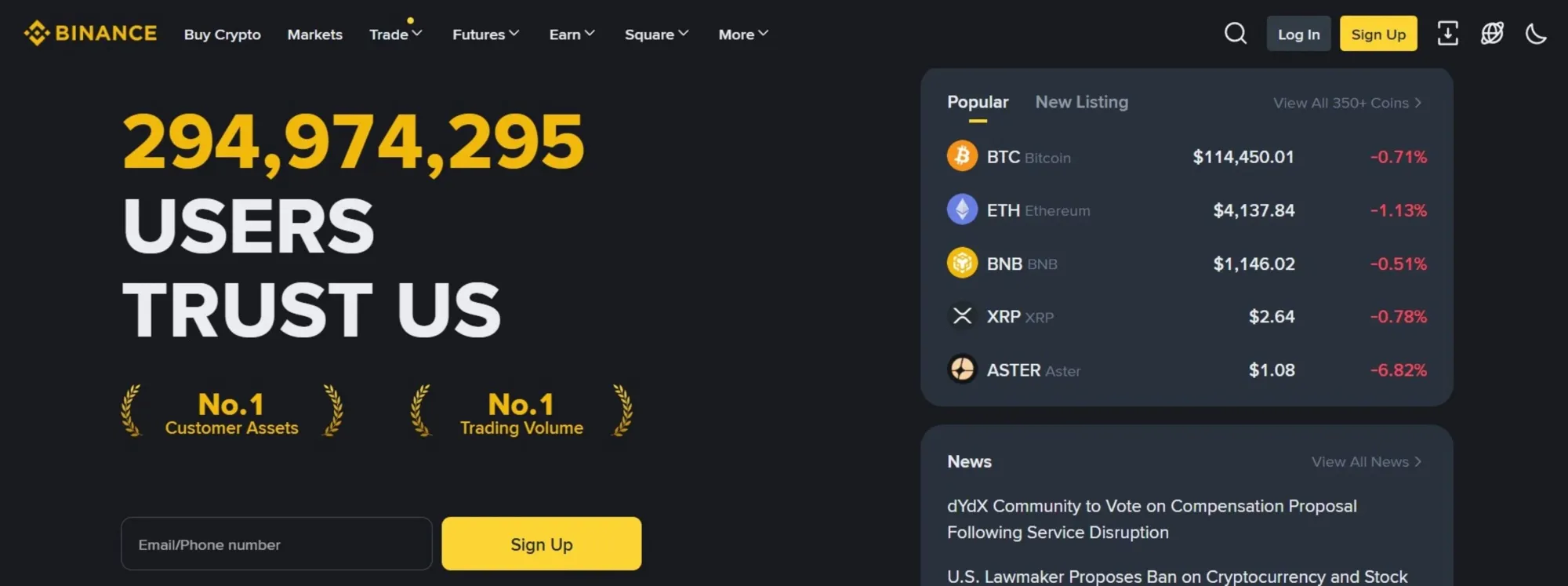
Founded in 2017, Binance has grown into the world’s largest cryptocurrency exchange by trading volume. It offers more than 500 assets and over 1,500 trading pairs, providing deep liquidity and ultra‑low fees. Users can switch freely between “Lite” and “Pro” modes to suit both beginners and professional traders.
- Core advantages: Using the native token BNB grants fee discounts; the platform also provides staking, lending, Launchpad token sales, and a P2P marketplace.
- Security measures: Cold‑wallet storage, the SAFU fund (valued at $1 billion), and regular security audits.
Note for U.S. users: Access Binance’s services via Binance.US, which complies with U.S. regulations.
2. MEXC – the best choice for zero‑fee trading
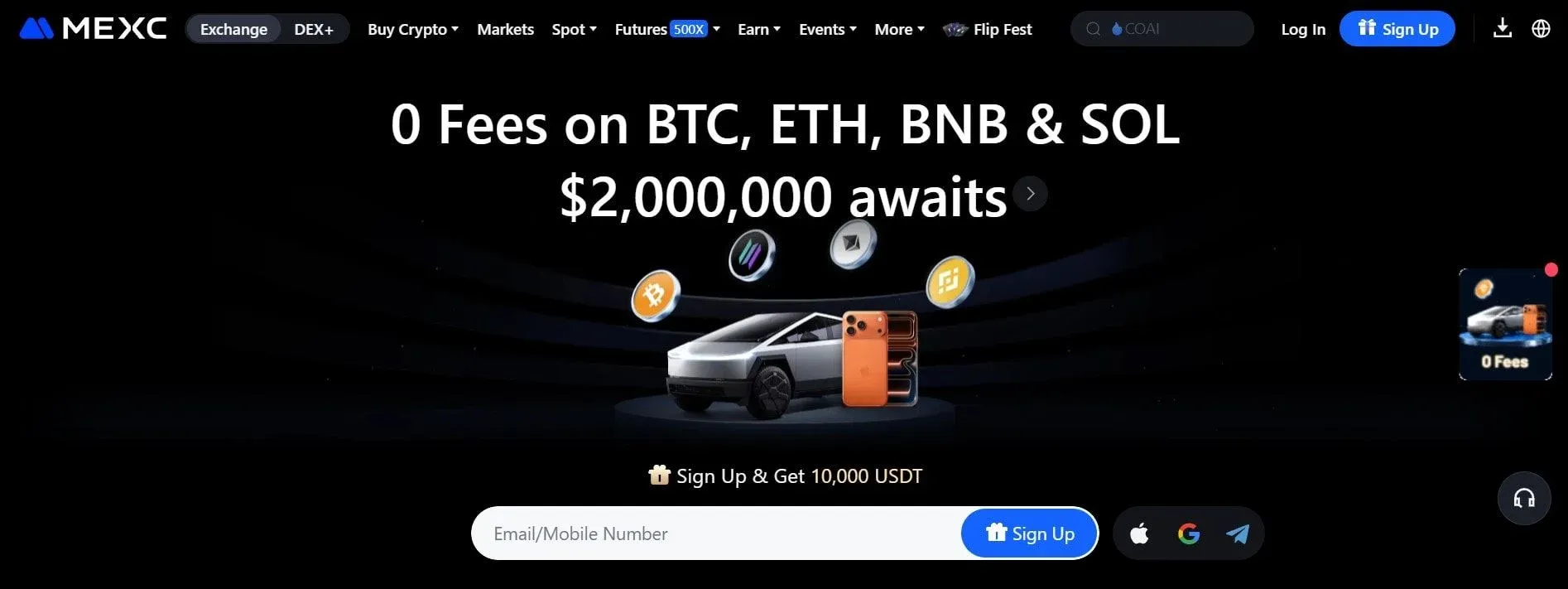
MEXC is renowned for its extensive list of over 3,500 tokens, including many low‑market‑cap projects. The exchange supports spot, futures (up to 500× leverage), and a zero‑maker‑fee trading model.
- Core advantages: No maker fees, MEXC Launchpad, Dex+ integration.
- Security measures: Reserve audits every two months, an insurance fund, 2FA, IP whitelisting, and withdrawal‑address whitelisting.
3. OKX – the most beginner‑friendly all‑in‑one exchange
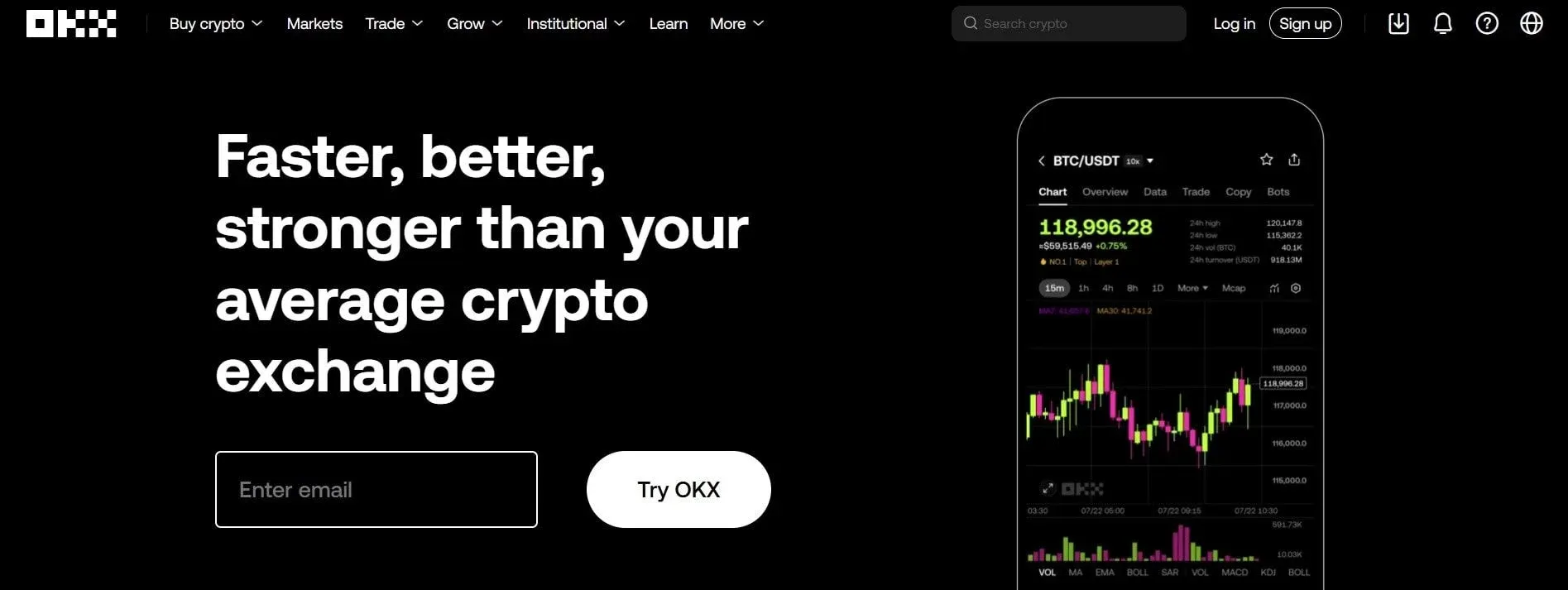
Launched in 2017, OKX offers spot, futures, perpetual contracts, options, and deep integration with a Web3 wallet, making it easy to access DeFi, NFTs, and dApps.
- Core advantages: High‑speed matching engine, Earn yield products, automated trading bots, early‑project access platform.
- Security measures: zk‑STARK zero‑knowledge proofs, cold‑wallet storage, two‑factor authentication.
4. BingX – ideal for social copy‑trading and diversified assets
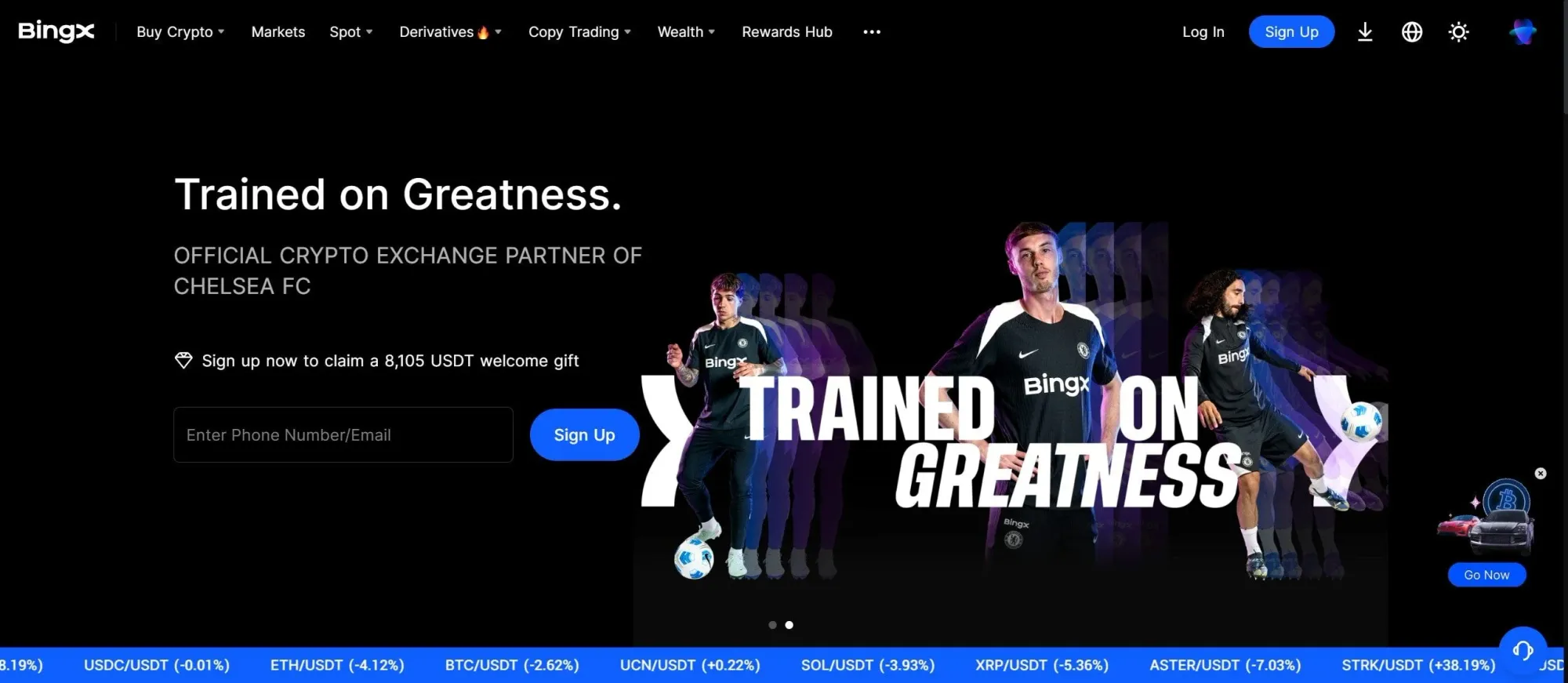
BingX, launched in 2018, supports more than 750 cryptocurrencies and offers futures with up to 125× leverage, with a strong focus on copy‑trading functionalities.
- Core advantages: Social/copy trading, paper trading, crypto debit card.
- Security measures: Bank‑grade custodial services, insurance fund, periodic security audits.
5. Bitget – a leading copy‑trading platform
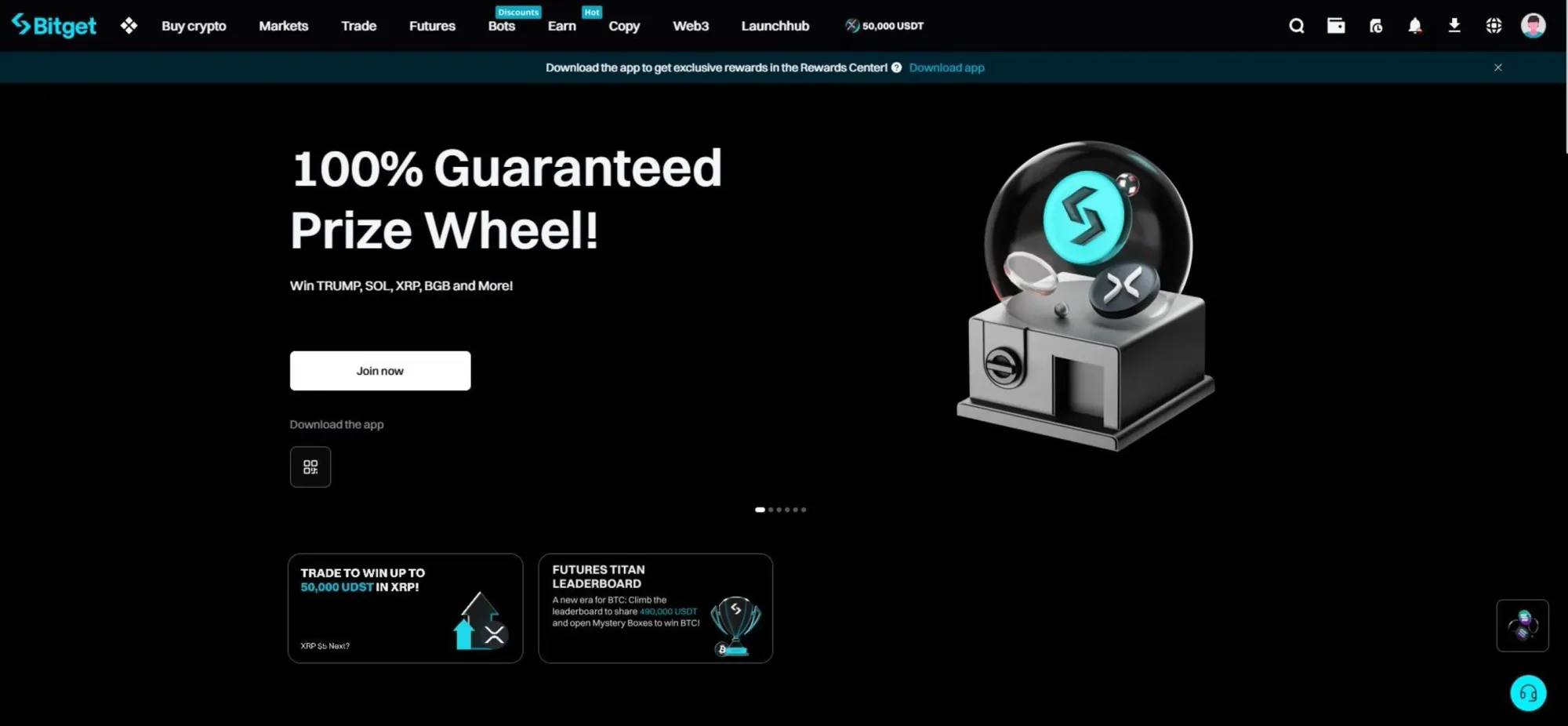
Founded in 2018, Bitget centers on copy‑trading while maintaining a low‑fee structure for both spot and futures markets. The exchange holds multiple regional licenses and operates a protection fund exceeding $779 million.
- Core advantages: Incentivised copy‑trading commissions, low fees, Bitget non‑custodial wallet.
- Security measures: Monthly reserve transparency reports, incident‑coverage fund, multi‑jurisdictional regulatory approvals.
6. Bybit – a high‑leverage derivatives specialist
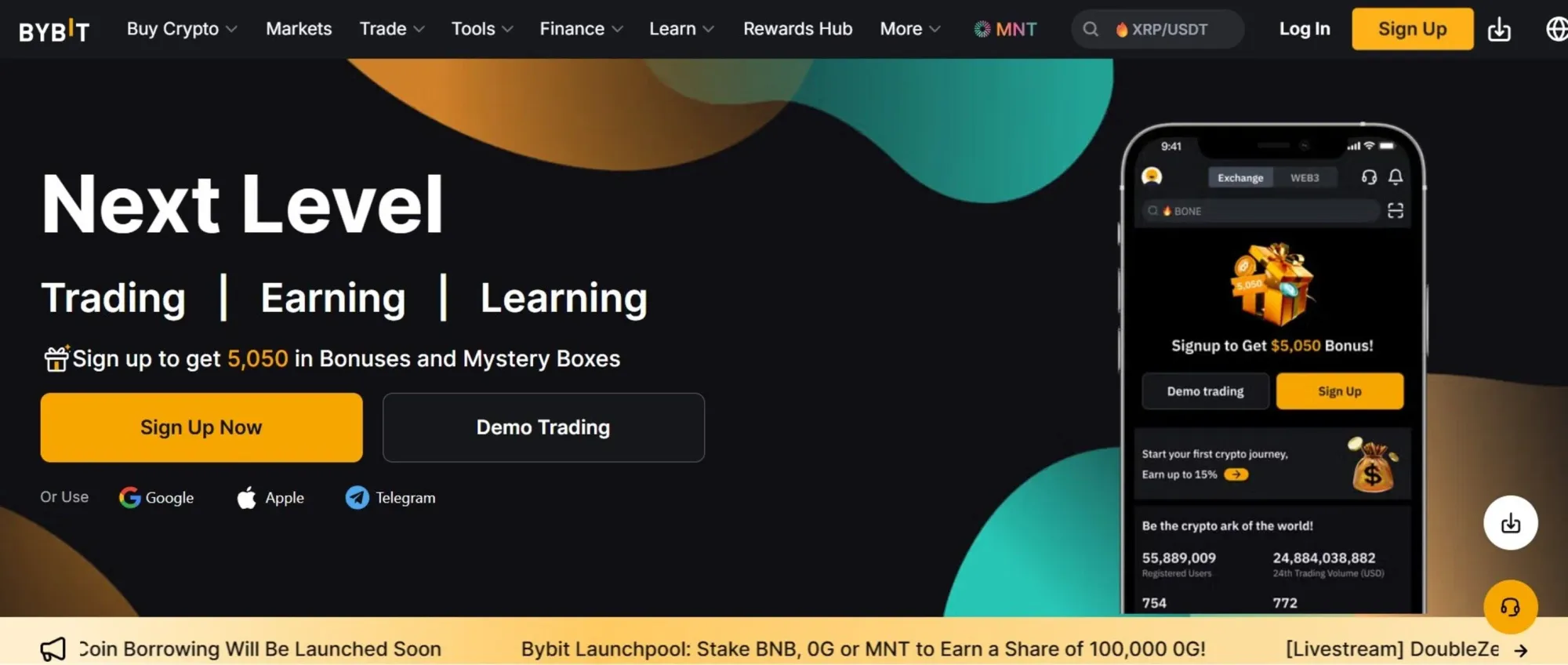
Bybit is known for perpetual contracts and options trading, offering up to 125× leverage. The platform provides fast order execution and extensive API support, catering to professional traders.
- Core advantages: High leverage, advanced trading tools, trading bots, competitive fees.
- Security measures: Reserve audits, two‑factor authentication, dedicated insurance fund.
7. KuCoin – broad altcoin access with low fees
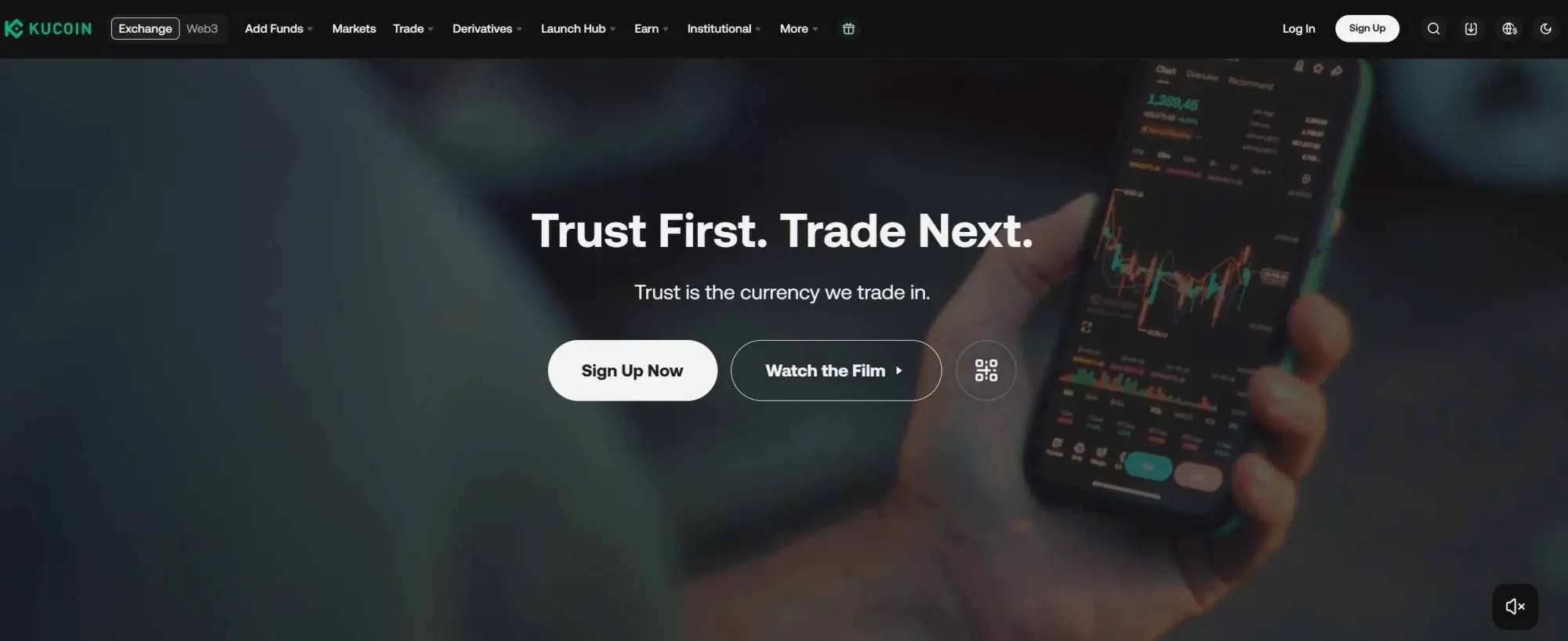
KuCoin lists over 1,000 digital assets and supports spot, margin futures, lending, staking, and more. The native token KCS can be used for fee discounts and governance voting.
- Core advantages: Automated trading bots, staking & lending, P2P fiat gateway.
- Security measures: Cold storage, multi‑signature hot wallets, withdrawal 2FA, anti‑phishing system.
8. Gate.io – the most diversified institutional‑grade platform
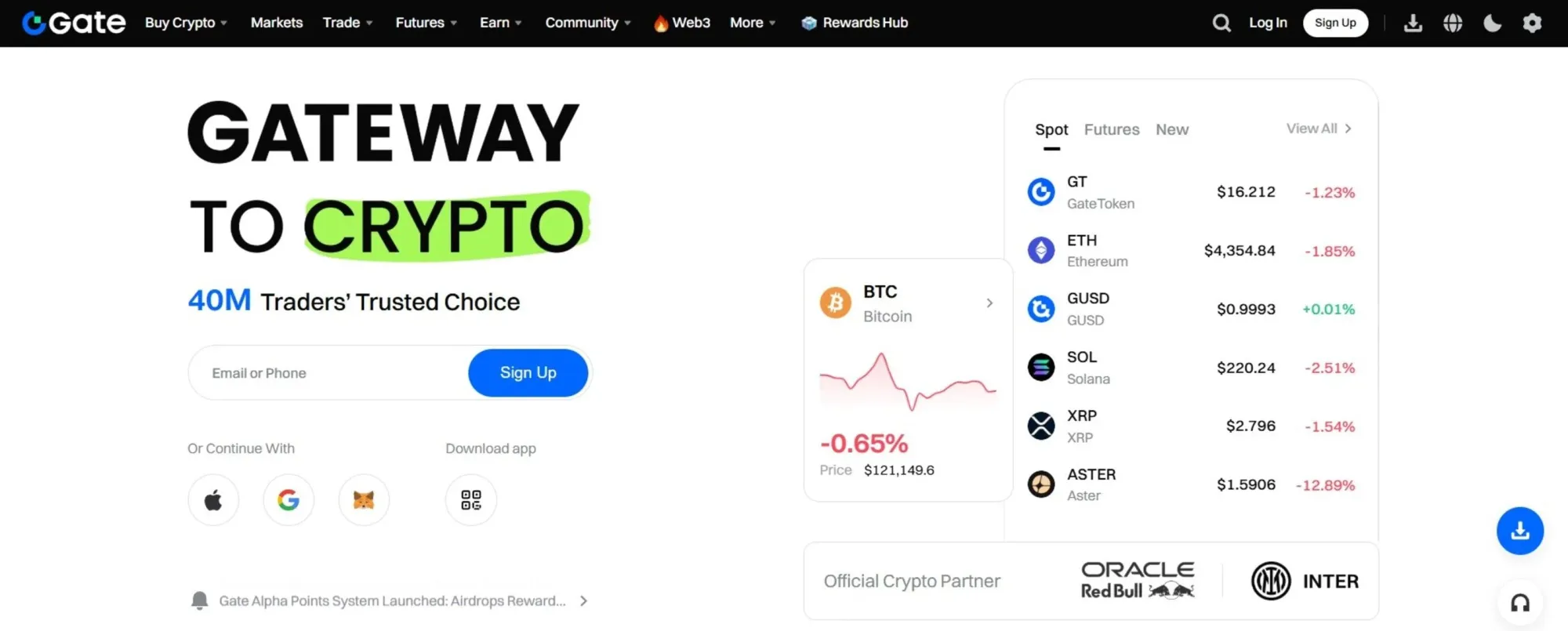
Established in 2013, Gate.io offers more than 2,500 tokens and a multi‑chain Web3 wallet. Services include spot, margin, futures, options, and automated quantitative trading.
- Core advantages: IEO/incubator platform, automated quant tools, NFT issuance & trading, cross‑chain wallet.
- Security measures: Combination of hot and cold wallets, multi‑signature architecture, continuous risk monitoring.
9. Coinbase – the compliant choice for U.S. users
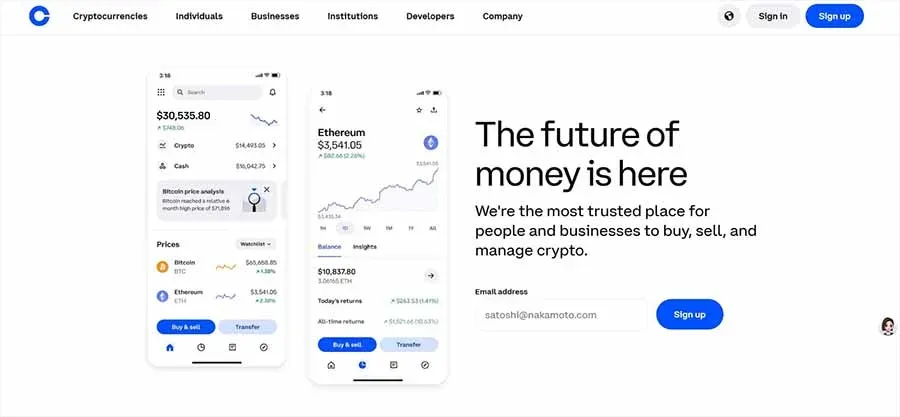
Coinbase is heavily regulated by U.S. authorities, featuring a user‑friendly interface ideal for newcomers. It lists over 240 crypto assets, more than 550 trading pairs, and offers staking, Earn educational rewards, and other services.
- Core advantages: Coinbase One subscription removes trading fees, integrated wallet & crypto card, extensive educational content.
- Security measures: Cold storage of assets, insurance coverage, compliance with U.S. regulatory standards.
Tax note: Crypto gains may be taxable in your jurisdiction. Consult a local tax professional to understand your obligations.
10. HTX (formerly Huobi) – advanced features combined with community governance
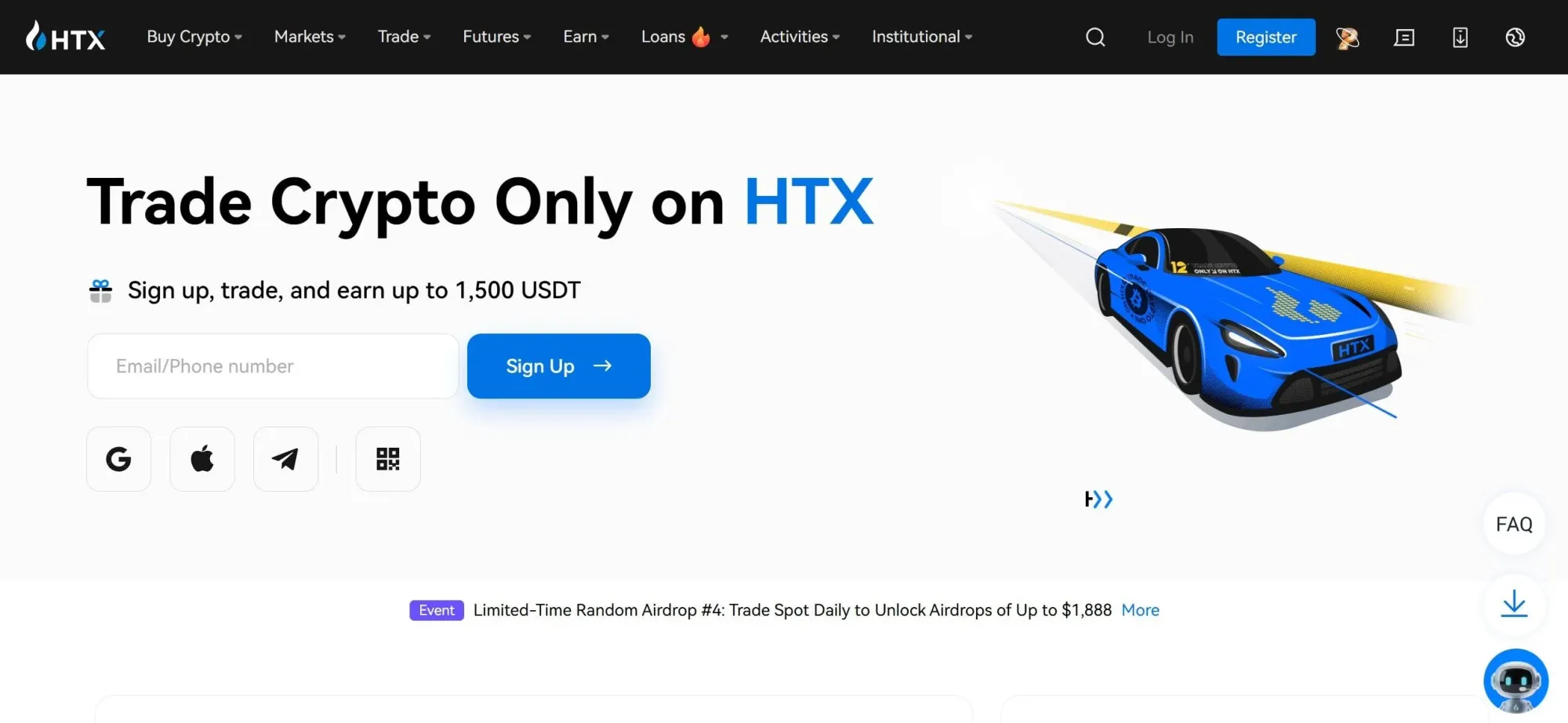
HTX, originally Huobi, was founded in 2013 and is now headquartered in Seychelles. Its native token HTX (formerly HT) provides fee discounts, governance voting, and seasonal buy‑back rewards.
- Core advantages: Spot and margin trading, algorithmic trading, lending & staking, on‑chain DAO voting.
- Security measures: Two‑factor authentication, separation of hot and cold wallets, insurance fund, real‑time risk monitoring.
What is an altcoin exchange?
An altcoin exchange is a platform that enables the buying, holding, and trading of cryptocurrency assets other than Bitcoin (e.g., Ethereum, Solana, Ripple, etc.). These exchanges typically support mainstream altcoins, meme tokens, and some stablecoins.
Types of altcoin exchanges
Centralized exchanges (CEX)
Centralized exchanges are operated by a single entity that acts as an intermediary between buyers and sellers. User funds are held in custodial accounts on the platform. Advantages include high liquidity and fast execution; disadvantages involve the need to trust the exchange’s security and compliance. Typical examples: MEXC, Binance, Coinbase, KuCoin.
Decentralized exchanges (DEX)
Decentralized exchanges run on blockchain smart contracts, allowing users to trade directly on‑chain while retaining control of their private keys. Advantages are self‑custody and higher security; disadvantages can be lower liquidity and a less polished trading experience. Common platforms: Uniswap, PancakeSwap, SushiSwap.
Hybrid exchanges (HEX)
Hybrid exchanges combine the fast order matching of CEXs with the non‑custodial nature of DEXs, settling trades via smart contracts. Examples include Qurrex, Nash Exchange, and certain hybrid features offered by Binance and Huobi.
Other variants
- Peer‑to‑peer (P2P) platforms – match buyers and sellers directly without custodial holdings.
- Derivatives exchanges – specialize in futures, options, and other derivative contracts.
- Over‑the‑counter (OTC) – serve large‑volume trades, minimizing market slippage.
Why altcoins matter in crypto trading
- Innovative applications: Altcoins often power DeFi, privacy, governance, gaming, and other emerging technologies (e.g., Ethereum’s DeFi and NFT ecosystems).
- Volatility & opportunity: Compared with Bitcoin, altcoins have smaller market caps and lower liquidity, leading to larger price swings that can present short‑term trading opportunities.
- Portfolio diversification: Including altcoins can spread risk and capture growth potential across different blockchain projects.
Key factors to consider when choosing an exchange
- Security – 2FA, cold‑wallet storage, insurance funds, regulatory compliance.
- Fee structure – trading, withdrawal, deposit fees and any hidden costs.
- Asset coverage – availability of the specific altcoins and trading pairs you need.
- Liquidity & volume – high liquidity reduces slippage and improves order fill.
- User experience – intuitive UI, mobile app support, charting tools, advanced features.
- Customer support – response time and problem‑resolution quality.
- Deposit/withdrawal options – fiat gateways (SEPA, SWIFT, ACH), credit/debit cards, crypto deposits (USDT, USDC, etc.).
- Additional features – copy‑trading, staking/lending, futures & options, wallet integration.
How to buy altcoins on an exchange (step‑by‑step guide)
- Choose a reputable exchange – e.g., Binance, Coinbase, Kraken.
- Register and complete KYC – submit identification documents for real‑name verification.
- Fund your account – use bank transfer (SEPA/SWIFT), credit/debit card, or crypto (USDT/USDC).
- Locate the trading pair – go to the market
Related Reading
- Top 10 Best Altcoin Exchanges 2026: Most Listings, Liquidity & Low Fees
- Buy & Sell Crypto on DEX: Binance Wallet + Uniswap Guide
- How to Set Up the Price-Floating Window in Feixiaohao App
💡 Register on Binance with referral code B2345 for the maximum trading fee discount. See Binance complete guide.



