
 Bitaigen Research
 In the Bitcoin network, the core task of mining is to validate transactions and write them to the blockchain, which not only creates new Bitcoins but also provides security for the entire system. It can be imagined as using “cement” to bind each block of the chain together, allowing the decentralized structure to grow steadily and securely.
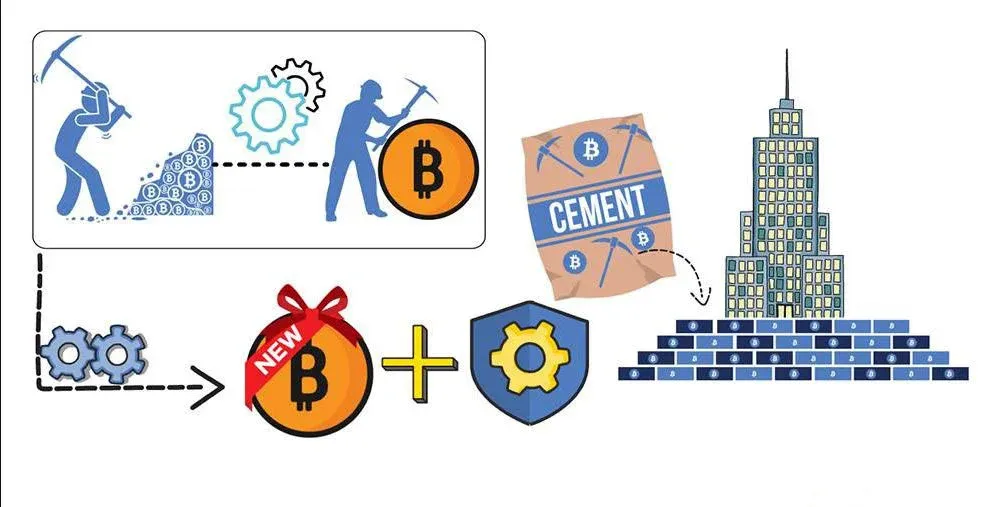
When a user initiates a Bitcoin transfer, the transaction data must be recorded on the public ledger. To do this, miners pack those transactions into a new block and search for a hash value that matches the previous block’s hash—effectively the block’s unique identifier. Once a suitable hash is found, the block is added to the chain, the transaction order is fixed, and the historical record becomes tamper‑proof.
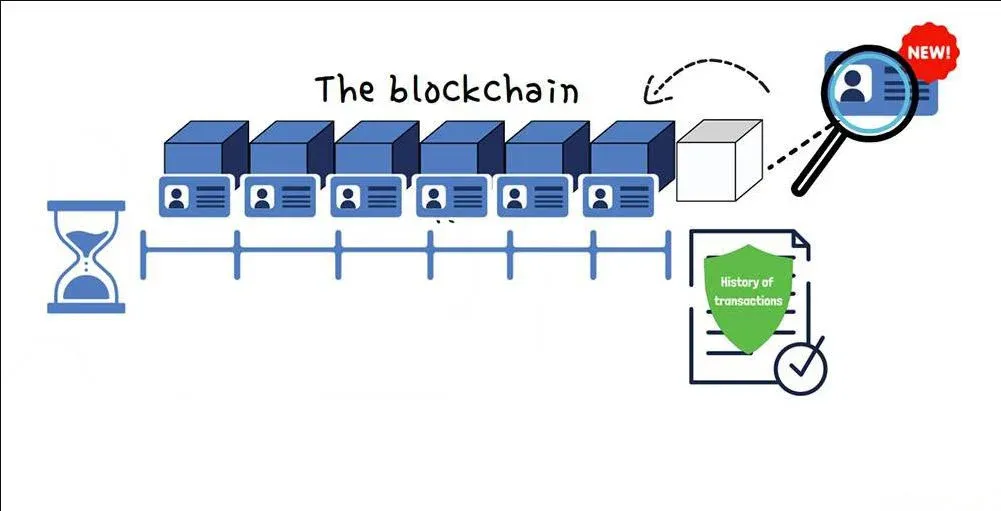
The miner who successfully adds a block receives a block reward, i.e., newly minted Bitcoin. This compensation is generally sufficient to offset the costs of mining hardware, software, and electricity, keeping mining economically attractive.
---
In this article we systematically outline how Bitcoin mining works, explaining the technical logic behind transaction verification, block creation, and the reward mechanism, while also dissecting potential risks such as energy consumption and hash‑power centralization. Simple examples help newcomers get up to speed quickly; later sections will explore industry trends and mitigation strategies, making it worthwhile to read in full.
What Is Cryptocurrency Mining?
In short, cryptocurrency mining is the process of creating new coins, confirming transactions, and writing them onto the blockchain. Major digital assets like Bitcoin rely on this mechanism, allowing new coins to enter circulation in a “extraction” fashion, much like diamonds or coal are mined from finite natural resources.
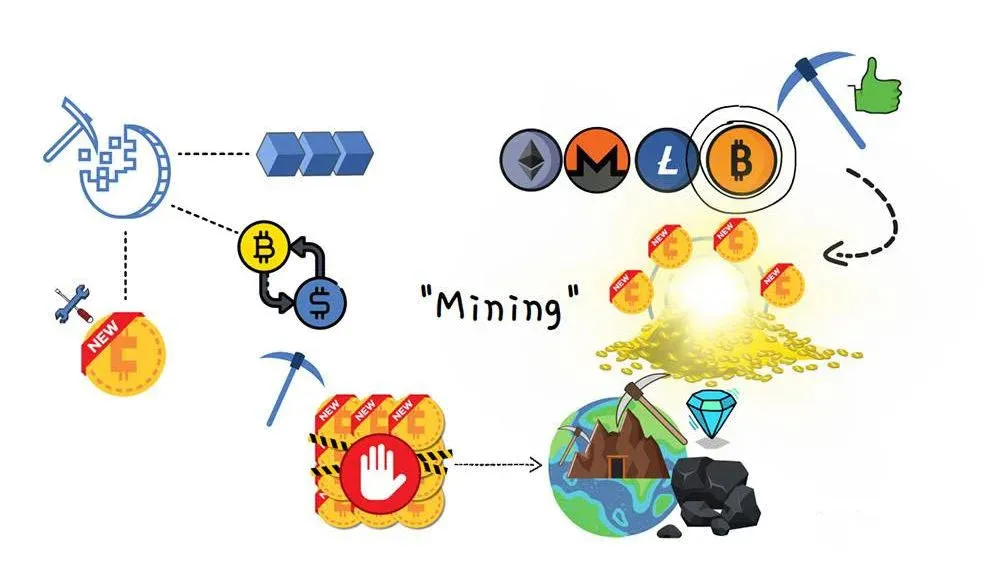
From a technical standpoint, mining implements the blockchain’s consensus mechanism. Different chains adopt different rulebooks to ensure that all participants reach agreement on the network state without a central authority. Proof‑of‑Work (PoW) is the most common consensus model that depends on mining.
---
How Does Proof‑of‑Work (PoW) Operate?
PoW can be likened to a “running race”: the first participant to solve a complex mathematical puzzle wins the reward. The puzzle consists of hash calculations, whose output is a 64‑character string. Miners must expend substantial computational power (and the associated electricity) to discover a hash that satisfies the network’s difficulty target.
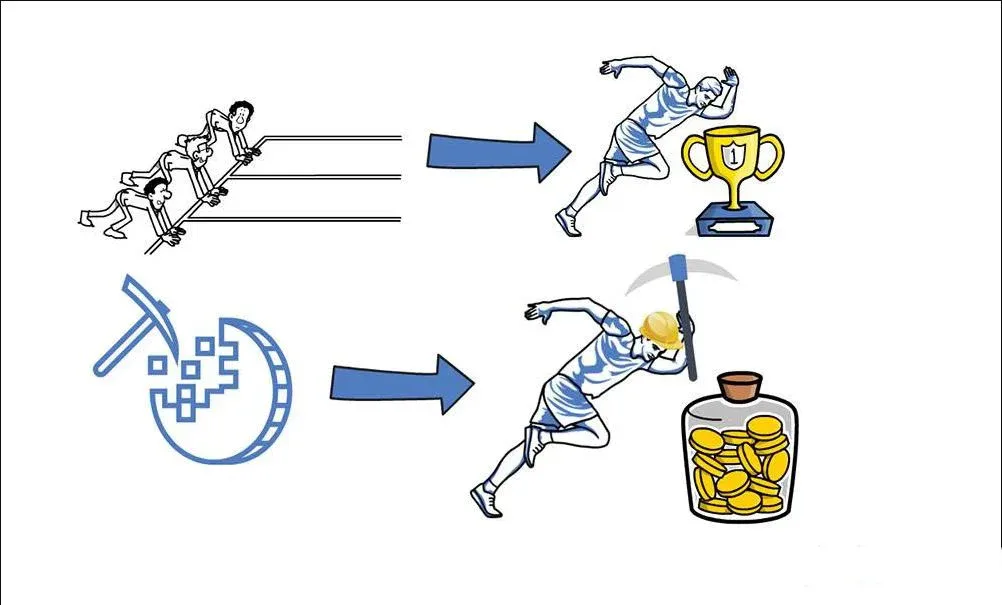
This computational work not only generates new coins but also continuously monitors transaction integrity, preventing malicious tampering and thereby safeguarding the network. For this reason, PoW is regarded as a vital component of a blockchain’s defensive architecture.
---
Hardware and Software Requirements
Early cryptocurrency mining could be performed on ordinary personal computers, but as hash‑power competition intensified, dedicated mining software must be paired with ASICs (Application‑Specific Integrated Circuits) or GPUs (Graphics Processing Units) and other high‑efficiency hardware to stay competitive. Today, many miners operate rows of equipment in purpose‑built data centers to achieve 24/7 uninterrupted hashing.
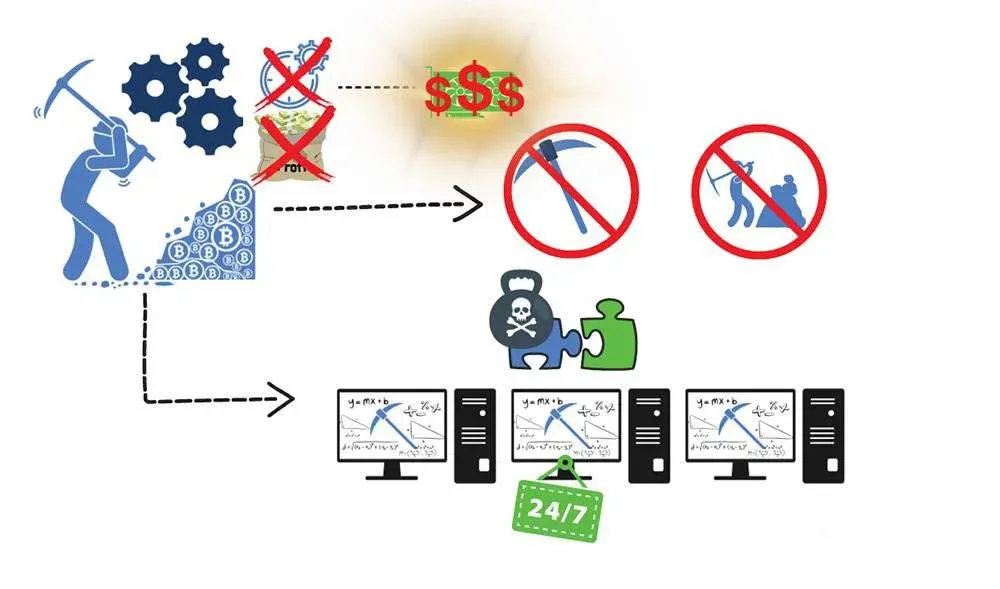
Nevertheless, entry barriers still exist: a single laptop or a standard PC can still attempt to mine cryptocurrencies with modest hash‑power requirements. Before starting, it is advisable to use a cryptocurrency mining calculator to assess the balance between expected revenue and costs.
---
Profitability and Risks of Mining
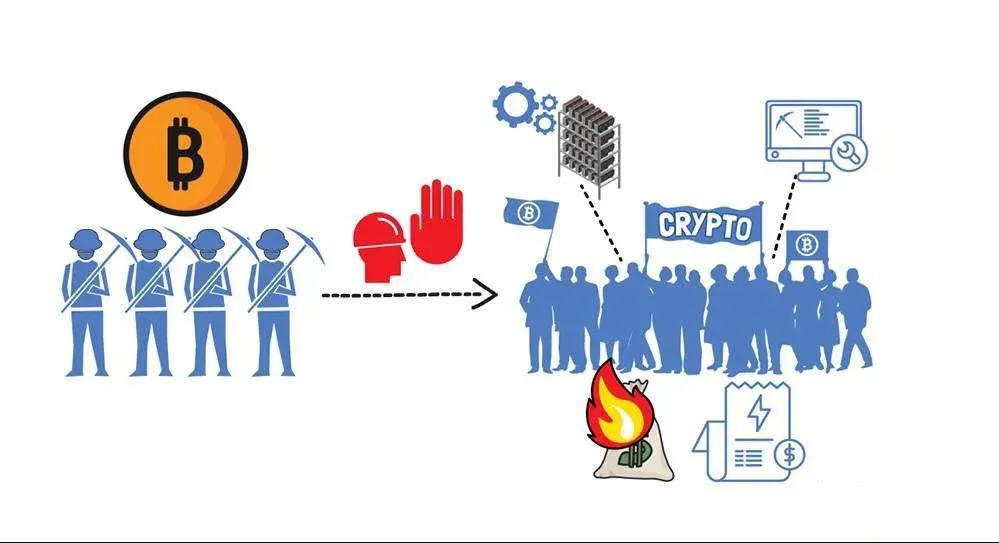
Mining profitability is highly dependent on the market performance of the chosen coin and the network’s difficulty level. When Bitcoin’s price drops, miners may see their revenue shrink, debt accumulate, and in extreme cases face bankruptcy, increasing survival pressure across the industry. High electricity bills and equipment depreciation are routinely listed as major cost factors.
*Note: Crypto gains may be taxable in your local jurisdiction; consult a tax professional for guidance.*
---
Issues and Criticisms
- Energy Consumption – Bitcoin mining consumes a massive amount of electricity, leading to significant carbon emissions and exacerbating climate change.
- Electronic Waste – Rapid hardware turnover results in old devices being discarded quickly, generating large quantities of e‑waste and adding to environmental burdens.

These factors cause many observers to conclude that the traditional PoW mining model is unlikely to be sustainable in the long term. While the industry is exploring greener consensus mechanisms (e.g., Proof‑of‑Stake), Bitcoin remains the flagship crypto asset, and its mining approach continues to dominate the conversation, with no immediate prospect of a complete shift.
---
Conclusion
Through the explanations above, you should now have a more systematic understanding of the concept, mechanics, and challenges of cryptocurrency mining. Participation no longer requires a physical pickaxe; instead, it demands the right software and efficient hardware combination.
Although mining can provide decentralized security for blockchains and may be profitable under certain conditions, its high energy usage, rapid equipment obsolescence, and potential economic risks must be carefully evaluated. In the future, as new technologies emerge, the industry may arrive at more balanced solutions.
Thank you for reading “What Is Cryptocurrency Mining? Bitcoin Mining Principles and Potential Issues.” For further information, please visit Bitaigen’s previous articles or continue browsing the recommended readings below. May your journey through digital assets be fruitful!
*For users in the United States, access to Binance must be via Binance.US; users elsewhere can use the global Binance platform. Fiat transactions are typically handled through USD via SEPA/SWIFT or equivalent banking channels.*
Related Reading
- Understanding Cross-Chain Bridges: Types, Security Risks & Mitigations
- Preconfirmations in Rollup: Reduce Latency, Boost Security
- 2026's Top 10 Secure Crypto Exchanges – Rankings & Review
💡 Register on Binance with referral code B2345 for the maximum trading fee discount. See Binance complete guide.



