
 Bitaigen Research
 BNB faces major hurdles to break the $10,000 mark by 2026, and only a convergence of technical, institutional, and ecosystem catalysts could make it possible.
From the perspectives of technology, institutions, and ecosystem, we systematically outline the key drivers for BNB’s future and dissect the potential risks. This article will help you grasp market direction, assess whether the asset merits attention, and understand the underlying logic and possible inflection points. Please continue reading for an in‑depth analysis.
BNB’s Price Crossroads: Consensus and Divergence
The latest survey by crypto‑analysis firm CoinChapter shows that roughly 65 % of institutional analysts forecast a price range of $792–$1,200, based on a relatively conservative ecosystem‑growth model.
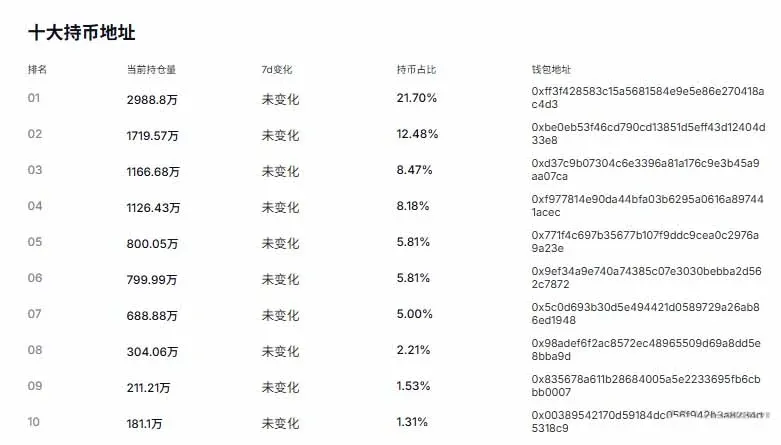
On‑chain data provider CryptoQuant reports that, over the past six months, the amount of BNB held in long‑term holder wallets has risen 40 %, highlighting a behavioral split between “steady holders” and short‑term traders.
Technical analyst Mark Dawson shared a weekly chart on his personal channel that shows BNB forming a two‑year symmetrical triangle consolidation pattern. The theoretical breakout target is around $3,900, already representing a four‑fold upside from current levels.
Three Catalysts That Could Push BNB Past $10,000
1. Core Technological Breakthroughs: From Highways to Super‑Hubs
- Deep integration of OpBNB and Greenfield – Test‑net results indicate a 70 % reduction in transaction costs for specific use‑cases, while confirmation times remain sub‑second.
- Modular data‑availability layer – Planned for launch in Q1 2026, this layer aims to alleviate scaling bottlenecks and could support tens of millions of users in gaming and traditional finance transactions.
2. Institutional Inflow Channel: Spot ETF Breakthrough Effect
- At the end of 2025, VanEck submitted a spot BNB ETF application to the U.S. SEC, seen as a potential gateway for institutional capital.
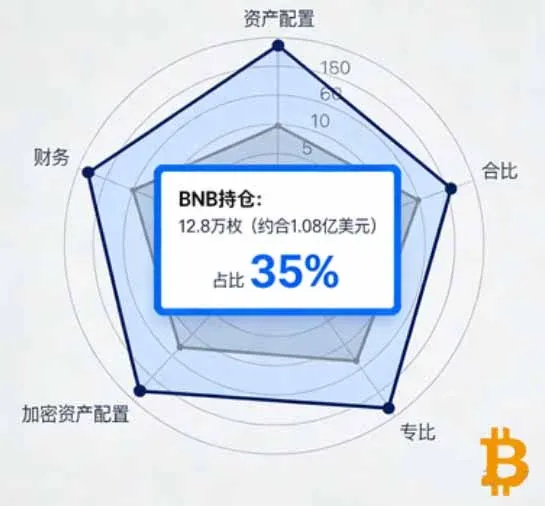
- Nasdaq‑listed company Nano Labs has increased its BNB holdings to 128,000 tokens (about $108 million), representing 35 % of its total crypto‑asset allocation.
- If the ETF receives approval, it is projected to attract $5–8 billion of institutional funds in the first year, roughly 10 %–15 % of BNB’s current market capitalization.
3. Ecosystem Value Capture: Fusion of Real‑World Assets (RWA) and DeFi
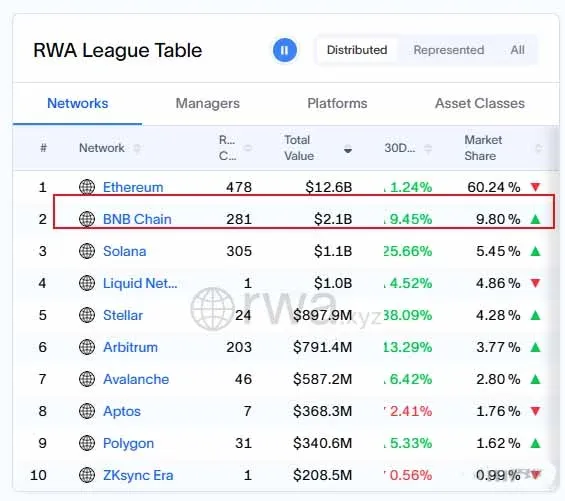
- By Q4 2025, RWA‑related protocols on the BNB Chain have locked $1.8 billion in assets, a 120 % increase over the preceding three months.
- Flagship project HomeFi tokenizes residential properties in the United States and Dubai, with all transactions paying fees in BNB.
- BNB operates a “triple‑consumption model”—transaction gas, governance voting, and ecosystem access. As on‑chain DeFi lock‑up value approaches $100 billion, demand for BNB is expected to keep rising.
Hidden Reefs: Three Risks That Cannot Be Ignored
1. Regulatory Sword
- Although the U.S. SEC removed cryptocurrencies from its 2026 priority‑risk list, the legal classification of BNB remains contested, potentially raising compliance costs.
- Former SEC official Michael Wineman revealed that internal debates over the categorization of multi‑function tokens are still intense.
2. Encirclement by Competitors
- Solana launched its “state‑compression” technology in Q4 2025, cutting NFT minting costs to one‑third of those on the BNB Chain.
- Ethereum Layer‑2 solutions (Optimism, Arbitrum, etc.) are regaining developer mindshare.
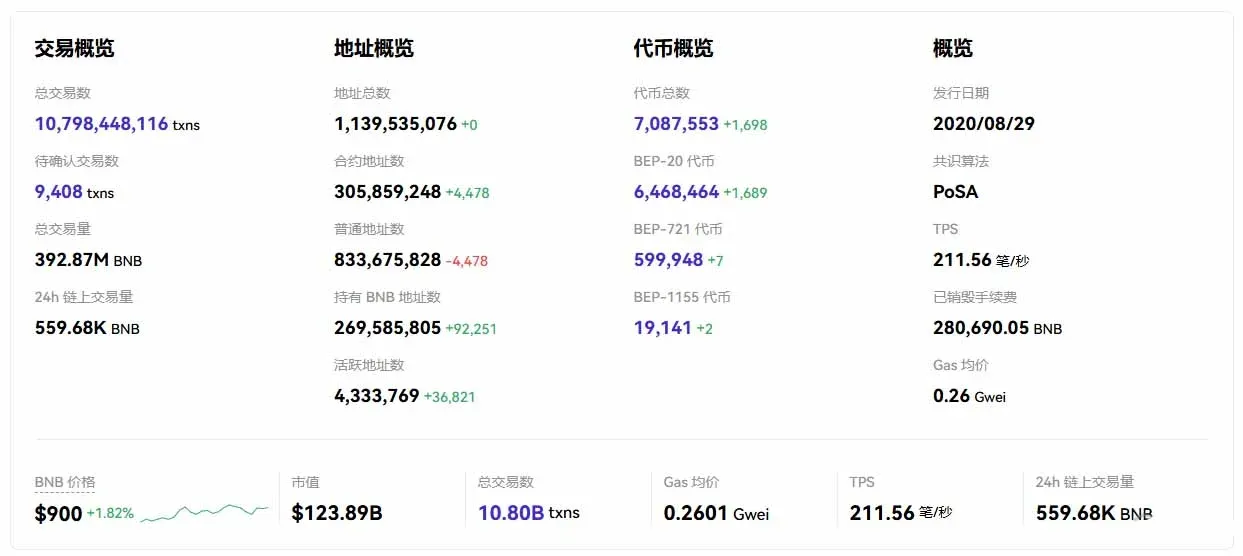
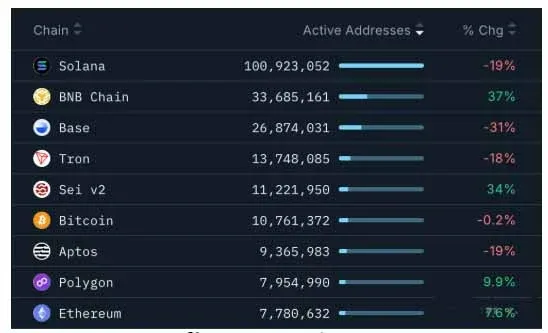
- While active addresses on the BNB Chain grew 37 % in the second half of 2025, most of that growth originated from Southeast Asia and Africa; activity in North America and Europe has slowed to single‑digit percentages.
3. The Unforgiving Constraints of Market Mechanics
- Analyst Linda Chen’s model indicates that crypto assets with a market cap above $50 billion typically see volatility drop by 40 %–60 %.
- Bridging the gap from today’s price to $10,000 would require roughly $400 billion of new market cap—about one‑quarter of the total crypto market’s current valuation. Absent a catalyst on the scale of global central‑bank digital currency adoption of blockchain, the probability of achieving this target within 18 months is extremely low.
Conclusion
In 2026, BNB stands at a crossroads filled with both opportunity and challenge. It no longer relies solely on endorsement from a single exchange; instead, it has become a core asset of a blockchain platform equipped with a full technology stack, a mature ecosystem, and growing institutional attention. Financial institutions that handle over $18 billion of real‑world assets on the BNB Chain may care more about the practical utility of using BNB for daily settlement than whether the token’s price can climb to $10,000. The path toward that price level will likely be a spiral‑up trajectory shaped by technical breakthroughs, ecosystem expansion, and ongoing regulatory dialogue.
*Please note that cryptocurrency gains may be taxable in your jurisdiction; consult local tax regulations or a professional advisor.*
All content of this article has been presented. For further BNB price analysis, search for historical articles by Bitaigen or explore the related links below. Thank you for your interest and support!
💡 Register on Binance with referral code B2345 for the maximum trading fee discount. See Binance complete guide.
⚠️ Risk Disclaimer: Crypto prices are highly volatile. This is not investment advice.



