
 Bitaigen Research
 Polkadot ( DOT ) is the native token of the Polkadot platform, serving core functions such as governance, staking, and cross‑chain transaction fees.
After completing registration on OKX and passing KYC, simply search for the DOT/USDT trading pair, enter the amount you wish to purchase, and confirm to complete the acquisition of Polkadot DOT.
We have compiled the essential functions of Polkadot DOT and a practical step‑by‑step workflow, providing detailed screenshots of each stage on the OKX platform—including registration, KYC, and locating the trading pair—to help newcomers get started quickly and purchase safely. Continue reading to master the full set of buying and trading points.
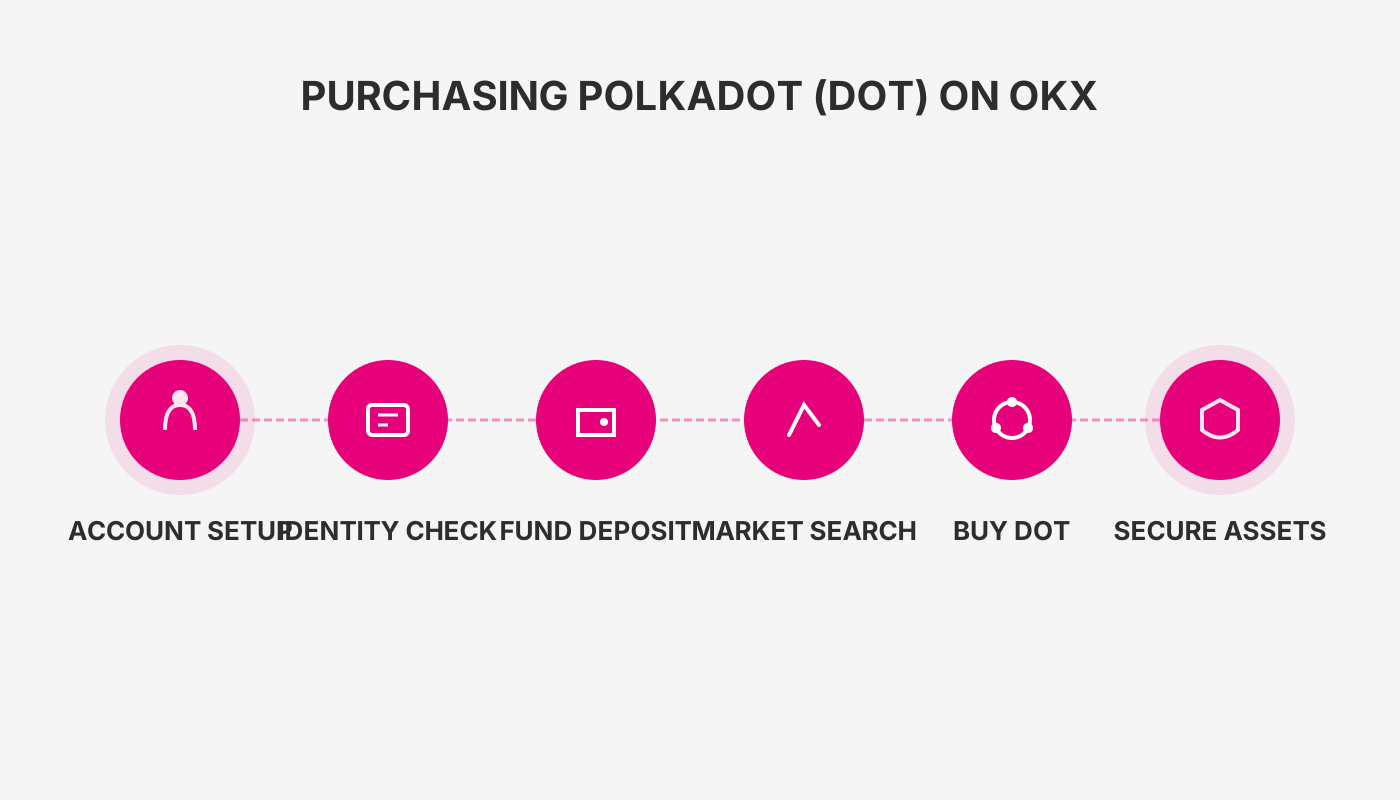
Step‑by‑Step Illustrated Guide to Buying and Trading Polkadot (DOT)
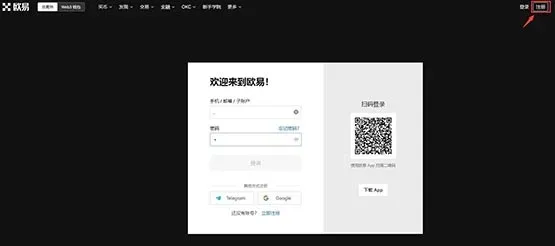
- Open the OKX website and click Register on the homepage to go to the registration page.
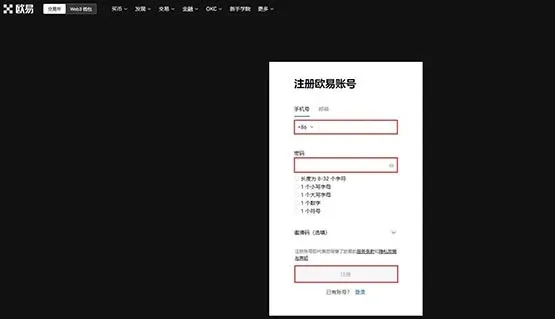
- It is recommended to register using a mobile phone number; after entering the phone number and password, click Register directly.
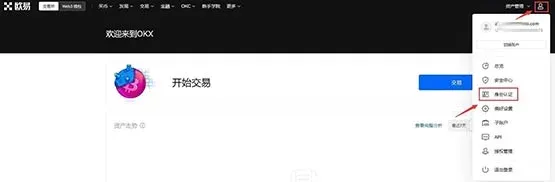
- New users must complete identity verification (KYC). Go to User Center → Identity Verification, finish the process, and only then can you trade.
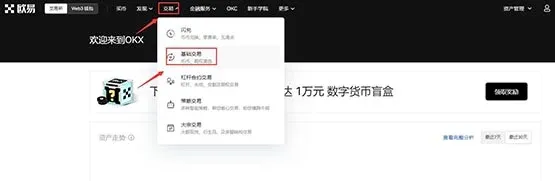
- After logging in, click Trade → Spot Trade to enter the main trading interface.
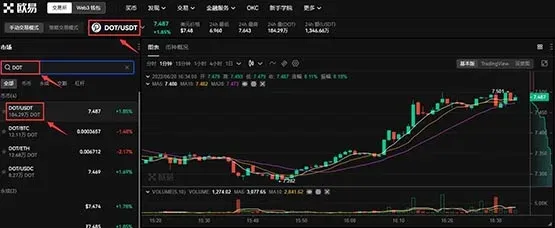
- In the search bar, type the ticker DOT, select the DOT/USDT pair, and you will see the real‑time market data.
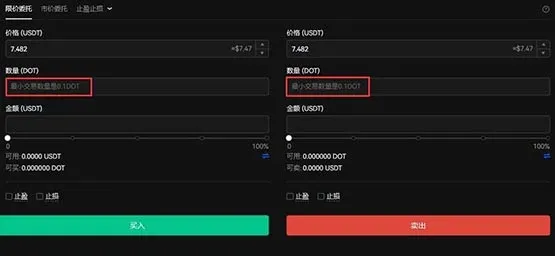
- Enter the amount you wish to purchase and click Buy; to sell, enter the amount you wish to sell and click Sell. Note that the minimum trade size for DOT is 0.1 DOT.
Funding note: OKX accepts fiat deposits in USD via SEPA or SWIFT transfers. Users based in the United States should use Binance.US for comparable services, as the global Binance platform is not available to U.S. residents.
Tax reminder: Cryptocurrency transactions may be subject to tax in your jurisdiction. Please consult a tax professional to understand any reporting obligations related to gains or losses from DOT trading.
Does Polkadot (DOT) Have Investment Potential?
Polkadot’s advantages are primarily reflected in four areas:
- Scalability: The sharding (parachain) architecture enables multiple chains to operate in parallel.
- Interoperability: Different parachains can share information and functionality with each other.
- Specialisation: Each parachain can be customised to meet specific business requirements.
- Fork‑less upgrades: Network upgrades are performed without hard forks, allowing new features to be added smoothly.
As the functional token of the Polkadot network, DOT has four core uses:
- Governance: Holders can vote on on‑chain proposals.
- Staking: Validators on the Relay Chain must lock DOT to run a node.
- Parachain bonding: New parachains must bond a certain amount of DOT to secure a slot on the network.
- Fees: Cross‑chain message passing incurs fees that are paid in DOT.
The pillars supporting the token’s value include:
- Ongoing collection of transaction fees.
- The bonding and locking of DOT required to obtain parachain slots.
As the Polkadot ecosystem attracts more developers, competition for parachain slots is expected to increase demand for DOT, which could positively affect its value. Overall, the price trajectory of DOT is closely tied to the health and growth of the Polkadot ecosystem.
The above constitutes the complete guide titled “How to buy Polkadot (DOT)? Step‑by‑step guide for buying and trading DOT.” For a deeper analysis of whether DOT possesses investment merit, stay tuned to future专题 articles from Bitaigen.
Related Reading
- Polkadot DOT: Governance, Interoperability & Value
- OKB Burn Frequency: Quarterly Burns & One‑Off Token Destruction
- Binance Alpha to List SUPERFORTUNE (GUA) – Airdrop Nov 27
💡 Register on Binance with referral code B2345 for the maximum trading fee discount. See Binance complete guide.



