
 Bitaigen Research
 Over Four Days, I Earned About $8,000 as a Polymarket LP: A Full‑Scale Practical Guide
In the past four days I ran a series of liquidity‑provider (LP) experiments on Polymarket, netting roughly $6,000 in Sponsored LP rewards and $2,000 in trading profit. Based on that hands‑on experience, I have broken the entire market‑making workflow into the following modules: market selection, order‑book layout, position control, risk mitigation, and time management. This approach is not the only possible solution, but given the current capital size, risk tolerance, and time that can be devoted, it has proven to be relatively robust and efficient.

At the Bitaigen editorial desk we have distilled the Polymarket LP workflow, focusing on market screening, order‑book layout, position management, and risk control. By walking through real‑world case studies, readers can quickly master efficient market‑making techniques and receive practical advice on time and capital allocation. It is worth a careful read.
1. Choose the Right Market First, Then Talk Market‑Making
The quality of a market often determines roughly half of the total return. A high‑quality contract typically exhibits the following traits:
- High trading activity and tight spreads: Large volume combined with naturally narrow price gaps reduces slippage, stabilises the order book, and raises the probability of continuously earning market‑making rewards.
- Clear event timing: Examples include sports outcomes, policy announcements, or scheduled result releases. Events with a definite deadline are easier to forecast, allowing you to position in advance and reduce the uncertainty caused by random price swings.
- Existence of “quiet periods”: During times of low news flow and muted volatility (e.g., late‑night hours or the minutes before a sporting event officially starts), price movement is usually limited, making it easier to place orders close to the mid‑price.
- Reward density higher than liquidity: Measured as “reward earned per $1 of liquidity deployed”. When rewards are more concentrated relative to the liquidity supplied, overall market‑making earnings become more pronounced.
2. Core Market‑Making Principles
1. Dual‑Side Orders (YES + NO)
Always anchor around the mid‑price and simultaneously place YES and NO orders on both sides. The objective boils down to three points: capture the spread, collect incentives, and retain market‑making eligibility. Dual‑side orders are fundamentally about providing liquidity, not about betting on a direction.
2. Prevent One‑Sided Position Accumulation
If trades keep filling on the same side, the hidden risk is rising. In that case you can:
- Post a reverse order close to the market price;
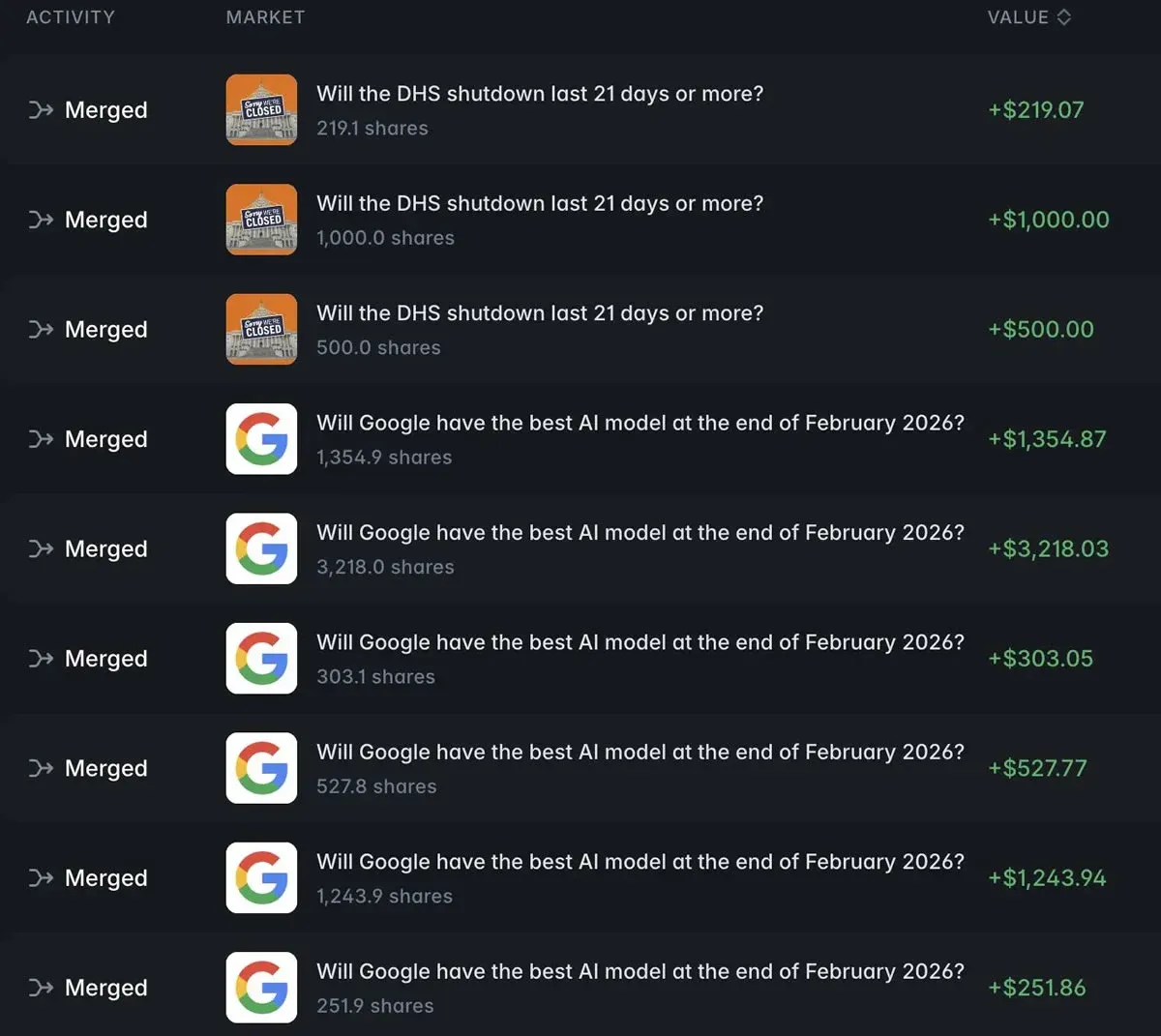
- Use a merge operation to reclaim liquidity;
- Actively trade at market price to restore a balanced two‑sided stance.
The core idea is to keep the overall position neutral, avoiding a shift from liquidity provider to directional speculator.
3. Proactively Cancel Orders During Market Anomalies
When sudden news, a critical real‑time event, or extreme volatility hits, it is better to widen the spread—or even pause order placement entirely. Sticking rigidly to a tight price during such moments often forces you to absorb other participants’ liquidity. A disciplined approach of pulling orders can better protect your earnings.
3. Tiered Order‑Book Layout
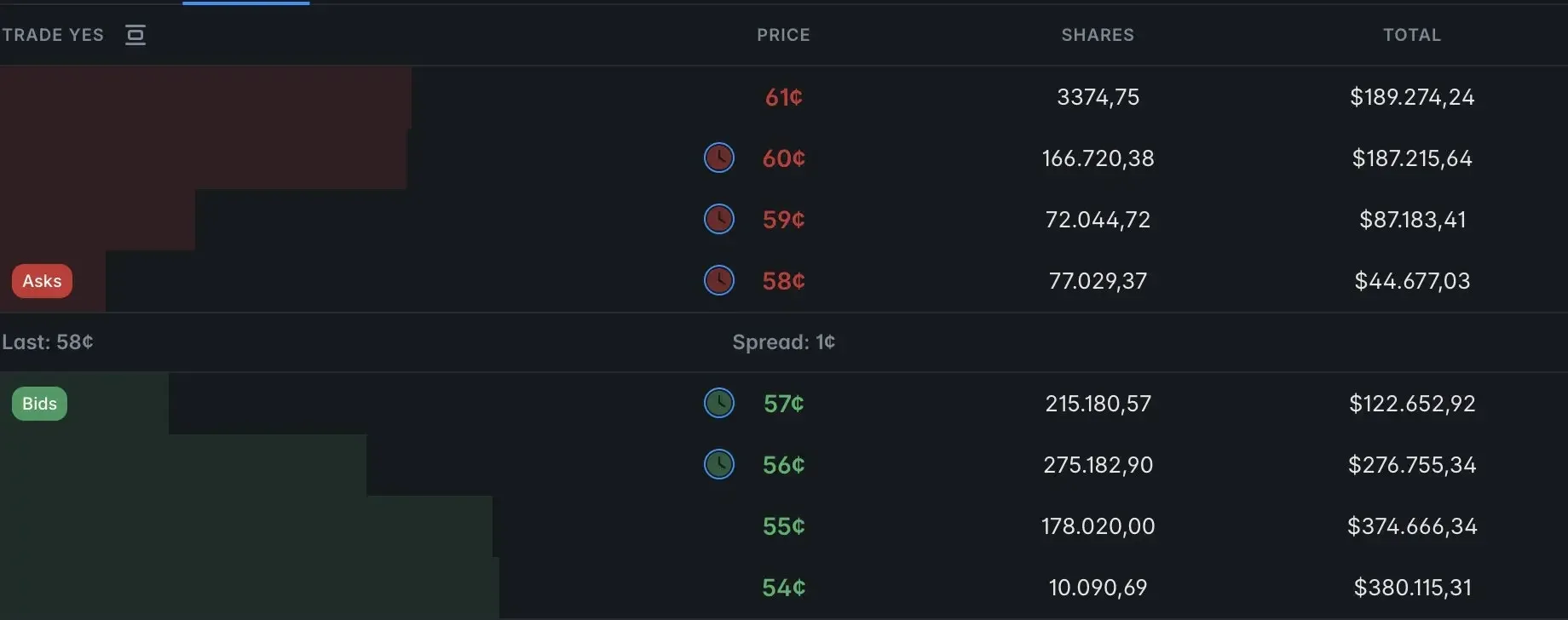
Instead of posting a single large order on each side, use a “ladder” structure that distributes orders across multiple price levels:
- Small orders near the mid‑price: Tight spreads and high fill probability generate continuous fees and rewards.
- Larger orders farther from the mid‑price: They act as a buffer, preventing rapid sweeping and leaving room for later position adjustments.
This hierarchical layout continuously supplies liquidity while lowering the chance of being precisely “picked off”. It becomes especially important when you are operating in several markets simultaneously.
4. Dynamic Spread Management
Start with a baseline spread, then tighten or widen it on the fly according to market conditions. The real advantage does not come from keeping the spread at its absolute minimum 24/7, but from hugging the market price only during safe, stable periods.
- Sudden volatility spikes: When price jumps quickly, proactively widen the spread to avoid being caught in a chain of sweeps.
- Major news or live events: The market re‑prices rapidly; you should moderately loosen quotes and, if necessary, pause altogether.
- Imbalanced positions: If one side is getting filled excessively, first widen the spread on that side while tightening the opposite side to coax the position back toward neutrality.
In short, when uncertainty rises, prioritize widening the spread or temporarily exiting; tighten quotes again once the market settles.
5. Position‑Balancing Techniques
Position imbalance is the root cause of most market‑maker failures. Continuous one‑sided fills do not equal “more profit”; they simply accumulate directional risk. The following two methods help you quickly regain a neutral stance:
- Sell the oversized side in batches: Gradually reduce exposure while freeing up capital.
- Fill the missing side then merge: When YES and NO holdings are asymmetric, buy the deficient side and execute a merge. This eliminates risk and returns capital simultaneously.
Avoid Becoming a “Liquidity Catch‑er”
Try not to place orders too close to the market price in the following scenarios:
- During a major announcement or a live, decisive event;
- In periods of extremely low liquidity and sparse trading;
- When a sudden price‑discovery process is underway.
A safer approach is to significantly widen the spread, reduce order size, or temporarily step back until the order book normalises, then re‑enter.
6. Time Commitment and Operational Rhythm
This framework does not demand constant screen‑watching, but it also isn’t a “set‑and‑forget” strategy. Most of the time the system can run automatically, yet you must stay ready to intervene quickly when the market behaves abnormally.
- Active management occupies roughly 10–20 % of the time: tasks such as capital deployment, tiered‑structure tweaking, spread adjustments, and position rebalancing.
- Passive runtime consumes about 80–90 %: the engine continuously posts orders, requiring minimal monitoring.
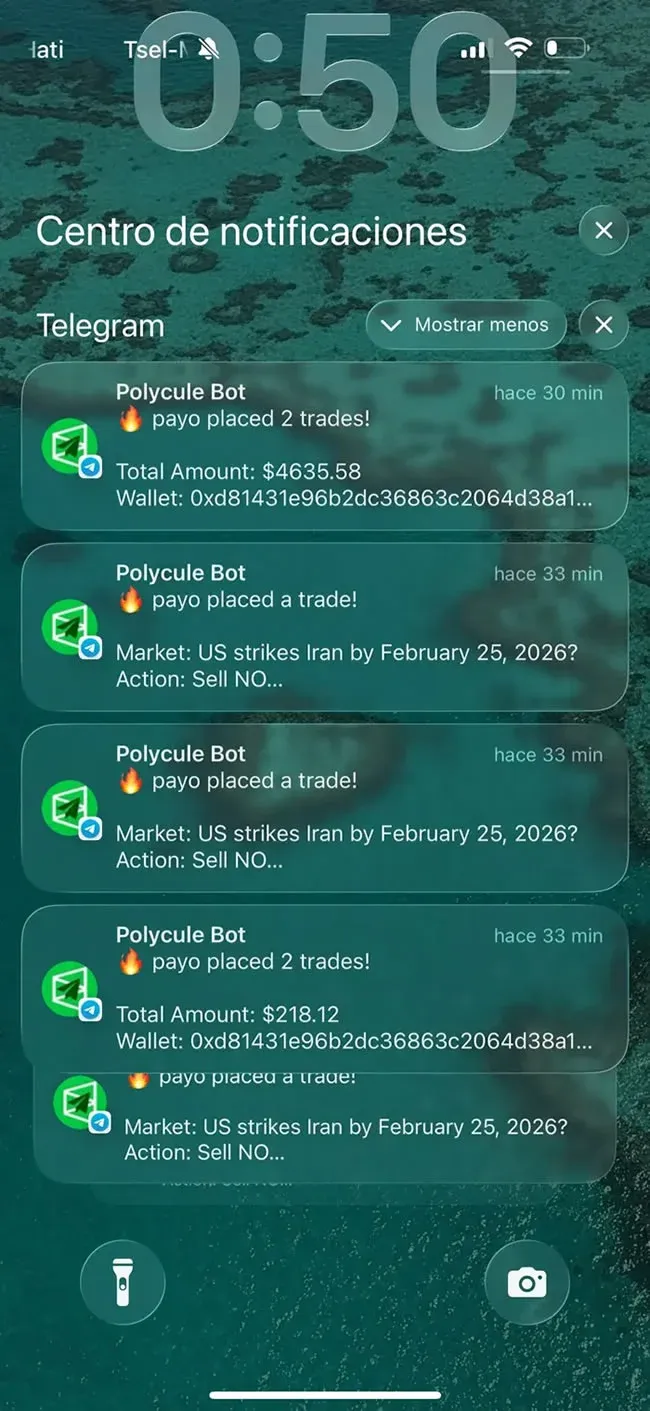
We recommend keeping a monitoring window open on your computer while also enabling mobile push notifications. As soon as an anomaly appears, you can jump in instantly.
7. Recommended Auxiliary Tools
- Betmoar (@betmoardotfun): Focuses on market screening and data visualisation, allowing you to quickly spot contracts with high reward density. Polymarket’s native reward display is not very intuitive; this tool speeds up the selection process.
- Polycule (Telegram Bot): Offers wallet tracking and transaction alerts, logging position changes in real time for later analysis.
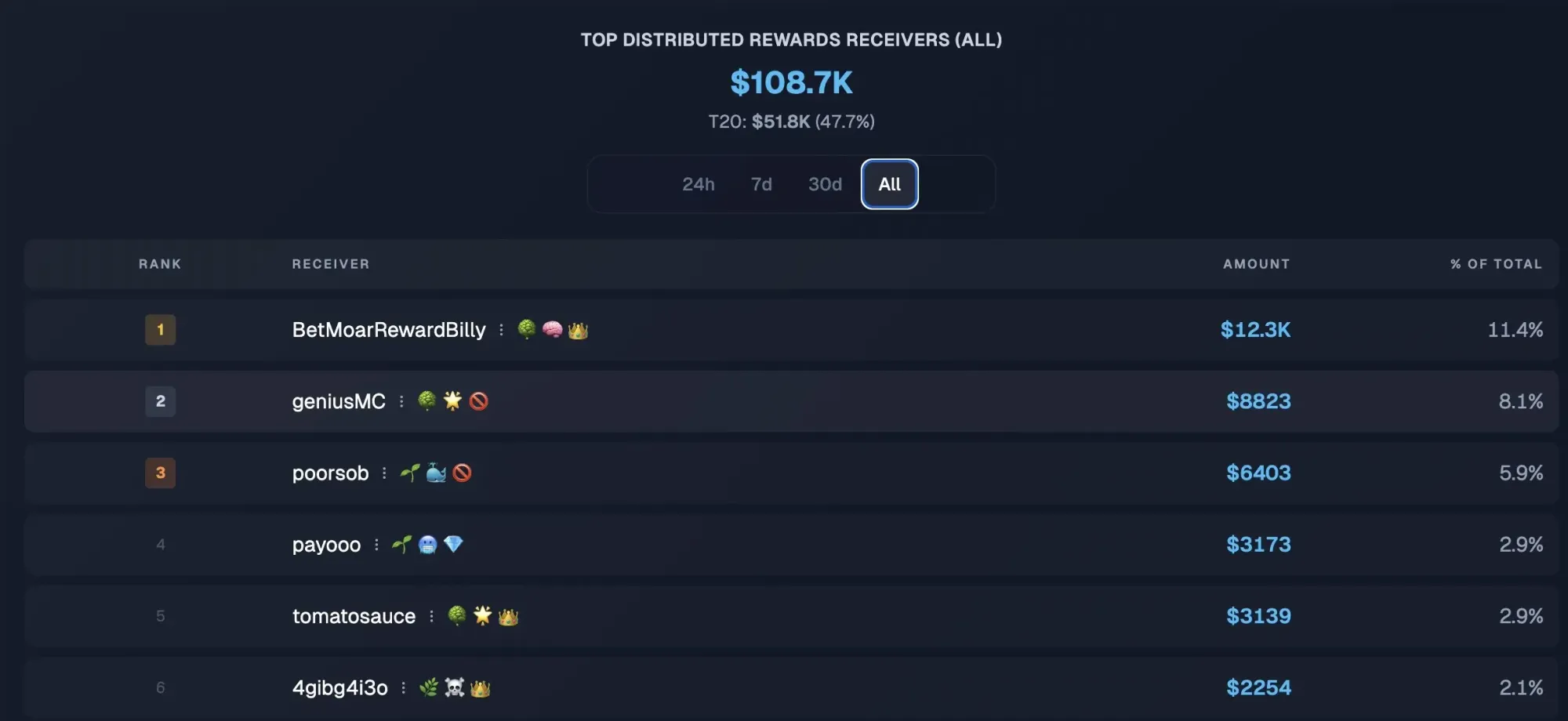
- PolyRewards (@PolyReward): Provides a fast lookup for reward earnings. Link: https://polyrewards.fun/.
These utilities are not mandatory, but they can markedly improve the speed of information acquisition and the precision of execution.
8. Closing Thoughts
The LP market‑making plan shared here reflects my own results under a specific capital size, risk tolerance, and time availability. Different capital amounts, risk preferences, or market environments can lead to markedly different outcomes; moreover, Polymarket’s incentive rules may change at any time. I hope this mindset offers a useful reference for anyone interested in market‑making on Polymarket. For more detailed operational tips, stay tuned to future Bitaigen (比特根) articles.
Tax reminder: Crypto‑related gains, including LP rewards and trading profits, may be taxable in your jurisdiction. Consult a local tax professional to ensure compliance.
💡 Register on Binance with referral code B2345 for the maximum trading fee discount. See Binance complete guide.
⚠️ Risk Disclaimer: Crypto prices are highly volatile. This is not investment advice.



