
 Bitaigen Research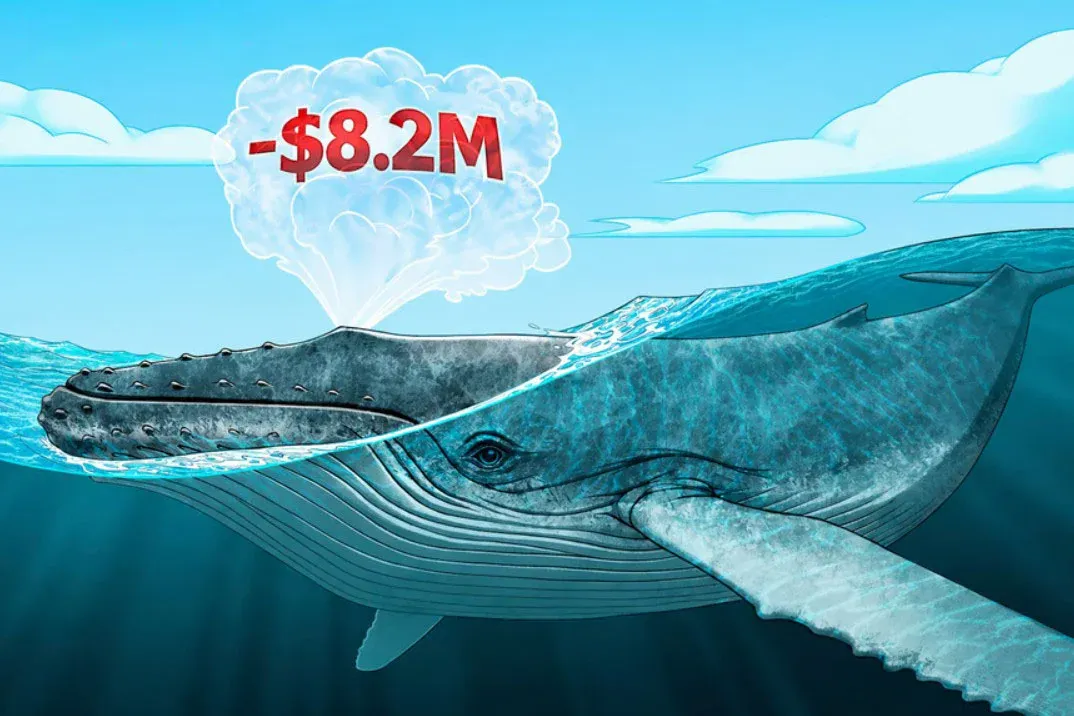
In this article we dissect an extreme case of a high‑leverage perpetual contract on the Lighter platform, outlining the whale trader’s execution path, the platform’s risk‑segregation mechanisms, and the profit‑loss structure of liquidity providers. By presenting granular data and on‑chain feedback, we aim to help readers understand the inherent risks of decentralized derivatives and the protective measures in place. A deeper analysis will follow in subsequent reports.
Risk cap limits LP losses to $75,000
Even though a massive liquidation cascade occurred, the actual loss incurred by liquidity providers (LPs) was tightly capped at roughly $75,000. This is made possible by Lighter’s dedicated isolation pool for ARC perpetual contracts, which is not directly linked to the exchange‑wide liquidity pool. Approximately 600 traders and market makers who held short positions opposite the whale’s direction consequently realized profits.
“In the end, the large‑scale long trader lost about $8.2 million USDC, LPs lost around $75,000, while traders betting on the short side made gains,” Lighter wrote in its post‑mortem report.
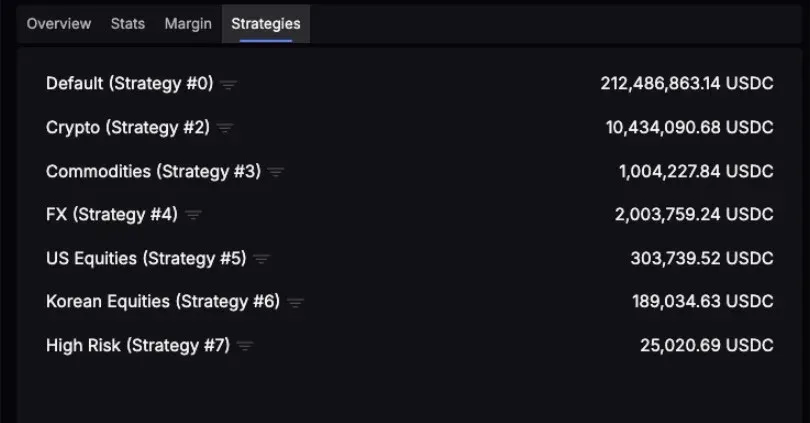
The LLP (Liquidity Provider Pool) strategy preserves upside potential while effectively curbing downside risk. *Source: Lighter*
Full picture of the event
A crypto “whale” active on the decentralized derivatives platform Lighter took a highly leveraged long position on the ARC perpetual contract. When the price retraced, the position was liquidated, resulting in a cumulative loss of roughly $8.2 million. Over a few days the trader kept adding to the exposure, pushing the ARC contract’s open‑interest to about $50 million, creating a pronounced one‑sided order book.
Around 6 p.m. Eastern Time on a Wednesday, ARC’s spot price slipped. Approximately $2 million of the position was liquidated directly from the order book, while the remaining exposure was transferred to Lighter’s Liquidity Provider Pool (LLP) and managed under a high‑risk strategy. The platform then activated its Automatic Deleveraging (ADL) mechanism: the system partially closed profitable short positions to ensure the overall exposure could be exited safely. Within a short window, the LLP absorbed roughly 200 million ARC tokens, valued at about $14.7 million, which were later trimmed further as the price kept falling.
After the incident, Lighter announced that to prevent a repeat of such risk it has imposed a $40 million open‑interest ceiling on ARC and incorporated the trading pair into a capped‑liquidity framework, reserving roughly $100,000 USDC as a buffer fund. If liquidity were to be exhausted, the system would automatically switch to ADL mode to complete the liquidation. Lighter indicated that similar caps could be rolled out to other assets in the future.
Concerns about manipulation on decentralized platforms
The episode unfolded amid growing worries about potential price manipulation on decentralized exchanges (DEXs). In August of last year, four large whales were accused of manipulating the price of the Plasma (XPL) token on the Hyperliquid platform— the token surged by about 200 % within minutes, briefly topping $1.80.
Furthermore, in June the DeFi protocol Resupply suffered a security breach in its wstUSR market. Attackers exploited the link between wstUSR and the synthetic stablecoin cvcrvUSD to manipulate prices, causing the platform to lose approximately $9.6 million.
The above provides a comprehensive overview of how a leveraged ARC trade on Lighter led a whale to lose $8.2 million. For further updates, stay tuned to Bitaigen (比特根)’s ongoing coverage.
*Note: Users in the United States should use Binance.US rather than the global Binance platform for fiat on‑ramps. For other regions, SEPA/SWIFT transfers are commonly used for USD deposits and withdrawals.*
💡 Register on Binance with referral code B2345 for the maximum trading fee discount. See Binance complete guide.
⚠️ Risk Disclaimer: Crypto prices are highly volatile. This is not investment advice.



