
 Bitaigen Research
 We have compiled the latest institutional outlook on silver in this article, dissecting the underlying supply‑demand dynamics and price drivers, and breaking down the key operational points for futures entry. By contrasting silver’s performance with gold, readers can assess whether the window to position for silver before 2026 remains open. Continue reading for an in‑depth analysis.
Conclusion: Is It Still Too Late to Invest in Silver Now?
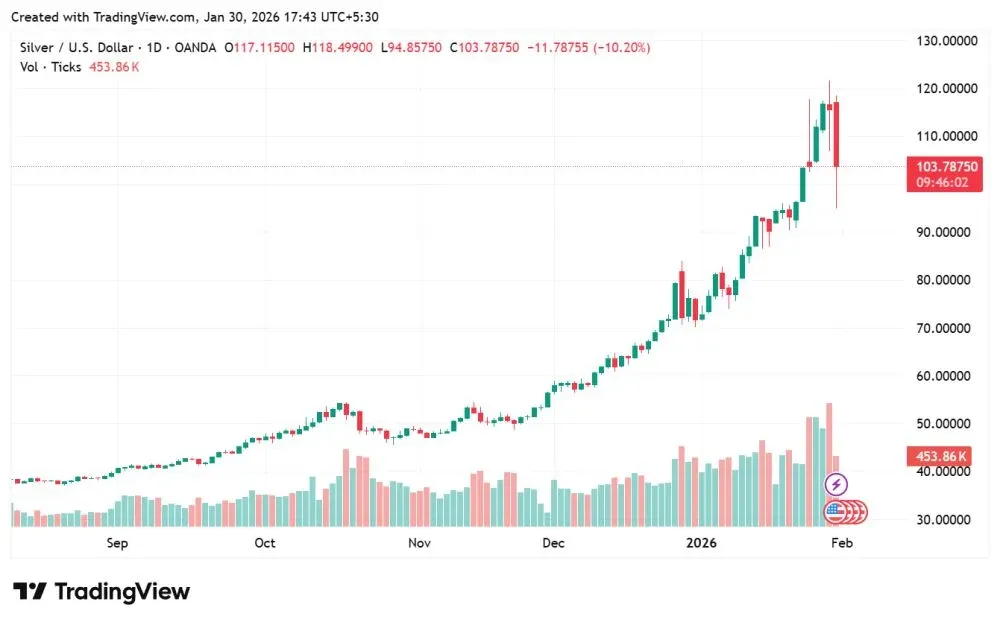
Multiple institutions, including analysts at Citi, are broadly bullish on silver’s near‑term prospects. Citi’s target price hovers around USD 150 per ounce, citing the convergence of industrial demand and speculative buying as a “perfect storm” for the market. At the same time, intra‑day price swings can reach about USD 10. For those who wish to avoid the costs and risks associated with physical storage, futures provide a relatively convenient gateway.
Through futures contracts, investors can:
- Capture volatility: leverage rapid price movements triggered by supply shortfalls and surging demand;
- Lower costs: sidestep the premiums and fabrication fees attached to bullion bars or coins;
- Maintain liquidity: enter and exit positions at will, reacting swiftly to market signals.
Consequently, futures offer a pathway to participate in silver’s unique risk‑return profile while preserving capital efficiency. Investors who like to switch freely among commodities, foreign‑exchange, and crypto assets can find a unified trading interface on Bitget TradFi, and employ the platform’s professional risk‑control tools to execute their strategies.
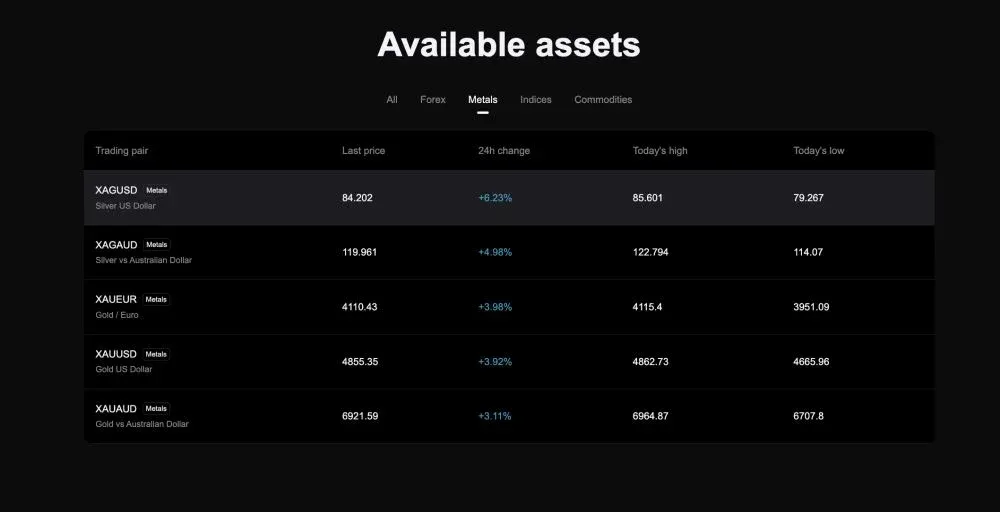
The 2026 Silver Squeeze
Looking back at the market in January 2026, silver was undeniably the star. While gold had already climbed to USD 5,500 per ounce, silver surged more than 65 % in the same month, breaking through the USD 120 per ounce threshold.
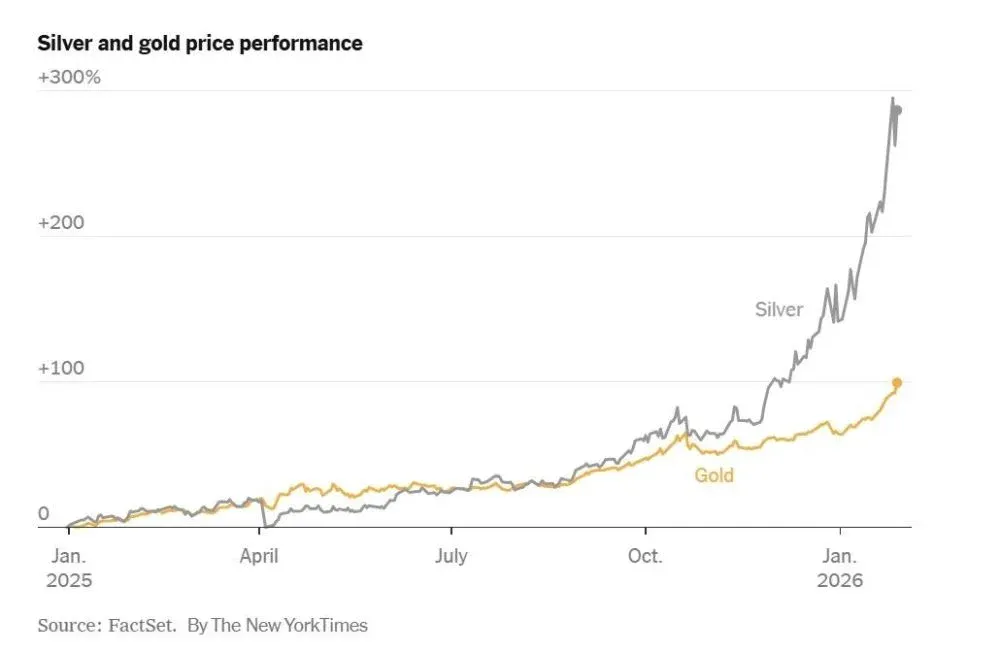
Historically, silver has been viewed as a “cheaper alternative” to gold, but in 2026 it has vaulted to become one of the world’s most critical metals.
Below we examine three angles that explain why silver is outpacing gold.
1. Silver: The “New Oil” for Emerging Technologies
Gold’s appeal lies primarily in its store‑of‑value attribute, whereas silver’s core competitive edge stems from its superior electrical and thermal conductivity, granting it unrivaled advantages in industrial applications. These properties have positioned silver as an indispensable component of today’s economic transition, especially in power distribution and heat‑management solutions.
As of 2026, analysts liken silver to the “new oil” of the digital economy—a key raw material powering next‑generation infrastructure rather than merely a speculative asset. Currently, silver is being consumed heavily by rapidly growing sectors such as:
- Artificial‑Intelligence boom: Data centers require high‑performance computing hardware (e.g., connectors and power systems). Silver’s conductive and heat‑dissipating traits make it a core material for these devices.
- Green‑energy expansion: The swift rollout of solar panels, electric vehicles, and other environmentally friendly technologies is driving up silver usage in batteries and complex electrical systems, causing factory consumption to outpace mining output.
2. Trade Tensions and Global Supply Tightening
At the start of 2026, the silver supply chain suffered unprecedented disruption. Beginning January 1, major refining firms and exporters were forced to implement stricter export‑license regimes, sharply reducing the amount of silver available to overseas markets and creating a tight global physical supply.
Entering 2026, the persistent structural gap—where demand consistently exceeds supply—has kept the market under pressure. The annual growth rate of industrial consumption now outstrips the combined pace of mined production and recycled inflows. Manufacturing hubs in the United States, Europe and other import‑dependent regions face fierce metal competition as export channels tighten, directly pushing spot prices and premiums higher.
Simultaneously, inventories at key delivery hubs such as COMEX and the London Bullion Market Association have contracted markedly, further confirming the reality of a supply shortage. Policy‑driven export limits, dwindling global stockpiles, and ever‑rising industrial demand together reshape silver’s supply‑demand dynamics, intensifying volatility and tightening availability.
3. The “Poor‑Man’s Gold” Effect
When gold breached USD 5,500 per ounce, many retail investors felt priced out. This psychological barrier sparked the so‑called “poor‑man’s gold” effect—retail participants shifting to the relatively affordable silver for wealth preservation.
Even though silver has climbed to around USD 120 per ounce, it still feels more accessible. Compared with other assets, silver is perceived as a lower‑entry‑point hedge against inflation. As more individual investors jump on board, buying pressure creates a positive feedback loop: rising prices attract additional attention, which in turn fuels further demand and price appreciation.
Frequently Asked Questions
Why is silver currently more suitable than gold for beginners?
Silver’s recent outperformance is driven by two major forces: massive industrial demand and enthusiastic investor sentiment. Unlike gold, which is primarily a store‑of‑value asset, silver underpins emerging sectors such as AI and green energy, earning it the nickname “new oil.” Moreover, its per‑ounce price is far lower than gold’s, giving it the “poor‑man’s gold” appeal and making it a lower‑threshold inflation hedge.
Is it still timely to start trading silver now?
Although silver has already crossed USD 120 per ounce, many analysts see further upside, with some institutions targeting roughly USD 150 per ounce. The combination of supply constraints and demand acceleration is often described as a “perfect storm.” However, newcomers should be mindful of silver’s high volatility; price swings can be sharp.
What is the simplest way for a beginner to start trading silver?
For novices, silver futures are generally more convenient and cost‑effective than physical bars or coins. Futures trading eliminates concerns about storage, security, and hefty mark‑ups, allowing direct participation in price movements. Platforms such as Bitget TradFi provide a secure environment for silver futures, enabling investors to react quickly to market changes.
What are the main risks of trading silver?
Silver’s greatest risk lies in its pronounced volatility. The same factors that can push prices upward may also trigger rapid pull‑backs, with intra‑day moves of USD 10 not being unusual. Therefore, establishing a clear trading plan and employing risk‑management tools is essential. Futures contracts give traders flexibility to size positions and mitigate the impact of sudden spikes.
Is silver truly the “new oil”?
Calling silver the “new oil” highlights that its value is no longer tied solely to investment demand; it now serves as a critical input for next‑generation technologies. Broad adoption in AI data centers, solar components, and electric‑vehicle systems has created a structural supply‑demand imbalance—factory demand is outpacing mining supply. This industrial foundation offers a solid long‑term support for silver, reducing reliance on “panic buying” dynamics.
The above discussion explains why silver is poised to outperform gold in 2026 and whether now is an appropriate entry point. For deeper analysis of silver’s 2026 outlook, feel free to explore additional articles from Bitaigen.
Note: Gains from cryptocurrency or futures trading may be subject to taxes in your jurisdiction. Users in the United States should access futures markets via Binance.US or other compliant platforms, while international users can use SEPA/SWIFT for fiat transfers.
Related Reading
- ZORA Token Economics: Incentives, Liquidity & Outlook
- Bitcoin Bear Market Bottom Confirmed – 2026 Mirrors Past Cycles
- Bitcoin Pull‑Back to Moving Averages Signals $78K Bounce – March 2026
💡 Register on Binance with referral code B2345 for the maximum trading fee discount. See Binance complete guide.
⚠️ Risk Disclaimer: Crypto prices are highly volatile. This is not investment advice.



