
 Bitaigen Research
 With the rise of cryptocurrencies and blockchain technology, a new way to earn returns through investment has emerged—staking.
The main benefits of staking cryptocurrencies include earning passive income, ease of use, low energy consumption, and enhancing token scarcity, which can also improve network security and reduce inflation risk.
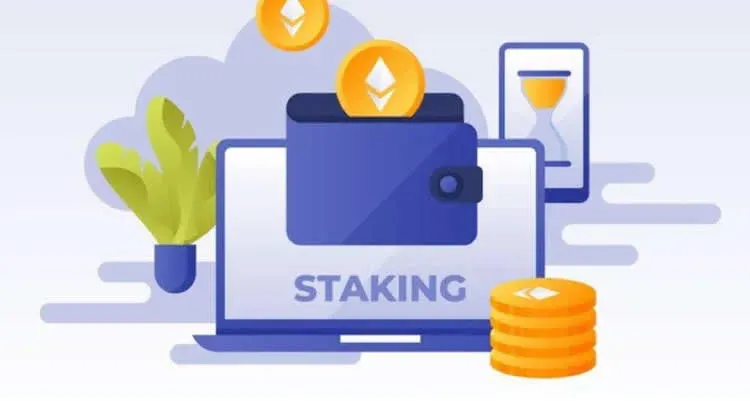
In this article we outline the core advantages of staking cryptocurrencies, from passive earnings to user‑friendly operation, low energy use, and the potential impact on token scarcity, helping readers quickly assess whether this approach fits their investment strategy. Below, four detailed categories are presented step by step, and they are worth a careful read.
What are the benefits of staking cryptocurrencies?
The advantages of staking can be grouped into four categories: earning opportunities, usability, low energy consumption, and value enhancement. Each is explained in turn.
1. Earning opportunities
- Passive income: Staking works similarly to a fixed‑term deposit at a bank; holders lock their assets in the network and receive fixed or variable rewards.
- Asset utilization: During market volatility, unstaked tokens may depreciate as prices fall; staking allows idle assets to generate returns, lowering the effective cost of holding.
2. Usability
- Low entry barrier: As long as you own a token that supports staking and have a compatible wallet, the process can be completed in a few minutes without any specialized node‑maintenance knowledge.
- User‑friendly interface: Most exchanges and wallets have integrated “one‑click staking” features; the workflow is comparable to opening a bank deposit account and presents virtually no onboarding obstacles.
3. Low energy consumption
- Environmental advantage: Compared with proof‑of‑work (PoW) systems that require massive computational power, proof‑of‑stake (PoS) consumes far less electricity.
- Sustainability: Reduced energy use lowers the operating costs of the network, which, over the long term, benefits the health of the ecosystem.
4. Increasing token value and scarcity
- Supply tightening: Staking locks a portion of tokens on‑chain, decreasing the circulating supply and potentially providing price support.
- Trust signal: Large‑scale staking demonstrates holders’ confidence in a project, boosting credibility among other investors.
- Inflation hedge: The issuance of staking rewards can partially offset the erosive effect of inflation on token purchasing power, helping assets retain value.
What is cryptocurrency staking?
The core principle of staking is analogous to a bank deposit: users lock their tokens in a blockchain network, and the network uses those locked assets to elect validators, confirm transactions, and distribute rewards to participants. Unlike traditional fiat savings, staking not only generates earnings for token holders but also directly strengthens the network’s security and operational efficiency.
- Dual benefit: ① Earn additional tokens through rewards; ② Provide reliable consensus support for the blockchain.
- Consensus mechanism: Today, the dominant proof‑of‑stake (PoS) model has become the second‑largest blockchain consensus method, with major projects such as Ethereum and Cardano already employing it.
Risks to be aware of
- Market volatility: The price of the staked token may decline during the lock‑up period, resulting in actual returns that fall short of expectations.
- Liquidity risk: Some projects impose long staking periods; withdrawing early may incur penalties or require a waiting period before the assets are released.
- Technical risk: If the staking platform or validator node suffers a security breach, assets could be lost.
Before deciding to stake, investors should thoroughly understand the project’s technical details, reward structure, and lock‑up terms, assess their own risk tolerance, and develop an appropriate strategy.
Note on taxation: In many jurisdictions, profits generated from staking are considered taxable income or capital gains. Participants should consult local tax regulations and, if needed, seek professional advice.
Global‑market tip: When converting staking rewards to fiat, you can use USD transfers via SEPA or SWIFT, and users residing in the United States should use Binance.US rather than the global Binance platform.
Related Reading
- Cryptocurrency Contract Addresses: Why Accuracy Matters
- 2025 Cross‑Chain Bridge Guide: Top 5 Asset Migration Options
- Ethereum Virtual Machine (EVM) Basics: Core Concepts
💡 Register on Binance with referral code B2345 for the maximum trading fee discount. See Binance complete guide.



