
 Bitaigen Research
 USDT is favored by many investors because of its stability, but some USDT may be used for illicit activities, creating what is commonly referred to as black U.
You can identify black U by using a blockchain explorer to look up the transaction hash and by checking the historical transaction records of the sending and receiving addresses; this allows a quick assessment of whether the USDT originates from a legitimate source.
In this article we provide a practical guide to operating blockchain explorers, helping readers quickly spot potential black U risks. By breaking the process down into clear steps and recommending useful tools, you can independently verify the legality of a USDT source, reduce transaction risk, and raise compliance awareness. In addition, we remind you to stay informed about the latest regulatory developments so you can adjust your asset‑management strategy in a timely manner.
Note for U.S. readers: when using centralized exchanges, you must use Binance.US rather than the global Binance platform.
Tax reminder: crypto‑related gains may be taxable in your jurisdiction; consult a local tax professional for guidance.
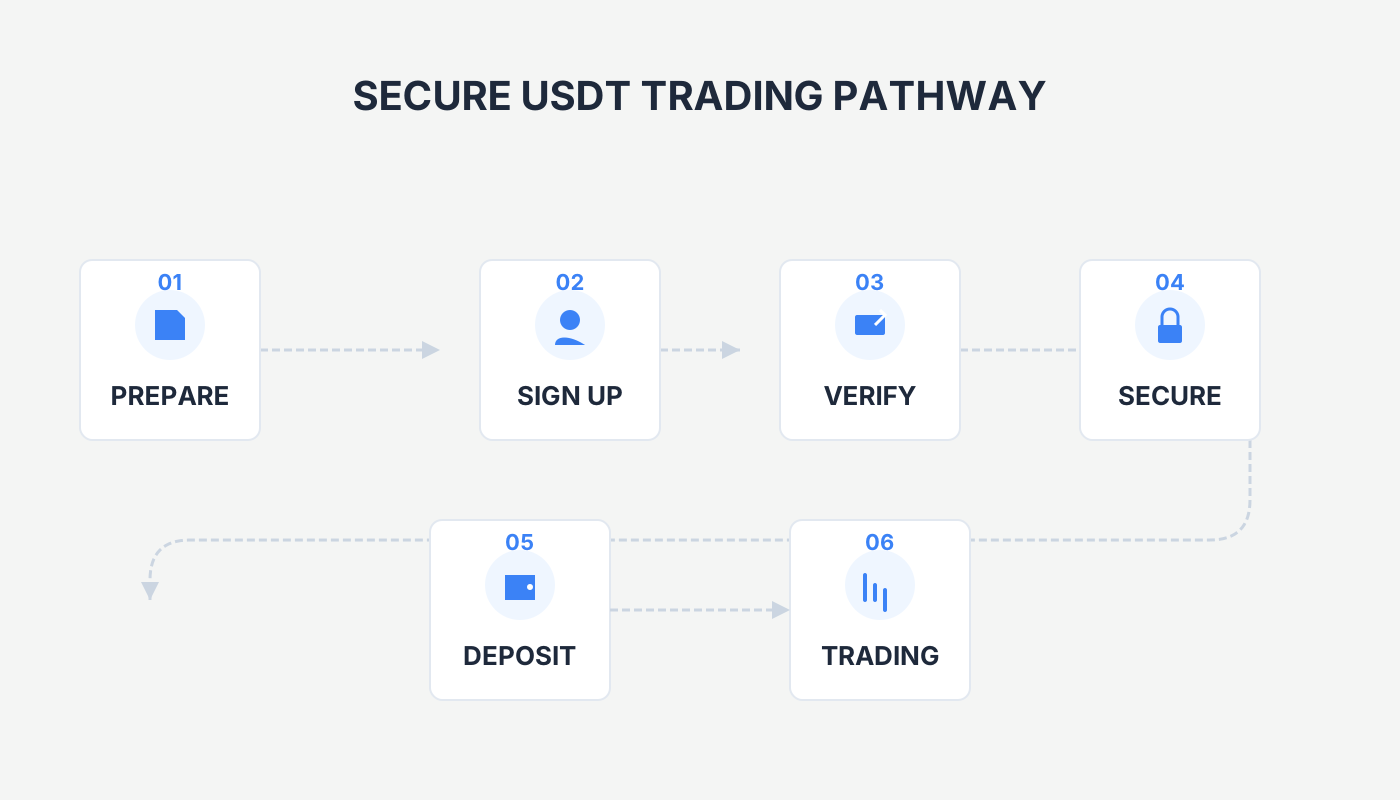
How to Identify Black U USDT
Black U refers to USDT obtained through illegal means, such as scams, money‑laundering schemes, or hacking incidents. Holding or transacting black U increases legal exposure, so confirming whether the USDT in your wallet is “clean” is essential.
Common Query Tools
- Blockchain explorers – Directly query transaction details; suitable for all users.
- Third‑party compliance platforms such as Chainalysis and CipherTrace, which can provide deeper source analysis.
Below we detail the step‑by‑step procedure for using a blockchain explorer to determine whether a USDT transfer is legitimate.
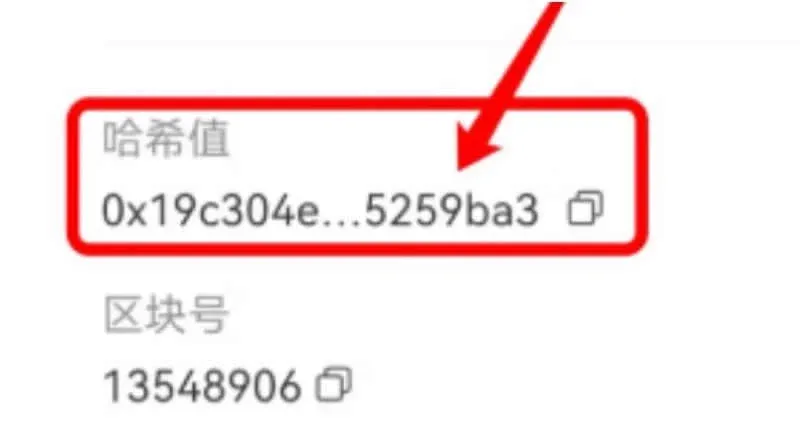
Step 1: Obtain the Transaction Hash
Every USDT transfer generates a unique transaction hash. Log into your wallet, locate the relevant USDT transaction record, and copy the hash value.

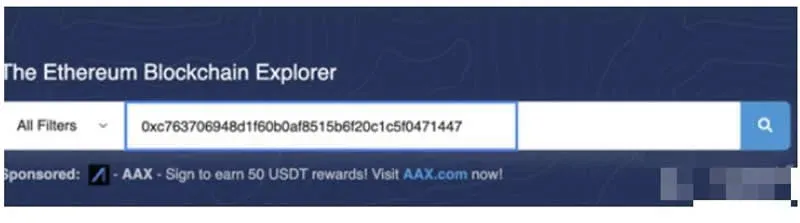
Step 2: Choose a Blockchain Explorer
Open a explorer that supports USDT, for example Etherscan (Ethereum) or Tronscan (TRON), and paste the transaction hash into the search bar.
Step 3: Review Transaction Details
After searching, the page will display the sending address, receiving address, transfer amount, and other relevant fields. This information allows a preliminary assessment of the transaction’s origin and destination.
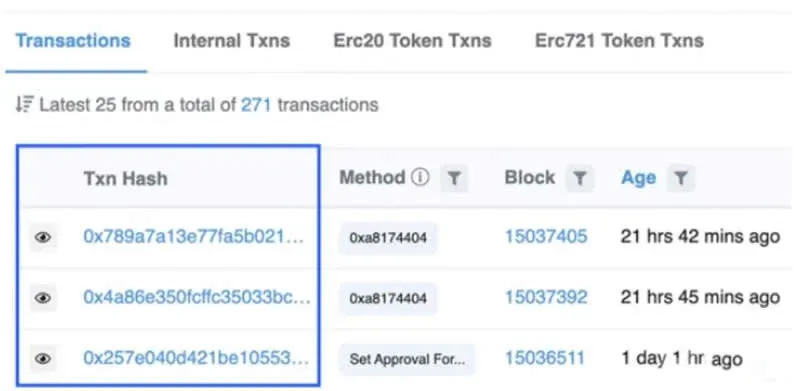
Step 4: Inspect Address History
Click through to the history of both the sender and receiver addresses. If you notice a large volume of suspicious transfers or a link to addresses that have been flagged as illicit, the USDT in question is likely black U.
Common Sources of Black USDT
Black USDT mainly originates from telecom scams and online gambling platforms.
- Telecom scams – Criminals convert illegally obtained funds (often called “dirty money”) into USDT to facilitate laundering on exchanges.
- Online gambling – Some gambling sites require USDT for deposits; winnings are later withdrawn to exchanges. When authorities shut down such platforms, the associated USDT is treated as black U.
Law‑enforcement agencies typically trace the involved wallet addresses, then freeze and seize the related exchange accounts, often using SEPA or SWIFT channels for fiat transfers where applicable.
Reducing the Risk of Black U
- Choose reputable, compliance‑focused exchanges.
- Be cautious of advertisements offering USDT at unusually low prices; avoid impulsive purchases.
- Protect your personal data and never transfer funds via unknown encrypted chat applications.
Understanding the risks of black U and mastering blockchain‑explorer verification methods helps investors maintain safety when dealing with crypto assets. As blockchain security technologies continue to evolve, the industry as a whole will become more effective at identifying and blocking the circulation of illicit USDT.
Related Reading
- USDT Stablecoin: Market Role, Exchange Flow & Price Insight
- Find Token Contract Addresses via Explorers & Wallets
- Blockchain Explorers: Track Transactions, Addresses & Blocks
💡 Register on Binance with referral code B2345 for the maximum trading fee discount. See Binance complete guide.



