 Bitaigen Research
 In this article we systematically outline the core concepts and underlying technology of NFTs, helping readers quickly clarify the uniqueness, ownership, and use cases of non‑fungible tokens, and analyze their real‑world value in digital art, gaming and other fields. We dispel common misconceptions and provide a panoramic understanding of this new class of digital assets.
Driven by blockchain technology, NFT (Non‑Fungible Token) has evolved from a niche experiment to a highly‑watched form of digital asset. Its core characteristics—uniqueness, indivisibility, and verifiable scarcity—provide entirely new ways to implement digital collectibles, proof of ownership, and many other scenarios.
What are NFTs?
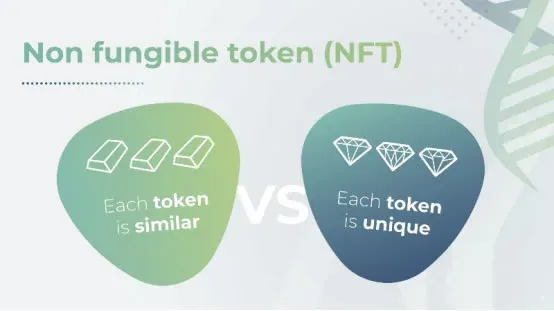
Unlike fungible tokens such as Bitcoin or Ether, NFTs use dedicated standards like ERC‑721, giving each token a unique identifier on the chain. Because of this, NFTs cannot be substituted for one another, nor can they be exchanged on a one‑to‑one basis like fiat currency. For example, a five‑dollar bill can be swapped with any other five‑dollar bill, while an NFT corresponds only to its own singular attributes, and its smallest unit is always 1; it cannot be further divided.
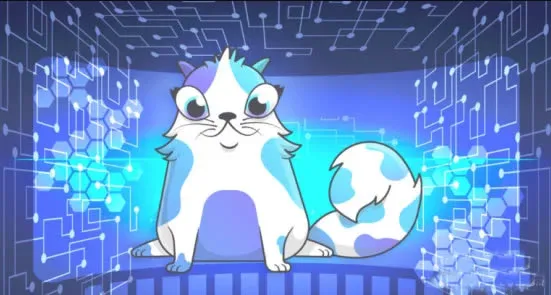
Fundamentally, an NFT is comparable to a digital collectible or a certificate of ownership. Its value stems from the fact that the blockchain can enforce a 1:1 or limited‑edition issuance, while also providing tradability and defined use cases. Since the debut of projects such as CryptoPunks and CryptoKitties in 2017, the NFT ecosystem has expanded rapidly. According to NonFungible.com, cumulative token trading volume has exceeded USD 109 million, and last week alone surpassed USD 1 million in sales.
Different Types of NFTs
The programmable nature of NFTs allows virtually any form of digital asset to be tokenized. The most common categories in the market today include:
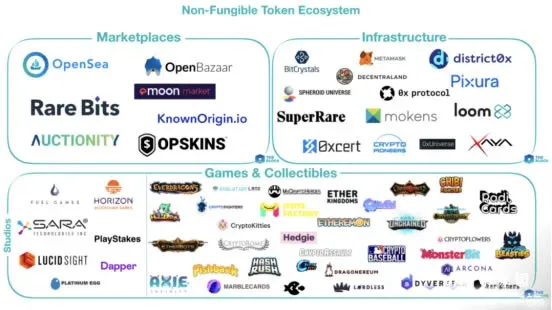
- Digital Art – platforms such as SuperRare, KnownOrigin, Async Art, Rarible;
- Digital Music – Mintbase, InfiNFT;
- Virtual Real Estate – Cryptovoxels, Decentraland;
- VR Wearables;
- In‑Game Assets – Axie Infinity, Sorare, Gods Unchained;
- Event Tickets/Admission Passes;
- Subscription Badges;
- Blockchain Domain Names – Ethereum Name Service, Unstoppable Domains;
- Tokenized Luxury Goods (e.g., fine wine);
- Tokenized Insurance Policies (e.g., yEarn’s yInsure).
Creating an NFT: Starting with the File
To issue an NFT, the first step is to decide which type of media you want to tokenize. Supported file formats are abundant, covering images (JPG, PNG, GIF, etc.), audio (MP3, etc.) and 3D models (GLB, etc.). Once the original file is ready, you simply upload it to a chosen minting platform; the platform then generates a unique on‑chain identifier for that file, completing the initial creation of the NFT.
How to Mint NFTs
Within the Ethereum ecosystem, several minting service providers cater to different creator needs:
- Open‑DIY Platforms – OpenSea, Rarible, InfiNFT, Mintbase, Cargo, etc. Creators can mint without additional approval, suitable for digital art, membership tokens and many other assets.
- Membership‑Based Platforms – SuperRare, Async Art, and similar services apply a vetting process; only creators who pass the review can issue tokens, focusing primarily on high‑quality artwork.
After preparing the file and selecting a platform, you must connect an Ethereum wallet, upload the file, and fill in descriptive metadata. At this stage you can set royalty percentages, decide whether the piece is a single edition or part of a series, and configure unlockable content. Then you submit the transaction and pay a certain amount of ETH as gas fee to finalize the mint. Because Ethereum gas fees have remained high recently, creators often lower costs by waiting for network congestion to ease, using Layer‑2 scaling solutions, or modestly compensating the gas fee within the NFT’s sale price. *(U.S. users should use Binance.US for any USD transactions; SEPA or SWIFT can be used for euro or other fiat transfers.)*
Selling NFTs
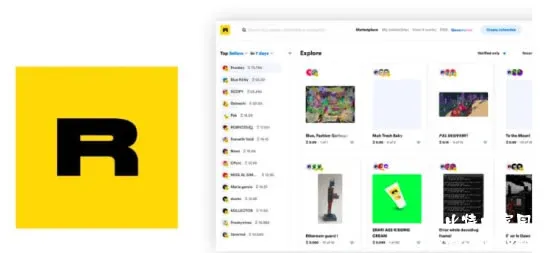
Public marketplaces such as OpenSea and Rarible provide convenient secondary‑market channels. After linking your Ethereum wallet to the platform, minted NFTs appear in your asset list; clicking “Sell” lets you set a fixed price or launch an auction, then sign to confirm. If you are reselling someone else’s NFT, the workflow is essentially identical: select the asset → click “Sell” → sign the transaction.
Evaluating and Collecting NFTs
There is no universal pricing formula for NFTs, but the following factors are commonly considered:
- Creator Reputation – A 1:1 work by a well‑known artist usually commands a higher premium than pieces by newcomers.
- Scarcity – Limited‑edition or unique items tend to be valued higher than mass‑produced copies.
- Provenance and History – On‑chain records, issuance date and related metadata influence buyer perception.
On platforms like OpenSea you can view the “floor price” of comparable NFTs, which is the lowest current sale price on the market; this serves as a benchmark for bidding or pricing. Monitoring trading volume and activity also helps assess a project’s liquidity. From a security standpoint, the “not your keys, not your crypto” principle remains critical—store NFTs in hardware wallets or distribute them across multiple wallets to reduce the risk of hacking.
Conclusion
We are currently in a rapid growth phase of the NFT economy, with market size expanding exponentially. As NFTs continue to integrate with DeFi, their practical use cases are expected to diversify further—from gaming assets to traditional collectibles and even real‑estate—potentially spawning innovative models built on tokenized ownership. Although the NFT market remains smaller and less standardized than DeFi, it already offers creators unprecedented monetization pathways.
Looking ahead, as public blockchains beyond Ethereum improve NFT support, more artists, developers and investors will join the ecosystem, driving both technological and business‑model evolution. For a deeper dive into NFT concepts and the latest developments, stay tuned to Bitaigen’s (比特根) upcoming special reports.
*Please note that gains from the sale or exchange of crypto assets, including NFTs, may be subject to tax in your local jurisdiction. It is advisable to consult a qualified tax professional.*
Related Reading
- NFTs Go Mainstream: Celebrity Endorsements Fuel Explosive Growth
- Blockchain Finance: Core Concepts, Uses & Future Trends
- SDN Cloud‑Edge‑Endpoint Architecture with Blockchain
💡 Register on Binance with referral code B2345 for the maximum trading fee discount. See Binance complete guide.



