
 Bitaigen Research
 The safest way to purchase USDT depends on private‑key ownership, fee structure, and regulatory risk. Domestic users can safely acquire USDT through four channels: centralized exchanges, payment gateways, P2P platforms, or decentralized exchanges. The key factors are who holds the private key and the fee exposure.
Key Takeaways
- There is no single “best” way to buy; the choice should be based on the user’s goals, location, and risk tolerance.
- Buying USDT and later storing it are two independent decisions that require appropriate tools and security measures.
- Most risks arise after the purchase, including custodial risk, withdrawal freezes, and network errors.
In this article we outline the four main channels for domestic users to obtain USDT and evaluate them from three dimensions—private‑key ownership, fee structure, and regulatory risk—to help beginners and more advanced users make suitable choices in different scenarios. A follow‑up will detail storage and protection measures, so stay tuned.
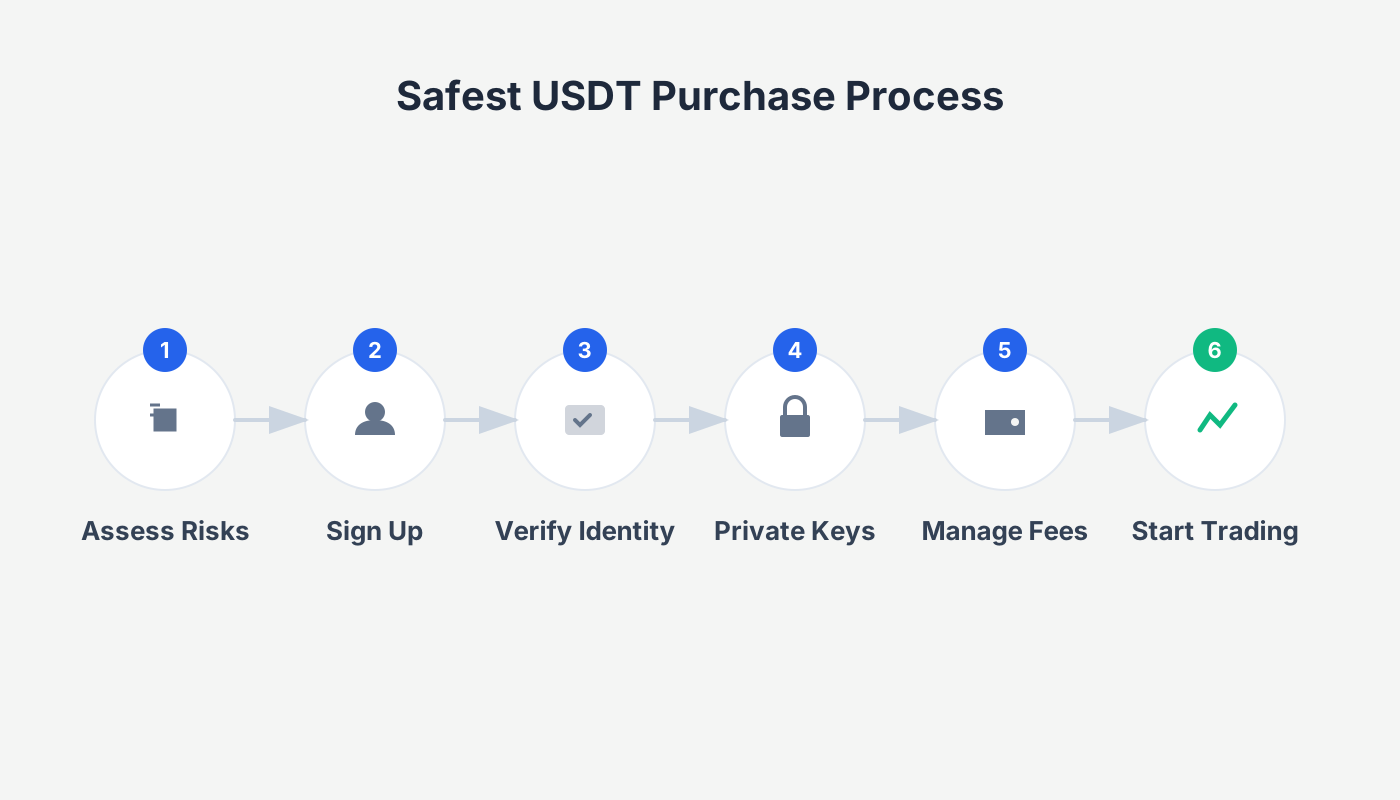
How to Safely Purchase USDT: Core Methods and Trade‑offs
The core of a safe purchase is not to hunt for the “most correct” platform, but to understand how the four types of channels operate and to assess the interaction of the three major elements below:
- Custody Rights – Who controls the private key
- Execution Method – Exchange, P2P, payment gateway, or on‑chain DEX
- Post‑Purchase Storage – Where the asset ultimately resides
These three together determine the overall security level, not brand reputation or transaction speed.
Fundamental Knowledge You Must Have Before Buying USDT
What Is USDT and How Does It Work?
USDT (Tether) is a stablecoin pegged to fiat currencies—primarily the US Dollar—issued by a centralized entity and backed by reserves. It is widely used for trading, payments, and DeFi scenarios. Although its value is relatively stable, it still carries issuer risk, regulatory risk, and operational dependency.
Why Multi‑Chain Deployment Matters
USDT exists on multiple networks such as Ethereum (ERC‑20), Tron (TRC‑20), Solana, BNB Chain, and others. Choosing a particular chain directly affects:
- Transaction fees
- Transfer speed
- Ecosystem compatibility
A common mistake by newcomers is sending the token to the wrong network, resulting in irreversible loss.
Frequently Overlooked Risks
| Risk Type | Description |
|---|---|
| Fake contract address | Phishing sites may list counterfeit USDT contract addresses |
| Clipboard hijacking | Malware can alter copied addresses before you paste them |
| Regulatory changes | New policies may restrict withdrawals or holdings |
| Custodial platform dependence | Long‑term custody can lead to loss of asset control |
Identifying these risks before purchase can dramatically lower the probability of later losses.
Exchange vs. Crypto Wallet: Core Differences
Custodial vs. Non‑Custodial
- Custodial purchase: The exchange holds the USDT; the user can only view the balance in the account, while the private key is kept by the platform.
- Non‑custodial purchase: USDT is sent directly to a wallet that the user controls, with ownership enforced by the private key.
Why Many People First Buy on an Exchange, Then Transfer to a Wallet
| Goal | Explanation |
|---|---|
| Reduce withdrawal risk | Exchanges may freeze or delay withdrawals |
| Lower platform dependence | Managing the private key yourself avoids a single point of failure |
| Improve security | Storing assets long‑term in a self‑controlled wallet is generally safer |
Hidden Costs and Opportunity Costs
- Hidden costs: Withdrawal fees, on‑chain gas fees, opaque price slippage.
- Opportunity costs: Missing the chance to enter DeFi, earn yields, or act flexibly right away.
- Risk concentration: Keeping assets on a single platform can lead to seizure or regulatory intervention.
When You Must Use a Crypto Wallet
A wallet becomes essential when the user needs to:
- Interact directly on‑chain (e.g., DeFi, cross‑chain transfers)
- Have full private‑key control
- Achieve higher privacy or autonomous asset management
Main Channels Currently Used to Purchase USDT
| Channel | Main Characteristics | Suitable Users |
|---|---|---|
| **Centralized Exchanges** (e.g., OKX, Binance) | High liquidity, regulatory compliance | Beginners, those seeking convenience |
| **Decentralized Exchanges (DEX)** | Fully on‑chain trades, no KYC required | Advanced users, privacy‑focused |
| **Payment Gateways** (Alipay, bank cards) | Direct fiat entry, simple operation | Users wanting a quick start |
| **Over‑The‑Counter (OTC) Trading** | Large‑volume trades, negotiable pricing | High‑net‑worth individuals or institutions |
Note for U.S. residents: Use Binance.US or another U.S.-registered exchange instead of the global Binance platform to stay compliant with local regulations.
Centralized Exchange Purchase Flow
- Complete KYC verification
- Deposit Chinese Yuan (CNY) or another fiat currency (e.g., USD via SEPA/SWIFT)
- Place an order to buy USDT
- Review transaction fees and withdrawal limits
Risks: Account freeze, withdrawal suspension, custodial dependence.
Decentralized Exchange (DEX) Purchase Tips
- Transfer other crypto assets (e.g., ETH, BNB) into your wallet first
- Select a USDT trading pair on the DEX and sign the transaction
- Pay attention to slippage, gas fees, and smart‑contract security
Risks: Slippage volatility, contract bugs, fluctuating fees.
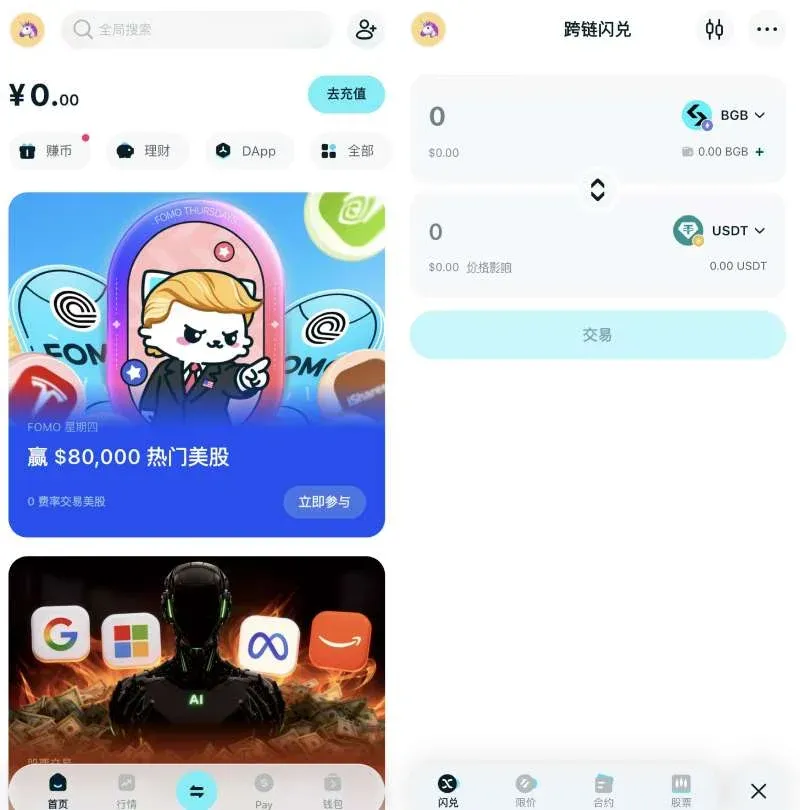
Payment Gateway Use Cases
- Purchase directly with a bank card or payment tool (e.g., Alipay)
- Fees are relatively higher and the service may be limited by geography
Trade‑off: Convenience vs. cost and reduced control.
Overview of OTC Trading Risks
- Uncertain regulatory status
- Counterparty credit risk
- Typically suited only for large or professional transactions
How to Safely Store and Use USDT After Purchase
Risks of Storing on an Exchange
- Custodial risk: Technical or regulatory issues may prevent asset withdrawal
- Single‑point‑of‑failure: Hacks or system outages can freeze assets
Checklist for Transferring USDT to a Crypto Wallet
| Step | Checkpoint | Importance |
|---|---|---|
| **Network matching** | Verify that the sending chain and receiving chain are the same (ERC‑20, TRC‑20, etc.) | Prevent permanent loss |
| **Small test transfer** | Send a tiny amount first to confirm address and network | Confirm success before moving larger sums |
| **Address verification** | Manually type or scan a QR code to avoid clipboard hijacking | Avoid accidental mis‑routing |
| **Fee estimation** | Review on‑chain transaction fees and ensure sufficient balance | Prevent failure due to insufficient gas |
Security Advantages of Non‑Custodial Wallets
- Private keys are self‑managed; platforms cannot arbitrarily freeze assets
- Supports multi‑chain asset management in a single interface
- Direct access to DeFi, on‑chain payments, and other blockchain services
Operations You Can Perform After Depositing USDT into a Wallet
Payments and Transfers
- Peer‑to‑peer transfers, ideal for cross‑border payments without intermediaries
- Stable value reduces exposure to market volatility
On‑Chain Swaps
- Use a DEX to exchange USDT for other tokens, with real‑time control over slippage and fees
DeFi Applications
- Participate in lending, liquidity mining, or yield aggregation
- Be aware of protocol risk and smart‑contract vulnerabilities
How to Choose the Right Purchase Method for Your Situation
| Dimension | Recommended for Beginners | Recommended for Advanced / Privacy‑Focused Users |
|---|---|---|
| **Ease of use** | Centralized exchange or payment gateway | DEX + self‑managed wallet |
| **Regulatory transparency** | Platforms that require KYC | Optional KYC‑free on‑chain trades |
| **Control** | Transfer to a non‑custodial wallet soon after purchase | Private‑key control from the start |
| **Fees** | Generally lower exchange fees | DEX requires gas fees, which may be higher |
| **Privacy** | Subject to platform oversight, information disclosed | Operate anonymously via wallet address |
Regional Differences and Their Impact on Purchase Options
- United States / European Union: Strict regulation; most users rely on regulated exchanges and must consider tax compliance (crypto gains may be taxable in your jurisdiction).
- Asia (including China): Active P2P networks and widespread use of payment gateways, but users should still monitor platform compliance.
- Restricted jurisdictions: Prioritize legally compliant channels to avoid additional risks associated with regulatory evasion.
Frequently Asked Questions
1. How can I safely purchase USDT?
Focus on custodial method, fee structure, and promptly move the asset to a non‑custodial wallet to keep private‑key ownership in your hands.
2. How do I verify the authenticity of a USDT contract?
Check the contract address on the official blockchain explorer and compare it with the address published in the issuer’s official documentation to avoid phishing contracts.
3. What should I do if an exchange suspends USDT withdrawals?
Withdraw the assets to your own wallet as soon as possible to retain on‑chain ownership and controllability.
4. What is the minimum purchase amount for USDT?
Minimum limits vary by platform, payment method, and region; consult the specific service’s rules for details.
5. Can USDT sent to the wrong network be recovered?
In most cases it cannot be recovered; always double‑check network compatibility before transferring.
Conclusion
Purchasing USDT is a fundamental skill, but true security hinges on understanding private‑key control, avoiding custodial pitfalls, and planning how the asset will be used later. Regardless of the channel you choose, you should move the tokens to a self‑controlled, non‑custodial wallet after the transaction to achieve long‑term safety and flexibility.
This guide provides the latest (2026) recommendations for domestic users on buying and storing USDT. For more tutorials, search Bitaigen or continue reading the related articles below.
Related Reading
- WLFI Buy‑Back Impact on DeFi Supply, Demand & Sentiment
- How to Safely Buy USDT with Fiat: Step‑by‑Step Guide
- Crypto Exchanges Aiding Russia Under Sanctions – Elliptic
💡 Register on Binance with referral code B2345 for the maximum trading fee discount. See Binance complete guide.



