
 Bitaigen Research
 After more than a decade of long‑term exploration and persistence, the United States SEC finally gave formal approval to a Bitcoin spot ETF on January 10 2024.
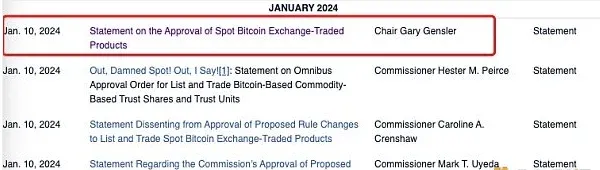
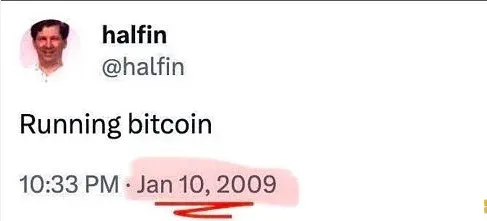
The date also mirrors an event that happened fifteen years earlier—on this same day, early Bitcoin evangelist Hal Finney posted the very first tweet about Bitcoin, simply stating “Running bitcoin.”
---
We have compiled the more‑than‑ten‑year filing history of the Bitcoin spot ETF, focusing on the pivotal regulatory turning points, and combined this with the strategic moves of industry participants. The goal is to give readers a comprehensive view of the institutional logic and market significance behind this milestone. Subsequent sections will reveal additional details, so a careful read is recommended.
*All fiat references in this article are expressed in USD; for cross‑border transfers, SEPA or SWIFT channels may be used. U.S. residents should access cryptocurrency services through Binance.US rather than the global Binance platform. Cryptocurrency gains may be taxable in accordance with the taxpayer’s local jurisdiction.*
A Decade in Review: The Filing Trail of the Bitcoin Spot ETF
The review process for a Bitcoin spot ETF has spanned several crypto‑asset cycles, during which a growing number of traditional asset‑management firms entered the arena and made attempts.
2013 – The First Wave of Applications
- Winklevoss Bitcoin Trust: In July 2013, the Winklevoss twins submitted the inaugural spot‑ETF application, which the SEC rejected. They tried again in March 2017; the July 2017 denial cited insufficient market regulation that could enable fraud or manipulation.
- Grayscale Bitcoin Trust (GBTC): Started raising capital in 2013 and filed an ETF request in 2016. Most of 2017 was spent communicating with regulators before the application was withdrawn later that year.
- VanEck Bitcoin Trust: In August 2018, asset manager VanEck partnered with blockchain firm SolidX to file a proposal; the SEC rejected it in September 2019.
- Bitwise Bitcoin ETP Trust: Submitted a spot‑ETF request in January 2019 and withdrew it in January 2020 due to regulatory concerns.
- Kryptoin Bitcoin Trust: Delaware‑based Kryptoin made its first attempt to list a spot‑ETF on NYSE Arca in October 2019, only to be denied by the SEC at year‑end.
2021 – The Budding of Institutional Acceptance
During the 2021 crypto bull market, several publicly listed companies (e.g., Tesla) held or accepted Bitcoin payments, raising the profile of the digital asset among U.S. financial circles and sparking a new surge of spot‑ETF filings.
- Purpose Bitcoin ETF: In February 2021, Toronto‑based Purpose Investments launched the world’s first Bitcoin spot ETF.
- Valkyrie Bitcoin Fund: Filed in January 2021 and was rejected at the end of the year; however, its Bitcoin mining ETF received approval in early 2022, covering miners such as Argo Blockchain and Bitfarms.
- WisdomTree Bitcoin Trust: Submitted an S‑1 in March 2021 with plans to list on Cboe BZX under the ticker BTCW, but the SEC denied it by year‑end.
- Ark 21Shares ETF: In June 2021, Cathie Wood’s Ark Invest partnered with Swiss firm 21Shares to file; the proposal was denied in early 2022, again in January 2023, and re‑filed on April 25 2023.
- Bitwise Bitcoin ETP Trust: Re‑submitted in October 2021, only to be rejected in November; the SEC noted that Cboe BZX had not provided sufficient anti‑manipulation safeguards.
- Invesco Galaxy Bitcoin ETF: Galaxy Digital and Invesco teamed up on September 22 2021, but the filing faced another denial at year‑end.
- Kryptoin Bitcoin Trust: A second attempt in April 2021 was also delayed by the SEC and ultimately rejected later that year.
- GlobalX Bitcoin Trust: Filed in July 2021; the SEC denied it in March 2022 after an extended review period.
- Grayscale Bitcoin Trust (GBTC): On November 29 2021, Grayscale submitted a request to convert GBTC into an ETF. The SEC denied the request on June 29 2022, prompting Grayscale to appeal; the lawsuit continued through August 2023, when Grayscale secured a favorable ruling.
2023 – A New Wave Emerges
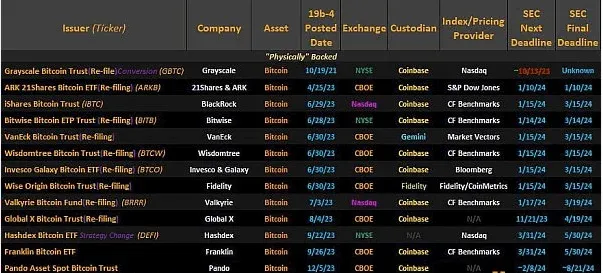
- Ark 21Shares re‑filed in April 2023.
- BlackRock entered the competition in June 2023, submitting an S‑1 for the iShares Bitcoin Trust. This move is widely regarded as a pivotal turning point for the industry.
- Grayscale’s legal victory further heightened market expectations for a spot‑ETF approval.
---
Turning Points: BlackRock’s Entry, Grayscale’s Court Win, and Binance Regulation
1. Asset‑Management Giant BlackRock Shifts Its Stance
At the start of 2023, BlackRock CEO Larry Fink publicly described Bitcoin as a global asset class that can transcend traditional currencies. On June 15 2023, BlackRock filed an S‑1 registration statement to launch the iShares Bitcoin Trust spot‑ETF. Given BlackRock’s historically high ETF approval success rate (255 out of 256 filings), its participation was seen as a major challenge to the SEC’s prevailing stance. Following BlackRock’s filing, other firms—including Bitwise, VanEck, WisdomTree, Invesco Galaxy, Fidelity, Valkyrie, GlobalX, Hashdex, Franklin, and Pando—either re‑filed or launched fresh applications, creating a flood of proposals in the second half of 2023.
2. Grayscale’s Breakthrough in Its Lawsuit Against the SEC
After multiple rejections, Grayscale’s petition to the U.S. Court of Appeals for the District of Columbia Circuit was granted on August 29 2023. The court held that the SEC had applied inconsistent regulatory standards to Bitcoin spot products versus derivatives, and ordered the agency to conduct a fair review of Grayscale’s spot‑ETF request. Although the SEC continued to postpone a final decision several times thereafter, the ruling significantly boosted market optimism that a spot‑ETF could finally receive approval.
---
Related Reading
- Ethereum ETF Final SEC Approval July 2024 Boosts Liquidity
- Spot Ethereum ETFs: Issuers & SEC Approval Steps
- Ethereum ETF Guide: Spot & Futures Funds After SEC Approval
💡 Register on Binance with referral code B2345 for the maximum trading fee discount. See Binance complete guide.



