
 Bitaigen Research
 What Does the IFO Concept Mean?
The IFO concept refers to brand‑new tokens that are created when a hard fork occurs on major blockchains such as Bitcoin. Holders of the original chain’s assets receive the corresponding forked coins at the moment of the fork.
After understanding the definition, we now review the commonly seen IFO‑concept tokens in the market for readers’ reference.
In this article we systematically outline the essence and formation mechanism of the IFO concept, and select representative forked tokens for analysis. By comparing technical roadmaps, community ecosystems, and potential risks, we help readers quickly build a panoramic understanding. Subsequent sections will further reveal each token’s key characteristics, making a close read worthwhile.
*Note for U.S. readers: when trading these tokens on a centralized exchange, use Binance.US rather than the global Binance platform. For fiat on‑ramps, SEPA or SWIFT transfers in USD are commonly supported.*
Overview of IFO‑Concept Tokens
1. BCH – Bitcoin Cash
- Market cap: $4.32 billion
- Circulating supply: 18.274 million
- 24‑hour trading volume: $3.134 billion
BCH (full name Bitcoin Cash) was launched by the mining pool ViaBTC based on the Bitcoin ABC implementation. On July 21 2017, BIP91 received network‑wide hash‑rate support, followed by a SegWit‑compatible (Segregated Witness) upgrade and a plan to increase the block size to 2 MB. ViaBTC then initiated a hard fork, creating Bitcoin Cash.
2. BSV – Bitcoin SV
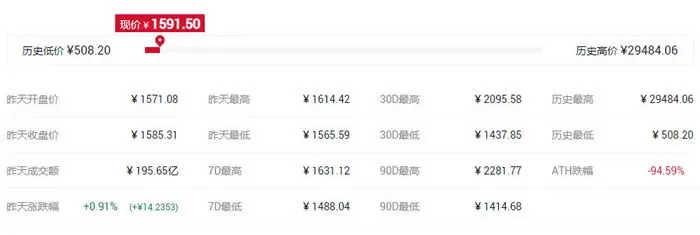
- Market cap: $2.991 billion
- Circulating supply: 18.2716 million
- 24‑hour trading volume: $1.486 billion
At 00:40 UTC on November 16 2018, BCH underwent a highly publicized hard fork, marking the first “hash‑rate war” in cryptocurrency history. The split pitted the self‑styled “Satoshi” Craig Wright and his nChain team against the Bitcoin ABC developers, along with Bitmain founder Jihan Wu, Roger Ver, and other prominent figures.
3. BTG – Bitcoin Gold
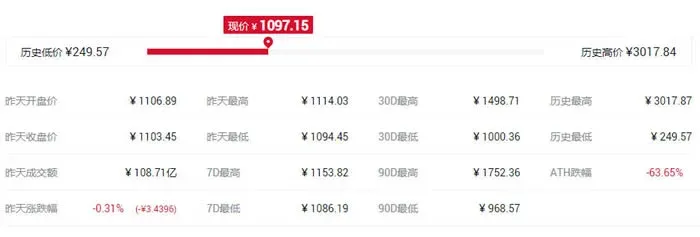
- Market cap: $145 million
- Circulating supply: 17.5139 million
- 24‑hour trading volume: $26.1716 million
BTG (full name Bitcoin Gold, also known as Bitcoin GPU) emerged from the developer‑led “NO2X” campaign opposing segwit2x. It is a hard fork of the Bitcoin blockchain that introduced the SIGHASH_FORKED security mechanism and performed pre‑mining in a private environment, allocating the initial supply to early developers and supporters.
4. BCD – Bitcoin Diamond
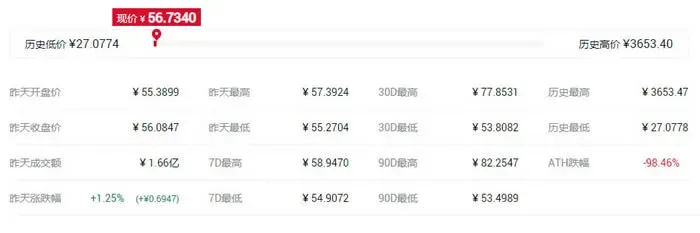
- Market cap: $115 million
- Circulating supply: 195 million
- 24‑hour trading volume: $3.4509 million
BCD (full name Bitcoin Diamond) is operated by the Bitcoin Diamond Foundation. It forked from the Bitcoin main chain at block height 495 866. After the fork, BCD adopted a new proof‑of‑work algorithm and announced plans to add privacy‑enhancing features to transactions while retaining Bitcoin’s original characteristics.
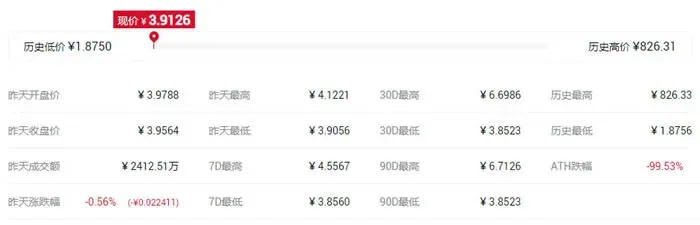
5. BCX – Bitcoin Crypto‑X
- Market cap: $67.9125 million
- Circulating supply: 172.76 billion
- 24‑hour trading volume: $3.3857 million
BCX forked from Bitcoin at block height 498 888 and introduced zero‑knowledge proofs, smart contracts, and a DPoS (Delegated Proof‑of‑Stake) consensus model. These upgrades aim to improve usability, efficiency, reliability, and environmental sustainability, positioning the network as a forward‑looking evolution of Bitcoin.
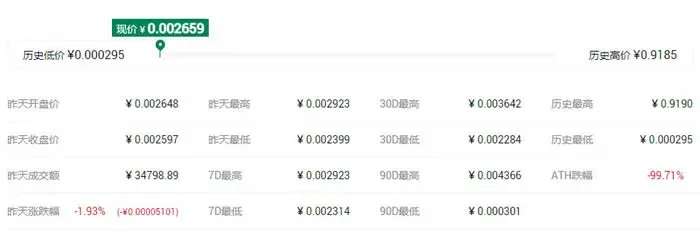
6. BTF – Bitcoin Faith
*(No additional details provided in the source material.)*
Related Reading
- Crypto Spot Trading: Basics, Liquidation Risk & Futures
- Cryptocurrency and Blockchain Basics: A Beginner's Guide
💡 Register on Binance with referral code B2345 for the maximum trading fee discount. See Binance complete guide.



