
 Bitaigen Research
 We have organized the core concepts and real‑world use cases of ERC‑20 in this article, analyzed how it underpins DeFi, stablecoins, and governance, and provided the latest token‑standard guidance for 2026 to help readers quickly grasp the technical essentials. Later sections include in‑depth case studies for further reference.
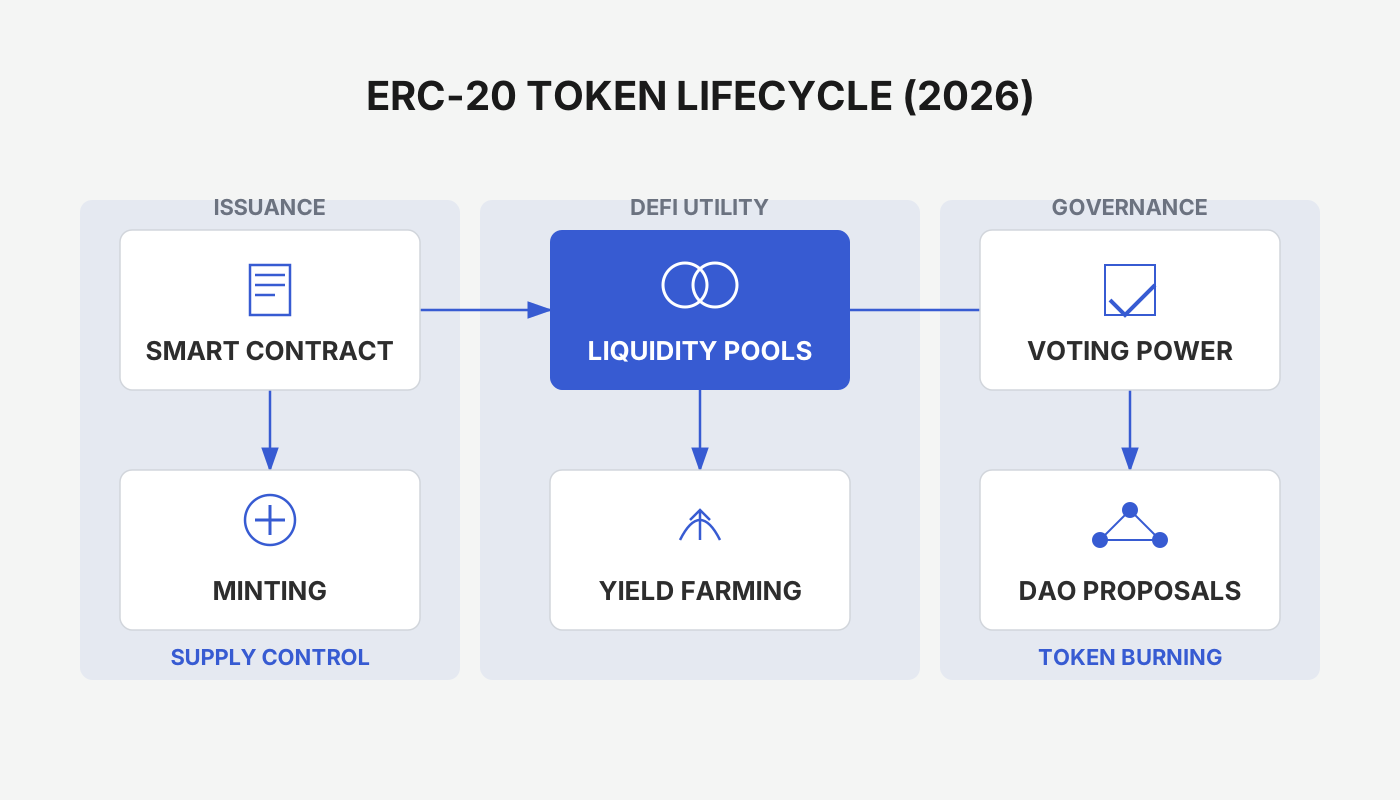
Real‑World Application Cases of ERC‑20
ERC‑20 tokens are more than just a technical specification; they make the holding, transfer, and management of digital assets far more convenient, thereby powering the everyday operation of the Ethereum network. With a single Ethereum‑compatible wallet address, a user can manage multiple ERC‑20 tokens under the same address and interact directly with smart‑contract‑based dApps without switching platforms. Below are the major practical uses of this standard in real‑world scenarios:
Decentralized Finance (DeFi)
In the DeFi ecosystem, ERC‑20 tokens serve as the foundation for liquidity provision, loan collateral, and yield farming. Platforms such as Aave and Compound rely on this standard to build liquidity pools and automatically distribute rewards via smart contracts. A single wallet address can move freely among multiple protocols, dramatically lowering the entry barrier and accelerating DeFi’s rapid adoption.
Stablecoins
USDT, USDC and other fiat‑pegged stablecoins are among the most popular implementations of ERC‑20. They provide a relatively reliable store of value amid the high volatility of crypto markets and can be used on the Ethereum network for transactions, cross‑border payments, and a variety of other services. Stablecoins are frequently used as collateral on DeFi platforms, allowing users to borrow or earn interest without bearing price‑fluctuation risk.
Governance Tokens
ERC‑20 is also employed to grant voting rights to community members through governance tokens. Holders can vote on protocol upgrades, fund allocations, and other critical decisions, ensuring that platform evolution is driven collectively by the community. Projects such as Uniswap’s UNI and MakerDAO’s MKR are classic examples of decentralized management realized via governance tokens.
Asset Tokenization
Leveraging the ERC‑20 standard, real‑world assets such as real estate, artwork, and even bulk commodities can be issued on‑chain as corresponding tokens, enabling fractional ownership and trading. Smart contracts automate ownership transfers, dividend distributions, and related processes, enhancing asset liquidity and lowering investment thresholds.
---
What Is ERC‑20?
ERC‑20 is a token standard that operates on the Ethereum network. By defining a uniform set of interfaces, it specifies the basic behaviors of token issuance, transfer, and balance queries, allowing every token that adheres to the standard to interact seamlessly across wallets, exchanges, and decentralized applications. Without such a unified rule set, each token could be implemented differently, leading to compatibility problems and usage hurdles. For this reason, ERC‑20 has become one of the most trusted fungible‑token standards to date.
---
History and Impact of ERC‑20
In 2015, as the Ethereum ecosystem expanded rapidly, developers began creating their own tokens only to discover a severe lack of interoperability due to the absence of a common technical framework. To address this pain point, Fabian Vogelsteller proposed the ERC‑20 draft, aiming to supply a uniform rule set for tokens issued on Ethereum. The proposal was officially accepted in 2017, and its implementation was quickly embraced, becoming the technical cornerstone for thousands of tokens.
Driving the Ecosystem Forward
A unified token standard means that wallets, exchanges, and dApps need to implement the interface just once to support tens of thousands of tokens, drastically reducing development costs and error rates. When users purchase ERC‑20 tokens on major exchanges such as Binance (U.S. users should use Binance.US) or Coinbase, they experience a consistent and reliable user experience. Standardization also sparked the Initial Coin Offering (ICO) boom, which later evolved into the flourishing DeFi and stablecoin sectors.
---
How the ERC‑20 Standard Works
ERC‑20 is realized through smart contracts and consists of six mandatory functions and three optional ones, handling token transfers, balance checks, allowances, and related basic operations. Key function examples include:
- totalSupply – Returns the total number of tokens in existence.
- balanceOf(address) – Retrieves the token balance held by a specific address.
- transfer(address,uint256) – Moves tokens from the caller’s account to a target address.
- transferFrom(address,address,uint256) – Transfers tokens on someone else’s behalf, provided prior approval.
- approve(address,uint256) – Grants a specified address the right to withdraw a certain amount of tokens in the future.
- allowance(address,address) – Queries the remaining amount that an approved spender is allowed to withdraw.
The uniform implementation of these functions enables any Ethereum‑compatible application to invoke them directly, guaranteeing interoperability of tokens across different platforms.
---
Popular ERC‑20 Token Examples
The tokens listed below all follow the ERC‑20 standard, illustrating its broad applicability across diverse business scenarios.
1. Tether (USDT)
USDT is one of the most widely used dollar‑pegged stablecoins on the market. As an ERC‑20 token, it settles quickly on the Ethereum network and is commonly employed in decentralized exchange (DEX) trading pairs and cross‑border payments.
2. USD Coin (USDC)

USDC is fully backed by reserves and emphasizes transparency and regulatory compliance. It is also ERC‑20 based, widely used in DeFi lending and yield‑farming, and is favored by institutional investors.
3. Chainlink (LINK)
LINK is the native token of the Chainlink oracle network, used to incentivize nodes that provide reliable off‑chain data. The presence of LINK enables smart contracts to safely access external information, supporting DeFi, insurance, gaming, and many other applications.
4. Uniswap (UNI)
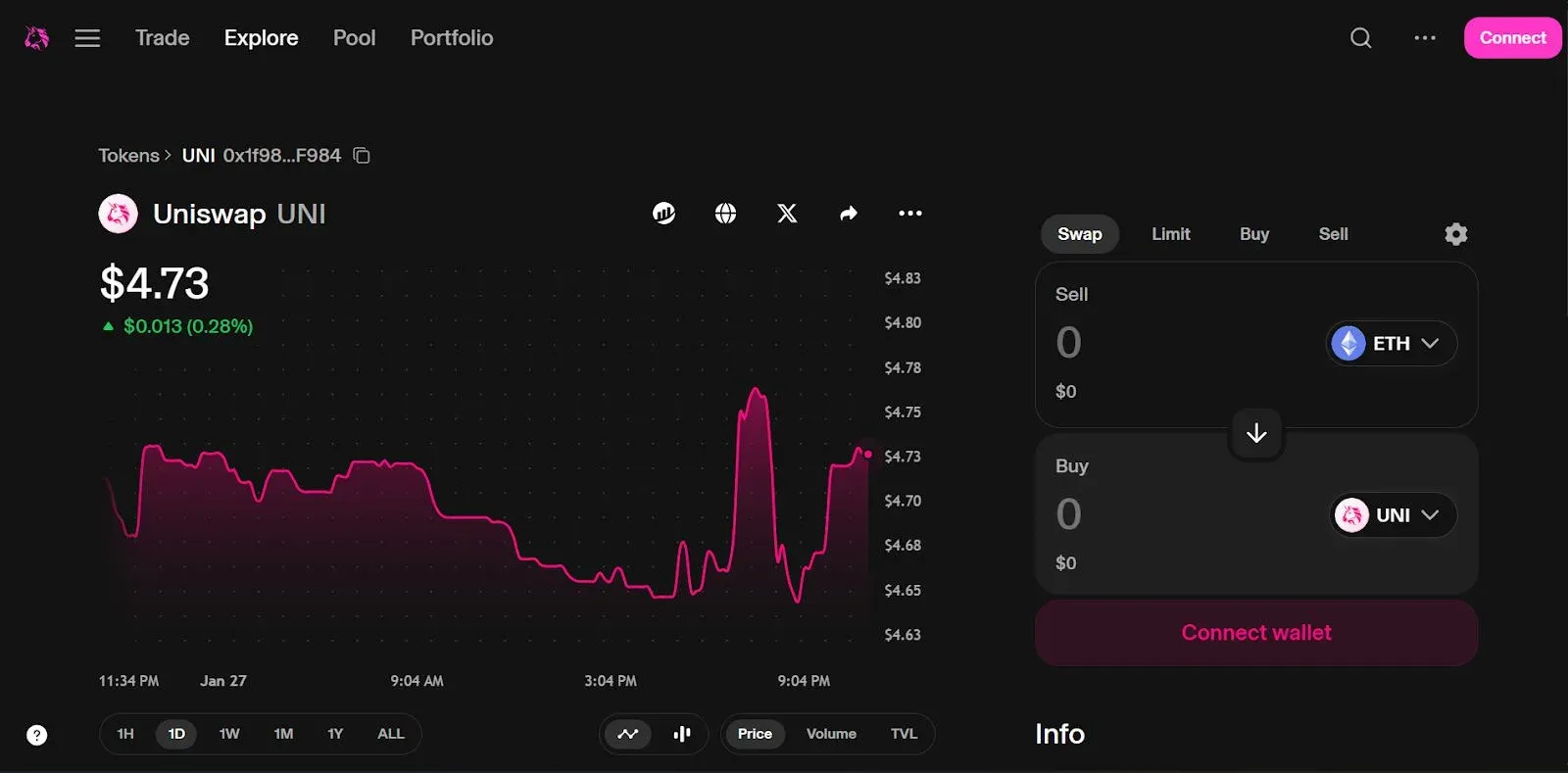
UNI is the governance token of the decentralized exchange Uniswap. Holders can vote on protocol upgrades, fee allocations, and other important matters, embodying the community‑driven ethos of DeFi.
5. MakerDAO (DAI)
DAI is a decentralized stablecoin that maintains a peg to the U.S. dollar through a collateral‑backed mechanism involving multiple crypto assets. As an ERC‑20 token, it plays a pivotal role in lending, yield farming, and other DeFi scenarios.
6. Shiba Inu (SHIB)
Originally a meme token, SHIB has evolved into an active ERC‑20 project with a vibrant community, circulating across multiple platforms and DeFi protocols and showcasing ERC‑20’s flexibility for innovative, community‑driven projects.
7. Wrapped Bitcoin (WBTC)
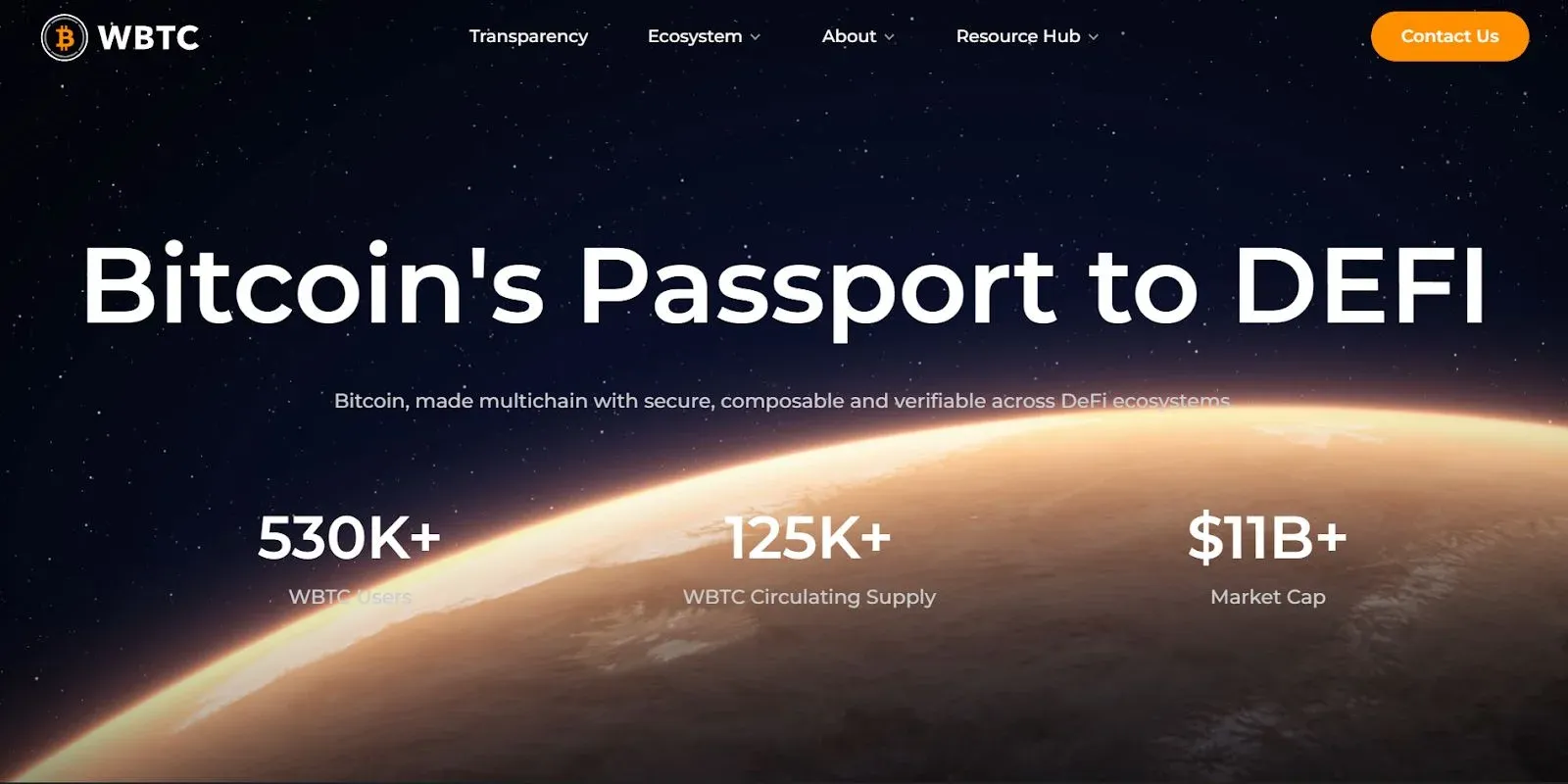
WBTC wraps Bitcoin assets into an ERC‑20 token, allowing Bitcoin holders to participate in Ethereum‑based DeFi lending and trading without leaving the Ethereum ecosystem, illustrating the practical value of cross‑chain interoperability.
---
Comparison of ERC‑20 with Other Token Standards
| Standard | Chain | Token Type | Primary Use Cases | Compatibility | Example |
|---|---|---|---|---|---|
| **ERC‑20** | Ethereum | Fungible | Cryptocurrencies, stablecoins, governance tokens | Works with all Ethereum dApps | USDT, LINK, UNI |
| **ERC‑721** | Ethereum | Non‑fungible (NFT) | Digital art, collectibles, property certificates | Requires dedicated NFT contracts | CryptoPunks, Bored Ape |
| **ERC‑1155** | Ethereum | Multi‑token (fungible + non‑fungible) | Game assets, hybrid collectibles | Single contract supports many token types | Enjin Coin, Decentraland |
| **BEP‑20** | BNB Chain (BSC) | Fungible | DeFi, gaming, cross‑chain assets | Compatible with Ethereum‑like BSC dApps | BNB, CAKE, BUSD |
---
Advantages and Limitations of ERC‑20 Tokens
Advantages
- High Interoperability – Almost every Ethereum wallet, exchange, and dApp natively supports ERC‑20.
- Simplified Management – A single address can hold many different tokens, making portfolio handling cleaner.
- Standardized Development – Uniform interfaces lower the difficulty of writing smart contracts.
- Broad Ecosystem – Thousands of projects adopt the standard, creating a trusted industry consensus.
- Smart‑Contract Integration – Enables automated, trust‑less transaction flows.
Limitations
- Gas Fee Volatility – Transaction costs can rise sharply during network congestion.
- Scalability Constraints – Ethereum’s main‑net throughput ceiling leads to delays during peak periods.
- No Non‑Fungible Features – ERC‑20 is unsuitable for use cases requiring uniqueness or extensive metadata.
- Risk of Mistaken Transfers – Sending tokens to an incompatible contract may result in permanent loss.
- Competing Standards – Newer standards like ERC‑721 and ERC‑1155 offer richer functionality.
---
Future Outlook for the ERC‑20 Standard
As Ethereum 2.0 and Layer‑2 solutions continue to roll out, network throughput and fee structures are expected to improve fundamentally, directly enhancing the user experience for ERC‑20 tokens. At the same time, the maturation of cross‑chain technologies opens new pathways for moving ERC‑20 assets between different blockchains, fostering greater multi‑chain collaboration.
The ongoing growth of DeFi and asset tokenization means the demand for reliable, standardized token frameworks will remain robust. Thanks to its proven security and widespread industry acceptance, ERC‑20 is poised to keep playing a pivotal role in decentralized finance, governance, and cross‑chain interoperability.
---
Conclusion
ERC‑20 has become a core pillar of the Ethereum network, providing a unified technical baseline for creating, circulating, and interacting with fungible tokens via smart contracts. While high gas fees and scalability challenges persist, advances such as Ethereum 2.0, Layer‑2 scaling, and cross‑chain bridges are gradually mitigating these bottlenecks. Looking ahead, the importance of ERC‑20 in DeFi, stablecoins, governance, and asset tokenization is expected to keep rising, continuing to furnish a solid foundation for blockchain innovation.
---
Frequently Asked Questions
What does ERC‑20 stand for?
ERC‑20 stands for “Ethereum Request for Comment 20,” a technical specification for issuing fungible tokens on Ethereum that defines how tokens interact with wallets, exchanges, and dApps.
How does ERC‑20 differ from ETH?
ETH is the native cryptocurrency of the Ethereum network, whereas ERC‑20 is a token standard built on top of Ethereum. ERC‑20 tokens require ETH to pay for gas fees, but they are not ETH themselves.
How can I obtain my ERC‑20 wallet address?
Simply download an Ethereum‑compatible wallet (e.g., MetaMask, Trust Wallet, Coinbase Wallet), create or import an account, and you will receive an Ethereum address. The same address is used for sending and receiving ERC‑20 tokens.
Are ERC‑20 tokens safe?
Tokens that strictly follow the standard have a baseline level of technical security, yet overall safety depends on the specific project’s code audit quality, team credibility, and governance model. Conduct thorough due diligence before any investment.
Do I need to hold ETH to send ERC‑20 tokens?
Yes. All transactions on the Ethereum network consume gas, and gas can only be paid in ETH. Ensure your wallet holds enough ETH to cover the required fees before transferring ERC‑20 tokens.
How are gas fees for ERC‑20 transactions calculated?
Fees depend on the computational complexity of the transaction and the current network congestion, priced in gwei. Using Layer‑2 solutions or transacting during low‑traffic periods can significantly reduce costs.
Are crypto gains taxable?
Cryptocurrency gains may be subject to tax in many jurisdictions. Users should consult local tax regulations or a qualified professional to understand their obligations, including any reporting requirements for ERC‑20 token transactions.
---
This article concludes here. For more ERC‑20‑related content, please search the Bitaigen (比特根) archive or continue reading the recommended articles below. We appreciate your ongoing interest and support!
Related Reading
- Floki Coin Review: Price History, Potential & Risks
- ERC-20 vs BEP-20 vs TRC-20: Key Differences & Transfer Tips
- ERC‑20 Explained: Ethereum Token Standard, Benefits & Limits
💡 Register on Binance with referral code B2345 for the maximum trading fee discount. See Binance complete guide.



