
 Bitaigen Research
 What Is a Mining Node?
In a blockchain network, besides regular miners, there is a role called a “mining node.” Unlike the miners we are familiar with, a mining node is responsible for block creation and propagation rather than merely contributing hash power. Below, we will provide a systematic explanation from three perspectives: concept, operating principle, and the differences from a full node.
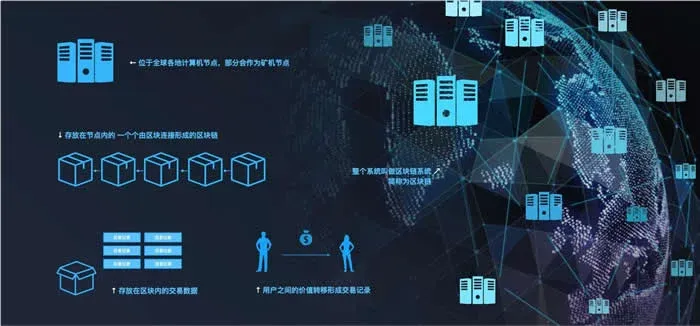
In this article we outline the core concepts and operating mechanisms of mining nodes, and compare them with full nodes in terms of responsibilities and resource requirements. This helps readers quickly clear up common misconceptions. Subsequent sections will further analyze the actual role of mining nodes within blockchain networks, making it worth a careful read. From technical implementation to ecosystem impact, we also provide practical deployment suggestions for nodes.
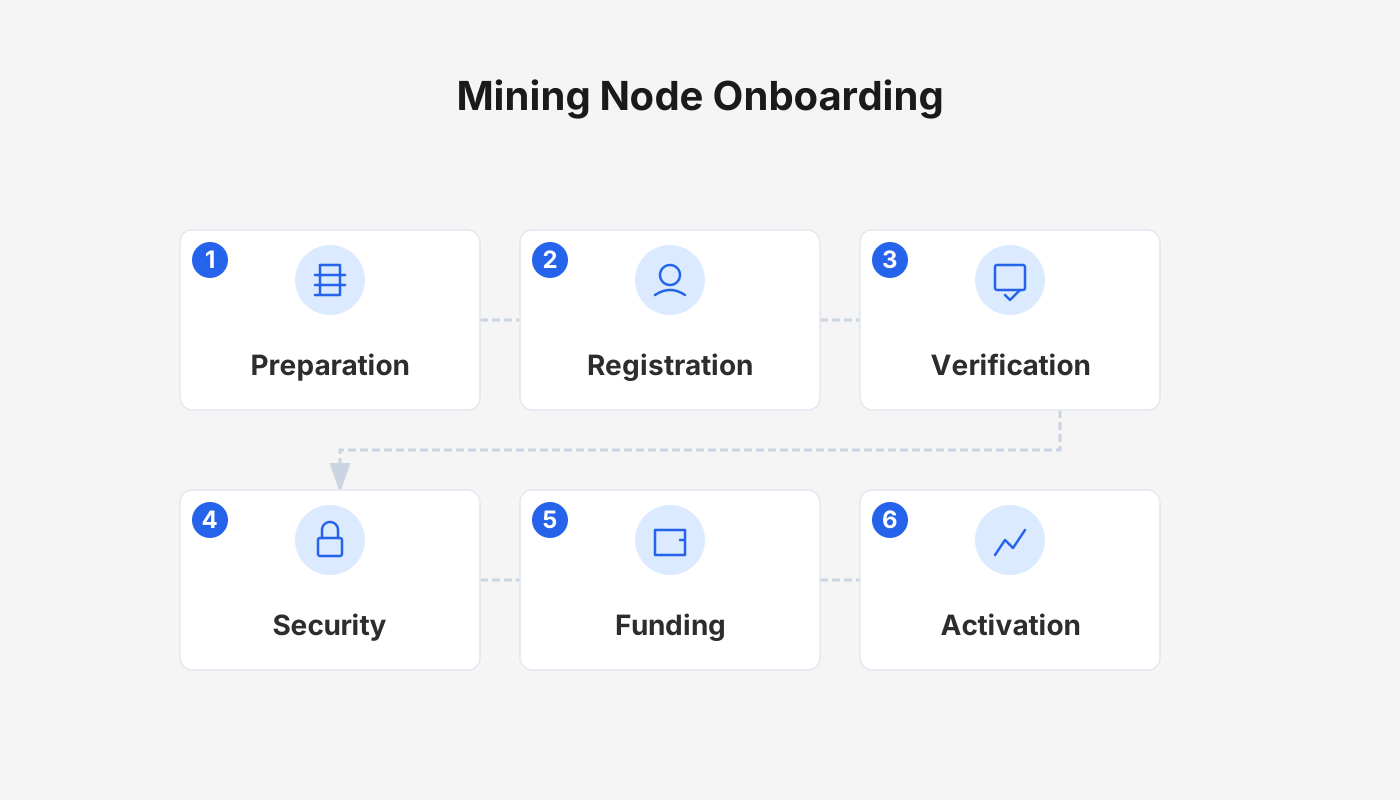
How Mining Nodes Operate
Each node in the Bitcoin network is essentially a machine that can run Bitcoin client software. By downloading the appropriate software and opening the designated network interface, anyone can join the network and participate in message forwarding. Because blockchain data continuously grows, a full node requires roughly 145 GB of disk space (this figure is still rising) and consumes a substantial amount of compute power and bandwidth.
Among these nodes, some are configured as mining nodes. Their core tasks are:
- Constructing a candidate block: First generate a block header and distribute it to miners.
- Receiving mining results: Miners try different random numbers (the nonce) within the block header, ranging from 0 to 4,294,967,296. As soon as a nonce is found that makes the block header hash lower than the current difficulty target, the miner immediately reports the result to the mining node.
- Verification and storage: Upon receiving a result, the mining node reassembles the full block, performs validity checks, and if the block passes, writes it to the local database and updates the local blockchain.
In short, mining nodes organize hash power, collect valid solutions, and quickly write newly created blocks into the chain.
Definition and Requirements of a Full Node
A full node (Full Node) refers to a node that can download and store all block data on the Bitcoin network. To truly become a full node, two key conditions must be met:
- Sufficient upload bandwidth: The node’s upload traffic must exceed its download traffic to ensure it can provide enough data to other peers.
- Fixed IP address: A stable IP is needed so that other nodes can reliably reconnect after the initial handshake.
Even ordinary home users can obtain a relatively fixed IP by keeping their router powered on for a long period, and they can check whether their upload exceeds download in the wallet client under “Help → Debug Window → Network Traffic” to determine if they are already contributing bandwidth to the entire network.
Mining Node vs. Full Node
Although both belong to the Bitcoin network, their focus differs:
| Feature | Mining Node | Full Node |
|---|---|---|
| Primary responsibility | Organize block generation, collect miners’ submitted nonces, verify and broadcast new blocks | Store and validate the entire blockchain history, provide data‑sync services to the network |
| Must store all blocks? | Not necessarily; only the latest block header information is required | Must download and keep every block from the genesis block onward |
| Bandwidth demands | Emphasizes rapid propagation of new blocks, high upload requirement | Requires continuous upload and download to maintain block synchronization |
| Relationship with mining pools | Often serves as the core node of a mining pool; e.g., **FishPool** deploys multiple full nodes worldwide to receive blocks and then distributes them to miners for computation | Mining pools also run several full nodes to ensure completeness and reliability of block data |
Taking FishPool as an example, it places a large number of full nodes globally to receive blocks and swiftly forward them to hashing servers. After the hashing servers finish mining, FishPool’s mining node immediately broadcasts the found block to all its full nodes, which then disseminate it across the entire network.
How to Identify the Type of Node You Are Running
- If you only download block headers, submit nonces, and quickly relay new blocks, you are operating a mining node.
- If you have fully downloaded the blockchain history and provide data‑sync services to peers, you are running a full node.
- In practice, many mining pools deploy both full nodes and mining nodes to balance data completeness with hashing efficiency.
---
The above material provides a systematic exposition of the mining node concept, its operational workflow, and its distinction from a full node. For deeper insights into blockchain nodes, feel free to follow the upcoming series of articles from Bitaigen.
Related Reading
- Crypto Staking: Mechanisms, Types & Liquid Staking Guide
- Cryptocurrency Staking Basics: Guide, Returns, Risks for Beginners
- Blockchain Gas Fees Explained: How They Work & Why It Matters
💡 Register on Binance with referral code B2345 for the maximum trading fee discount. See Binance complete guide.



