
 Bitaigen Research
Nexus’s USDX is a revenue‑sharing stablecoin that is fully backed 1:1 by U.S. Treasury securities and settled on the Nexus Layer 1 as a native U.S. dollar.
Nexus Labs launched USDX on February 18 2026 with the aim of providing a unified, dollar‑denominated asset for the Nexus verifiable‑finance ecosystem. The token is fully collateralised by U.S. Treasury bills and cash equivalents, and the Global Yield Distribution System (GYDS) automatically allocates the yield generated by the reserve to on‑chain applications in proportion to their holdings and contributions.
In this article we summarise the core concepts behind the USDX stablecoin introduced by Nexus, dissect its full‑Treasury‑bill collateral mechanism and on‑chain yield‑sharing model, and explore its potential role within a verifiable‑finance ecosystem. By breaking down the operating principles in detail, readers can quickly grasp the unique value proposition and use cases of this asset; subsequent sections will delve further into the technical implementation.
What is Nexus’s USDX stablecoin?
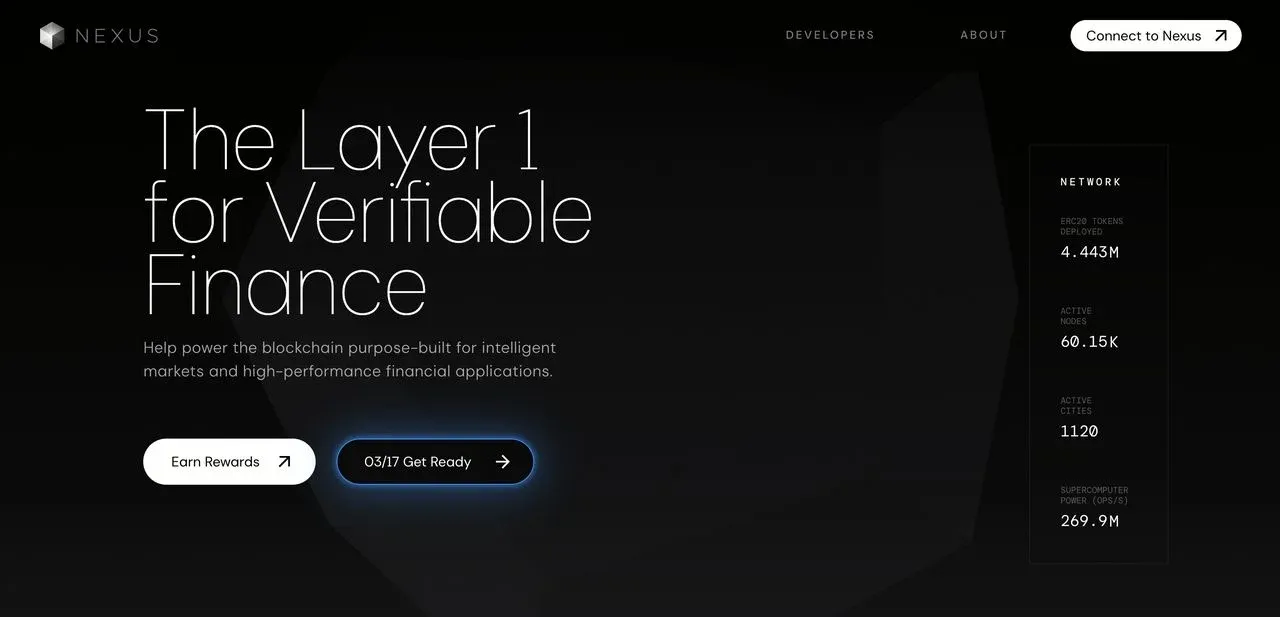
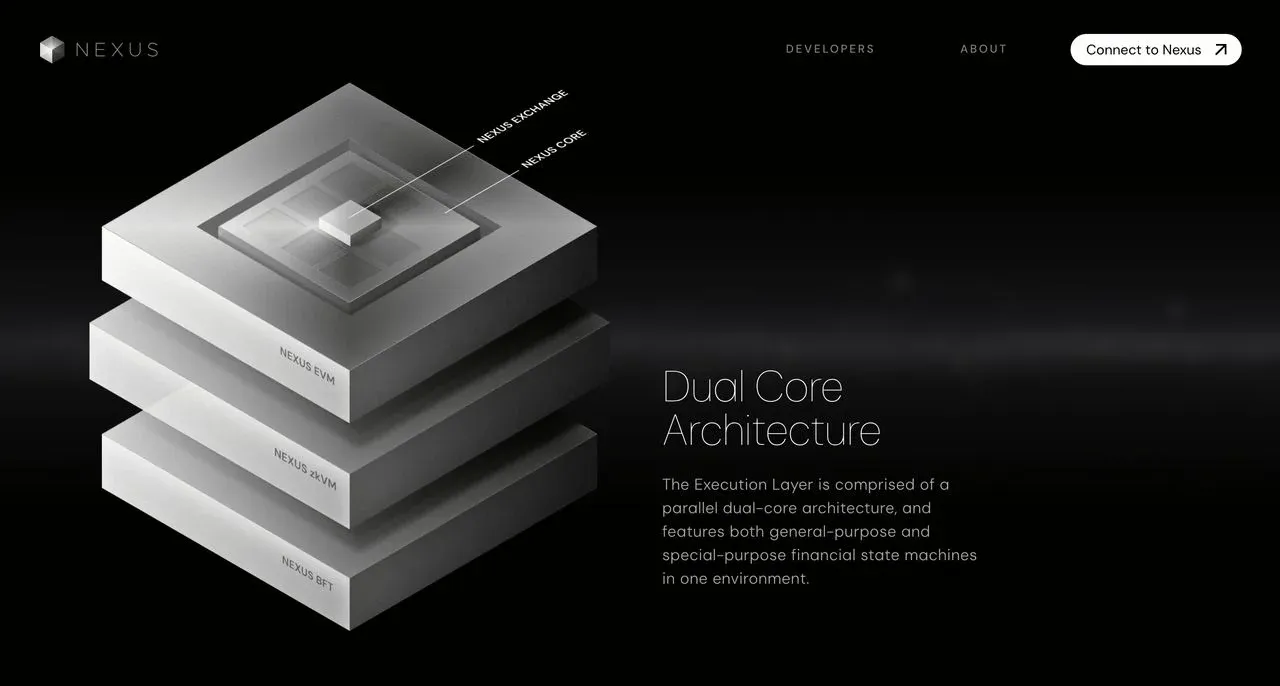
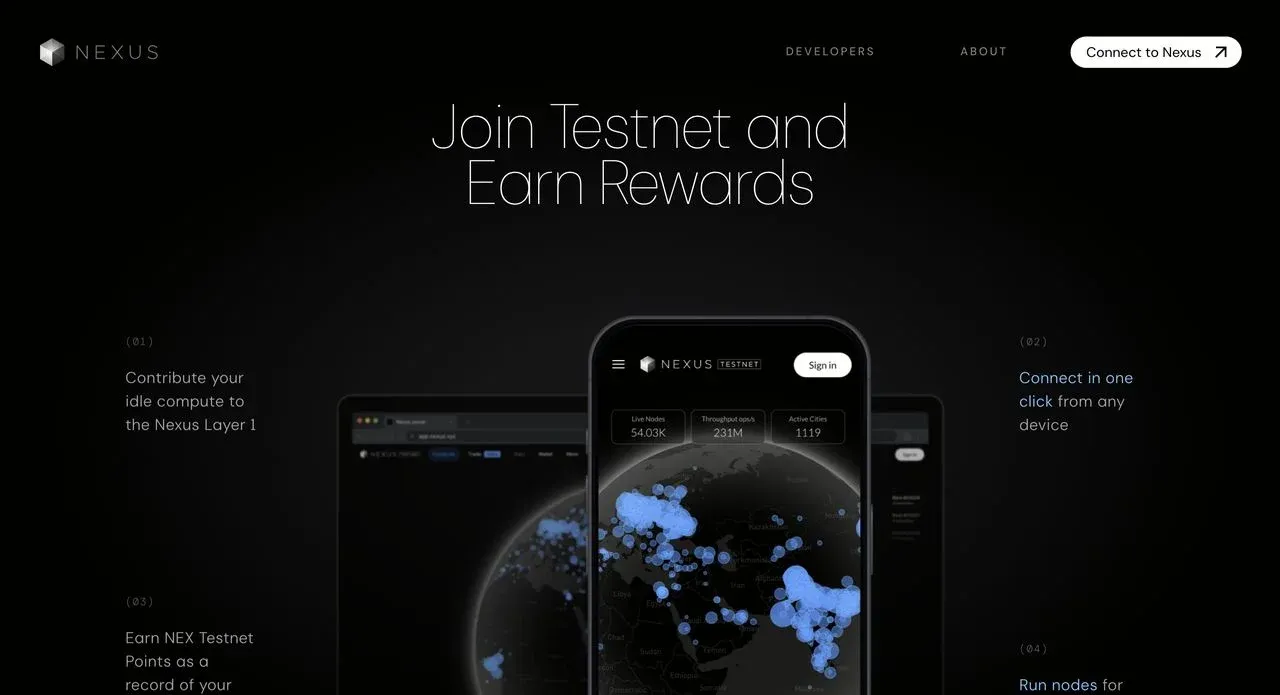
Nexus is a Layer 1 public blockchain built for Verifiable Finance, where transaction execution and computation are validated through cryptographic proofs rather than centralized trust. The project was founded in 2022 by former Google engineer and Stanford Computer Science graduate Daniel Marin, and it employs a dual‑core architecture driven by Nexus zkVM 3.0 to deliver low‑latency, provably correct runtime environments.
- By the end of 2025 the network had processed more than 87.2 million transactions.
- The testnet hosts roughly 3.2 million accounts spanning Asia, Europe, and the Americas.
- Total funding amounts to $27.2 million: a $2.2 million seed round closed at the end of 2022 (lead investor Dragonfly), followed by a $25 million Series A in June 2024 (led by Lightspeed Venture Partners and Pantera Capital) with participation from Faction, Blockchain Builders Fund, Alliance, SV Angel and others.
- Over 100 partners are deeply integrated, and the network offers a programmable, institution‑ready stablecoin infrastructure through M0.
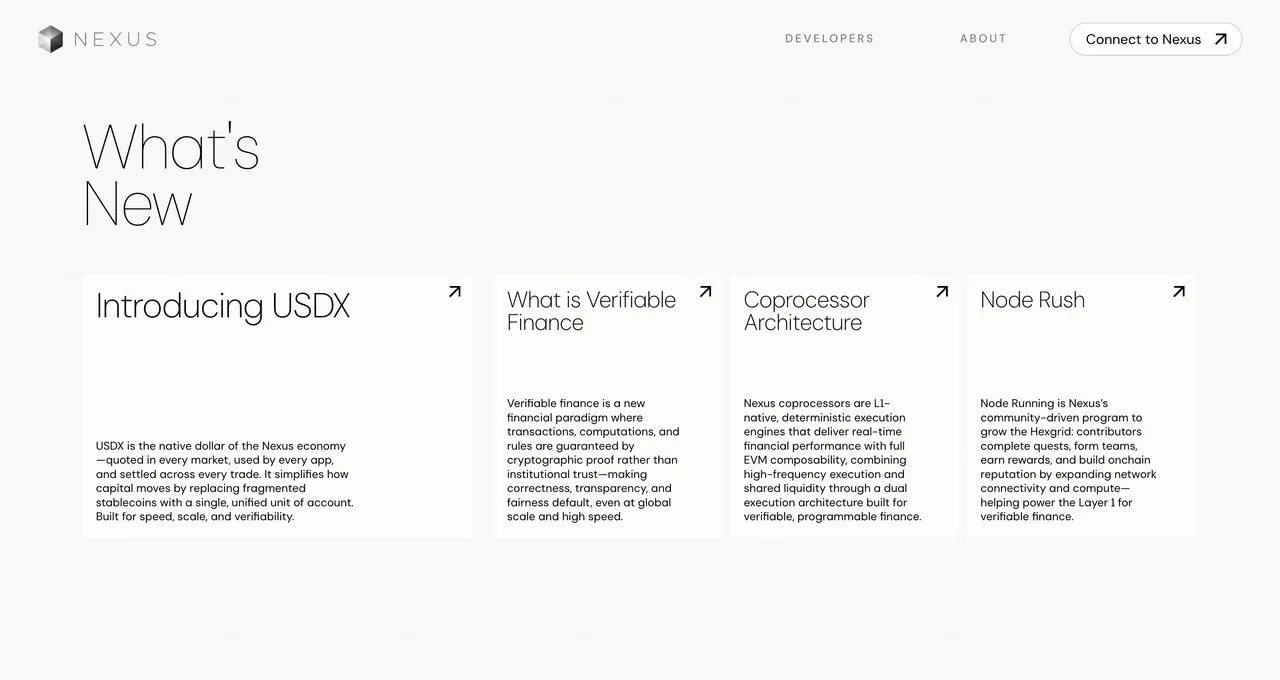
USDX functions as the native dollar of the Nexus economy and is fully collateralised 1:1 by U.S. Treasury securities and cash equivalents. It serves as the default settlement currency across every market, application, and transaction on Nexus, standardising pricing, profit‑and‑loss accounting, margin, fees and collateral valuation while eliminating the conversion costs associated with juggling multiple stablecoins. Seamless bridges to mainstream tokens such as USDT and USDC enable USDX to trade in deep liquidity pools with effectively zero slippage.
What are the main characteristics of the USDX stablecoin?
Key attributes of USDX include:
- Unified Settlement Layer – All trading pairs are quoted in USDX, reducing cross‑currency conversion fees.
- Global Yield Distribution System (GYDS) – Based on metrics such as total value locked (TVL) and transaction volume, the system automatically allocates reserve‑generated yield to the corresponding on‑chain applications. The distribution formula is periodically updated by the protocol’s monetary policy.
- Cryptographic Verifiability – Powered by Nexus zkVM, every transaction can be verified on‑chain without revealing user‑level private data.
- Sustainable Design – Yield originates from the long‑term interest on Treasury securities, avoiding inflationary minting and emphasizing capital efficiency and ecosystem synergy.
Who created USDX?
USDX was developed by the Nexus Labs team under the leadership of CEO Daniel Marin. Marin stresses that USDX must underpin decentralized governance, on‑chain activity, and revenue flows, and that the M0 stablecoin infrastructure provides programmable, institution‑grade liquidity sharing.
What are the primary use cases for USDX?
- Traders – A single deposit lets users move seamlessly between spot markets, perpetual contracts and other products, eliminating price discrepancies and slippage while improving capital utilisation.
- Developers & Applications – Through GYDS, projects automatically receive reward yields proportional to their USDX holdings and TVL, establishing a “high‑use‑high‑reward” feedback loop without the need for extra funding or governance negotiations.
- Ecosystem Unification – Users are encouraged to convert traditional stablecoins such as USDT and USDC into USDX, fostering shared liquidity across markets and applications and boosting overall capital efficiency.
What is the token economics of USDX?
- Peg Mechanism – 1 USDX = 1 USD, fully backed 1:1 by U.S. Treasury securities and cash equivalents.
- Supply Model – Minting occurs when users swap other assets for USDX; there is no hard cap, and the circulating supply expands elastically in line with demand from ecosystem activity.
- Yield Distribution – Interest earned on the reserve flows into GYDS, which then distributes it to on‑chain applications based on contribution metrics such as TVL and transaction volume. The monetary policy module governs the allocation ratios.
- Value Positioning – The token prioritises stability and ecosystem collaboration over speculative appreciation, aiming to provide a reliable settlement layer for Nexus verifiable finance.
Conclusion
USDX is built on a full‑Treasury‑bill collateral foundation and delivers native U.S.‑dollar settlement within the Nexus verifiable‑finance stack. Coupled with the GYDS revenue‑sharing mechanism, it offers unified liquidity and incentive alignment. Backed by $27.2 million of financing and technical support from partners like M0, USDX is positioned to alleviate the current fragmentation in the stablecoin market, improve capital efficiency, and play a pivotal role in sustainable ecosystem growth.
Note for U.S. users: Access to USDX on the global Binance platform should be routed through Binance.US, which complies with U.S. regulations.
Tax reminder: Crypto‑related gains, including any yield earned from USDX holdings, may be taxable under the laws of the user’s local jurisdiction; consult a qualified tax professional for guidance.
---
For more in‑depth analysis of USDX, search for previous Bitaigen articles or continue scrolling to the related content below. Thank you for following Bitaigen and for your continued support!
Related Reading
- TRON (TRX) 2025‑2030 Price Outlook, Concept and Technical Overview
- What Is a Stablecoin? Principles, Benefits & Real-World Use Cases
- Solana (SOL) Guide: Buying & 2025‑2030 Price Forecast
💡 Register on Binance with referral code B2345 for the maximum trading fee discount. See Binance complete guide.



