
 Bitaigen Research
 We systematically review the standout decentralized exchanges (DEXes) of 2026 in this article, focusing on key dimensions such as security, liquidity, user experience, and fees. The goal is to help readers quickly identify platforms worth watching and understand the unique advantages and potential risks of DEXes compared to centralized exchanges (CEXes).
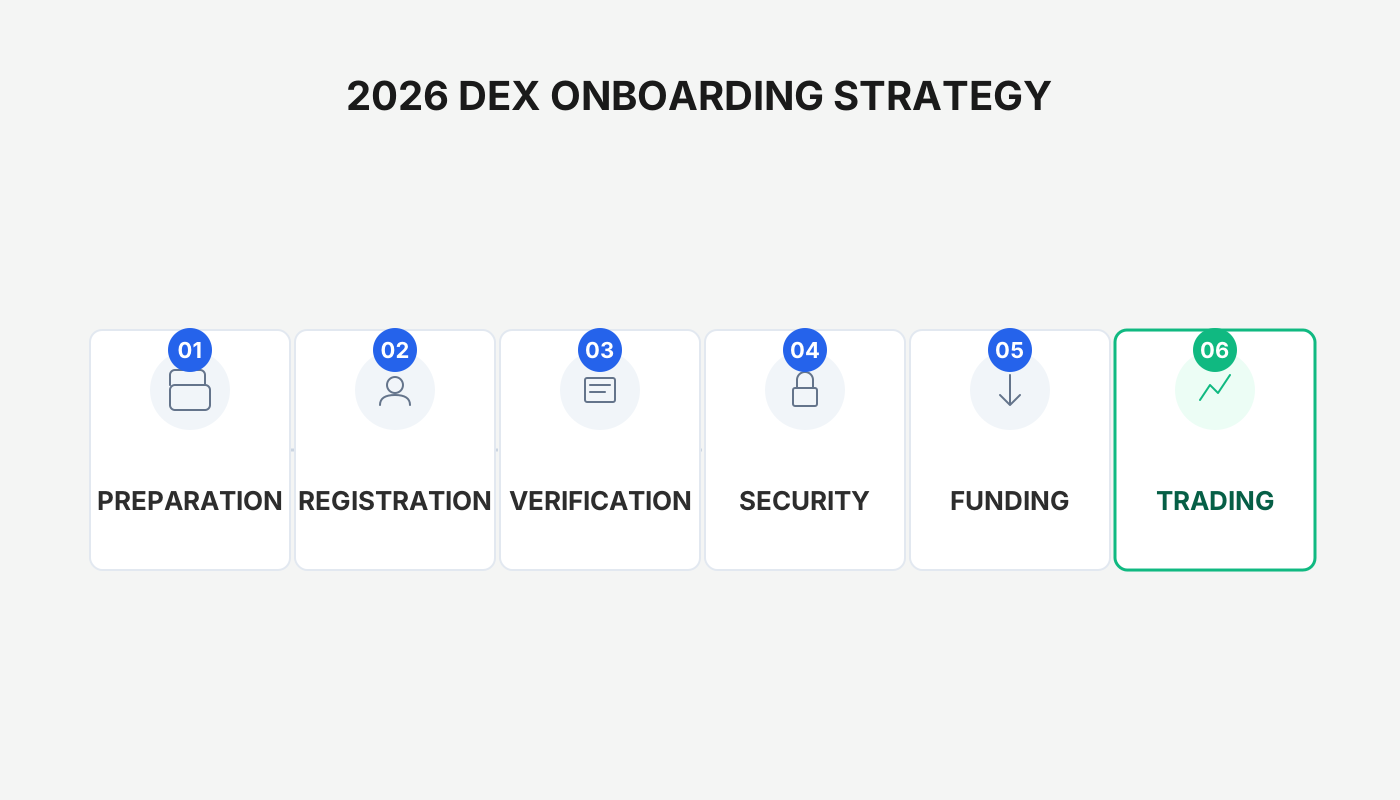
What Is a Decentralized Cryptocurrency Exchange (DEX)?
A decentralized cryptocurrency exchange (DEX) is a peer‑to‑peer trading platform where users can buy and sell assets directly from their own wallets without going through a centralized intermediary. Unlike centralized exchanges (CEXes), which hold users’ funds on their servers and match orders off‑chain, a DEX uses smart contracts to execute trades on‑chain, creating a non‑custodial, transparent, and secure trading environment.
- Private‑key control: Users keep their private keys, reducing the risk of asset loss due to platform hacks or bankruptcy.
- Privacy protection: Most DEXes do not require KYC/AML verification, offering a higher degree of anonymity.
- Globally accessible: Anyone with an internet connection and a compatible wallet can use the platform, regardless of location.
- Censorship‑resistant: Transactions are confirmed by blockchain consensus, making it difficult for a single entity to intervene or freeze them.
However, DEXes also face challenges such as high gas fees caused by network congestion, limited liquidity for niche tokens, and issues like MEV (Miner Extractable Value).
DEX vs. CEX: Main Differences
| Feature | Decentralized Exchange (DEX) | Centralized Exchange (CEX) |
|---|---|---|
| Asset custody | Users hold their own private keys | Exchange custodians assets |
| Order execution | Smart‑contract auto‑matching | Internal order book matching |
| Liquidity source | Liquidity pools (usually deep) | Exchange‑provided order book |
| Fee structure | Network/gas fees + trading fees | Fixed fees charged by the exchange |
| Privacy requirements | Usually no KYC | Typically requires identity verification |
| Risk type | Contract bugs, gas fee volatility | Hacks, custodial risk |
| Trading products | Primarily spot, some derivatives | Spot, margin, futures, etc. |
Why Choose a Decentralized Exchange?
- Asset sovereignty: Funds remain under the user’s control, avoiding loss from platform‑related incidents.
- Anonymity: Trades can be completed without providing personal information, protecting user identity.
- Censorship resistance: Transactions cannot be blocked or reversed by a single authority.
- Liquidity provision opportunities: Users can supply assets to liquidity pools and earn a share of fees or platform‑token rewards.
Basic Workflow for Using a DEX
- Connect a wallet: Visit the DEX’s website and connect a compatible wallet such as MetaMask, Trust Wallet, or Phantom.
- Select tokens and network: Confirm the two tokens you wish to swap and ensure the blockchain network you are using is supported.
- Check fees and slippage: Pay attention to network gas fees and set an appropriate slippage tolerance to avoid drastic price swings.
- Confirm and execute: Approve the transaction in your wallet; once the smart contract runs, the tokens will be transferred directly to your address.
Methodology: How We Selected and Evaluated the Best DEXes
After conducting hands‑on testing of 20 popular decentralized exchanges, we weighed the following dimensions:
- Liquidity depth: Higher liquidity means lower slippage and smoother trades.
- Supported chains and token variety: Cross‑chain capability directly affects asset accessibility.
- Security audits and track record: Whether the protocol has undergone professional audits and if it has suffered major exploits.
- Fee structure: Includes on‑chain gas costs and trading fees.
- Feature richness: Availability of derivatives, leverage, staking, yield farming, etc.
- User experience: Interface friendliness, documentation completeness, and community activity.
Based on these criteria, we selected the Top 10 Decentralized Exchanges of 2026 and present a side‑by‑side comparison of their core attributes in the table below.

Comparison of Leading Decentralized Crypto Exchanges
| Exchange | Supported Chains | Type | Fee Range | Notable Features |
|---|---|---|---|---|
| Uniswap | Ethereum, any EVM, Base, Polygon | AMM spot trading | 0.05 % – 0.30 % | Token swaps, liquidity provision |
| 0x Protocol | Ethereum, Optimism, any EVM, Avalanche | Aggregator / infrastructure | Varies by integrated DEX | Consolidated liquidity |
| dYdX | Ethereum L2 (dYdX Layer 2) | Perpetual futures DEX | 0 % – 0.15 % maker, 0.20 % taker | Advanced derivatives, margin trading |
| SushiSwap | Ethereum, Polygon, Arbitrum, Fantom | AMM spot trading | 0.25 % per swap | Multi‑chain token swaps, DeFi utilities |
| PancakeSwap | BNB Chain, Avalanche, Fantom, Polygon | AMM spot trading | 0.25 % per swap | Low‑cost multi‑chain swaps |
| Curve Finance | Ethereum, Polygon, Optimism, Avalanche | AMM stablecoin DEX | 0.04 % – 0.50 % (pool‑dependent) | Low‑slippage stablecoin trading |
| Raydium | Solana | AMM + order‑book hybrid | 0.25 % | Fast Solana swaps, DeFi features |
| IDEX (now Kuma) | Ethereum, Polygon, Arbitrum | Hybrid DEX (off‑chain matching, on‑chain settlement) | 0.1 % – 0.35 % | ERC‑20 spot trading, advanced orders |
| ApeSwap | BNB Chain, Polygon, Avalanche | AMM spot trading | 0.25 % per swap | Multi‑chain swaps, staking, yield farming |
| Hyperliquid | Native chain | Perpetual futures DEX | No gas fees | High‑leverage perpetual contracts |
Detailed Reviews of the 2026 Top Ten Decentralized Exchanges (DEX)
1. Hyperliquid – Perpetual Futures‑Focused DEX
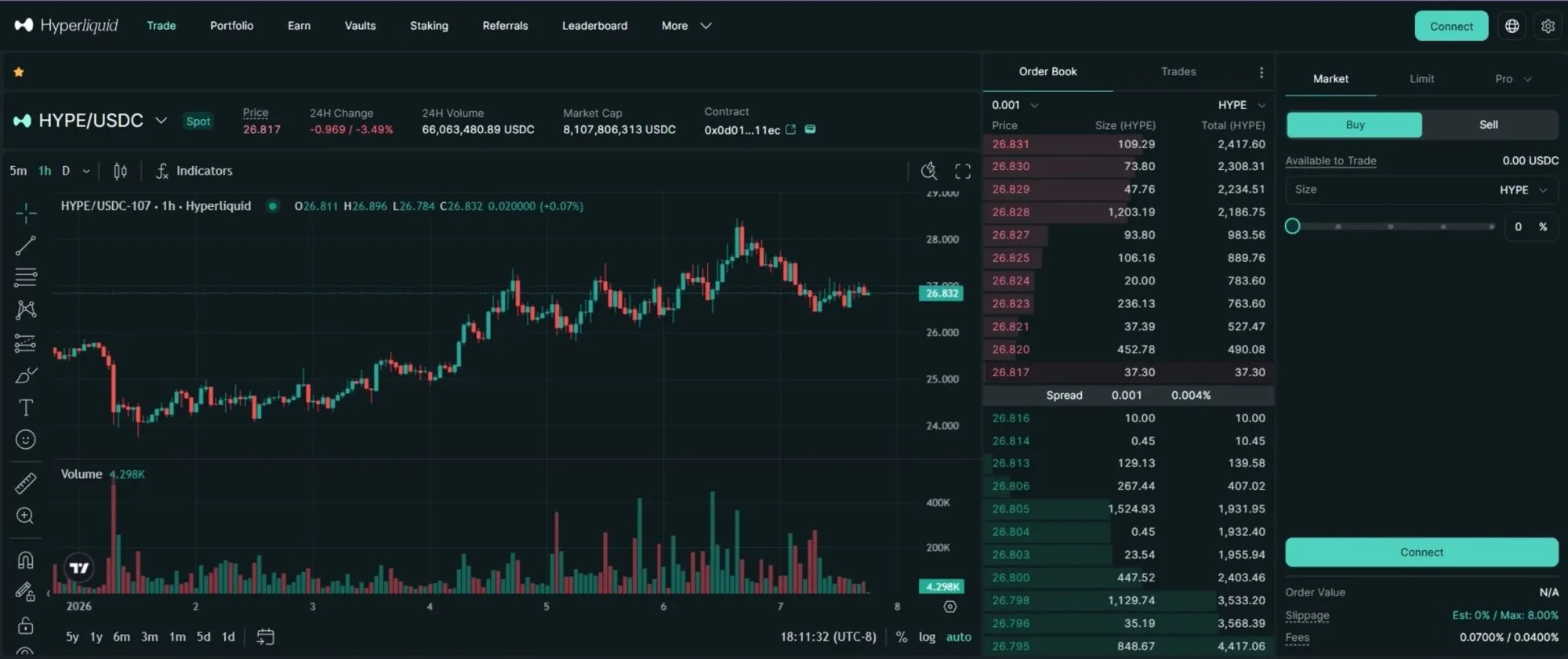
Hyperliquid centers on perpetual contracts, employing an on‑chain order book and a high‑throughput native chain architecture that delivers matching speeds comparable to centralized platforms. The platform runs entirely on a self‑developed chain optimized for low latency and rapid confirmation.
Strengths
- Fully on‑chain order book → high transparency.
- Perpetual contracts offer up to 50× leverage.
- Order placement and cancellation are gas‑free.
- Supports advanced order types and cross‑margin trading.
Limitations
- Spot and options offerings are relatively limited.
- High leverage can be risky for inexperienced users.
2. Uniswap – Benchmark for Token Swaps and Liquidity Provision
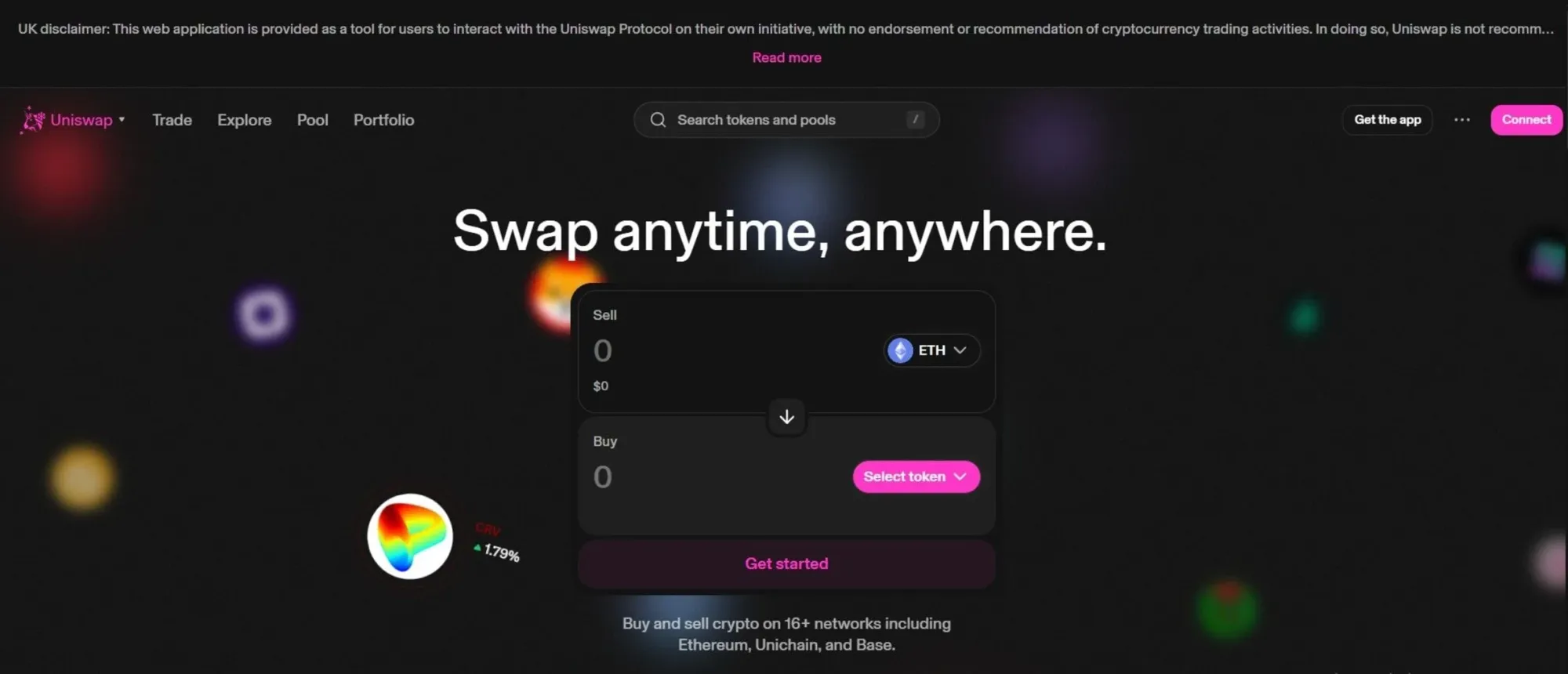
Uniswap uses an Automated Market Maker (AMM) model, allowing users to swap tokens without an order book. In addition to basic swaps, the platform introduced Concentrated Liquidity, enabling liquidity providers to allocate capital within specific price ranges for higher capital efficiency.
Strengths
- Supports a vast number of tokens and pairs.
- Liquidity providers earn a share of trading fees.
- Fully non‑custodial, open‑source, with an active community.
Drawbacks
- Liquidity providers face impermanent loss.
- Gas fees on Ethereum mainnet can become expensive during peak periods.
3. 0x Protocol – Cross‑Chain Liquidity Aggregation Layer
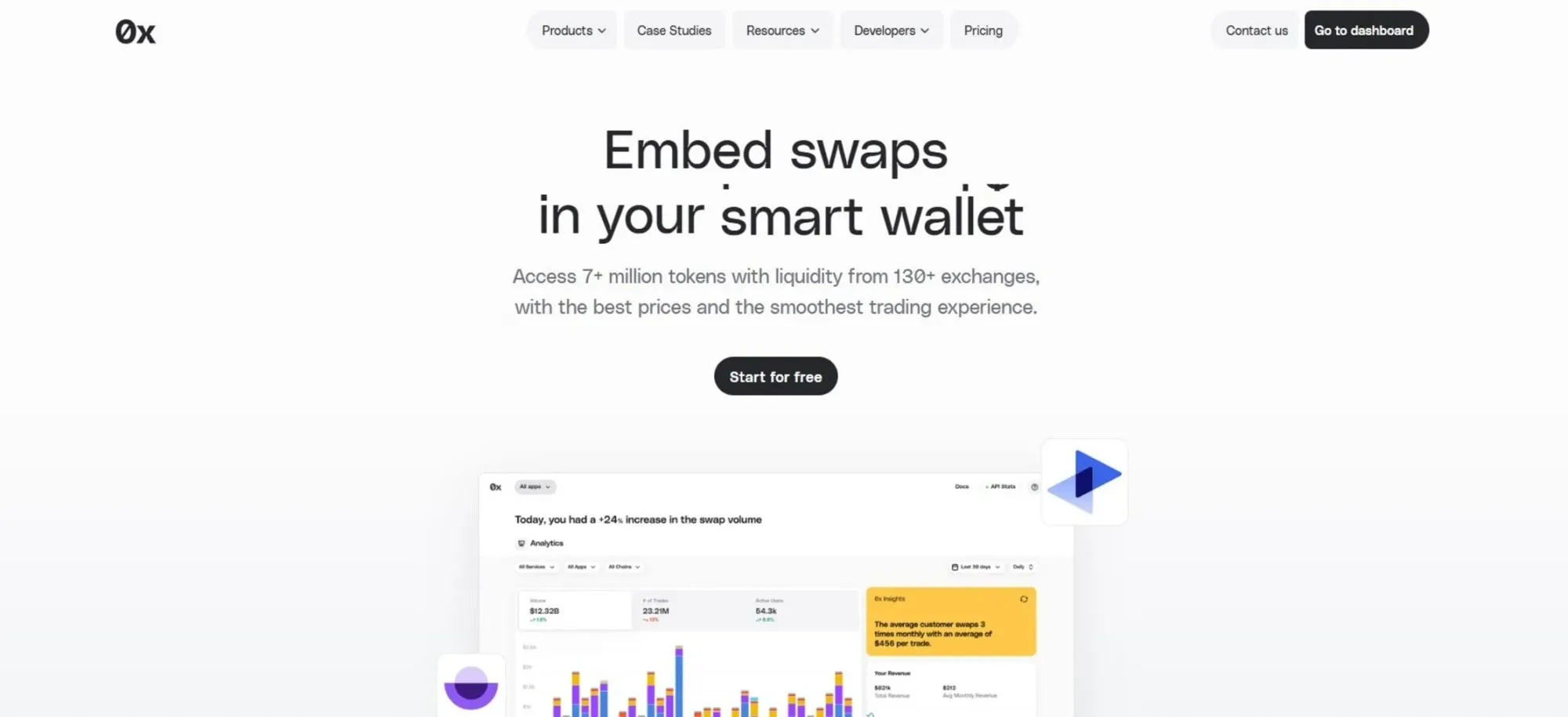
0x supplies developers with a suite of smart contracts and APIs that aggregate liquidity across multiple chains. It does not offer a front‑end trading UI itself; instead, it functions as DeFi infrastructure that wallets, lending platforms, and other applications can integrate.
Strengths
- Pulls liquidity from many sources, improving price quality.
- Widely integrated into major wallets and DeFi apps.
- Open‑source and developer‑centric design.
Weaknesses
- Lacks a direct consumer‑facing trading interface.
- Compared with dedicated DEXes, users have limited control over liquidity sourcing.
4. dYdX – Advanced Perpetual Futures and Leverage Platform
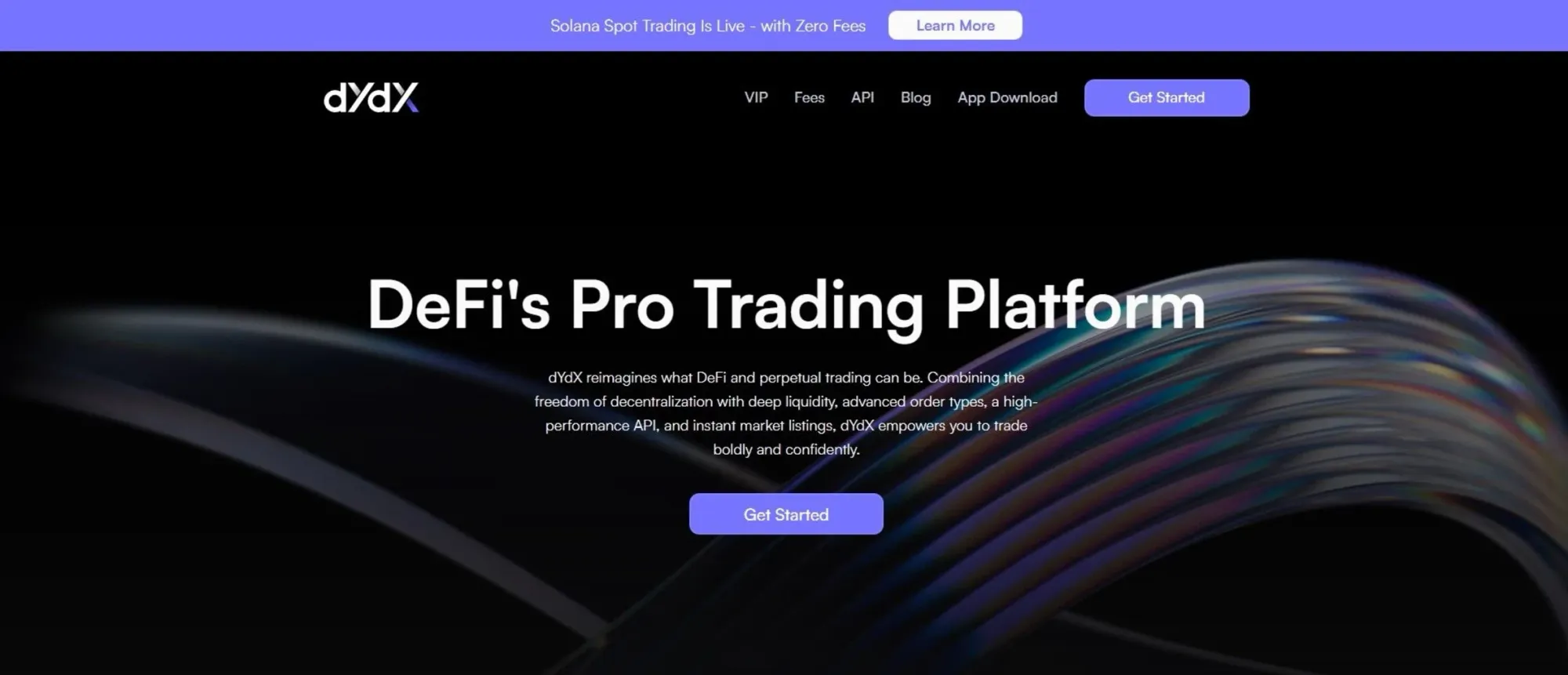
dYdX focuses on perpetual contracts and leveraged trading, offering order‑book matching and cross‑margin management. All positions and settlements occur on‑chain, making it suitable for experienced derivatives traders.
Strengths
- Order‑book based perpetuals cater to professional needs.
- Cross‑margin system simplifies multi‑position management.
- Comprehensive toolset (limit orders, stop‑loss, take‑profit).
Drawbacks
- Primarily derivative‑centric; spot offerings are limited.
- UI may feel complex for newcomers.
- Asset coverage is narrower than spot‑focused DEXes.
5. SushiSwap – Multi‑Chain DeFi Hub
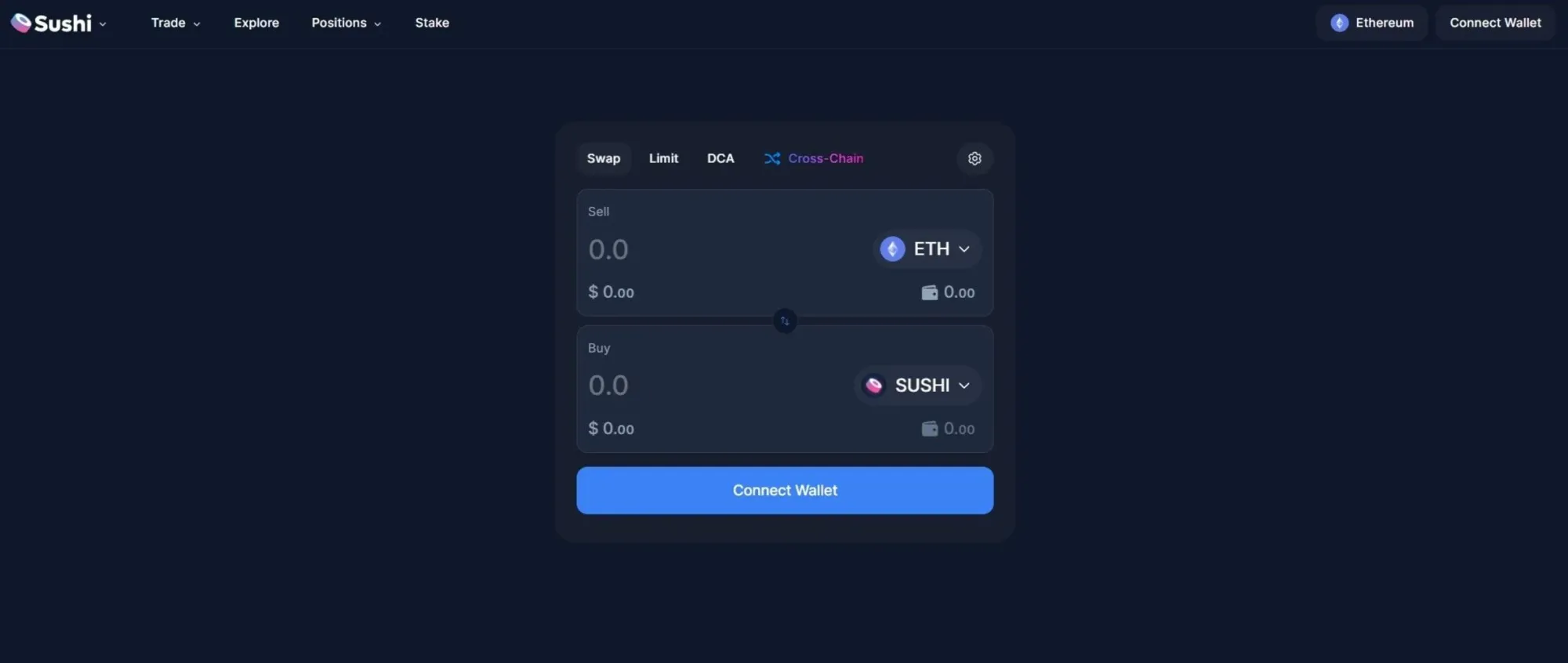
Originally launched on Ethereum, SushiSwap has expanded to numerous Layer‑1 and Layer‑2 networks, enabling token swaps and liquidity provision across chains. Governance is community‑driven, allowing token holders to participate in protocol decisions.
Strengths
- Supports many chains and L2 solutions.
- Liquidity providers earn fees plus additional token incentives.
- Community‑governed structure.
Weaknesses
- Some chains still exhibit relatively high gas costs.
- Feature dispersion can raise the entry barrier compared with single‑chain DEXes.
6. PancakeSwap – Low‑Cost BNB Chain Exchange
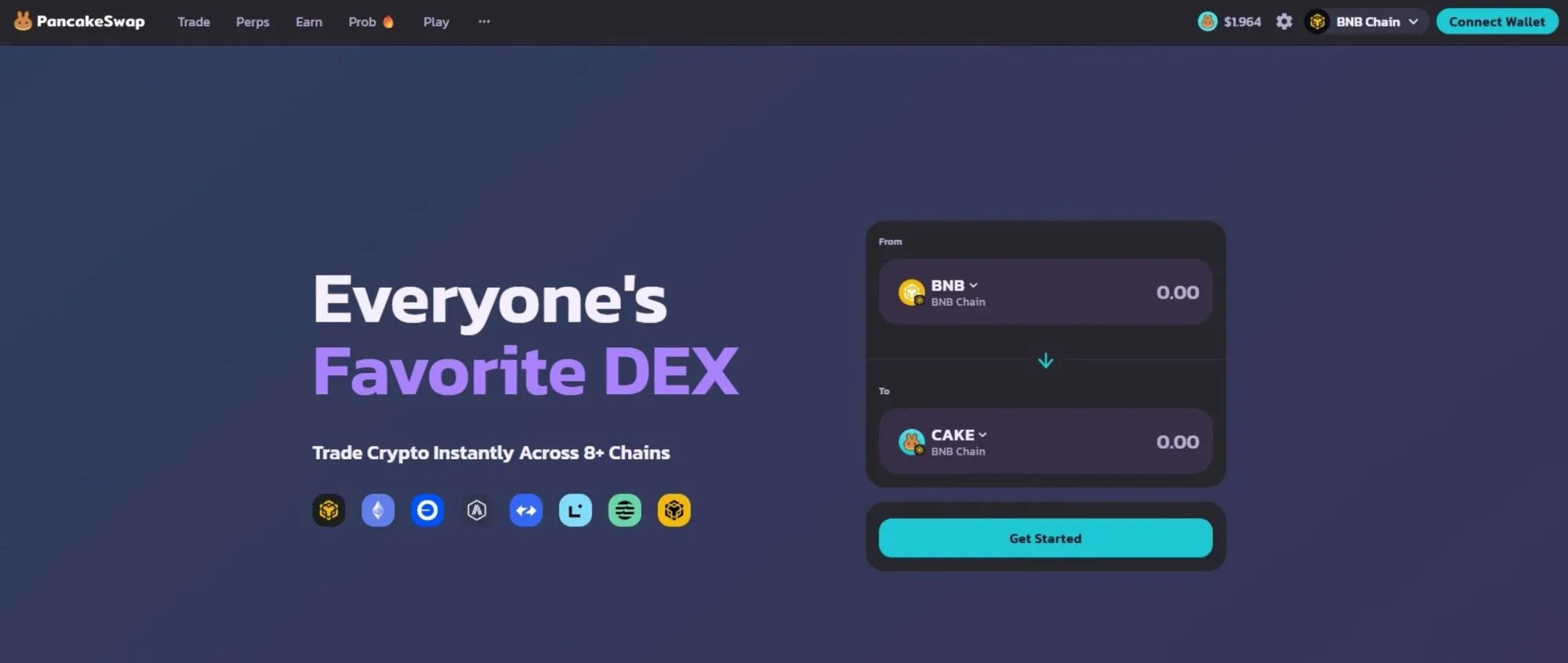
Built on the BNB Chain, PancakeSwap offers fast, inexpensive AMM swaps. The platform also integrates yield farming, staking, and other DeFi utilities, allowing users to earn extra returns alongside trading.
Strengths
- Transaction fees are lower than most Ethereum‑based DEXes.
- Rapid block confirmations on BNB Chain.
- Wide range of tokens and financial products within the ecosystem.
Weaknesses
- Ecosystem is primarily BNB Chain‑centric, limiting cross‑chain flexibility.
- Layered features may increase the learning curve for beginners.
7. Curve Finance – Low‑Slippage Stablecoin DEX
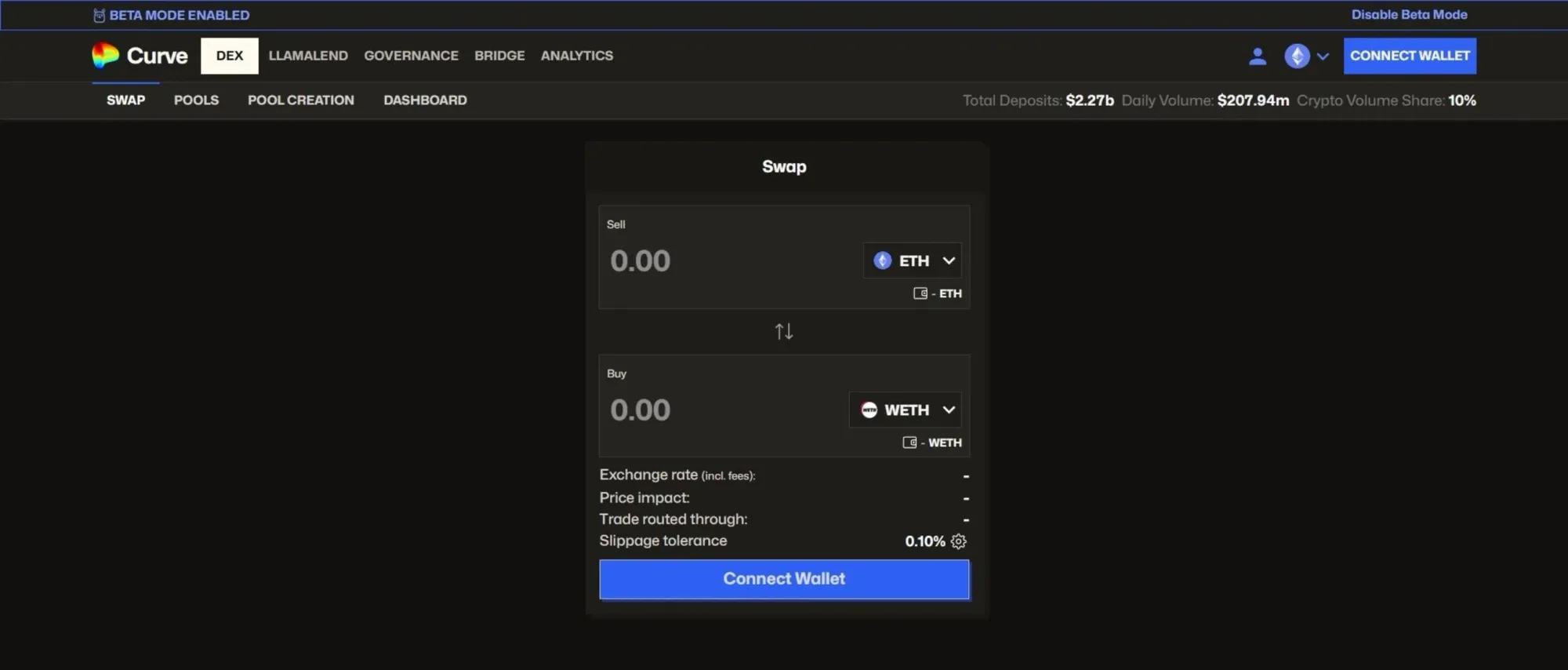
Curve’s AMM is tailored for assets with near‑identical value (e.g., stablecoins, wrapped versions of the same token). This design minimizes slippage and price impact, making it ideal for large‑volume stablecoin swaps.
Strengths
- Extremely low slippage for stablecoin trades.
- Multi‑chain and L2 support.
- Native CRV token used for governance; holders can vote on protocol changes.
Weaknesses
- UI may not be intuitive for newcomers.
- Liquidity provider returns depend on actual pool utilization.
8. Raydium – Solana AMM + Order‑Book Hybrid
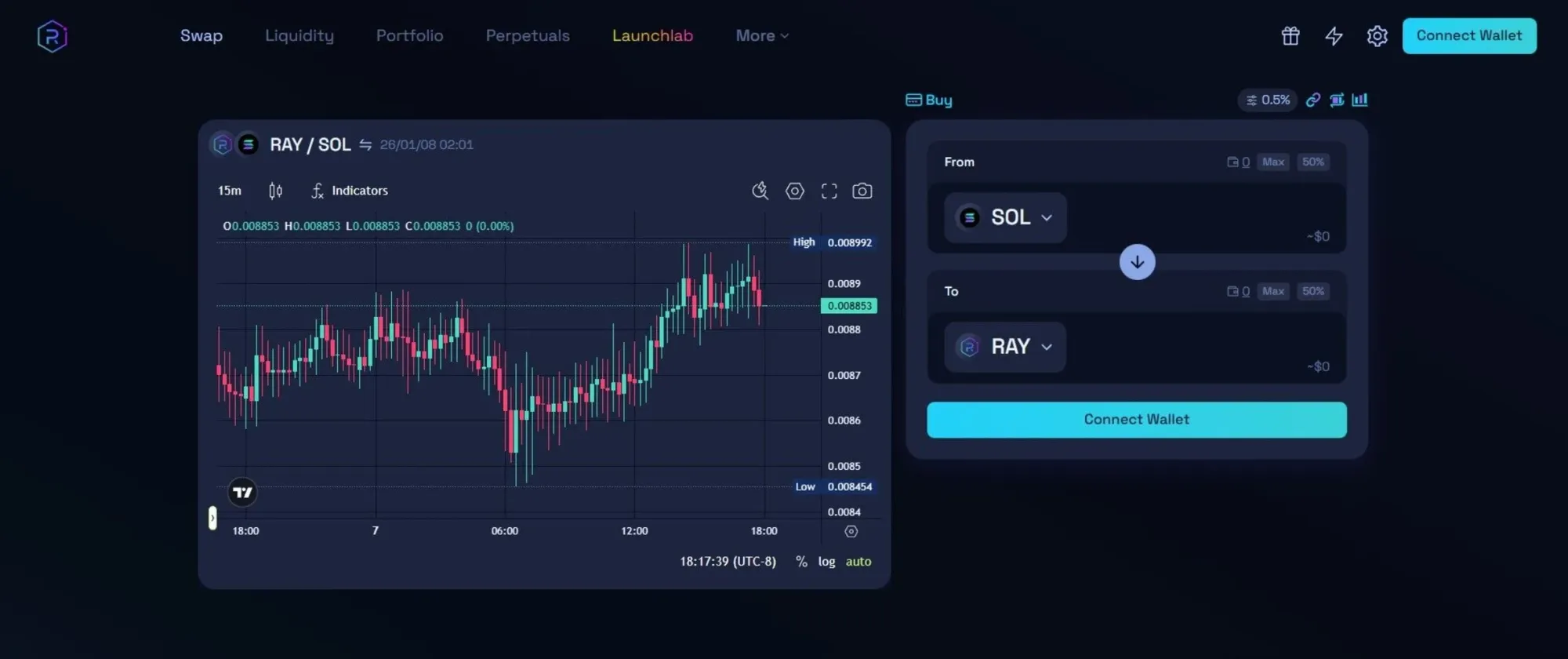
Raydium leverages Solana’s high‑throughput network to provide near‑instant transaction confirmation and minimal fees. By integrating with the Serum order book, Raydium blends AMM liquidity with on‑chain order depth, enhancing trading efficiency.
Strengths
- Fast, low‑cost transactions on Solana.
- Serum order‑book integration boosts liquidity depth.
- Supports yield farming and staking opportunities.
Weaknesses
- Limited to the Solana ecosystem and SPL tokens.
- Large orders may still encounter modest slippage.
9. Kuma (formerly IDEX) – Hybrid Matching DEX
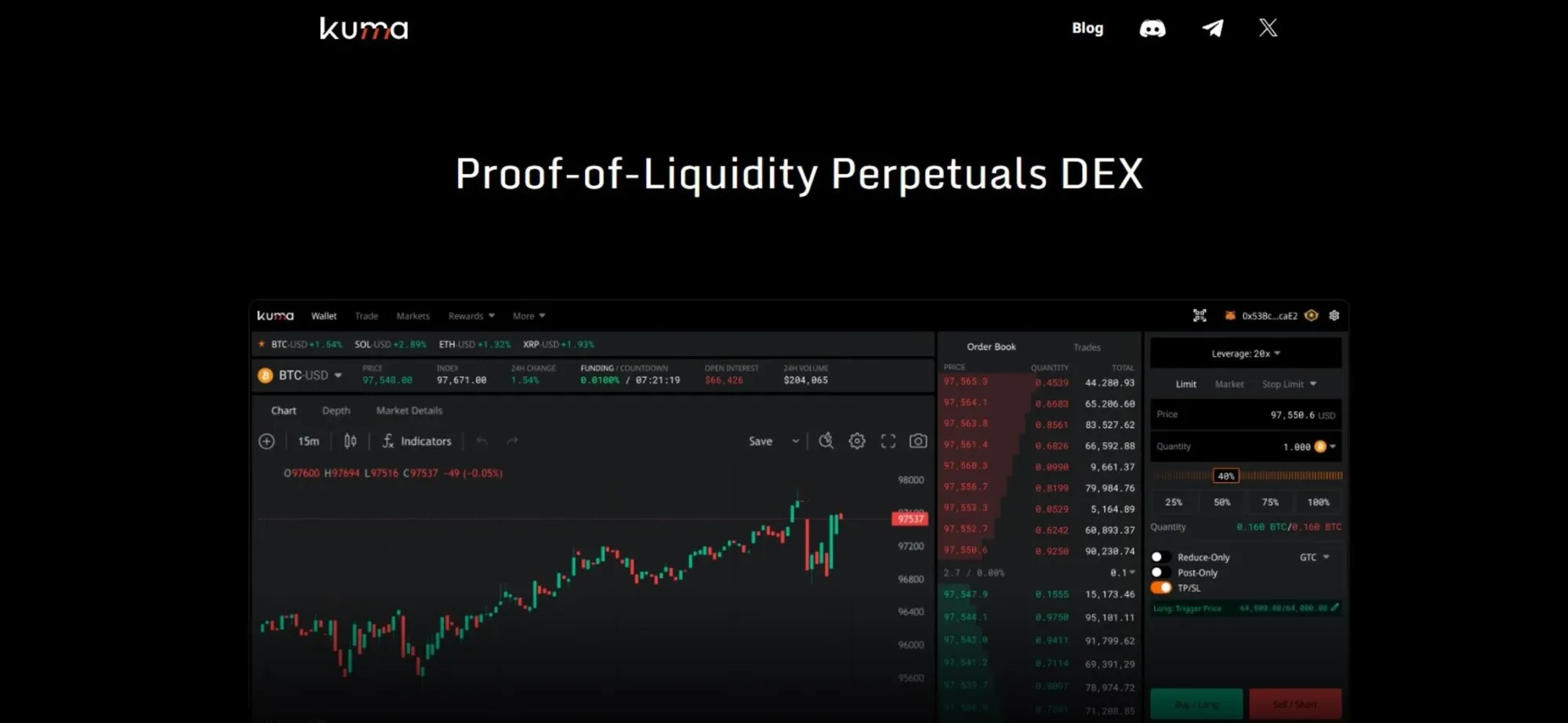
Kuma combines off‑chain order matching with on‑chain settlement to achieve low‑latency ERC‑20 trading while preserving full custodial control for users. The platform offers advanced order types such as limit and market orders and supports multiple L2 networks to reduce gas costs.
Strengths
- Hybrid matching improves trade speed.
- Advanced order types (limit, market) are available.
- L2 support can dramatically lower gas fees.
Weaknesses
- Only covers Ethereum and its Layer‑2 ecosystems.
- Off‑chain matching relies on the platform’s infrastructure reliability.
10. ApeSwap – Multi‑Chain DeFi + AMM Platform
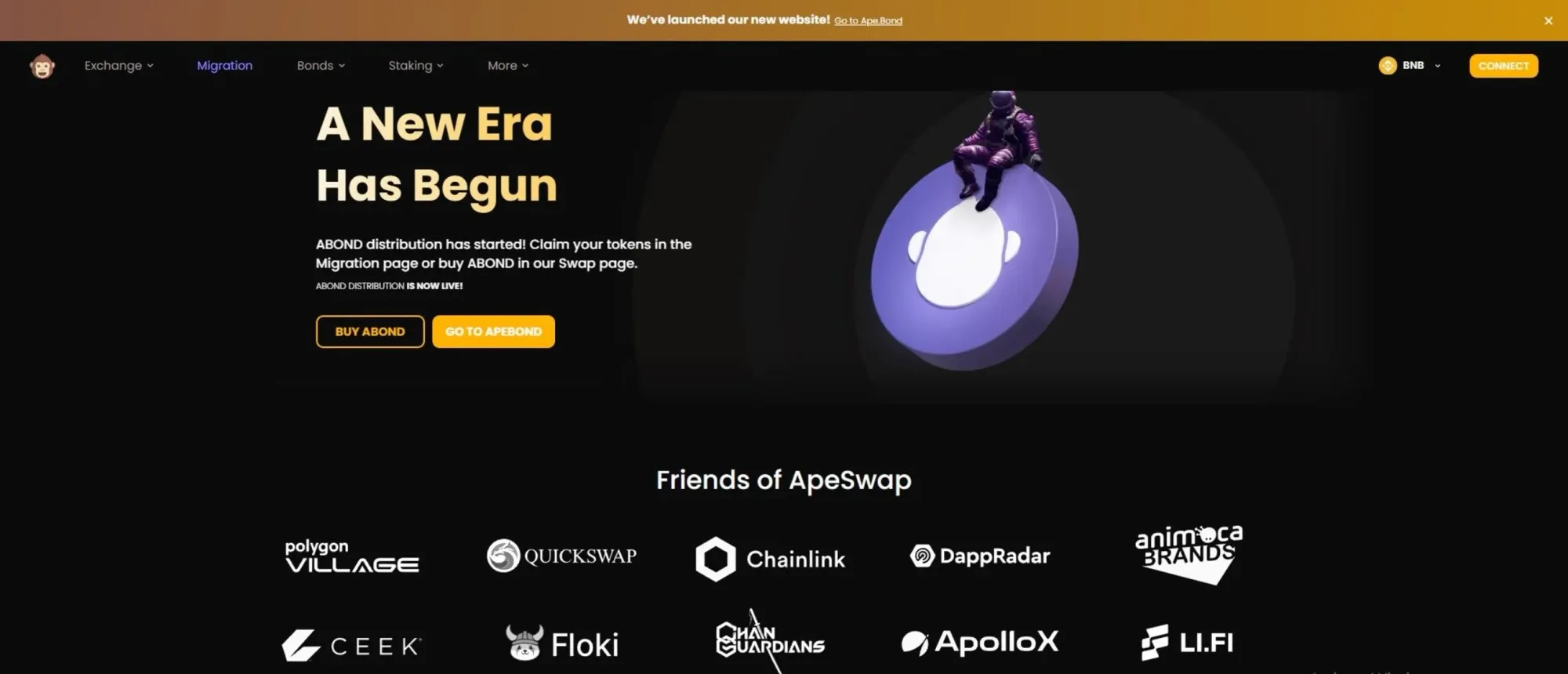
ApeSwap operates on the BNB Chain’s AMM framework, offering token swaps, liquidity provision, yield farming, as well as NFTs, launchpads, and other ancillary services. The platform has expanded to additional chains, enabling cross‑chain DeFi access.
Strengths
- Low‑cost swaps on BNB Chain and other supported networks.
- AMM pools generate fee revenue for liquidity providers.
- Ecosystem includes staking, yield farming, NFTs, and more.
Weaknesses
- Core focus remains on BNB Chain and BEP‑20 tokens.
- Liquidity depth varies across pairs and chains.
Benefits and Potential Risks of Using DEXes
Advantages
- Self‑custody: Managing your own private keys reduces reliance on third‑party custodians.
Related Reading
- Centralized vs Decentralized Exchanges (CEX vs DEX) Explained
- Top Crypto Exchanges for Beginners: Safety, Ease & Low Fees
- Binance Registration & Verification Guide for Mainland China
💡 Register on Binance with referral code B2345 for the maximum trading fee discount. See Binance complete guide.



