
 Bitaigen Research
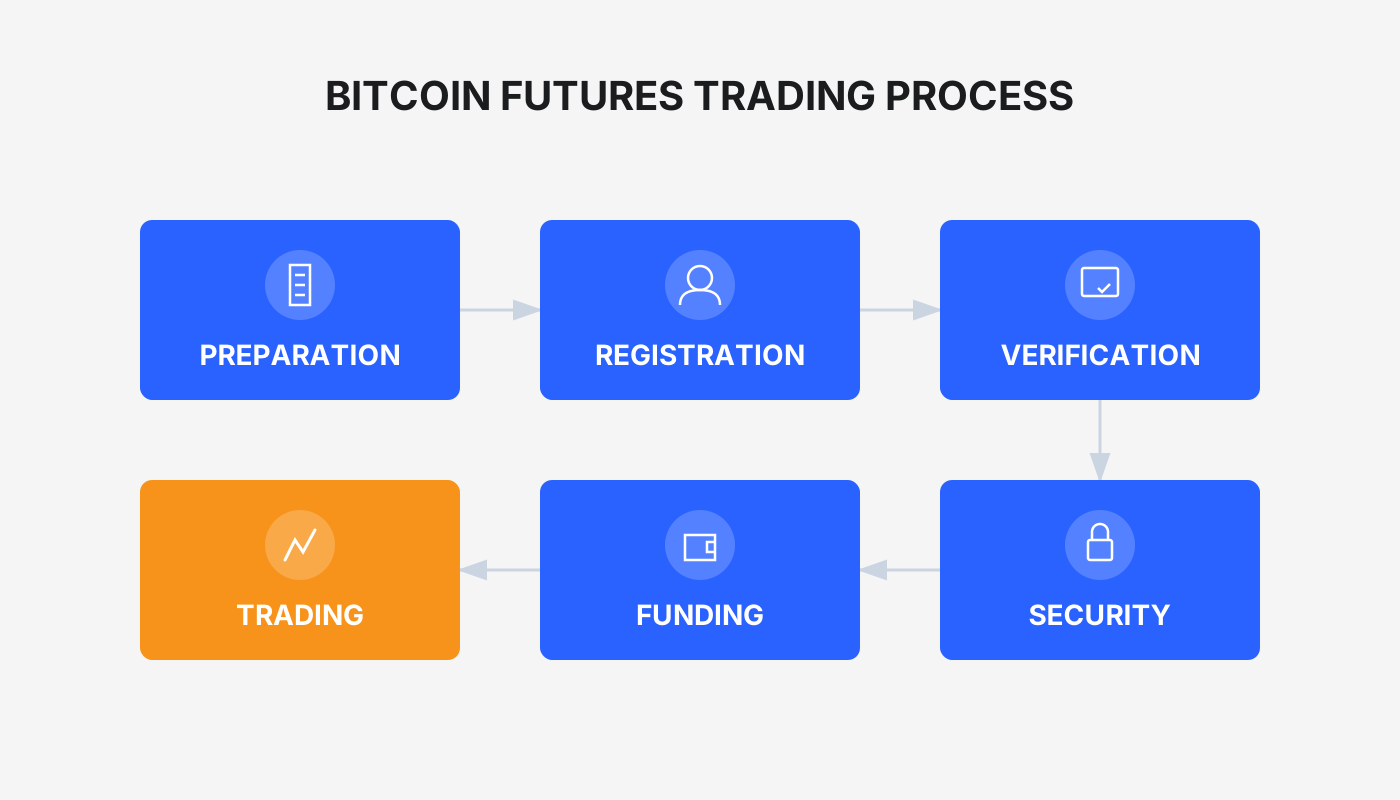
Trading Bitcoin futures involves selecting a regulated platform, completing identity verification, depositing margin, placing a buy or sell order for a contract, and then closing the position or settling before expiration.
In this article we systematically outline the core concepts and operational workflow of Bitcoin futures, helping beginners quickly grasp the key points from platform selection and identity verification to margin‑based order placement, and we explain the fundamental differences between spot and futures. Read on to build a complete trading mindset and safely enter the futures market.
What Is Bitcoin Futures?
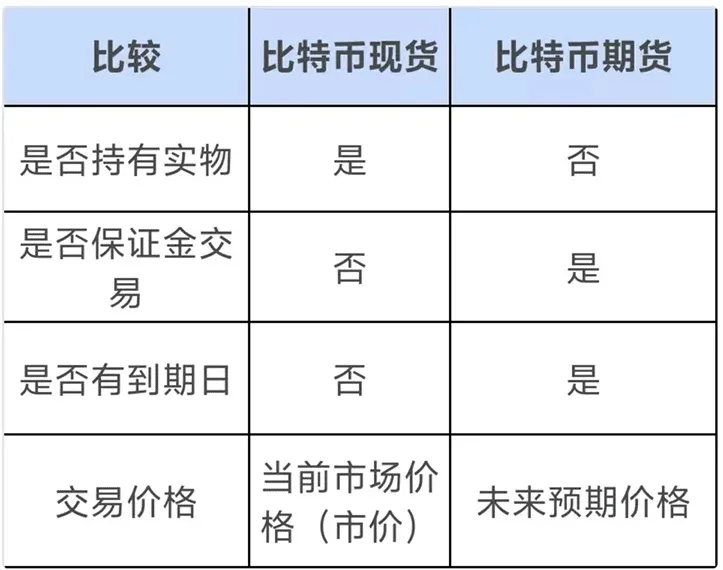
Before introducing Bitcoin futures, it is useful to understand Bitcoin spot. Both are ways of trading Bitcoin, but they focus on different aspects.
- Bitcoin spot: Refers to actually owning Bitcoin and buying or selling it at the current market price. The trade does not involve an expiry date, margin, or delivery; investors can buy or sell at any time.
- Bitcoin futures: A derivative that gives the holder the right to buy or sell Bitcoin at a pre‑agreed price on a specific future date. Trading uses a margin model, provides leverage, and requires the position to be closed or settled before the contract expires.
What Bitcoin Futures Products Exist?
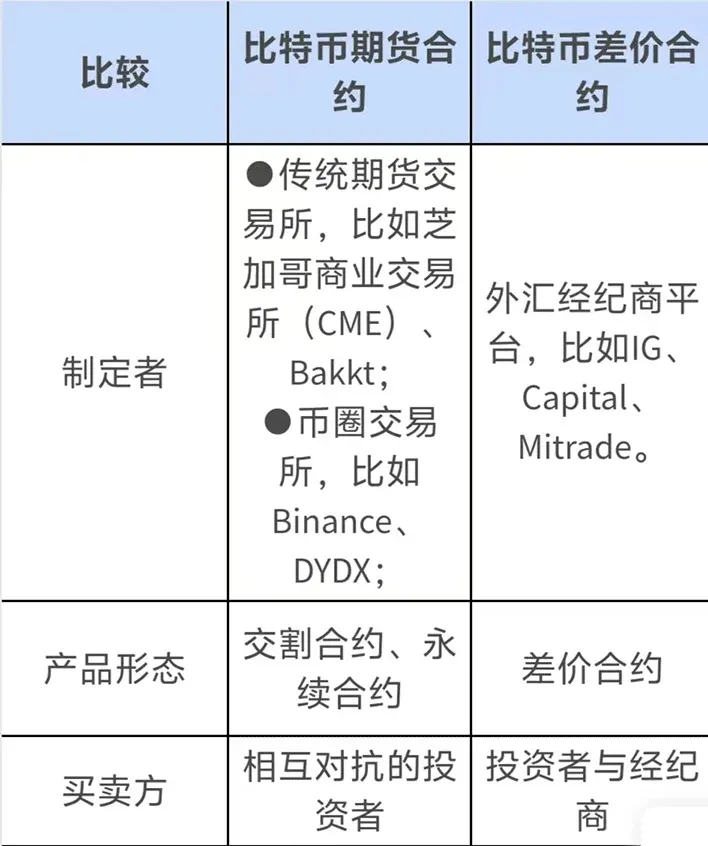
Bitcoin futures contracts are created by different exchanges or platforms, and the contract parameters (such as expiry date, settlement method, leverage ratio) vary. By trading venue they can be divided into two major categories:
| Category | Main Characteristics |
|---|---|
| **Standard Bitcoin Futures Contracts** | Standardised contracts with a fixed expiry date and settlement method, commonly listed on regulated exchanges (e.g., CME). |
| **Bitcoin Contracts for Difference (CFDs)** | Contracts based on a Bitcoin price index, without a fixed settlement date, usually offering higher leverage and suited to OTC platforms. |
Advantages and Disadvantages of Bitcoin Futures Investing
Advantages
- Leverage trading: Only a small amount of margin is required to control a larger position.<br>For example, if BTC is priced at USD 50,000, using 10× leverage means you need only USD 5,000 margin to control the equivalent of one BTC future.
- Two‑way operation: You can go long or short, which makes it easier to hedge or profit in a falling market.
Disadvantages
- Amplified risk: Leverage also magnifies losses. With 10× leverage on a short BTC position, a 1 % price increase erodes 10 % of your margin; a 10 % rise could trigger liquidation.
- High volatility: Bitcoin’s price swings are extreme, causing futures contracts to carry uncertain risk. Participants should fully understand the inherent volatility of crypto assets before committing capital.
Note: Cryptocurrency gains may be taxable in your jurisdiction. Consult a qualified tax professional to understand your local obligations.
Bitcoin Futures Price Dynamics
- Spot price reflects the real‑time market transaction price.
- Futures price embodies the market’s expectations for future price levels and often trades at a premium or discount relative to spot.
A brief historical overview:
- In 2017 BTC first broke the USD 20,000 barrier, then fell roughly 80 % over the following months.
- From 2019 to 2021 futures prices trended upward, peaking near USD 70,000.
- After dropping to USD 15,000 in 2022, the price recovered to about USD 28,000 in 2023. Future movements will continue to be influenced by global liquidity conditions and Bitcoin’s underlying fundamentals.
How to Trade Bitcoin Futures
The trading workflow resembles spot trading, with the following key steps:
- Choose a platform: Prioritise regulated exchanges with a solid reputation.
- Register and complete identity verification (KYC).
- Deposit margin: Transfer fiat (via USD wire, SEPA, or SWIFT) or cryptocurrency to meet the margin requirement for the selected contract and leverage level.
- Place an order: Select to buy (go long) or sell (go short) the futures contract.
- Close or settle: Actively close the position before expiry, or follow the platform’s settlement rules.
Trading Tips
- Delivery contracts (e.g., CME or Binance Futures) require attention to the expiry date to avoid forced liquidation. Prices can be especially volatile near settlement, so many traders steer clear of trading in that window.
- Perpetual contracts / CFDs have no fixed expiry but incur overnight funding fees; it is generally advisable to avoid holding positions overnight unless you understand the fee structure.
- Cross‑margin vs. isolated margin: Isolated (or “single‑position”) margin is recommended, as it prevents the entire account balance from being automatically allocated as collateral for a single trade.
Precautions When Investing in Bitcoin Futures
- Scam risk
- Common scams include fake platforms, impersonation of celebrity investors, and bogus trading strategies. When confronted with promises of “high returns” or “zero fees,” verify the platform’s licensing and consult reputable sources before committing funds.
- Regulatory risk
- Jurisdictions differ widely in how they treat Bitcoin and its derivatives. Some regions (e.g., Taiwan) currently prohibit Bitcoin futures trading, and future policy shifts remain uncertain.
- Leverage risk
- Lower margin ratios increase leverage and consequently the potential for larger losses. Set leverage levels that align with your personal risk tolerance and capital capacity.
Bitcoin Futures Contracts vs. Bitcoin CFDs
| Comparison Dimension | **Bitcoin Futures Contracts** | **Bitcoin CFDs** |
|---|---|---|
| **Margin requirement** | Typically 30 %‑40 % (CME example) | Around 5 % |
| **Contract size** | Standard unit of 5 BTC, roughly **USD 100,000** per contract | Flexible; supports small‑scale trades |
| **Trading hours** | Limited to U.S. business days (Monday‑Friday) | 24/7, including weekends |
| **Settlement method** | Fixed expiry; requires roll‑over or physical/ cash settlement | No fixed expiry; operates like a perpetual contract |
| **Market fairness** | Can be influenced by large‑player positions, potential for manipulation | Based on an aggregated index price, reducing single‑exchange manipulation risk |
| **Two‑way trading** | Supports both long and short | Also supports both directions |
Overall, Bitcoin CFDs appeal to traders with smaller capital or those who need round‑the‑clock access, thanks to low margin, flexible sizing, and the absence of a settlement deadline.
Summary
- Bitcoin futures are margin‑based derivatives that let you control a larger exposure with a fraction of the capital.
- Futures amplify both potential profit and potential loss; investors should match product choice with their capital, risk appetite, and understanding of leverage.
- Within the futures ecosystem, differentiate between delivery contracts, perpetual contracts, and CFDs, and select the product that best fits your trading style.
- Because contract specifications vary across platforms, always read the terms and conditions carefully before trading to avoid unexpected costs related to settlement, margin calls, or funding fees.
- Remain vigilant about scams, regulatory developments, and leverage risks; never follow market hype blindly.
For U.S. residents: Use Binance.US or another U.S.-registered exchange for futures trading, as the global Binance platform is not available to U.S. customers.
Tax reminder: Gains or losses from Bitcoin futures may be subject to taxation in your country of residence. Seek professional advice to ensure compliance.
Related Reading
- How to Buy Tokens on PancakeSwap: A Quick 4‑Step Guide
- Centralized vs Decentralized Exchanges (CEX vs DEX) Explained
- Bybit vs MEXC 2026 Review: Which Crypto Exchange Is Best?
💡 Register on Binance with referral code B2345 for the maximum trading fee discount. See Binance complete guide.



