
 Bitaigen Research
 Hyperliquid is a low‑latency decentralized exchange (DEX). The HYPE token is used for governance, fee discounts, staking, and gas payment. The platform’s strengths lie in its high throughput and on‑chain perpetual contracts, while its drawbacks include decentralization disputes and security risks. The outlook remains positive.
From the perspectives of technology, governance, and ecosystem, we systematically outline Hyperliquid’s core competitive advantages and potential risks, helping readers quickly grasp the real functions of the HYPE token and the project’s prospects. The full text reveals the sources of the platform’s advantages, possible challenges, and the key factors that could drive long‑term value—worth a thorough read.
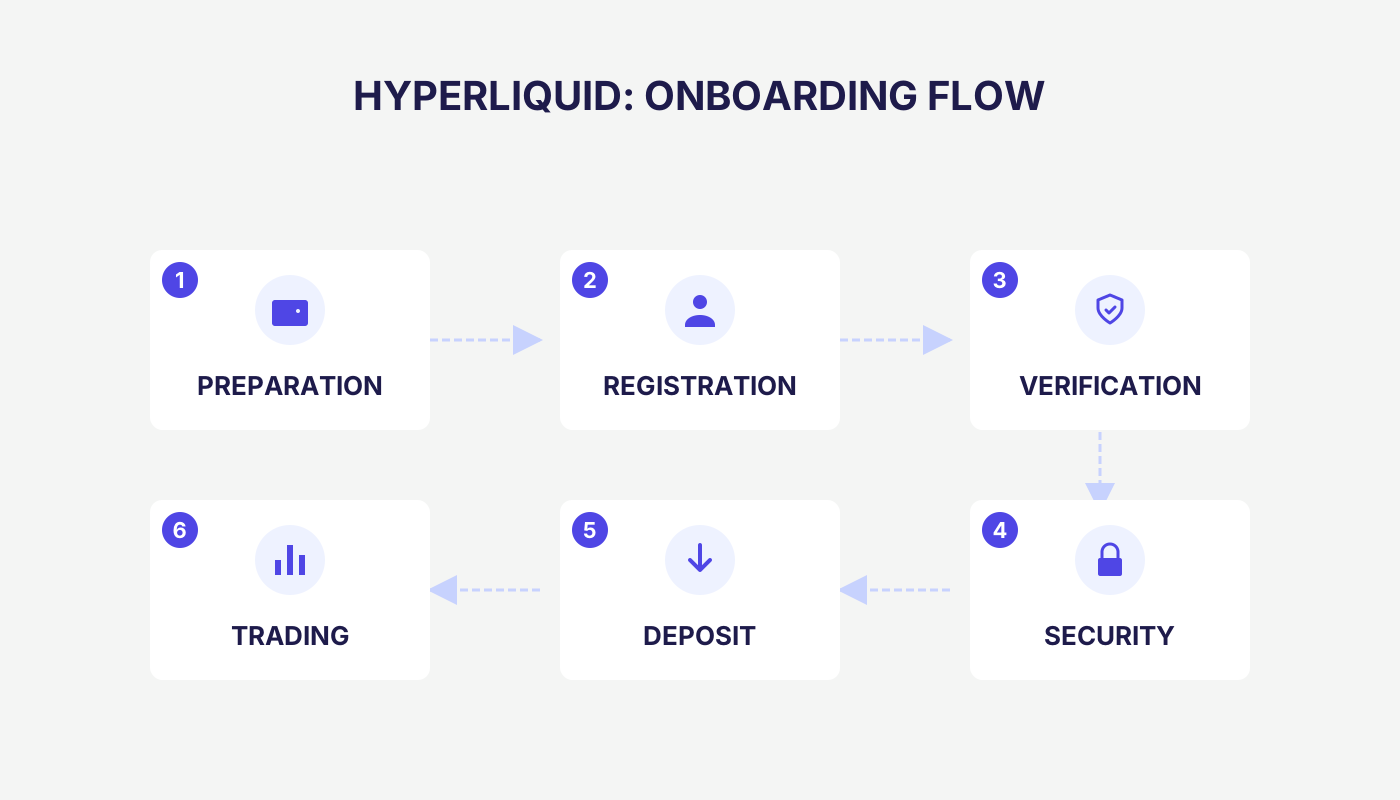
What is Hyperliquid?
Hyperliquid is a high‑performance decentralized trading platform that aims to deliver a user experience comparable to centralized exchanges while supporting spot and derivatives trading through an on‑chain order book. Since its launch in 2022, the platform has set several records:
- The governance token $HYPE entered the top‑20 crypto market‑cap list within one month of listing.
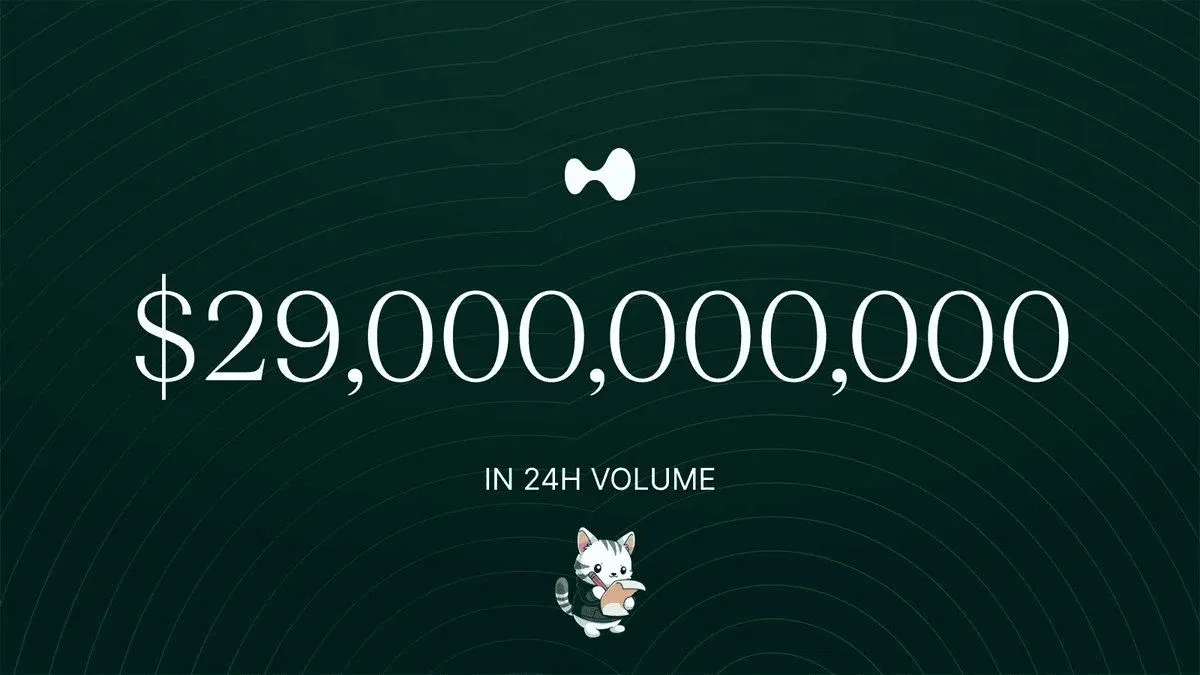
- 24‑hour trading volume surpassed $29 billion.
- It holds the largest volume among decentralized perpetual‑contract platforms.
- Cumulative user count exceeds 800 k.
Because of its ultra‑fast execution and user‑friendly interface, Hyperliquid is often dubbed “the Binance on‑chain”.

Feature 1: Team with a quantitative‑trading background
Co‑founder Jeff Yan and iliensinc are both Harvard alumni; other team members hail from Caltech and MIT, and have previously worked at:
- Airtable
- Citadel
- Hudson River Trading
Jeff previously worked at Hudson River Trading, gaining extensive quantitative‑trading experience. The team started in 2020 with crypto‑native market‑making, entered DeFi in the summer of 2022, and, amid the security concerns triggered by the FTX collapse, decided to build a product that blends on‑chain transparency with centralized‑level performance—Hyperliquid.
Feature 2: Proprietary Layer‑1 blockchain
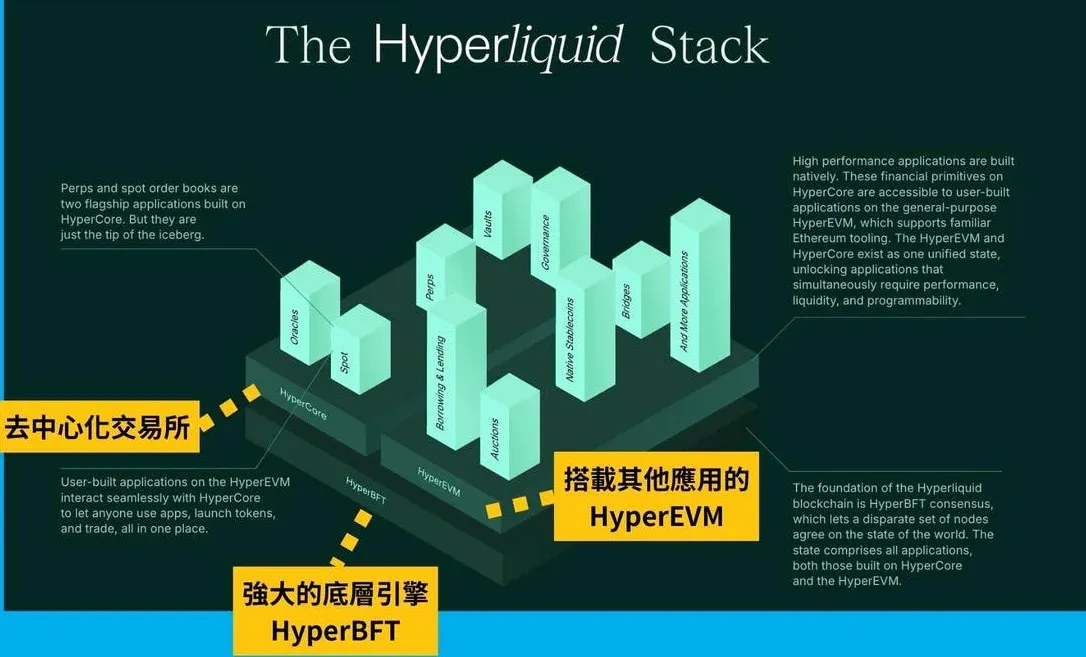
To achieve low latency and high throughput, Hyperliquid designed its own Layer‑1 blockchain from scratch. The chain uses a Proof‑of‑Stake (PoS) consensus and incorporates a self‑developed HyperBFT algorithm (implemented in Rust). It currently processes 200 k orders per second, with a roadmap to reach 2 million orders per second, approaching the speed of centralized exchanges.
- Base layer: Officially called HyperCore, it underpins the decentralized trading platform.
- Expansion layer: Deployed on the same chain as HyperEVM, it offers an Ethereum‑ and Solana‑like contract execution environment, supporting DeFi, NFTs, and other dApps.
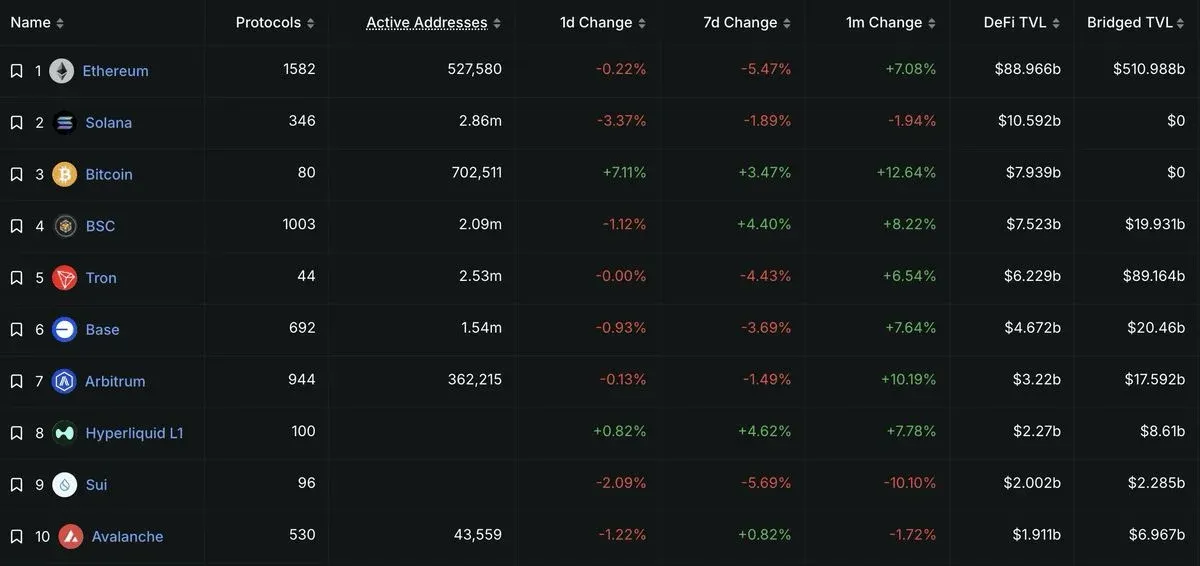
According to DeFiLlama, the total value locked (TVL) in Hyperliquid’s DeFi applications has reached $2.27 billion, placing it among the top‑10 public blockchains.
Feature 3: No VC funding
From day one, the project has refused external financing to avoid pressure from outside capital and to maintain an autonomous development pace.
Feature 4: Spot‑listing auction mechanism
The platform defines its own token‑listing standard HIP‑1, conducting an auction every 31 hours. Only projects that win the auction may list a spot market on Hyperliquid. The next round’s starting price is set at twice the previous winning price and then decreases over time until a bidder appears. In December 2024, the highest winning price was for the GOD token, fetching $975,746. This mechanism aims to curb low‑quality token listings.
Feature 5: HYPE token buy‑back program
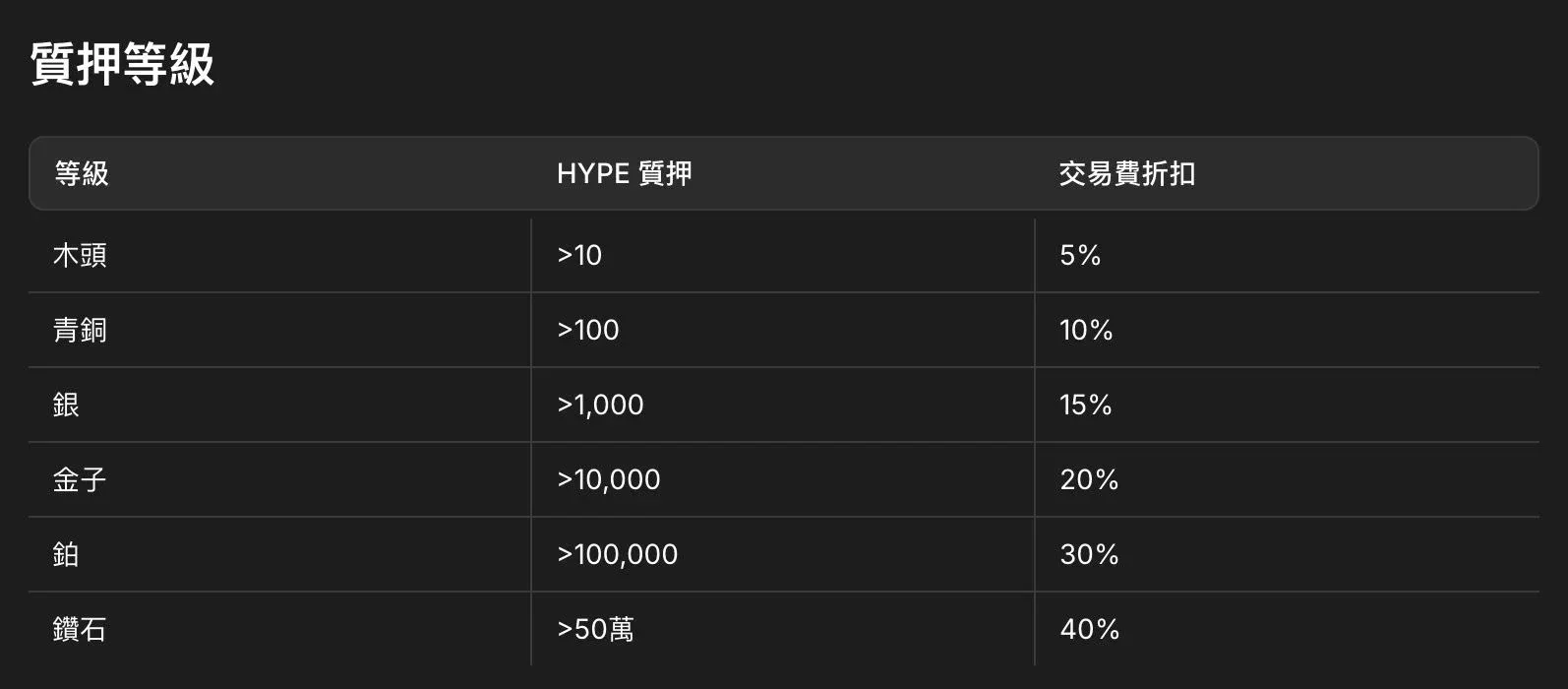
Hyperliquid allocates 97 % of its trading fees to repurchase HYPE on the open market, creating price support that scales with platform growth. The buy‑back is executed automatically by a treasury called the Assistance Fund, running 24/7 without human intervention. As of August 2025, roughly 30 million HYPE have been repurchased, amounting to over $1 billion.
Assistance Fund buy‑back address: `0xfefefefefefefefefefefefefefefefefefefefe`
Buy‑back funds come from fees; during periods of high market volatility, the repurchase volume expands, forming a dynamic floor support. While the protocol has not pledged to burn or re‑use the repurchased tokens, the market generally assumes they will be removed from circulation in the short term, creating potential deflationary pressure.
HYPE Token Overview and Use Cases
HYPE is Hyperliquid’s governance token, with a total supply of 1 billion tokens. 310 million were airdropped to loyal users in November 2024, constituting the primary circulating supply; team tokens will vest over one year after issuance.
| Allocation target | Amount (tokens) | Percentage |
|---|---|---|
| Community incentives | 388,880,000 | 38.888 % |
| Community airdrop | 310,000,000 | 31 % |
| Team members | 238,000,000 | 23.8 % |
| Hyper Foundation | 60,000,000 | 6 % |
| Community bounty | 3,000,000 | 0.3 % |
| HIP‑2 | 20,000 | 0.012 % |
| **Total** | **1,000,000,000** | **100 %** |
Use Case 1: Fee discounts
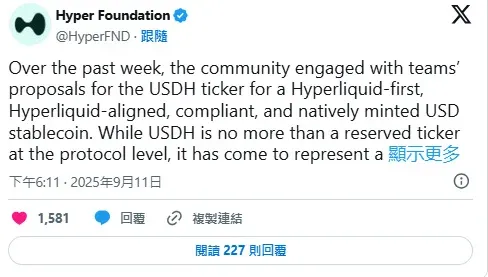
Holding and staking HYPE grants spot‑ and contract‑trading fee reductions. For example, staking 10 HYPE yields a 5 % fee rebate, which is attractive to high‑volume traders and market makers.
Use Case 2: On‑chain governance and staking
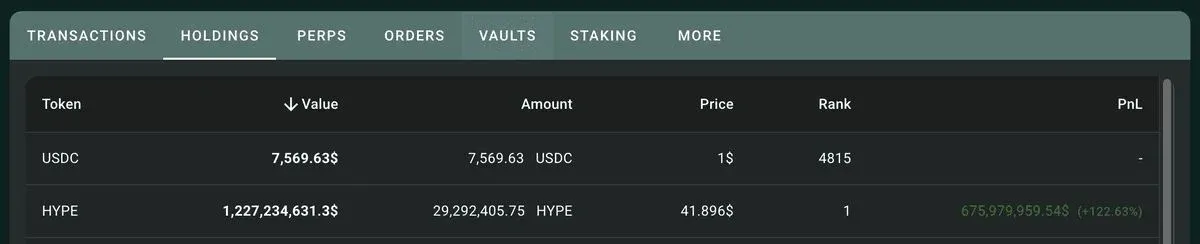
Hyperliquid runs on a PoS model; HYPE serves as the staking asset that secures the HyperBFT blockchain. Major protocol upgrades must be proposed on‑chain and approved by token‑holder votes, which are limited to accounts that have staked HYPE. In September 2025, the platform launched the USD‑pegged stablecoin USDH via on‑chain governance, with implementation rights granted to Native Markets.
Use Case 3: Paying gas fees
When executing any transaction on HyperEVM, users must pay gas fees in HYPE.
Steps to Use Hyperliquid
Prerequisites
Hyperliquid currently deposits on the Arbitrum network. Users should have the following assets in a personal wallet:
Deposit workflow (tested)
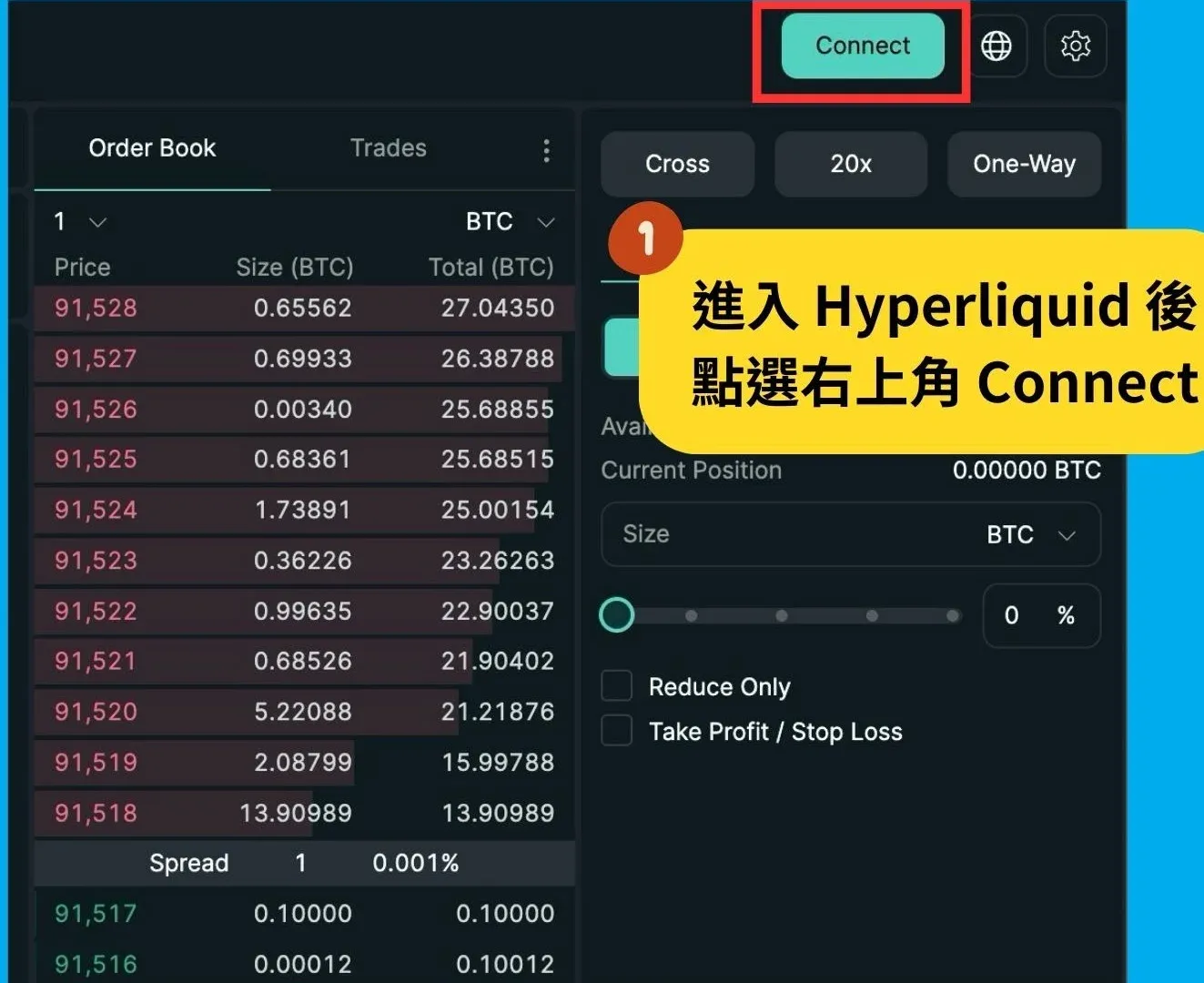
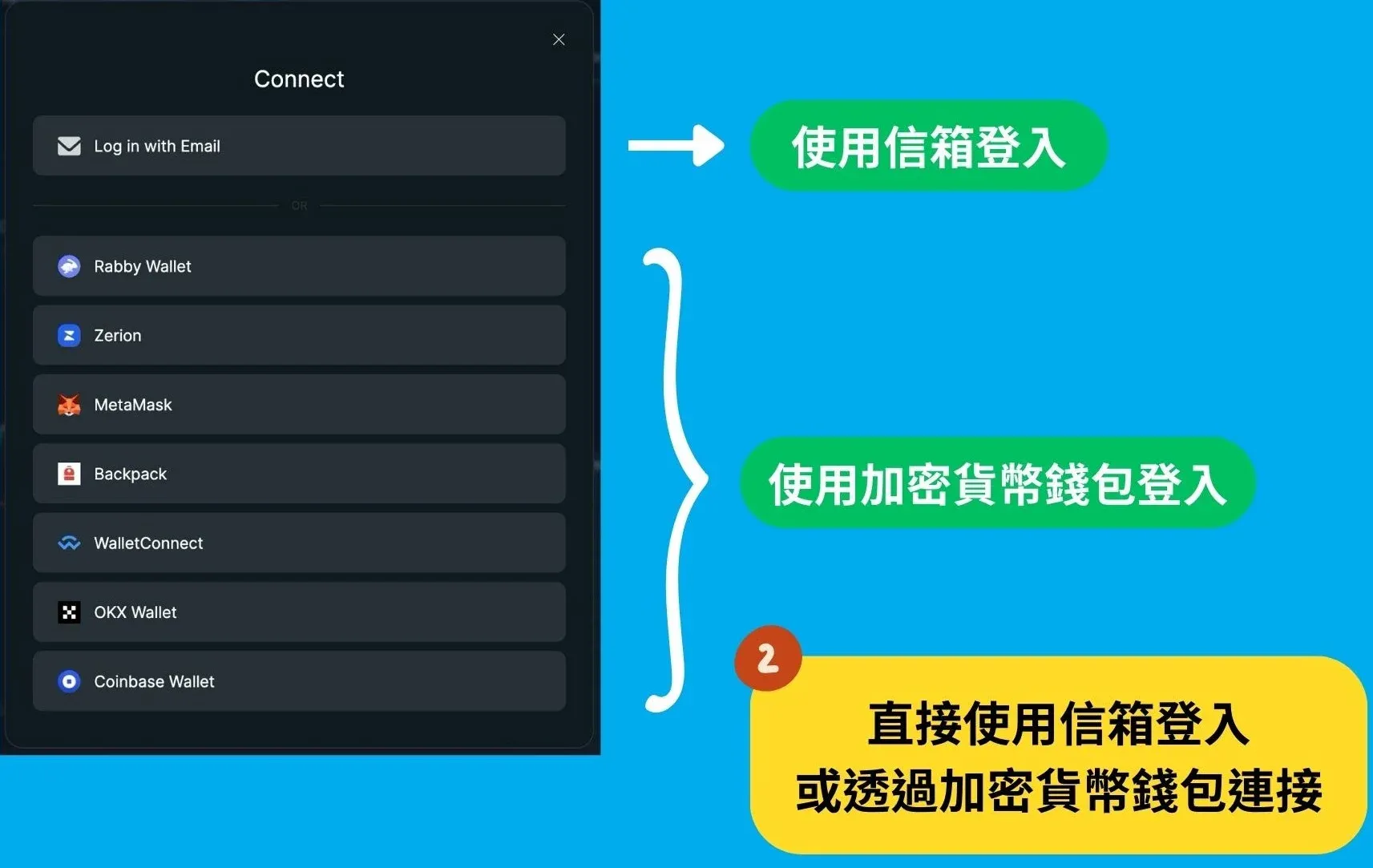
- Visit the Hyperliquid website and click Connect at the top‑right corner.
- Choose “Email login” or “Crypto‑wallet login”.
- Click Deposit and accept the platform’s terms of use.
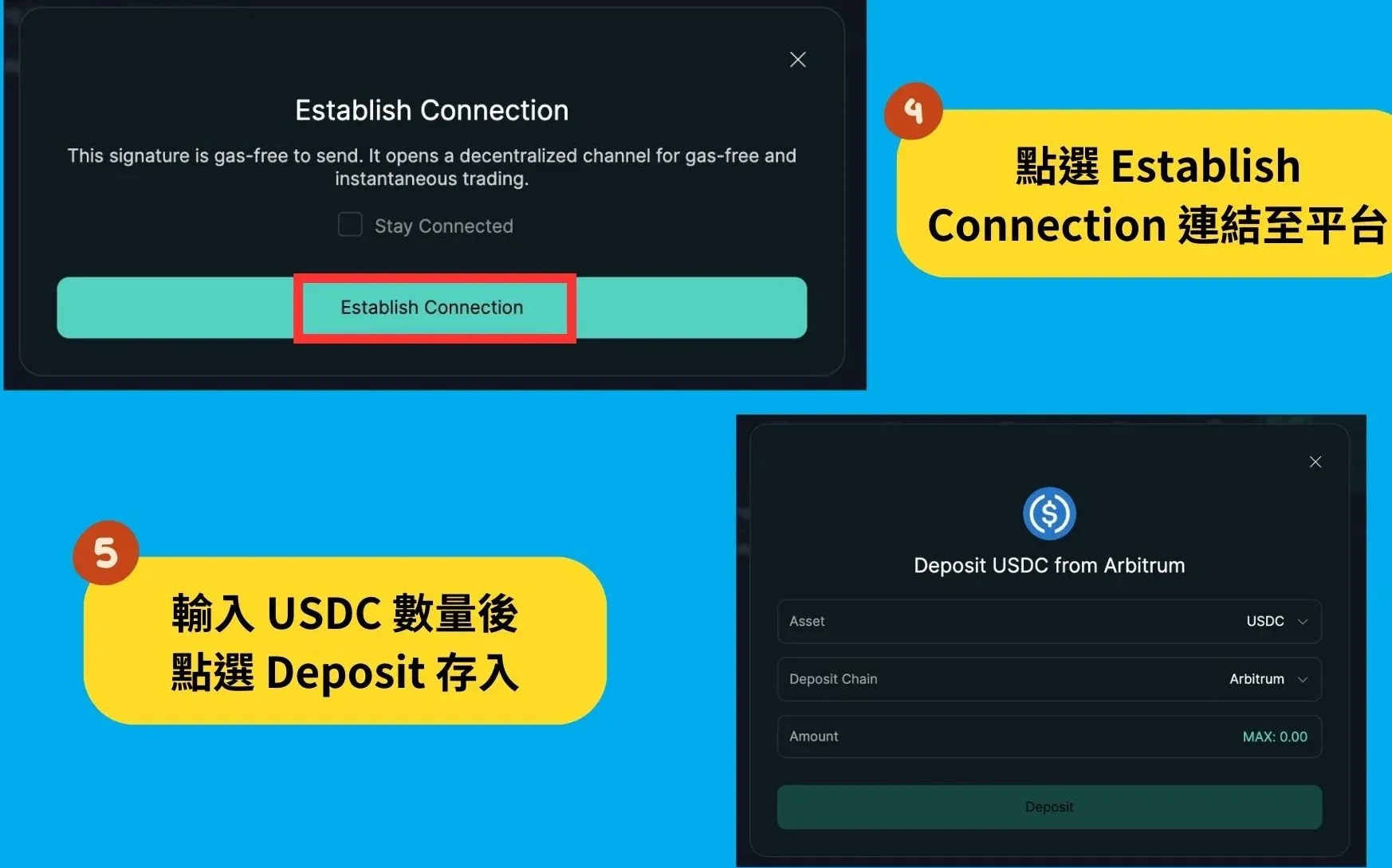
- Press Establish Connection and sign the request in your wallet.
- Enter the amount of USDC you wish to deposit, confirm, and the funds will be credited. If you select USDT, the system automatically swaps it to USDC before depositing.
- When using a crypto‑wallet login, the platform uses the existing wallet directly; with email login, a brand‑new wallet is created and linked to the email address.
- The minimum deposit is 5 USDC.
- After depositing, allow 3–5 minutes for block confirmations; once confirmed, you can trade spot or derivatives.
Trading Fee Structure
Default fees are as follows:
| Type | Taker | Maker |
|---|---|---|
| Perpetual contracts | 0.045 % | 0.015 % |
| Spot | 0.070 % | 0.040 % |
The platform calculates a VIP level based on the cumulative 14‑day trading volume (spot + perpetual). Higher VIP tiers receive lower fees. Spot volume is double‑counted when determining the weighted total.
VIP tiers and fee schedule (perpetual contracts)
| 14‑day weighted volume | VIP tier | Taker fee | Maker fee |
|---|---|---|---|
| ≤ $0 | – | 0.045 % | 0.015 % |
| > $5 million | 10 | 0.040 % | 0.012 % |
| > $25 million | 20 | 0.035 % | 0.008 % |
| > $100 million | 30 | 0.030 % | 0.004 % |
| > $500 million | 40 | 0.028 % | 0.000 % |
| > $2 billion | 50 | 0.026 % | 0.000 % |
| > $7 billion | 60 | 0.024 % | 0.000 % |
VIP tiers and fee schedule (spot) mirrors the perpetual table, with slightly different taker/maker rates; see the official docs for exact numbers.
In addition, holding and staking HYPE grants extra fee rebates that can be stacked with VIP discounts:
| Tier | Staked HYPE amount | Fee‑rebate percentage |
|---|---|---|
| Wood | > 105 | 5 % |
| Bronze | > 1 000 | 10 % |
| Silver | > 10 000 | 15 % |
| Gold | > 100 000 | 20 % |
| Platinum | > 500 000 | 30 % |
| Diamond | > 1 000 000 | 40 % |
For the most up‑to‑date fee schedule, refer to the Hyperliquid official documentation.
Risks and Controversies
Although Hyperliquid garners attention for its high‑performance order book and innovative architecture, several risks remain:
- Decentralization debate: The number of validator nodes is limited, and the foundation holds a large share of staked tokens; some community members label it a “single‑node chain”.
- Security incidents: The Jellyjelly episode saw a whale exploit high leverage and margin mechanics to shift losses onto the liquidity pool (HLP).
- Platform stability: A surge in API traffic once caused a 30‑minute trading halt, raising concerns about infrastructure reliability.
*Note: Crypto gains may be taxable in your jurisdiction; consult a tax professional for guidance.*
Future Development Roadmap
HyperEVM mainnet launch
In February 2025, HyperEVM went live as the ecosystem’s second core layer, enabling the creation of DeFi, NFT, and other decentralized applications. One of the first incubated projects, Kinetiq (a liquidity‑staking platform), locked over $1 billion in its debut month.
HIP‑3: Open‑ended perpetual contracts
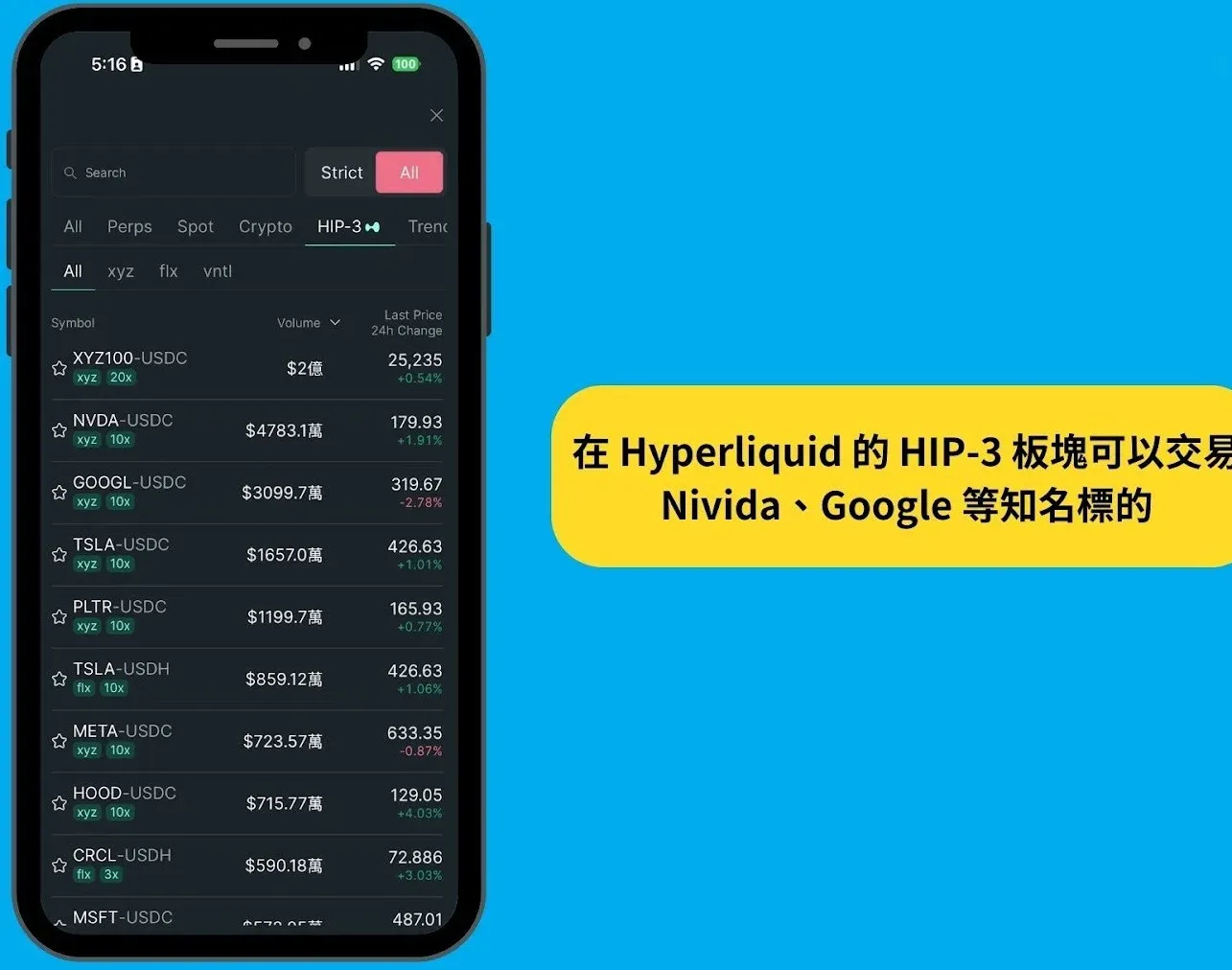
HIP‑3 (Builder‑deployed perpetuals) permits any user to list perpetual contracts on the platform without prior permission; the feature is still in testing. The proposal is seen as a pivotal step toward transforming Hyperliquid from a single‑purpose DEX into an open derivatives‑infrastructure layer, supporting indices, real‑world assets (RWA), and niche products.
- Deployers must stake 1 million HYPE as collateral; if malicious behavior is detected, validators can trigger a slashing within a 7‑day unstake period.
Three teams have confirmed they will adopt HIP‑3:
| Project | Focus | Collateral |
|---|---|---|
| Trade.xyz | US‑stock indices (e.g., Nvidia, Google) | 1 M HYPE |
| Felix | US‑stock indices, using USDH stablecoin | 1 M HYPE |
| Ventuals | Pre‑IPO innovative projects (e.g., OpenAI, SpaceX) | 1 M HYPE |
Summary
This article systematically describes Hyperliquid’s positioning, technical architecture, the functions of the HYPE token, as well as the platform’s strengths, potential risks, and future ecosystem expansion plans. For deeper insight into Hyperliquid, you can search for historical articles from Bitaigen (比特根) or continue browsing the related links below. Thank you for reading, and stay tuned for more updates from Bitaigen (比特根)!
Localization note: When moving fiat into or out of the platform, users in Europe typically use SEPA or SWIFT transfers, while U.S. residents should use Binance.US (not the global Binance) for fiat‑on‑ramp services.
---
*Disclaimer: This translation is for informational purposes only and does not constitute financial or investment advice.*
Related Reading
- Hyperliquid vs dYdX: Speed, DAO Governance & Market Edge
- China's Regulated Crypto Exchanges: Binance, OKX, HTX
- Hyperliquid vs Binance: Contracts, Fees & Security
💡 Register on Binance with referral code B2345 for the maximum trading fee discount. See Binance complete guide.



