
 Bitaigen Research
 Backpack Sudden Outage – Will Users’ Assets Be Affected? Await Official Resolution
*By: 1912212.eth, Foresight News*
---
We have compiled a full picture of the Backpack outage that occurred on July 3, focusing on the root cause of the technical mistake, the platform’s recovery progress, and the potential impact on users’ assets. The article also evaluates the reasonableness of the official compensation plan, offers risk‑mitigation suggestions for holders, and helps readers quickly capture the key information.
Incident Overview and Technical Mistake
At 5:35 PM on July 3, Backpack’s official channels posted a maintenance notice stating that a routine system upgrade would begin at 6:00 PM that evening and was expected to last a few hours. What was meant to be a brief maintenance window turned into a serious technical disaster after the scheduled end time: the platform failed to restart as expected, orders became mismatched, position records vanished, and some users were forcibly opened with long‑ and short‑position orders, resulting in losses of tens of thousands of USD.
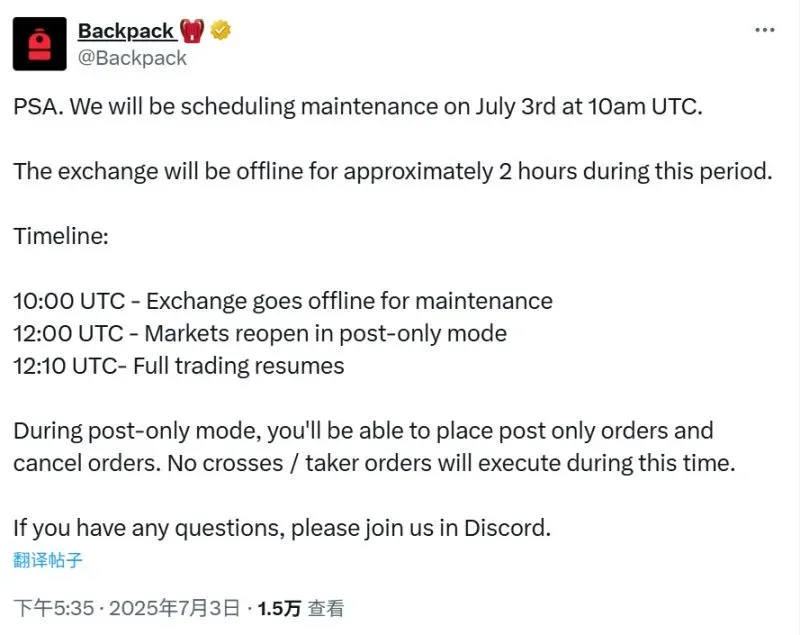
Immediately afterward, Backpack issued an emergency statement promising that “all users with open positions will receive double‑point rewards” and invited anyone who suffered unexpected losses during the maintenance to submit compensation requests via the official email address. Although the team has not disclosed specific technical details, industry insiders widely suspect that the outage stemmed from a database rollback error or missing backup data, exposing shortcomings in the platform’s technical management amid rapid expansion.
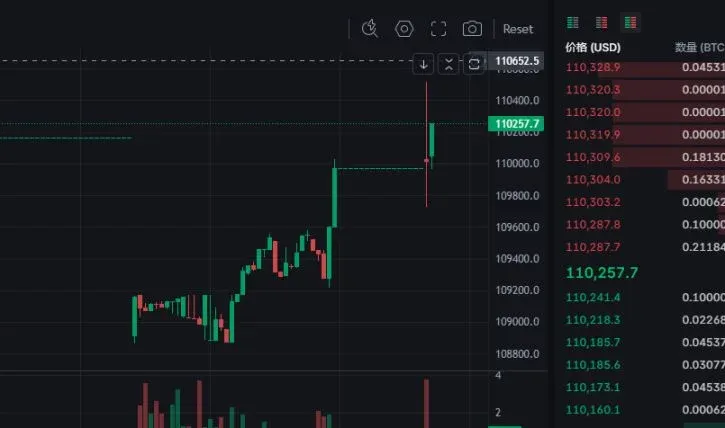
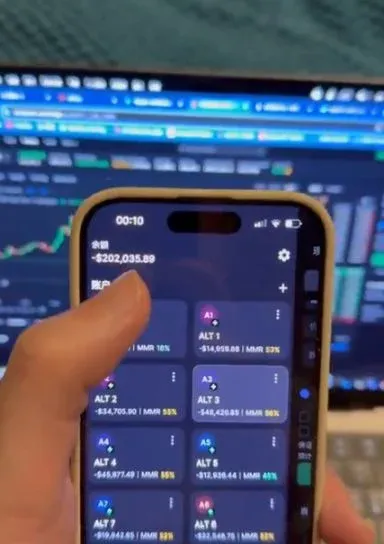
On social media, users posted screenshots and videos illustrating massive liabilities and losses caused by the system error.
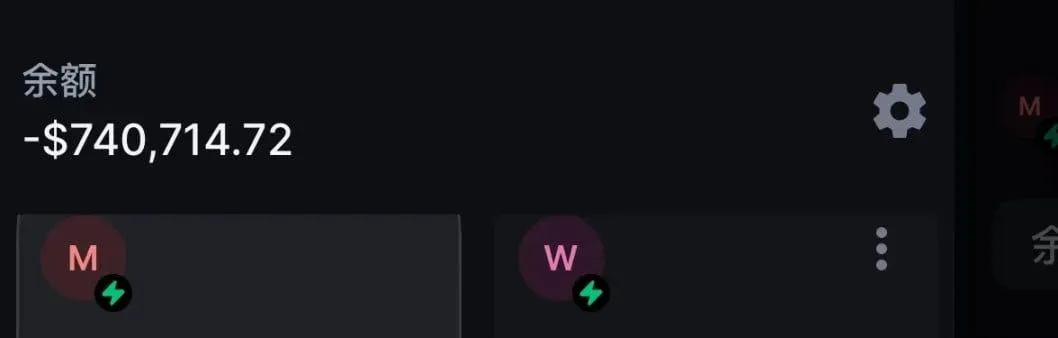
“Owed Backpack roughly $740,000,”
“Losses of more than $200,000.”
Some users reported that after inflating their trading volume they should have been upgraded to VIP 2, but the system rolled them back to VIP 1, doubled their short‑position exposure, and caused losses of several thousand dollars that could not be closed, leaving them to “just wait.”
Background: Backpack’s Positioning and Development
Backpack was founded in 2022 by former FTX executive Armani Ferrante. The service combines a wallet, exchange, and NFT ecosystem, leveraging Solana’s low fees and high throughput to quickly attract attention. The exchange is known for low transaction fees and deep liquidity; official data shows that assets under custody surpassed $200 million in May 2023.
The project enjoys strong capital backing: a $20 million seed round was closed in September 2022, led by FTX Ventures and Jump Crypto; a $17 million Series A round was secured in February 2024, raising the valuation to several hundred million dollars, with investors such as Placeholder VC and Delphi Digital. Founder Armani Ferrante holds a degree from the University of California, Berkeley and previously worked as a software engineer at Oasis Labs and Apple.
In terms of product matrix, Backpack not only offers a wallet and exchange but also launched the Mad Lads NFT series—one of the top‑ranked collections on Solana, which at its peak reached a floor price of 200 SOL—as well as executable NFTs (xNFT) and the Solana smart‑contract framework Anchor, further cementing its technical influence.
Airdrop Incentives and the “Yield‑Chaser” Phenomenon
Since February 2024, Backpack has operated a volume‑based points system that feeds directly into its airdrop expectations. The official announcement stated that trading volume counted from 07:00 UTC on February 14 would determine points rankings, which in turn would serve as a reference for future large‑scale marketing activities (e.g., airdrop eligibility, Launch Pool listings, etc.). The market widely read this as a pre‑announcement of a token airdrop, attracting a wave of users eager for high‑reward opportunities.
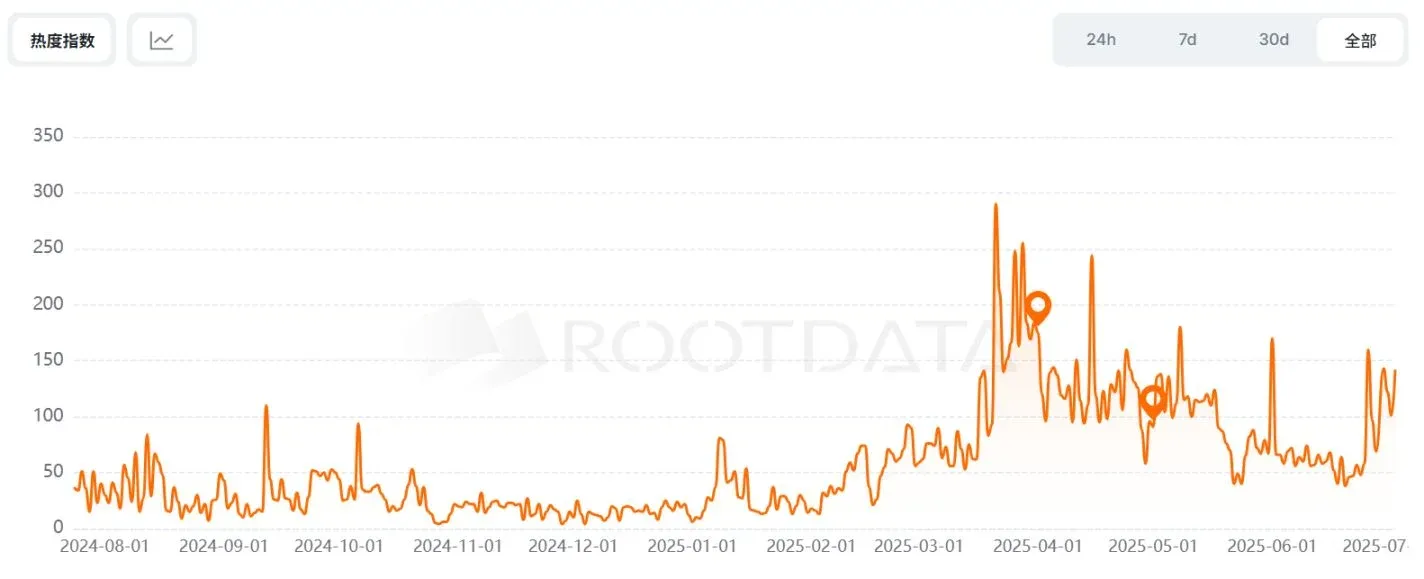
According to data from CoinGecko, cumulative trading volume exceeding $5,000 USD qualifies a user for airdrop eligibility; the higher the volume, the richer the potential rewards. Community chatter even suggested that the airdrop could be worth “several thousand dollars.” Consequently, many participants treated the platform as a “yield‑chaser” venue, engaging in high‑frequency trades to rapidly accumulate points and increase their prospective airdrop slice.
However, the outage occurred precisely when the second‑season points competition was launching, and within a few hours the platform descended into chaos. Users who had already committed substantial trading volume found themselves in a dilemma: on one hand, they faced real losses caused by system instability; on the other hand, the lure of the airdrop remained, making an immediate exit psychologically difficult.
User @YourAirdropETH wrote on a social channel: “Just recommended a friend to try Backpack and the whole thing crashed. It’s been down for ages, and the second quarter starts with this mess—no matter how good the airdrop looks, the system has to be stable first!”
Economic Losses Colliding with User Experience
During the outage, some users were unable to transfer assets to other wallets (e.g., Phantom, Solflare), effectively locking their funds and amplifying panic.
- One user complained: “My open positions vanished completely; I can’t see any trade history, and I missed a 1,300 % price surge on a certain token!”
- Another reported that because they could not close positions in time, market volatility cost them several thousand dollars.
These tangible economic damages prompted the “yield‑chaser” crowd—who initially joined for the airdrop promise—to reassess the risk profile of the platform.
Potential Risks of Airdrop‑Driven Strategies
While airdrops can temporarily boost activity, they also carry side effects. Historical analysis shows that the majority of airdropped tokens experience a sharp price decline within the first 15 days after listing. Over‑reliance on point‑chasing can encourage users to “sell as soon as they earn,” exerting downward pressure on the token’s market price.
In parallel, Backpack’s points system has attracted a large number of speculative traders, posing a challenge to the long‑term health of the ecosystem. If the eventual airdrop falls short of community expectations, the platform could face a reputational crisis.
It is worth noting that Backpack is not experiencing its first technical hiccup. In April 2024, members of the r/solana subreddit reported wallet‑transaction errors that required re‑importing a different wallet to continue operations, planting early seeds of doubt among users.
Competitive Landscape and Future Outlook
Within the Solana ecosystem, Backpack competes with wallets such as Phantom and Solflare, as well as decentralized exchanges like Raydium and Orca. Some users have bluntly described Backpack’s offering as having “lower depth and poorer UX,” a shortcoming that cannot be ignored in a fiercely competitive market.
In the short term, if the platform can swiftly process compensation claims and roll out a robust system upgrade, it may regain a portion of user trust.
In the long term, the success of Backpack’s airdrop roadmap hinges on the design of its token‑economic model and the continuous investment in technical reliability.
Conclusion
The recent Backpack outage serves as both a technical crisis and a stern test of a Web3 project’s operational capabilities. For users chasing airdrops, the incident rings a warning bell: high‑reward schemes are often accompanied by system‑risk exposure. Whether you are a “yield‑chaser” or a long‑term holder, it is essential to pursue potential gains rationally, evaluate the platform’s technical robustness, and align the risk with your personal tolerance.
Note: Cryptocurrency gains may be taxable in many jurisdictions. Users should consult local tax regulations and consider filing any applicable capital‑gain reports through appropriate channels (e.g., SEPA/SWIFT transfers for fiat conversions).
---
*Translation completed.*
💡 Register on Binance with referral code B2345 for the maximum trading fee discount. See Binance complete guide.
⚠️ Risk Disclaimer: Crypto prices are highly volatile. This is not investment advice.



