
 Bitaigen Research
 In 2025, Binance Copy Trading has become the mainstream choice for investors looking to learn from top signal providers and reduce the time spent monitoring the market, thanks to transparent performance data, flexible parameter settings, and a comprehensive platform feature set.
In this article we systematically outline the core advantages of Binance copy trading in 2025, its potential risks, and the key criteria for selecting outstanding signal providers, complemented by practical tips. This guide aims to help investors lower monitoring costs while improving the success rate of copy trades. Continue reading for the details.
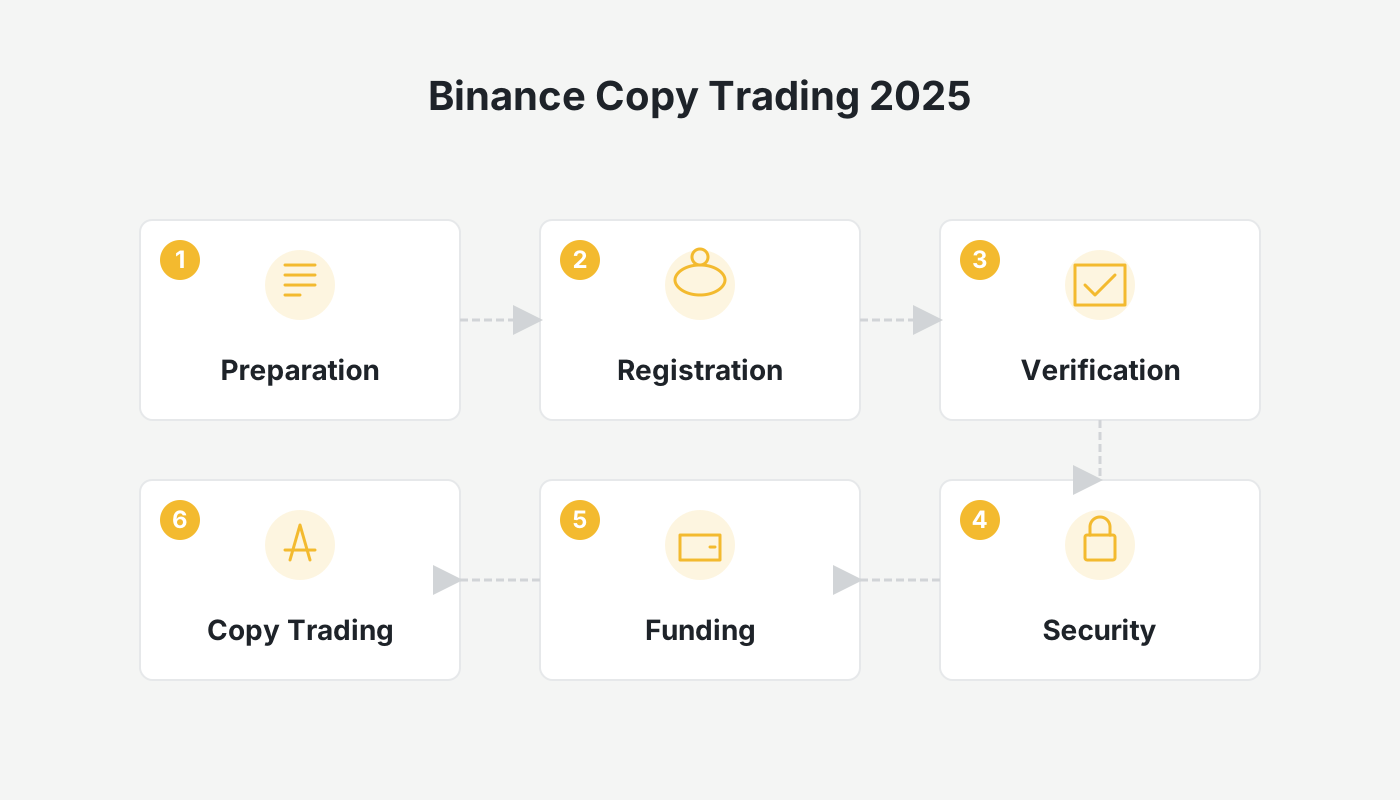
What Is Binance Copy Trading?
Binance Copy Trading (also known as Copy Trading) allows investors on the Binance platform to automatically replicate the buy‑sell actions of professional signal providers. By selecting a high‑performing trader and configuring copy‑trading parameters, the system will execute identical orders on the investor’s account.
For example, when a signal provider buys Bitcoin on Binance, your account will automatically purchase the same amount (or a proportional amount) based on the settings you chose, enabling newcomers who are not familiar with technical analysis to participate in market movements with ease.
Through Binance copy trading, investors can:
- Follow experienced trading strategies
- Save time that would otherwise be spent on research and constant market watching
- Learn decision‑making and thought processes in real‑world trading
Binance Copy‑Trading Fees
When you engage in copy trading on Binance, three main fee categories are involved:
| Fee Type | Billing Method | Rate |
|---|---|---|
| **Trading Fee** | Varies by instrument (futures/spot) and order type (limit/market) | Futures copy 0.02% ~ 0.05%<br>Spot copy 0.1% |
| **Profit Share** | Portion of the copied profit taken by the signal provider | Typically around 10%; no fee is charged if the provider posts a loss |
| **Funding Rate** | Funding fee that arises from futures positions (paid or received) | Charged based on the actual cost of the open position |
Binance Copy‑Trading Risk Analysis
Advantages
- Automatic Replication: Reduces the pressure of manual monitoring and decision‑making
- Learning Opportunity: Allows you to observe the logic behind professional traders’ actions
- Transparency & Security: All trade records are publicly visible on the platform, making performance traceable and lowering the risk of fund misappropriation
Note: Copy trading is not a “guaranteed profit” scheme. You should still conduct your own research (DYOR – Do Your Own Research) and make independent judgments.
Risks & Drawbacks
- Performance Fabrication: Some signal providers may create false results by using a large number of accounts
- Conflict of Interest: Providers might take opposite positions on other platforms, potentially causing losses for copiers
- Past ≠ Future: Historical performance does not guarantee future returns, and parameter settings can significantly affect outcomes
3 Tips to Improve Your Copy‑Trading Success Rate
| Tip | Explanation |
|---|---|
| Assess Risk‑Management Skills | Prioritize providers who consistently apply stop‑loss orders and sound capital‑management practices |
| Align with Market Trends | Consider pausing copy trading during bearish or highly volatile periods to limit potential losses |
| Manage Allocation Ratio | Do not allocate all of your capital to copy trading; diversify to protect your assets |
How to Select High‑Quality Signal Providers
Binance offers fairly complete performance and risk metrics. The following points can help you decide whether a provider is worth following:
- Long‑Term Performance: 90‑day performance and the total number of days the provider has been copied give a clearer picture of genuine skill.
- Avoid “Negative Equity”: If a provider holds large unrealized losses without applying stop‑losses, the risk level is higher.
- Risk‑Control Indicators
- Maximum Drawdown (MDD): A lower figure indicates smaller loss magnitude.
- Sharpe Ratio: Measures risk‑adjusted return; for spot trading a ratio ≥ 3 is recommended, while futures traders should aim for ≥ 8.
- Copier Profit‑to‑Asset Ratio: Compare Copier Profit ÷ Assets Under Management to gauge the average actual return per follower.
Example Analysis
| Metric | Data | Interpretation |
|---|---|---|
| Copy Days | 61 days | Relatively short; continue monitoring |
| Return on Investment | 7,491% | Extremely high short‑term gain; may be driven by luck |
| Maximum Drawdown | 34% | Represents a moderate risk level |
| Sharpe Ratio | 7.43 | Strong performance relative to the observed risk |
| Copier Profit | ~51% (non‑annualized) | On average, each copier has achieved a notable profit |
Binance Spot Copy‑Trading Tutorial
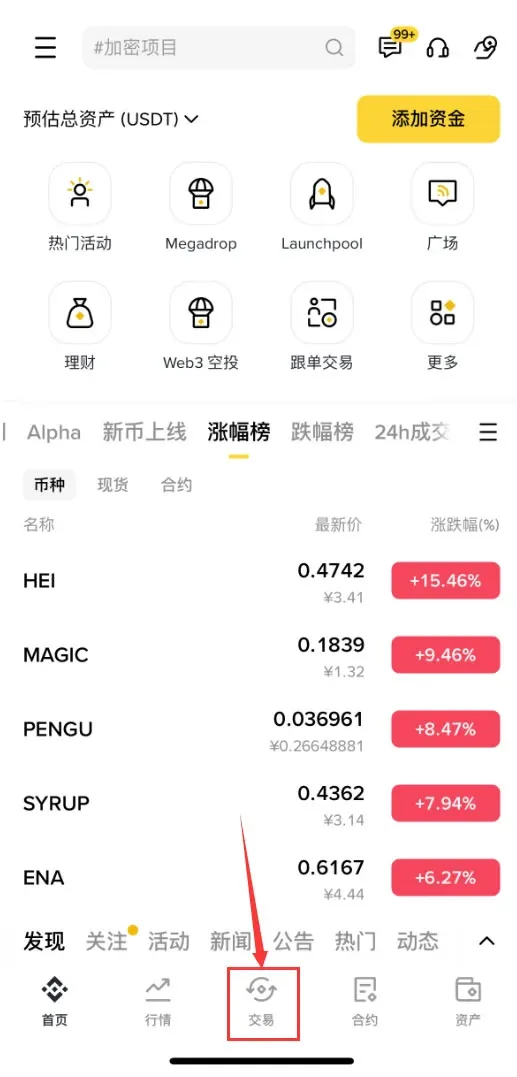
- Open the Binance APP (official registration: https://accounts.binance.com/register?ref=B2345 – U.S. users should use Binance.US; for fiat deposits you can use USD via SEPA/SWIFT) or download the client from the official site: https://www.bitaigen.com/binance/download. Tap the 【Trade】 tab at the bottom.
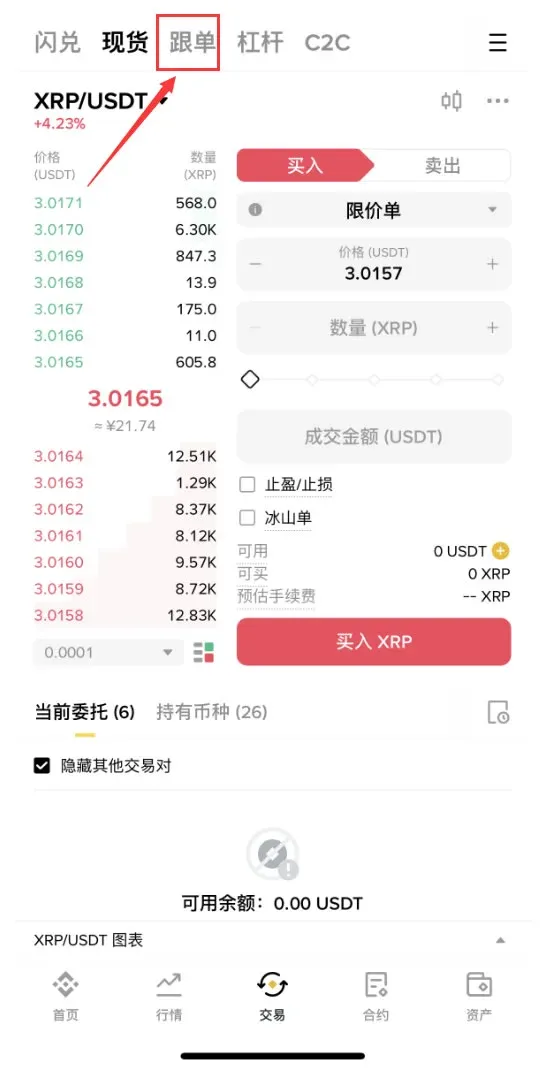
- Select 【Copy】.
- Adjust the time window to 90 days to observe the provider’s long‑term performance.
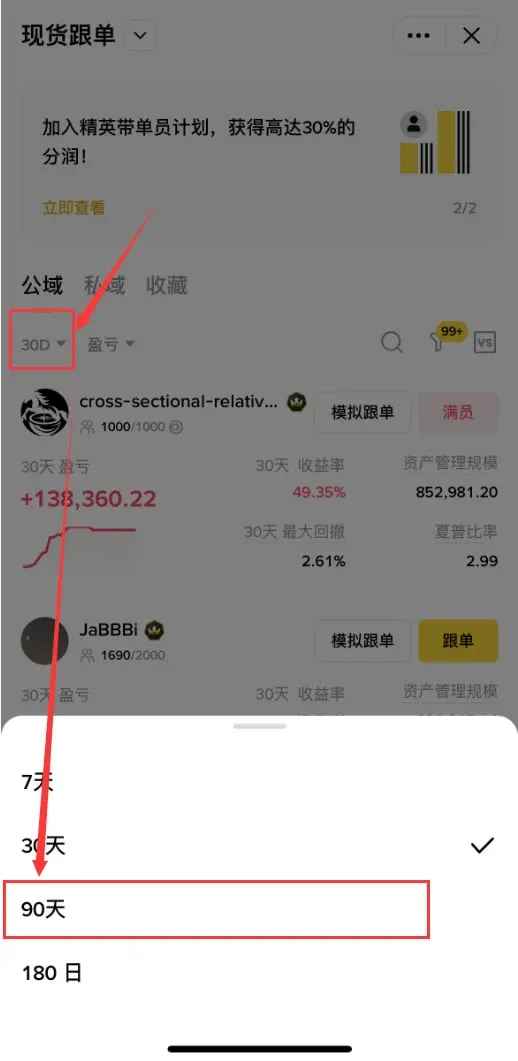
- By default the list is filtered by Sharpe Ratio; a higher ratio indicates a better balance between profit and risk.
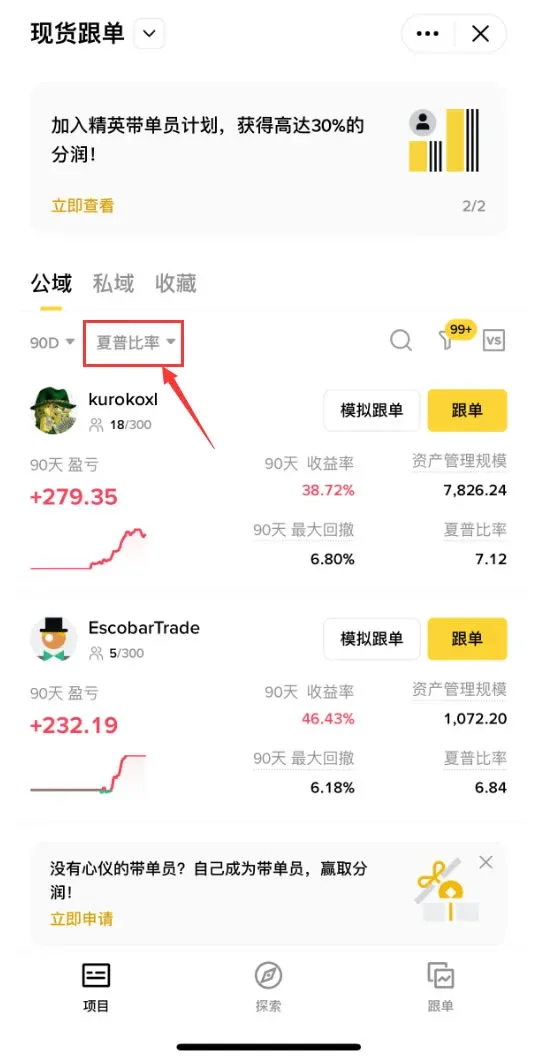
- Compare…
*Please note that cryptocurrency gains may be taxable in your jurisdiction; consult a tax professional for guidance.*
Related Reading
- Binance Copy‑Trading Guide: Mirror Top Traders & Cut Fees
- Binance Copy‑Trading Test: Find Trustworthy Signal Providers
- Binance Copy Trading Guide: How to Replicate Top Traders
💡 Register on Binance with referral code B2345 for the maximum trading fee discount. See Binance complete guide.



