
 Bitaigen Research
 In this article we conduct an in‑depth analysis of a rare Bitcoin custodial vulnerability that led to a theft, trace how law‑enforcement agencies quickly identified the culprit and successfully recovered the stolen assets, and examine the staged liquidation strategy that avoided market turbulence. The details and takeaways are worth close attention, so please read on.

Case Overview
In August 2025, a phishing attack during a custodial rights transfer resulted in the theft of approximately 320.88 BTC. Prosecutors then employed technical forensics to trace the stolen coins to a hacker’s wallet and, on February 17, coordinated with domestic and foreign exchanges (US users should use Binance.US rather than the global Binance platform) to freeze the relevant addresses, returning the funds to a government‑controlled cold wallet.
Recovery Process
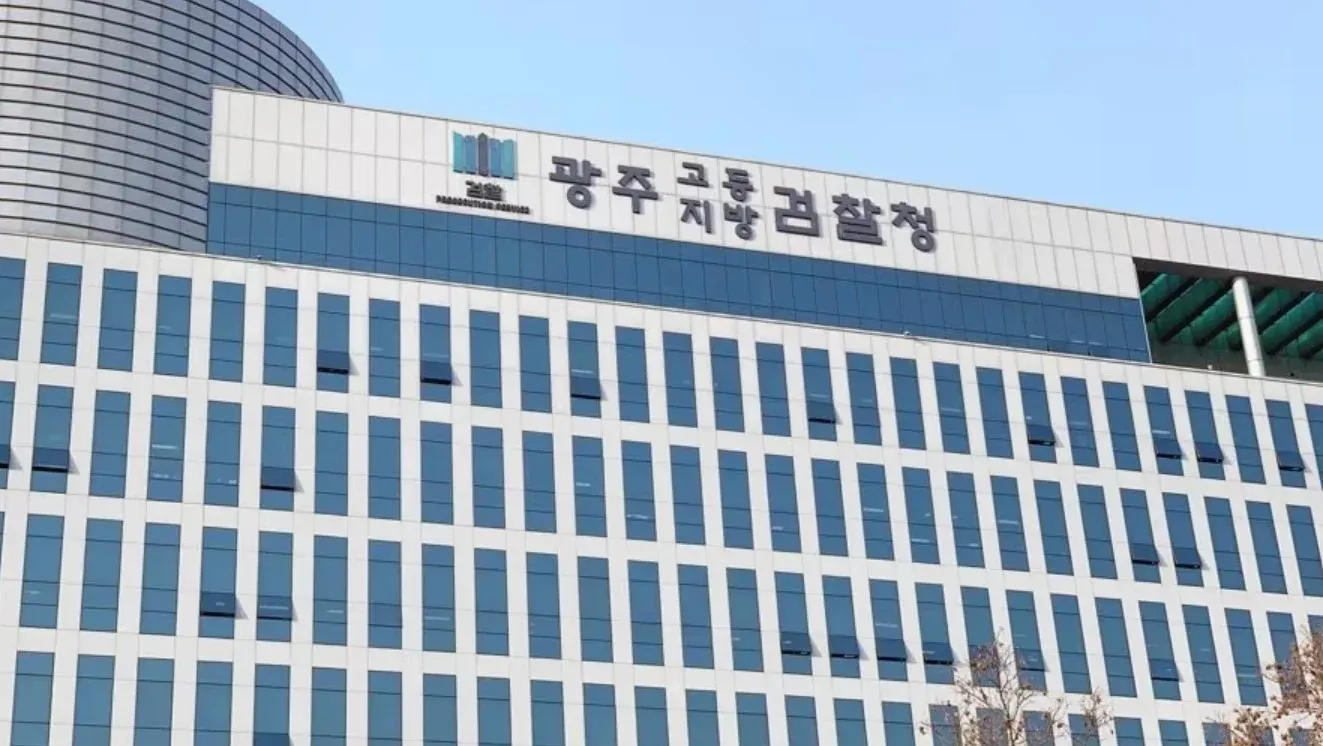
On February 19, the Gwangju District Prosecutor’s Office announced that, after the hacker was forced to return the assets, the 320.88 BTC had been safely moved into an official, supervised wallet. This step laid the groundwork for subsequent liquidation and prevented abnormal price swings in the broader market.
Staggered Sale
To avoid a large‑scale dump that could shock the market, prosecutors decided to disperse the sale of the recovered Bitcoin over eleven days, from February 24 to March 6. The Gwangju office disclosed that, at the prevailing market price of roughly $70,559 per BTC, the entire 320.8 BTC were sold, generating approximately 3.159 billion KRW (about $21.5 million USD), which was transferred to the national treasury via SEPA/SWIFT channels.
Origin of the Coins
The Bitcoin in question was originally seized from a suspect accused of operating an illegal gambling website. Between 2018 and 2021, that site allegedly handled betting volumes of around 3.9 billion KRW (approximately $285 million USD), making it a primary target of the prosecution’s anti‑illegal‑gaming campaign.
Legal Developments
At the same time, South Korean courts are re‑examining debt‑restructuring cases involving crypto assets. According to EToday, newly established recovery courts in Daejeon, Daegu and Gwangju are drafting guidelines that treat losses from stock and cryptocurrency investments as ordinary asset losses rather than purely speculative debt. This policy shift could ease repayment pressures for individuals undergoing restructuring.
Conclusion
The successful technical tracing, inter‑agency cooperation, and orderly liquidation of nearly 320 BTC demonstrate the growing capability of regulators to safeguard digital assets. For further details on South Korea’s Bitcoin liquidation, stay tuned to Bitaigen (比特根) for upcoming coverage.
💡 Register on Binance with referral code B2345 for the maximum trading fee discount. See Binance complete guide.



