
 Bitaigen Research
 Can Bitcoin Be Staked? Four Ways to Earn on Bitcoin Without Selling
Bitcoin itself does not have a built‑in staking mechanism like proof‑of‑stake (PoS) tokens, but because of its central role in the crypto ecosystem there are several ways for holders to generate extra income without having to sell. This article first examines the risks, then walks through the most common “staking‑like” solutions, and finally provides a step‑by‑step guide for executing them on the Binance platform (U.S. residents should use Binance.US instead of the global Binance site). The goal is to give a complete picture of Bitcoin’s earning potential while keeping an eye on safety.
In this article we approach the topic from a risk perspective, systematically outline the four mainstream ways to earn on Bitcoin without selling, and provide a full‑screen Binance (or Binance.US) operation guide. This helps readers clarify revenue sources, understand potential hazards, and make an all‑in‑one assessment of asset preservation, allowing you to seize opportunities while staying prudent.
1. Risk Overview: What to Watch Out for in Bitcoin‑Related Yield Products
- Platform security – Some projects require you to transfer Bitcoin to a custodial platform first. If the platform’s security measures are insufficient, your funds could be frozen or stolen.
- On‑chain security – Certain schemes lock Bitcoin on a specific blockchain as collateral. An attack on that chain can also affect your assets.
- Price volatility – During periods of sharp Bitcoin price swings, some yield models demand frequent rebalancing or additional margin. Improper handling may lead to principal loss.
- Return‑to‑risk mismatch – Most Bitcoin‑related annualized yields are presently below 2 %. Considering the risks listed above, the reward is modest.
If you encounter a “Bitcoin staking” product advertising an annualized return above 10 %, treat it with extreme caution – high yields in this space are frequently linked to scams.
2. What Is “Bitcoin Staking” (or Staking‑Like Activity)?
In the narrow sense, staking means locking a certain amount of crypto on‑chain to help a network select validators and earn the associated rewards. Bitcoin uses proof‑of‑work (PoW); validator rights depend on hash power, not on the amount of Bitcoin held, so Bitcoin has no native staking function.
In the broader sense, any activity that deposits Bitcoin into a system and generates a return is colloquially called “staking” by the industry. The income may stem from marketing subsidies, lending interest, arbitrage profits, etc., and does not have to be tied to Bitcoin’s consensus mechanism.
3. Four Ways to Achieve “Bitcoin Staking” Returns
3.1 Exchange “Mining” Campaigns
Many exchanges run short‑term “mining” promotions. Users simply deposit Bitcoin (or USDT) into a dedicated page and receive extra tokens every day.
- Ease of use – No mining hardware or hash‑rate investment is required; a one‑time deposit starts the reward accrual.
- Source of returns – The exchange allocates part of its marketing budget to participants, i.e., a platform subsidy.
- Time‑sensitivity – Most campaigns last only a few weeks, so you need to keep an eye on new offers and claim rewards before the deadline.
3.2 On‑Chain Projects Accepting Bitcoin as Collateral
Some emerging blockchain projects allow Bitcoin to be used as a security deposit; in exchange, participants receive the project’s native token.
- Example – In the Babylon project, staking Bitcoin yields BABY tokens.
- Yield level – Because the market price of Bitcoin is typically far higher than the project token, the annualized return is usually under 1 %.
- Key risks – The long‑term viability of the project and the liquidity of its token are the main concerns.
3.3 Bitcoin Lending for Interest
Lend your Bitcoin to institutions or individuals that need liquidity and earn interest paid in Bitcoin.
- Smart‑contract protection – Most platforms automatically trigger a forced liquidation if the borrower defaults, helping to safeguard the lender’s assets.
- Return profile – With a large pool of lenders and relatively dispersed demand, the overall interest rates are modest.
- Ideal audience – Suitable for holders who do not require high yields but want to keep their assets liquid.
3.4 Cash‑and‑Carry Arbitrage (Using Bitcoin Short Futures)
This method does not lock Bitcoin; instead it exploits a Bitcoin position to run an arbitrage trade. The basic idea is:
- Hold Bitcoin in the spot wallet while simultaneously opening a short futures contract for an equal amount.
- In a bullish market, the short contract pays a funding fee every 8 hours, creating a passive income stream.
- Because the profit and loss of the long and short positions offset each other, the overall portfolio’s sensitivity to Bitcoin price movements is reduced.
The profitability depends on market sentiment and the funding rate of the short contract. Sudden market shifts can cause a reverse payment, so timing and risk management are essential.
4. Practical Guide: “Staking” Bitcoin on Binance (or Binance.US)
Note – Crypto gains may be subject to taxes in your jurisdiction. Consult a tax professional to understand reporting obligations, especially if you are a U.S. taxpayer.
Step 1: Set Up a Binance Account and Acquire Bitcoin
- If you do not have an account, register through the links below and download the official app:
- Binance (global) registration: <https://www.bitaigen.com/binance>
- Android app download: <https://www.bitaigen.com/binance/download>
- Referral code: `B2345`
*U.S. residents should use Binance.US (https://www.binance.us) and follow the same referral process.*
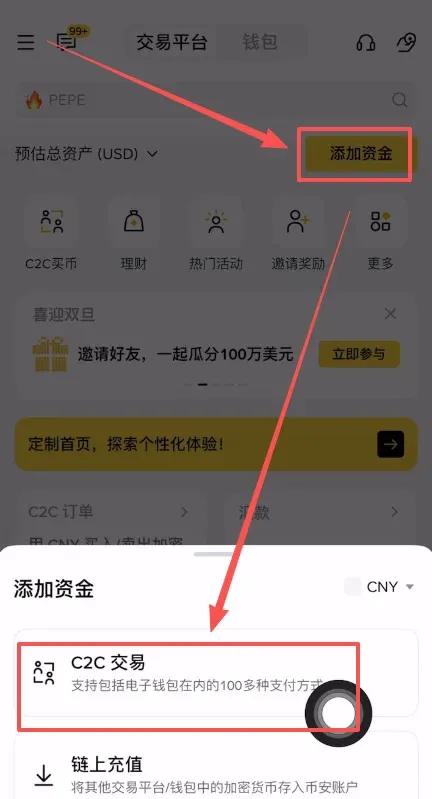
- On the Binance app homepage tap Add Funds, select C2C Trading, purchase USDT, and then convert it to Bitcoin.
- Set the trading parameters: choose USDT, then enter the amount you wish to spend in your local fiat (e.g., USD, EUR via SEPA/SWIFT).
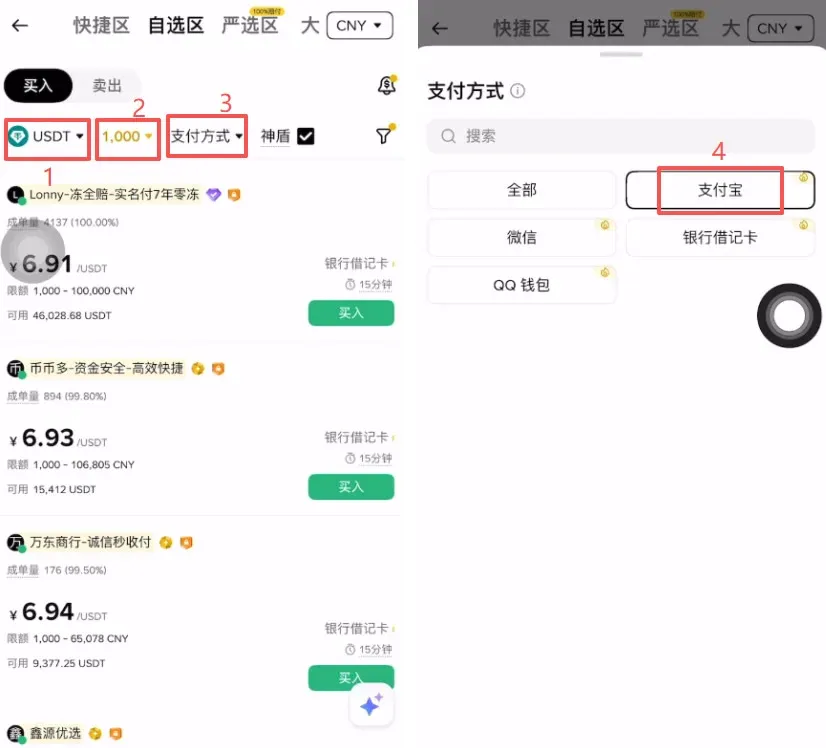
- Choose a payment method (WeChat, Alipay, bank card, or SEPA/SWIFT transfer) and tick “Shielded Merchant” and “No‑Verification Ads” if available.
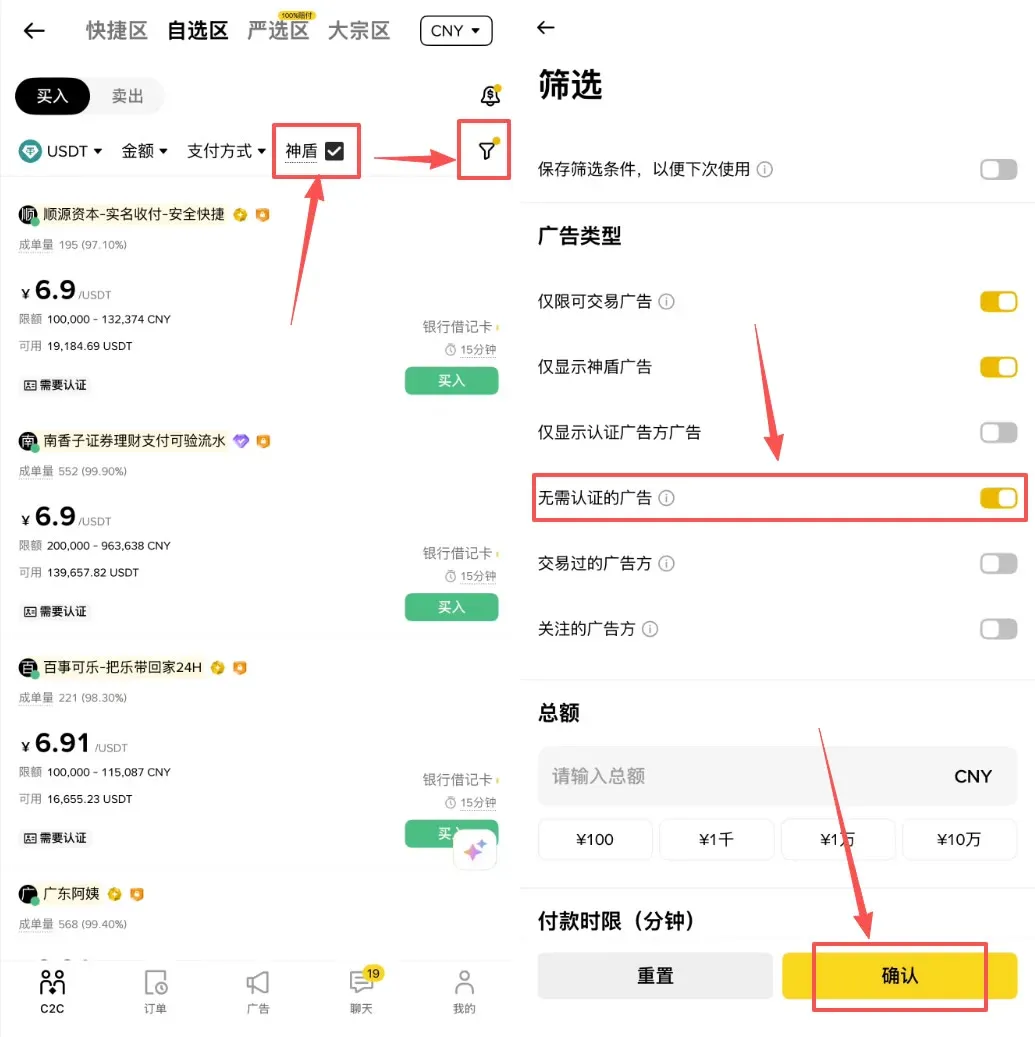
- Pick a seller with high trading volume, a good fill rate, and a reasonable price. Verify the seller’s account creation date and first‑trade timestamp to increase trustworthiness.
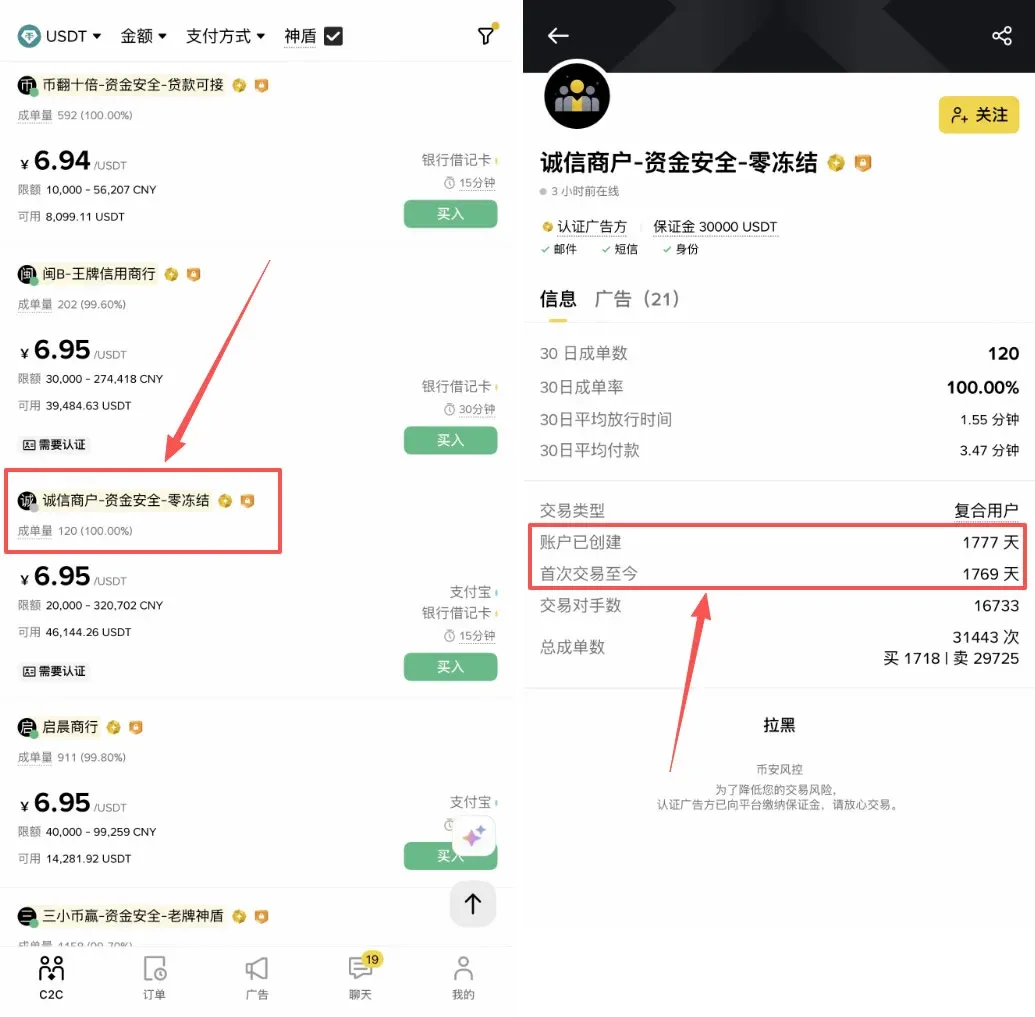
- After confirming, click Buy, complete the payment, and upload the receipt. The seller will release the Bitcoin to your spot wallet.
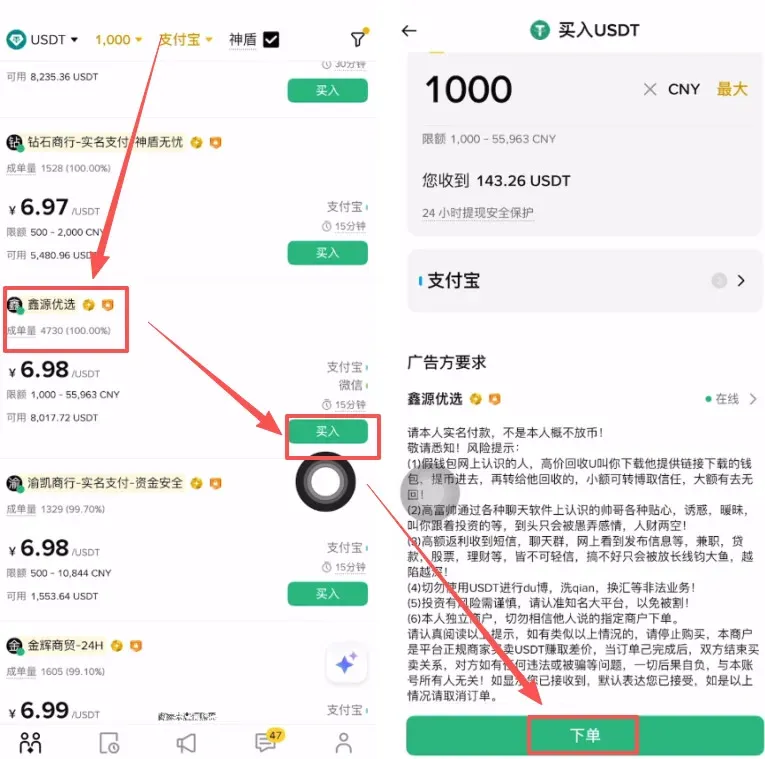
- The whole process usually finishes within 10‑30 minutes, depending on bank transfer speed.
Step 2: Navigate to the “Earn” Page and Subscribe
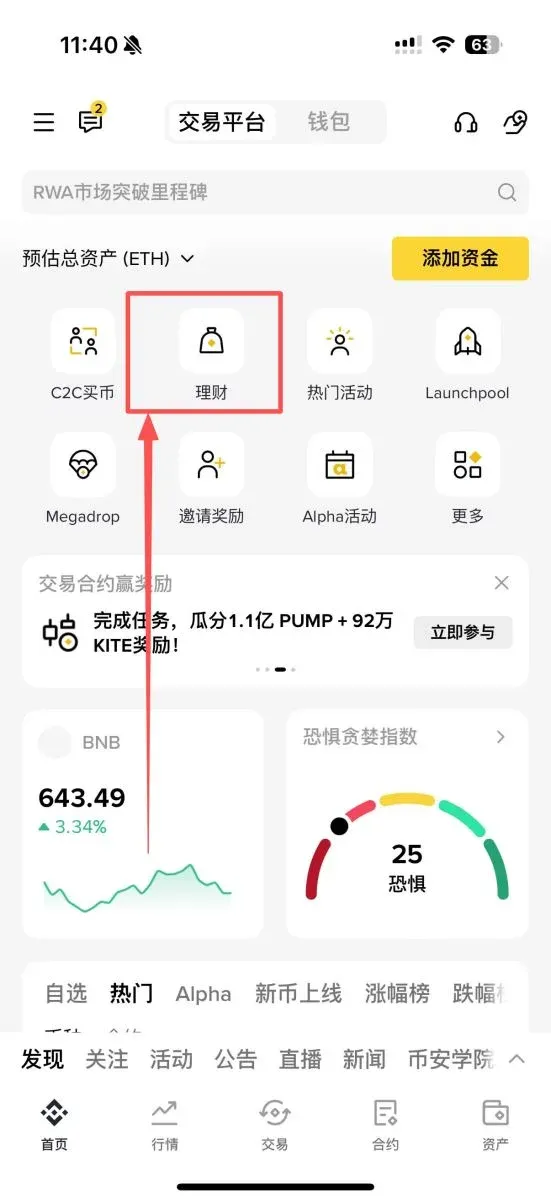
- Open the Earn (formerly “Savings”) section, locate BTC, and click the yellow Subscribe button on the right.
- Enter the amount of Bitcoin you wish to allocate.
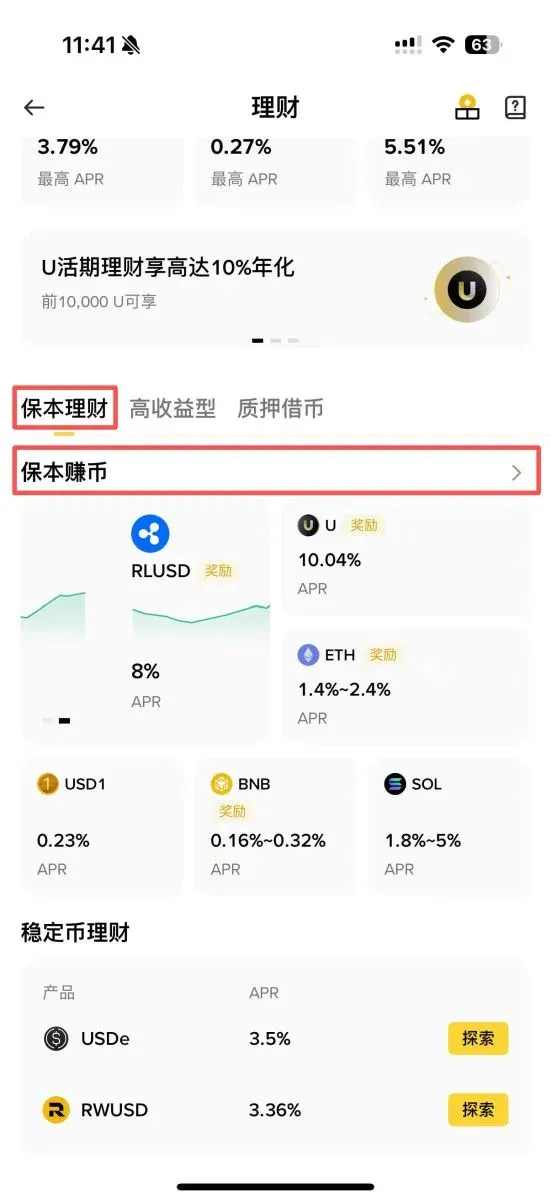
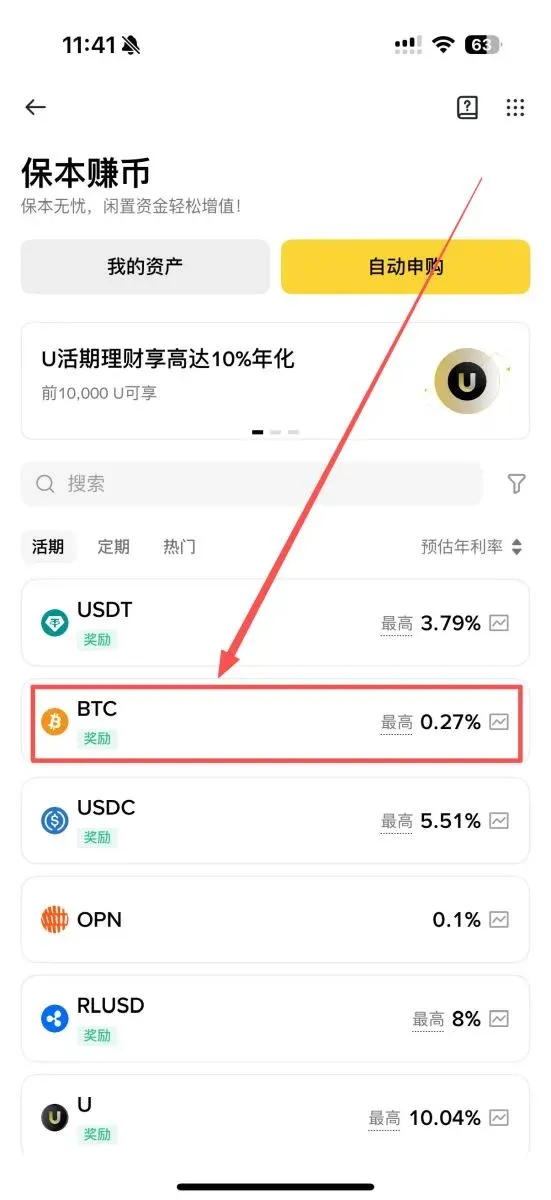
Binance’s product is flexible, meaning you can redeem at any time without a lock‑up period.
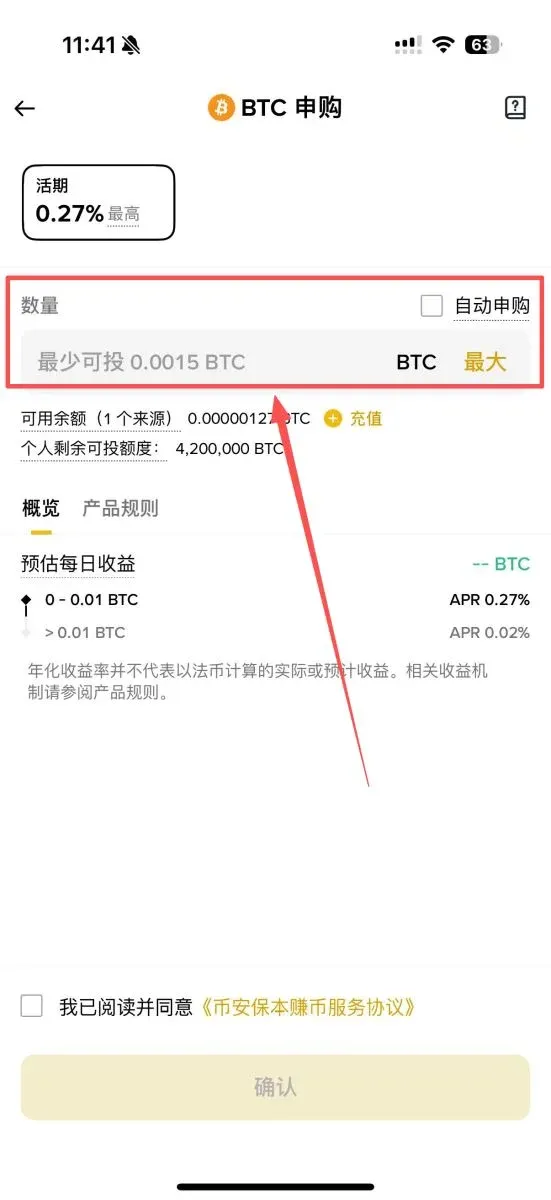
Step 3: Manage Earnings and Redeem
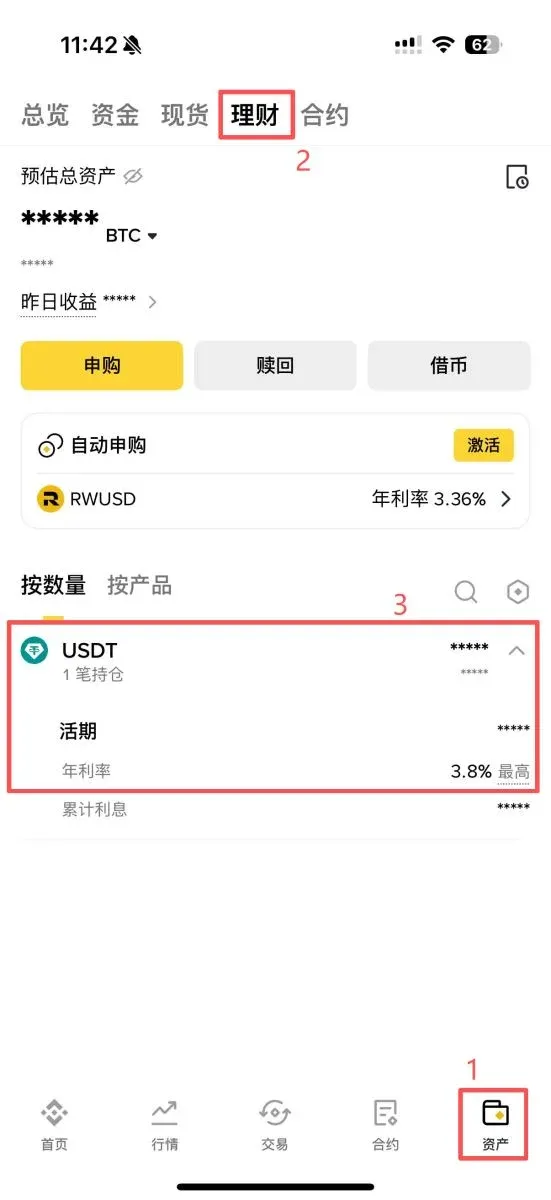
- After subscription, go to Wallet → Earn, expand the BTC details, and tap Flexible (or “Current”).
- The page displays the cumulative annualized yield for the year, yesterday’s reward, and total rewards earned.
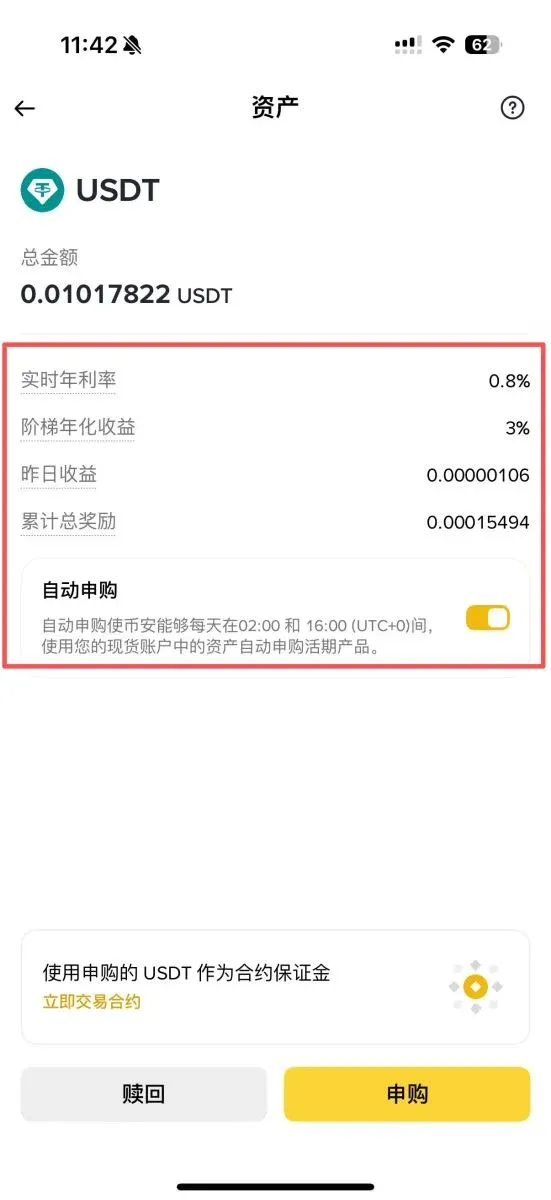
- To withdraw, click the Redeem button at the bottom left. The Bitcoin usually reappears in your spot wallet the next day or within two days, depending on network congestion.
5. Frequently Asked Questions (FAQ)
Q1: Can idle Bitcoin generate any income?
A: Yes. Some platforms run short‑term campaigns or on‑chain projects that let you lock Bitcoin and receive extra tokens or rewards. Remember that Bitcoin itself has no native staking function, so always assess the security of the platform and the underlying project before committing funds.
Q2: How soon will I see earnings after staking?
A: Settlement periods differ across platforms. On Binance’s Earn product, interest is typically calculated daily, with the first reward appearing the next day or the day after.
---
*This concludes the full analysis of “Can Bitcoin be staked?” and the four ways to achieve staking‑like returns. For deeper insights and updates, continue following Bitaigen’s future articles.*
💡 Register on Binance with referral code B2345 for the maximum trading fee discount. See Binance complete guide.



