
 Bitaigen Research
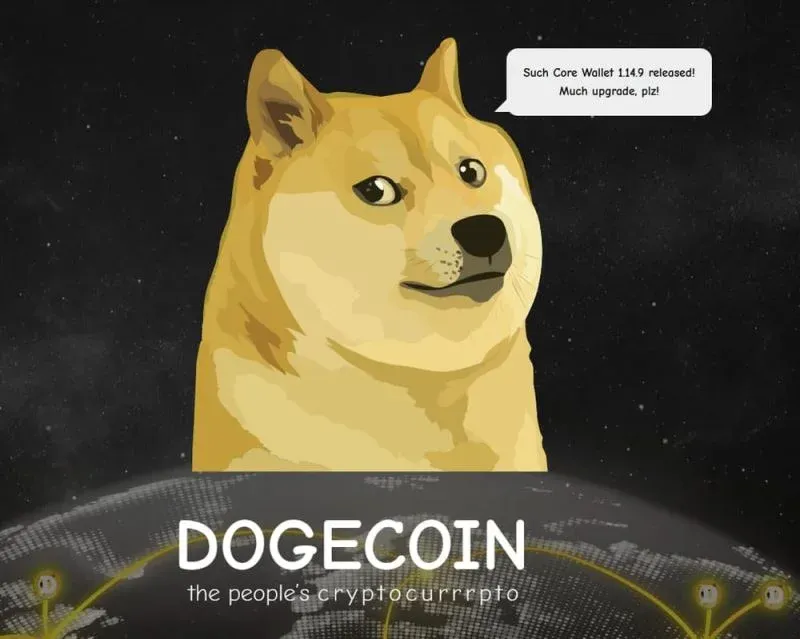
 Dogecoin is a decentralized cryptocurrency built on the Litecoin codebase. It originated from an internet meme featuring a Shiba Inu, and users can engage in merged mining using ASIC miners that support the Scrypt algorithm.
Dogecoin has evolved from an online joke into one of the most distinctive phenomena in the cryptocurrency market. In an era where tens of thousands of blockchain projects rise and fall, Dogecoin not only survived but also gave birth to an entirely new category—meme coins.
This article analyses Dogecoin’s origin, technical architecture, community development, and its impact on the broader meme‑coin sector, explaining how a project with almost no intrinsic utility can generate lasting and far‑reaching influence within the crypto ecosystem.
In this piece we will outline the background of Dogecoin’s creation, its technical implementation and community ecosystem, dissect why it leapt from an internet gag to a significant historical phenomenon on the blockchain, and discuss its token economics and future outlook. Read on to gain a comprehensive understanding of the deeper logic behind this “meme coin”.
What Is Dogecoin (DOGE)?
Dogecoin is a decentralized cryptocurrency that officially launched in December 2013. It traces its roots to the popular Shiba Inu meme and is widely regarded as the first meme coin. Thanks to a massive community and a handful of real‑world use cases, Dogecoin has transformed over more than a decade from a light‑hearted concept into a digital asset with a substantial market cap that trades actively worldwide, serving as a classic case study of how internet culture and collective psychology can drive financial value.
Dogecoin’s Origin and Development Philosophy
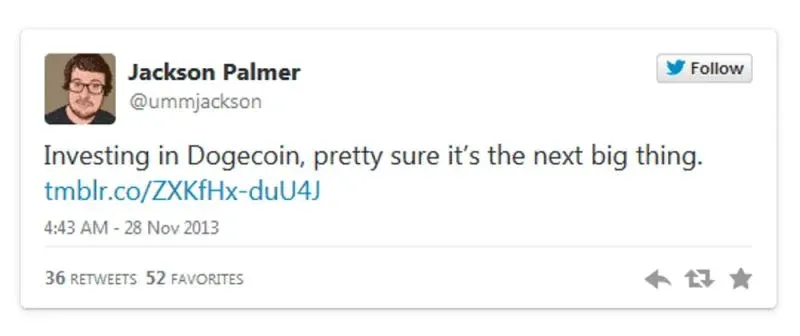
At the end of 2013, while Bitcoin and early altcoins were enjoying a wave of hype, they also exposed problems such as technical complexity, excessive speculation, and overblown promises about blockchain potential. Against this backdrop, Billy Markus and Jackson Palmer launched Dogecoin in December 2013, intending to mock the market’s irrational valuations with a Shiba Inu meme.
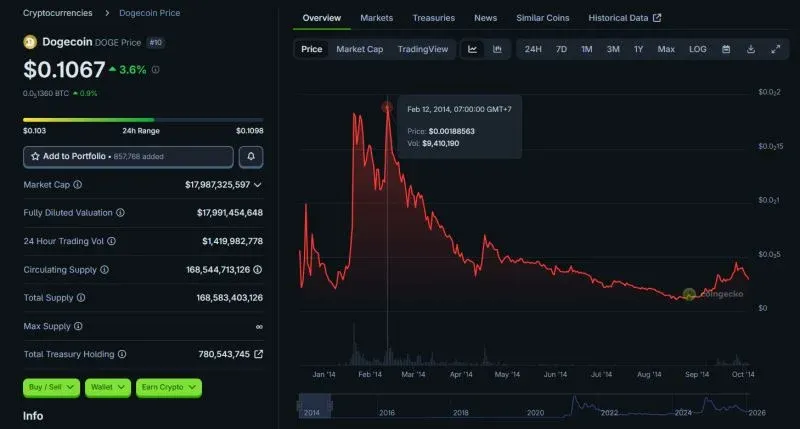
At the time, Dogecoin’s trading price hovered between $0.0002–$0.0005, clearly reflecting its joke‑like nature.
Nevertheless, the meme’s viral spread quickly coalesced a tightly‑knit community bound by culture and entertainment. Although the project offered virtually no practical utility, the community’s enthusiasm and activity levels were extraordinary.
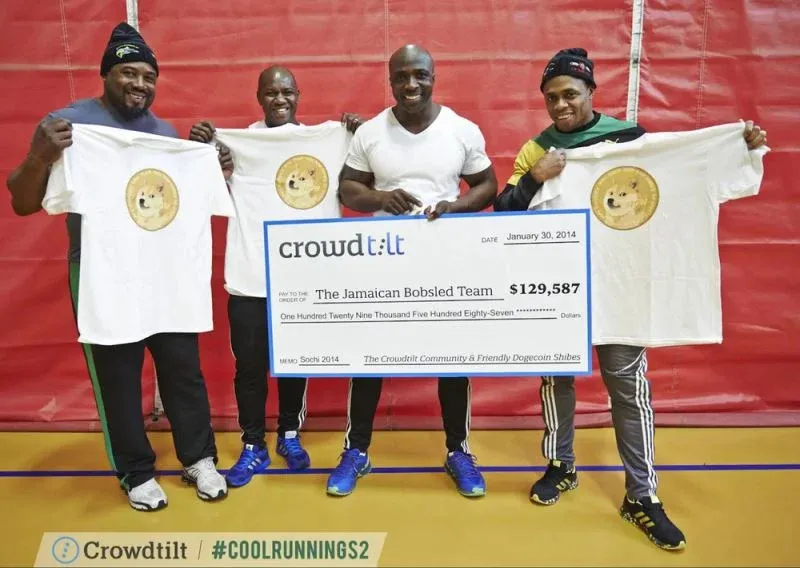
In early 2014, the community organized several charitable drives, donating over $50,000 worth of Dogecoin to sponsor the Jamaican bobsled team’s participation in the Sochi Winter Olympics, fund clean‑water wells in Kenya, and support disaster relief efforts.
During the same period, Dogecoin’s price modestly rose to around $0.001–$0.002, marking its transition from a pure joke to an asset with some economic attributes.
This 2013‑2014 phase laid the foundation for Dogecoin: it is not a traditional investment vehicle but an internet‑culture phenomenon driven by humor and goodwill, creating a striking paradox between the project and its societal value.
Dogecoin’s Value: How It Became a Billion‑Dollar Project
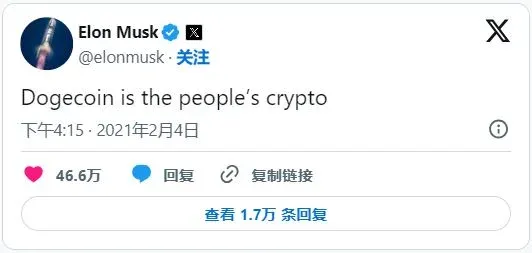
In 2021, Elon Musk publicly voiced support for Dogecoin on social media, becoming a pivotal catalyst for its rapid price appreciation. A short tweet sparked widespread attention from retail investors and audiences outside the crypto sphere, propelling Dogecoin from a fringe asset to a market focal point.
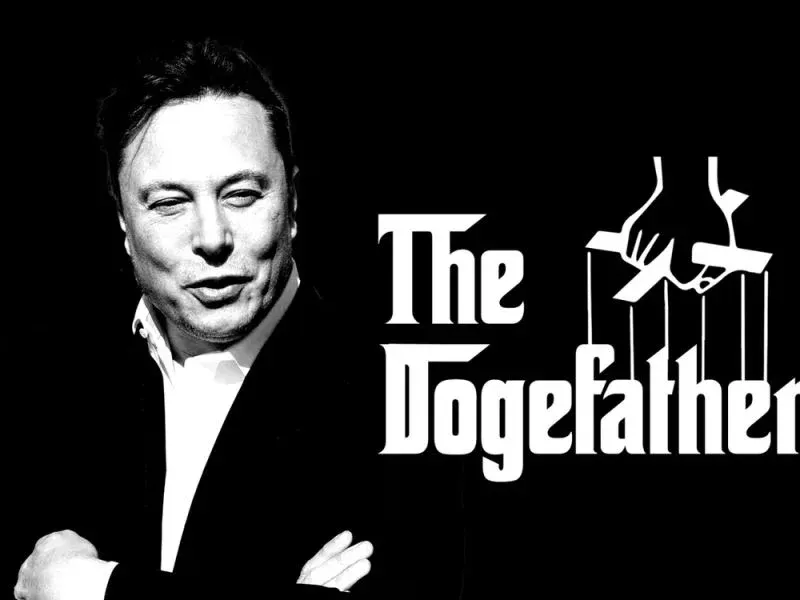
The r/dogecoin subreddit grew from a few tens of thousands members to several million. Memes, slogans such as “to the moon” and “do good every day,” and a strong FOMO (fear of missing out) mentality attracted a flood of newcomers.
The community began referring to Musk as the “Dogecoin Father,” and many believed that a single tweet from him could trigger a price surge, reinforcing a sense of identity among long‑term holders.
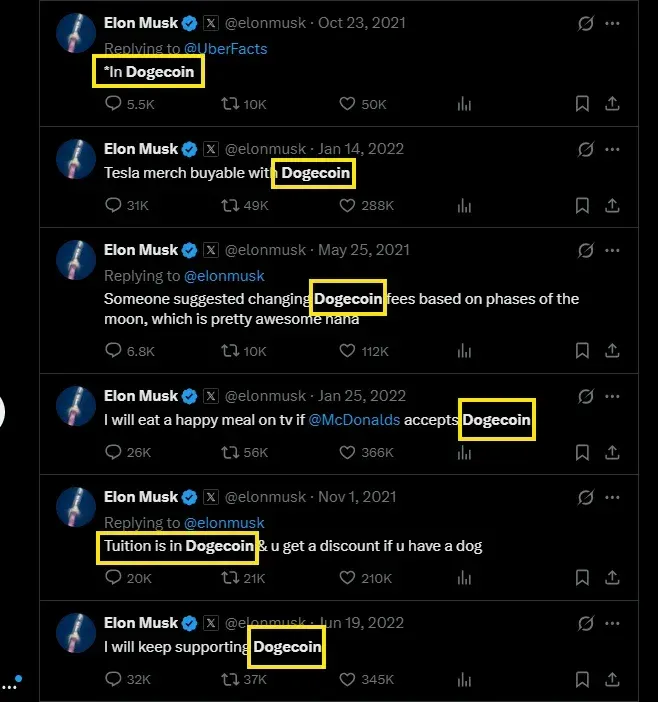
Throughout 2021, Musk repeatedly commented on Dogecoin on X (formerly Twitter), pushing the price from $0.008 on January 28, 2021 to an all‑time high of $0.73 on May 8, 2021.
From the perspectives of media studies and behavioral economics, Dogecoin demonstrates how narratives and symbols can amplify the value of financial assets. The simplicity and viral nature of the “Doge” meme elevated it beyond a technical product into a mainstream cultural phenomenon.
Multiple factors driving Dogecoin’s popularity:
- Influence of high‑profile individuals
- Organic momentum generated by the community
- Viral characteristics of the meme itself
- Collective psychology within a digital‑finance environment
Dogecoin’s Technical Architecture
Technically, Dogecoin inherits its codebase from Litecoin, which in turn borrows several features from Bitcoin.
- Consensus mechanism: Proof‑of‑Work (PoW)
- Hashing algorithm: Scrypt (compared with Bitcoin’s SHA‑256, Scrypt requires more memory, initially limiting ASIC dominance)
This design was intended to lower entry barriers for individual miners and increase network decentralisation.

Dogecoin supports merged mining with Litecoin, allowing miners to secure both chains simultaneously with the same hash power, thereby reducing the risk of a 51 % attack.
How to Mine Dogecoin (DOGE)
Technical Requirements
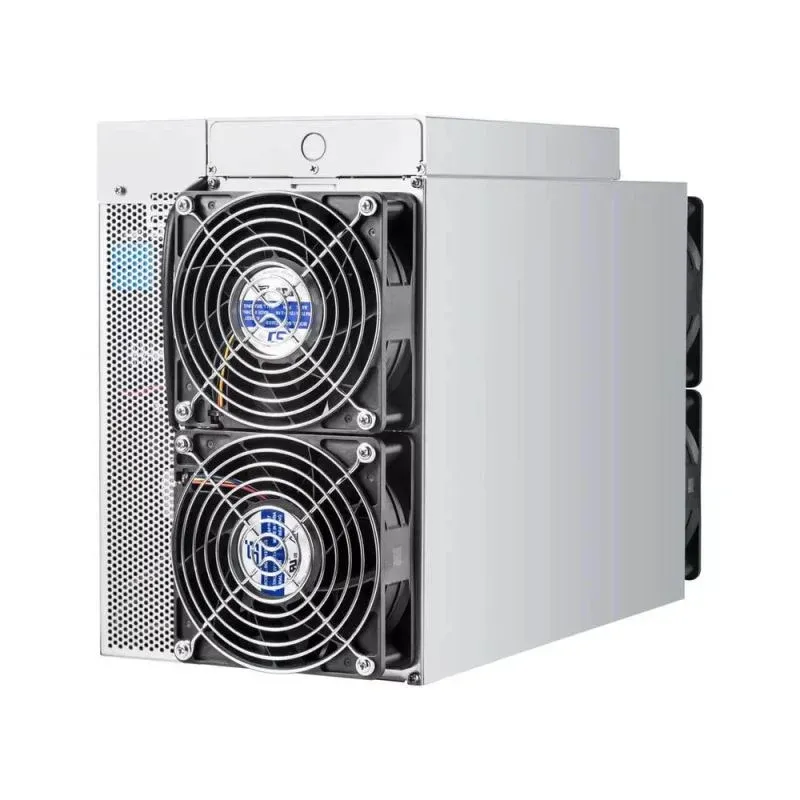
Given today’s network difficulty and industrial‑scale competition, mining with a CPU or a standard GPU is no longer economically viable. Mining now requires Scrypt‑compatible ASIC hardware, which falls into three main categories:
| Hardware Type | Representative Model(s) | Hashrate Range | Main Characteristics |
|---|---|---|---|
| Industrial‑grade ASIC | Antminer L9, Alphax DG2 Plus | ≥ 17–20 GH/s | High noise (≈ 75 dB), high power consumption, needs dedicated power and cooling |
| Home‑use ASIC | Alphax DG Home 1, Flower Miner L1 | Lower hashrate | Lower noise (≈ 45–50 dB), modest power draw, suitable for small‑scale or hobbyist miners |
| “Lottery” Miner | Various micro‑devices | Very low | Cheap, low energy, but block‑finding probability is minimal and unlikely to be profitable |
In addition, miners need mining software (for hash management and pool connections) and a secure DOGE wallet (hardware wallets are recommended) to receive rewards.
Mining Approaches
- Merged Mining – Use the same hardware to mine Dogecoin and Litecoin simultaneously, improving overall efficiency.
- Mining Pools – Solo mining success rates are low; joining a pool allows participants to share hash power and split rewards proportionally, typically charging around 1 % in fees.
Practical Steps for Beginners
- Purchase an ASIC miner that fits your power, noise, and budget constraints.
- Create and back up a secure wallet (hardware wallet preferred).
- Configure mining software and connect to a reputable pool.
- Use an online hashrate/profitability calculator to monitor earnings in real time.
For users who prefer not to manage noise, heat, or infrastructure at home, hosted mining services offer to place the equipment in professional data centres, handling electricity, cooling, and maintenance for a periodic fee.
Although Dogecoin was originally designed to be “easy to participate in,” the increasing industrialisation of mining has dramatically reduced profitability for individual operators. Mining should be viewed as a capital‑intensive, long‑term holding (HODL) strategy, not a short‑term speculative play.
Dogecoin’s Token Economics
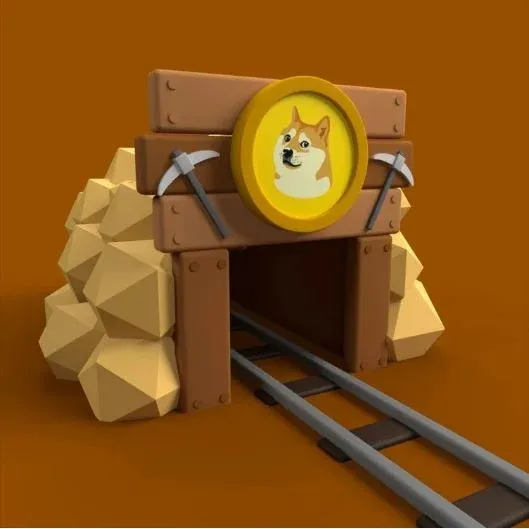
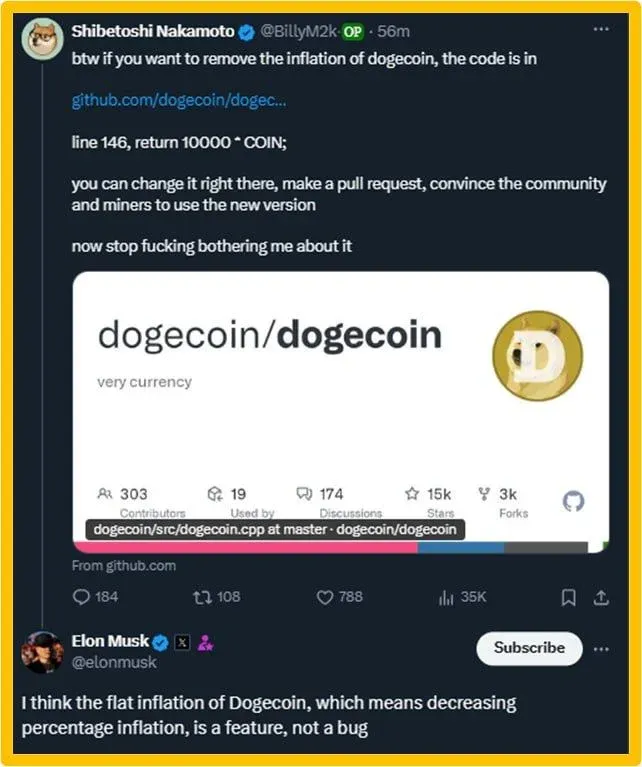
DOGE has no maximum supply; it follows an inflationary model where each block awards a fixed 10,000 DOGE, with no halving events.
- Approximately 5 billion DOGE are minted each year, causing the inflation rate to gradually decline as the total supply grows; the current rate is roughly 3‑4 % per year.
- As of early 2026, the circulating supply stands at about 168 billion DOGE (figures vary slightly across data providers) and continues to rise.
This inflationary schedule provides miners with ongoing incentives, contrasting with Bitcoin’s design, which relies solely on transaction fees after the year 2140.
Elon Musk once responded to community criticism of the inflation model: “That’s a feature of Dogecoin, not a bug that needs fixing.” He argued that a fixed annual issuance naturally causes the inflation rate to fall as supply expands.
Tax note: Gains from buying, selling, or mining Dogecoin may be taxable in your jurisdiction. Users should consult local tax regulations and consider reporting requirements, especially when converting to fiat via SEPA, SWIFT, or other bank transfers.
Dogecoin’s Influence on the Meme‑Coin Landscape
The Wave of Successor Meme Coins
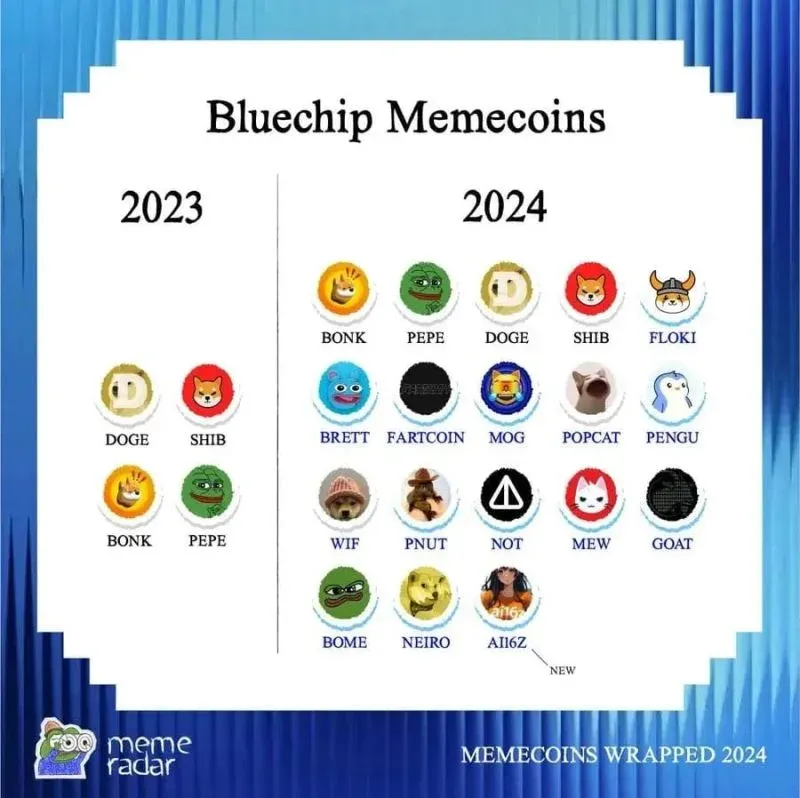
Dogecoin’s relative success paved the way for a multitude of subsequent meme‑coin projects. While each has its own objectives, many borrow directly or indirectly from Dogecoin’s market‑strategy and narrative construction.
- Shiba Inu (2020) brands itself as the “Dogecoin killer” and launched the Shibarium ecosystem.
- Floki Inu, Baby Doge Coin, and similar tokens employ comparable formulas.
- Pepe (2023) represents a newer generation of meme coins, moving beyond canine imagery.
- On Solana, Bonk and Dogwifhat (2023‑2024) also garnered notable attention.
Dogecoin’s longevity has cemented meme coins as a distinct niche within the crypto ecosystem, offering a prototype for how non‑technical factors can shape asset value.
Shaping Meme and Community Models
Dogecoin demonstrates that community cohesion, viral meme propagation, and humor can drive market interest and liquidity. Later meme coins, despite differences in technology, branding, and target audiences, often adopt similar community‑first approaches, adapting them to local contexts.
- Milady Maker (an Ethereum NFT series) is not a coin per se, yet its “eternally online” concept became a social status symbol, illustrating how satirical culture can generate value.
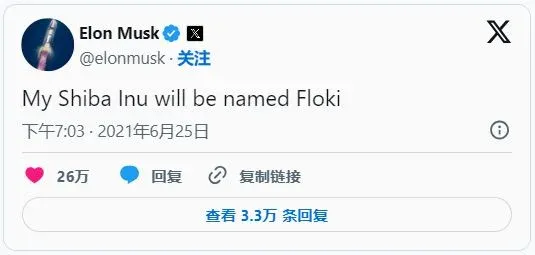
Social media influence and opinion‑leader endorsement are especially pronounced in the meme‑coin market. Musk’s remarks frequently cause sharp price swings for Dogecoin, a pattern mirrored in projects like Floki Inu, where even a name association—without direct involvement from Musk—can ignite market enthusiasm.

Dogecoin Price Outlook: Future Projections
Forecasting Dogecoin’s price is inherently uncertain because its value is driven by both fundamental market forces and social sentiment/cultural relevance.
Key influencing factors include:
- Trends on social media and celebrity endorsements
- Overall direction of the broader crypto market (Bitcoin, Ethereum, etc.)
- Real‑world usage cases (payments, tipping)
- Speculative demand amplified during meme‑driven phases
It is worth noting that the U.S. government once used the acronym “DOGE (Department of Government Efficiency)” in public policy discussions. While unrelated to the cryptocurrency itself, the occurrence illustrates how the Dogecoin brand has permeated mainstream discourse, indirectly boosting its notoriety and speculative appeal.
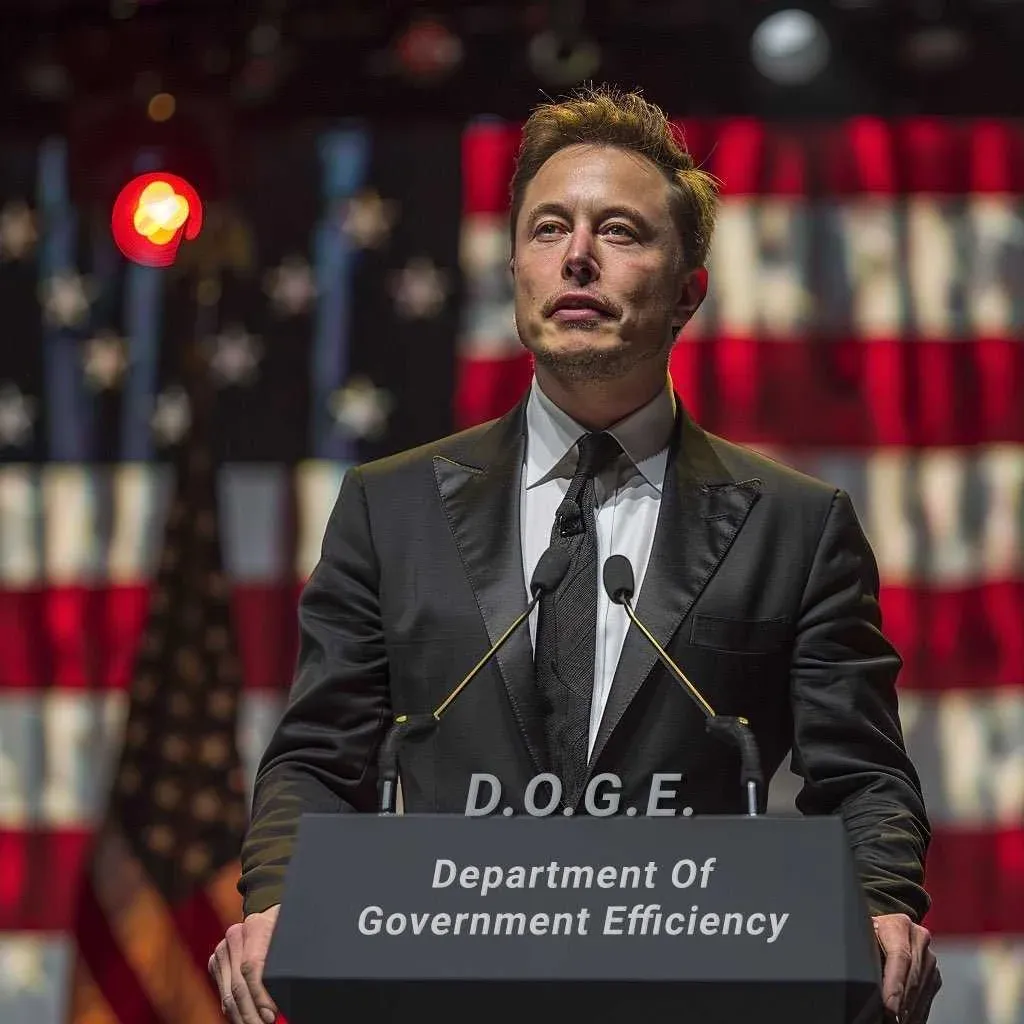
In summary, Dogecoin’s future price is likely to remain highly volatile, with movements more closely tied to collective belief and cultural momentum than to traditional valuation models.
Conclusion
Dogecoin stands out as a unique case in crypto history: it began as a satirical project and evolved into a digital asset with both economic value and cultural impact. It proves that the market’s worth is not solely dictated by technology; culture, community, and shared belief play equally pivotal roles.
Frequently Asked Questions
Q1. How does Dogecoin differ from other cryptocurrencies?
The core distinction lies in positioning and perception. Dogecoin was never created to solve a technical bottleneck; instead, it exists as a community‑driven, easy‑to‑use digital currency heavily influenced by internet culture.
Q2. How can I purchase Dogecoin (DOGE)?
Most major exchanges list DOGE. Users must complete account registration, identity verification (KYC), fund the account via fiat (using USD transfers, SEPA, or
Related Reading
- Top 20 Crypto Picks for Q1 2025: Grayscale, DeFi, AI, Solana
- Dogecoin (DOGE) Price Forecast 2026‑2030: Outlook & Predictions
- Solana (SOL) Guide: Buying & 2025‑2030 Price Forecast
💡 Register on Binance with referral code B2345 for the maximum trading fee discount. See Binance complete guide.



