
 Bitaigen Research
 In this article we systematically outline the functional roles, asset flow paths, and practical operation points of fiat accounts and crypto‑to‑crypto (spot) accounts, helping users clarify when to use a fiat channel and when to perform a spot‑currency exchange, and avoid common pitfalls. By reading on, you will grasp the core differences between the two account types and learn safe transfer techniques, providing clear guidance for asset management.
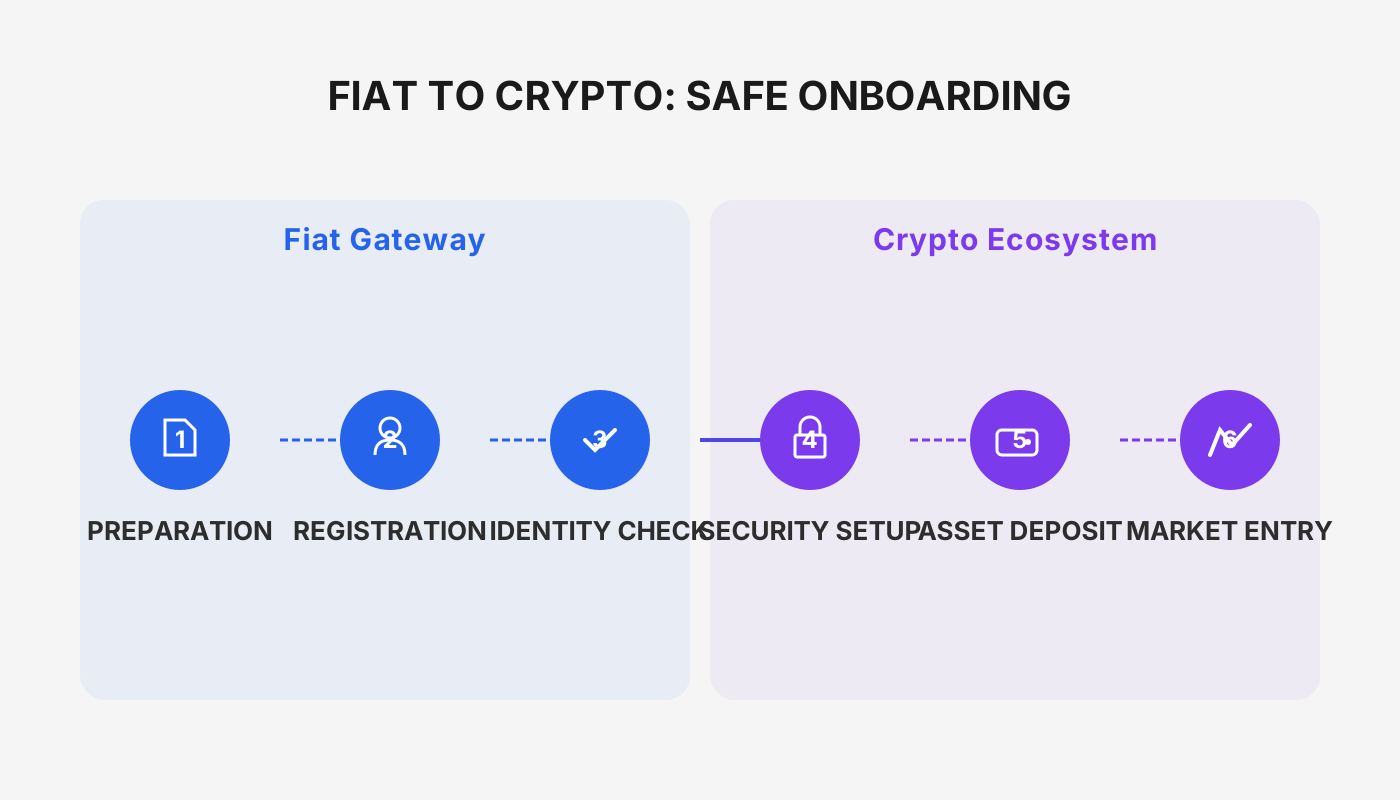
Core Differences Between Fiat Accounts and Crypto‑to‑Crypto (Spot) Accounts
On digital‑asset platforms, the Fiat Account primarily serves as the bridge between fiat currencies (e.g., USD, EUR via SEPA/SWIFT) and cryptocurrencies; the Crypto‑to‑Crypto (Spot) Account focuses on direct trading between different cryptocurrencies. The former is the mandatory hub for fiat deposits, buying crypto, and cash withdrawals, while the latter enables intra‑platform conversion among multiple tokens without routing through a fiat channel.
- Fiat Account: When you use USD (or another fiat currency) to purchase Bitcoin, Ethereum, or other digital assets, the bought coins are first deposited into the fiat account. If you wish to withdraw cash, you must first move the corresponding crypto from other accounts into the fiat account and then complete the withdrawal.
- Crypto‑to‑Crypto (Spot) Account: Used for internal platform trades between crypto pairs, such as buying or selling BTC in a USDT trading pair. Any transaction that involves crypto‑for‑crypto trading requires the relevant coins to be transferred into the spot account.
If you hold a low‑market‑cap token, it is usually necessary to first exchange it for a mainstream coin such as BTC, ETH, EOS, or USDT, and then move the resulting assets into the fiat account for cash‑out. Conversely, when holding one of those mainstream coins, you can transfer it directly to the fiat account to sell for fiat.
Transfer Procedure Between Fiat and Spot Accounts (Example: Huobi)
- After completing a fiat trade, a “Transfer Now” button will appear at the bottom of the order‑detail page.
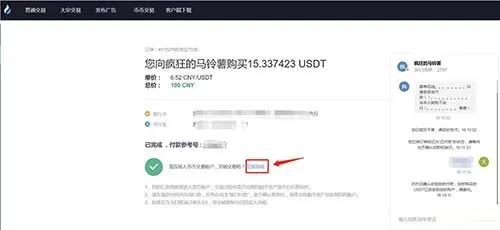
- Clicking this button opens a “Asset Transfer” window. Select “Fiat Account → Spot Account,” enter the amount you wish to move, and then confirm by clicking “Transfer Now.”

- Once the transfer succeeds, you can go to the “Asset Management” page to view the balance changes of both the fiat and spot accounts.
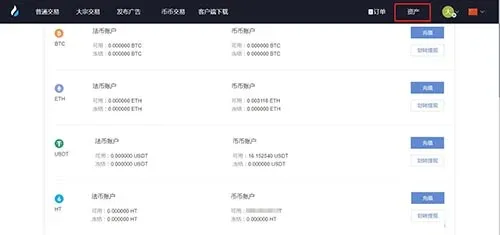
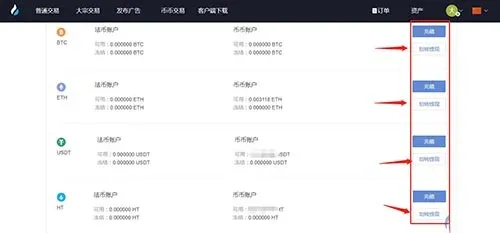
- If you prefer to initiate a transfer directly from the asset‑management page, click “Transfer / Withdraw,” then follow the on‑screen prompts to complete the operation.
Summary
- The fiat account is the mandatory conduit for fiat inflows and outflows on the platform, covering deposits, crypto purchases, and cash withdrawals.
- The crypto‑to‑crypto (spot) account is dedicated to trading between digital assets and is ideal for multi‑currency conversions.
- Funds can be moved at any time between the two accounts using the platform’s built‑in asset transfer feature, ensuring a smooth trading workflow.
For more tips on using the Huobi platform and download information, follow Bitaigen (比特根) to receive the latest articles.
*Note: Crypto gains may be taxable in your jurisdiction; consult a tax professional for advice.*
Related Reading
- OKX USDT Deposit Networks: Safety, Speed & Cost Comparison
- TRC20 vs ERC20: Sending TRC20 Tokens to an ERC20 Address
- ERC-20 vs BEP-20 vs TRC-20: Key Differences & Transfer Tips
💡 Register on Binance with referral code B2345 for the maximum trading fee discount. See Binance complete guide.



