
 Bitaigen Research
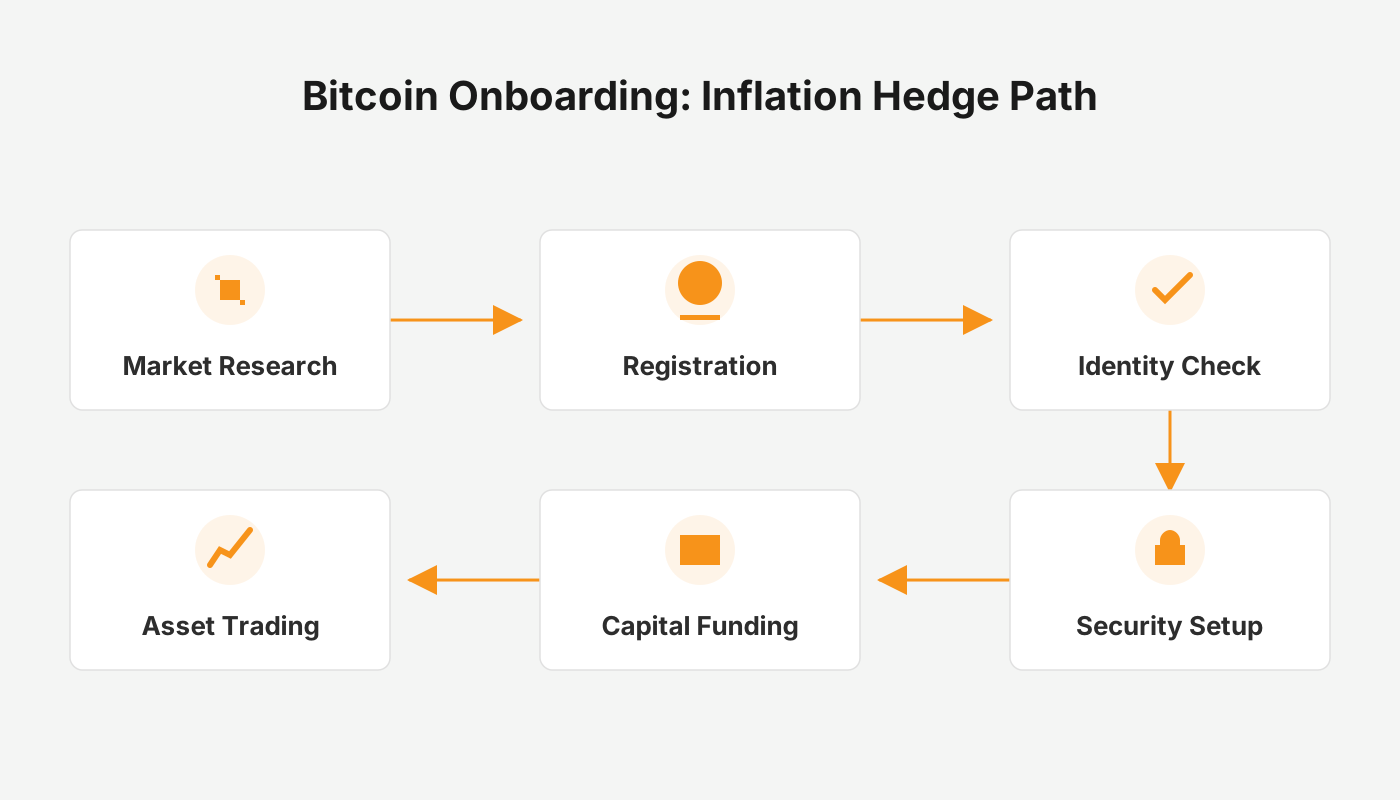
 This year the global economy has been centered on a single issue: inflation. As the post‑pandemic era unfolds, governments worldwide have been “printing money” to rebuild their economies, with the United States launching a $1.9 trillion stimulus package in March. Fiat currencies are under inflationary pressure, prompting investors to search for inflation‑hedging assets. Digital currencies have become a prominent option, and Bitcoin has posted a noticeable rally recently.
The biggest challenges facing DeFi are accessibility and scalability; the solution lies in adopting high‑performance public blockchains such as OKExChain, which offer low fees and cross‑chain compatibility.
In this article we systematically analyze the two core bottlenecks currently limiting decentralized finance—scalability and accessibility—and explore how high‑performance public blockchains can provide viable solutions through low transaction costs and cross‑chain compatibility. If you want to learn about the next breakthrough in decentralized finance, keep reading.
Challenges of DeFi
DeFi (decentralized finance) is a blockchain‑based financial system that operates without intermediaries, offering openness and inclusivity. Since 2020, applications such as lending, insurance, derivatives, and synthetic assets have experienced explosive growth. In February 2020, the total value locked (TVL) in DeFi smart contracts first exceeded $1 billion; by April 2021, TVL had surpassed $53 billion, a roughly 53‑fold increase within 13 months. Core ecosystem projects like Uniswap have reached market capitalizations above $17 billion, and JPMorgan has warned that DeFi could pose a threat to traditional finance.
Primary Bottlenecks
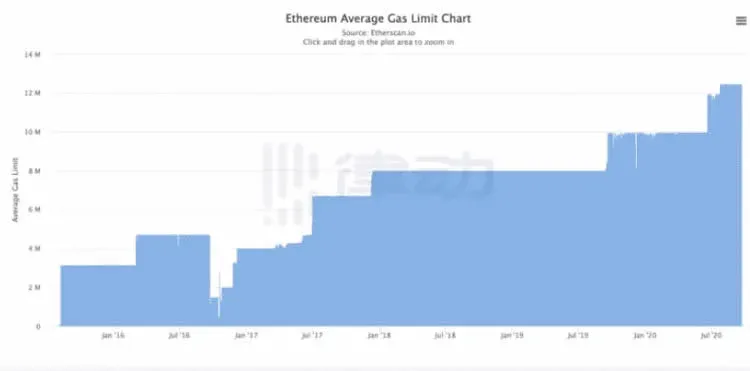
- Scalability – The majority of DeFi transactions still occur on Ethereum. Limitations in block size, block time, and gas fees are becoming increasingly pronounced. A simple transfer can cost around $20, while complex contract interactions can exceed $200.
- Accessibility – User experience remains complicated; average users find it difficult to navigate the myriad DeFi protocols, preventing DeFi from achieving mainstream global adoption.
OKExChain’s Solution
OKExChain is a high‑performance, decentralized public blockchain that combines DPoS (Delegated Proof‑of‑Stake) with PoA (Proof‑of‑Authority) consensus. It operates 21 validator nodes, achieving sub‑second block times and providing a fast infrastructure for DeFi protocols.
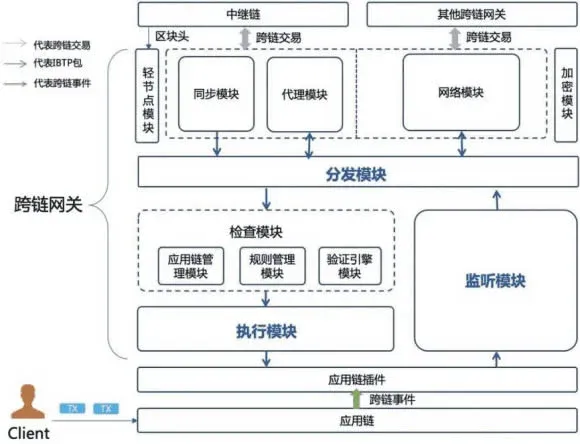
- Compatibility – Fully supports the EVM, making it 100 % compatible with Ethereum smart contracts. Through cross‑chain gateways and IBC (Inter‑Blockchain Communication) protocols, assets can move freely between major blockchains.
- Low Fees – On OKExChain, a transaction can cost as little as $0.01, a dramatic reduction compared with the $50–$100 fees typically seen on platforms such as Compound or Aave.
OKExChain Ecosystem
OKExChain follows a fully open‑source model; anyone can fork the code to launch their own trading chain and build applications via smart contracts. This high degree of openness boosts operational efficiency and supports large‑scale deployment. Although the mainnet has not yet officially launched, more than 30 projects have already committed to building on the platform.
Representative Project: Dematrix
- Dematrix 1.0 – A derivatives‑yield aggregation platform built on OKExChain, offering three foundational mining pools that cater to different strategies and yield requirements. Low gas costs and high protocol flexibility enable high‑frequency liquidity mining.
- Dematrix 2.0 – Extends the ecosystem into the NFT space, creating an all‑in‑one platform that supports NFT creation, exhibition, redemption, auction, lending, and gaming. It integrates blind‑box mechanics, mining pools, NFT20, NFTFI, and a decentralized auction market to strengthen the link between digital assets and the real world.
Conclusion
In an inflation‑driven…
*Note: Crypto gains may be subject to taxation in many jurisdictions. Users should consult local tax regulations and consider professional advice when reporting digital‑asset income.*
*For fiat on‑ramps and off‑ramps, transactions are typically processed via USD, SEPA, or SWIFT channels. U.S. residents should use Binance.US rather than the global Binance platform.*
Related Reading
- Proof-of-Work Mining: How Blockchain Miners Earn Rewards
- How to Mine Bitcoin on Poolin: Step‑by‑Step Guide 2024
- Bitcoin Price Drops to Key Support Level: Technical Analysis & Risks
💡 Register on Binance with referral code B2345 for the maximum trading fee discount. See Binance complete guide.



