
 Bitaigen Research
 As blockchain technology matures, an increasing number of real‑world assets are appearing on‑chain in token form. According to the latest data, the total market cap of on‑chain physical‑asset tokens is now approaching USD 350 – 450 billion, creating a sub‑market that can no longer be ignored. Whether you are a retail investor seeking stable yields in DeFi or an institutional player looking to open digital channels for traditional assets, this emerging field is attracting attention. This article provides a systematic reference by examining the concept, use cases, and the top ten RWA tokens with the greatest potential in 2026. *The information presented is for disclosure purposes only and does not constitute any investment advice.*
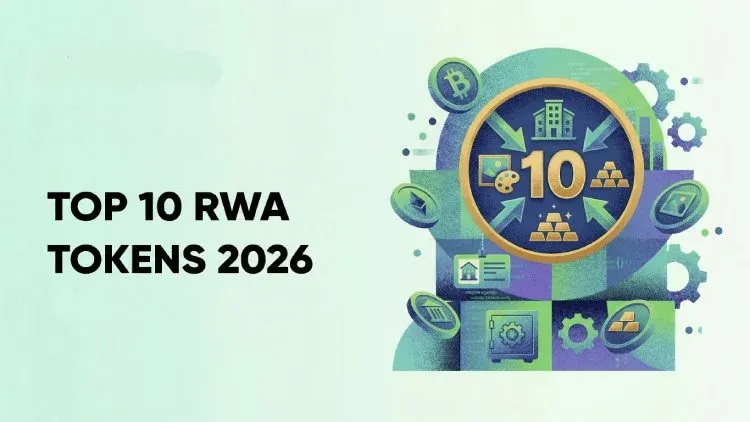
In this article we outline the core concepts of RWA tokens, real‑world implementation scenarios, and the selection logic behind the 2026‑prospect projects, helping investors quickly grasp the latest trends at the intersection of digital and physical assets. Subsequent pieces will dive deeper into the risks and opportunities of each token, making this a worthwhile read.
1. What Are RWA Tokens?
RWA (Real‑World Asset) tokens are crypto‑based certificates backed by tangible or financial assets from the real world. They can represent ownership or revenue rights to stocks, bonds, real estate, gold, and other assets. By leveraging blockchain, these assets are “fractionalized,” allowing anyone worldwide to participate in investments that traditionally require high capital thresholds.
Typical use cases include:
- Bond tokenization – Government or corporate bonds are mirrored as on‑chain tokens, and holders receive coupon payments directly. For example, several projects peg U.S. Treasury bonds 1:1, delivering stable on‑chain yields.
- Real‑estate shares – Platforms split buildings or commercial properties into many tokens; investors buy a slice and share rental income without needing to purchase an entire structure.
- Precious metals and luxury goods – Each token corresponds to a fixed gram of gold or silver stored in a vault, or even a fractional ownership of an artwork, dramatically improving liquidity for collectibles.
- Private credit and receivables – Invoices or micro‑loans can be minted as tokens, serving as collateral or yield‑bearing assets in DeFi, providing a blockchain‑based financing channel for SMEs.
- Funds and equities – Mutual funds, ETFs, or individual listed‑company shares can be replicated on‑chain, allowing investors to trade without a traditional broker.
The core value of RWA tokens lies in bridging traditional finance (TradFi) and decentralized finance (DeFi). They do not replace the underlying physical asset—losing a token does not cause the property or gold to disappear—but they provide a more efficient, transparent, and programmable way to trade those assets, opening high‑barrier markets to smaller participants.
2. The Top 10 RWA Tokens in 2026
1. Chainlink (LINK)
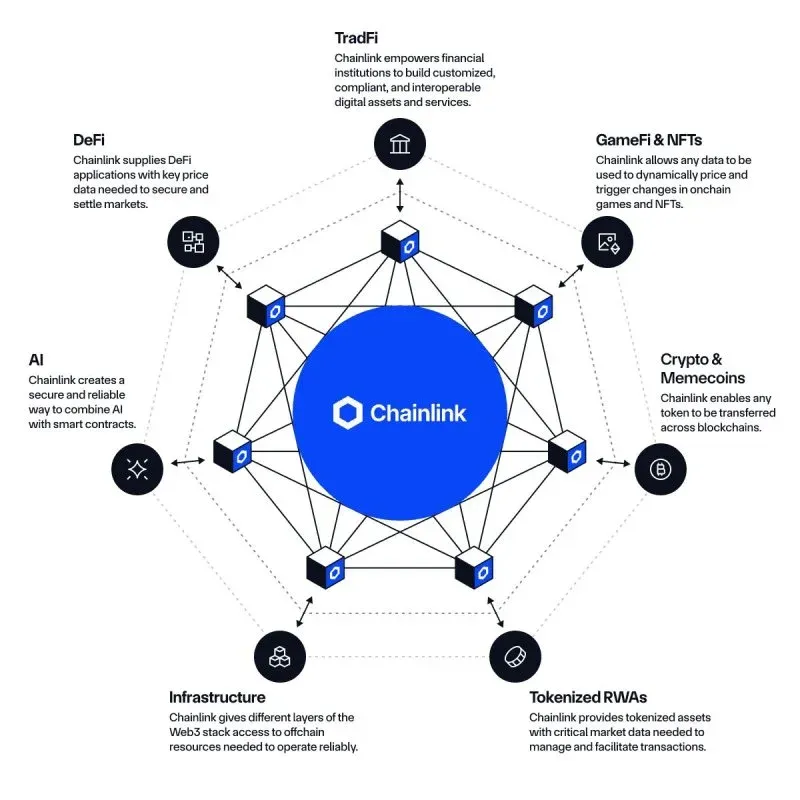
As the leading decentralized oracle, Chainlink supplies off‑chain data to on‑chain smart contracts. In RWA scenarios, Chainlink transmits commodity prices, bond yields, and proof of asset reserves. Multiple gold‑token projects rely on its oracle to regularly verify vault inventories; additionally, Chainlink’s Cross‑Chain Interoperability Protocol (CCIP) enables seamless interaction between different blockchains and traditional financial systems. SWIFT, Mastercard, and several central banks are exploring the inclusion of Chainlink in bond‑transfer or CBDC projects, further cementing its role as a standard‑setter in asset tokenization.
2. MakerDAO (MKR)
MakerDAO governs the decentralized stablecoin DAI through its MKR token. Starting in 2025, Maker incorporated U.S. Treasury bonds, commercial paper, and other real‑world assets into its collateral portfolio, meaning DAI issuance no longer relies solely on crypto collateral. By 2026, Maker holds over USD 1 billion in RWA, generating substantial interest income. Its legal structure—trusts and special‑purpose entities—protects asset safety, marking a scalable convergence of DeFi and traditional finance.
3. Ondo Finance (ONDO)
Ondo focuses on tokenizing fixed‑income assets, offering products such as OUSG (a short‑term U.S. Treasury fund token) and USDY (a yield‑bearing stablecoin backed by a mix of Treasury bonds and bank deposits). The platform’s total value locked (TVL) has surpassed approximately USD 1.4 billion, ranking third in the DeFi RWA space. Beyond government bonds, Ondo has launched tokenized shares of companies like Pfizer and NVIDIA, further diversifying on‑chain asset offerings.
4. Stellar (XLM)
Since its 2014 launch, Stellar has been known for low fees and fast settlement, gradually evolving into an infrastructure for asset tokenization. The network hosts a variety of fiat‑stablecoins (USDC, AUDD, EURC) as well as fund tokens, such as Franklin Templeton’s BENJI money‑market fund. By 2025, fund‑type assets accounted for about 90 % of Stellar’s RWA value, underscoring its central role in enterprise‑grade tokenization scenarios.
5. PAX Gold (PAXG)
PAXG, issued by Paxos Trust Company, links each token to one troy ounce of physical gold stored in a London vault. Holders own the legal title to the corresponding gold bar and can verify reserves at any time via audited reports. As a regulator‑approved gold token, PAXG saw a significant market‑cap surge during the 2025 gold‑price rally and is expected to continue leading the commodity‑RWA segment in 2026.
6. XDC Network (XDC)
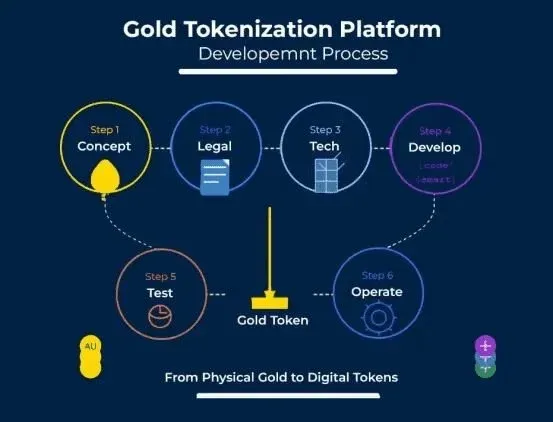
XDC uses a Delegated Proof‑of‑Stake (DPoS) consensus and provides enterprise‑grade solutions for trade finance and digital invoicing. The platform already hosts projects such as TradeFinex (receivable tokenization) and ComTech Gold (gold token), as well as USTY, a U.S. Treasury token issued by Securitize, forming a diversified RWA ecosystem.
7. Centrifuge (CFG)
Centrifuge was among the first to turn invoices, mortgages, and other real‑world assets into NFTs, offering liquidity on its Tinlake platform for DeFi investors. Its asset pools have been used by MakerDAO as DAI collateral. In 2024, Centrifuge partnered with Janus Henderson to launch the first on‑chain U.S. Treasury fund JTRSY, and issued a CLO fund token JAAA, further expanding the on‑chain credit market.
8. Avalanche (AVAX)
Avalanche’s subnet architecture supports customizable compliant chains, attracting many institutions to tokenize real assets. By the end of 2025, the platform hosted over USD 1.25 billion in RWA, including BlackRock’s money‑market fund, Janus Henderson’s AAA‑rated CLOs, and SkyBridge Capital’s hedge‑fund tokens. Its high throughput and low latency make Avalanche a preferred chain for institutional asset issuance.
9. Quant (QNT)
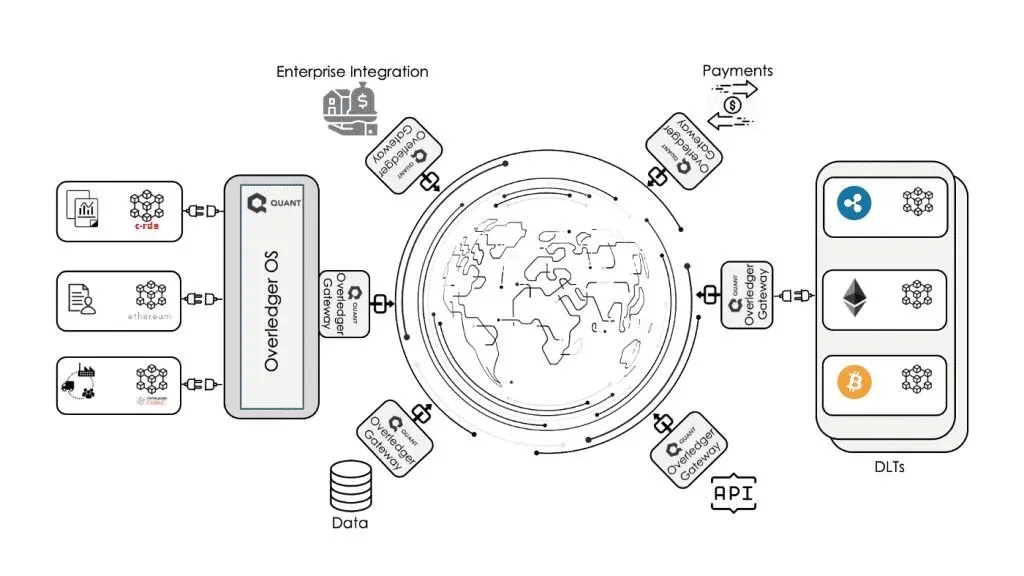
Quant does not tokenise assets directly; instead, it provides cross‑chain interoperability via Overledger. This solution helps governments, central banks, and financial institutions move assets between private ledgers and public blockchains. For instance, a sovereign bond issued on a private chain can be traded on Ethereum through Overledger, bridging on‑chain and off‑chain markets. Quant’s stringent KYC/AML requirements give it a unique advantage in compliant RWA projects.
10. Polymesh (POLYX)
Polymesh is purpose‑built for regulated security tokens, embedding identity verification and compliance rules at the protocol level. All participants must complete on‑chain KYC, and issuers can enforce holder eligibility, transfer restrictions, and other conditions directly on the token, satisfying regulator demands. Multiple financial institutions have already used Polymesh to issue digitized stocks, bonds, and funds, and the network is expected to scale significantly in 2026.
3. Major Trends Shaping the RWA Token Landscape in 2026
- Regulatory clarity is increasing – Legislation such as the EU’s MiCA framework raises the compliance bar for tokenized assets, enabling traditional companies to launch RWA projects within regulated parameters. Asset‑management giants like BlackRock are issuing tokenized money‑market funds through compliant channels.
- Accelerated tokenization of sovereign bonds and cash equivalents – Platforms like Ondo allow investors to earn interest on Treasury‑bond tokens while using stablecoins, deepening the integration of DeFi with sovereign debt markets.
- Real estate, funds, and equity tokenization entering maturity – Fractional ownership of commercial properties and high‑value artworks is gradually being realized, while fund and equity tokenization proceeds steadily under regulatory oversight.
- Growing institutional participation – Financial powerhouses such as Goldman Sachs and Fidelity are actively building RWA tokenization capabilities, investing in custodial, compliance, and technology development, signaling a marked rise in institutional acceptance of blockchain‑based assets.
4. Conclusion
By 2026, RWA tokens have evolved from experimental pilots into an indispensable component of the blockchain ecosystem. They provide crypto investors with a more stable source of yield and give traditional asset holders access to an always‑on, low‑cost global market. However, tokenization does not eliminate all risk: legal compliance, technical security, and liquidity remain critical challenges that each project must address. When assessing RWA projects, investors should:
- Thoroughly read the issuance documentation.
- Verify the reputation of custodians holding the underlying assets.
- Conduct careful technical due‑diligence.
Diversifying holdings and aligning exposure with one’s risk tolerance can help capture the innovation premium while mitigating potential losses.
*Please note that cryptocurrency gains may be taxable in your jurisdiction; consult a tax professional for guidance.*
*U.S. residents should access Binance.US rather than the global Binance platform when dealing with fiat on‑ramps such as USD, SEPA, or SWIFT.*
This article ends here. For deeper analyses of RWA tokens, visit Bitaigen (比特根) for related articles or continue reading the links below. Thank you for your attention and support!
💡 Register on Binance with referral code B2345 for the maximum trading fee discount. See Binance complete guide.
⚠️ Risk Disclaimer: Crypto prices are highly volatile. This is not investment advice.



