
 Bitaigen Research
 What Does OTC Trading Mean?
OTC (Over‑The‑Counter) refers to off‑exchange trading, where investors buy and sell assets directly through a counter or online platform outside of a formal exchange. These transactions are typically not bound by the uniform rules of an exchange; the counterparties set their own price and settlement terms.
OTC (the over‑the‑counter market, also known as the counter‑trading market) denotes the trading of equities or digital assets outside of a securities exchange. Unlike exchange‑based markets, OTC has no fixed trading venue, unified membership requirements, or strict regulatory framework. Trades are mainly negotiated privately between counterparties on a one‑to‑one basis.
Compared with a securities exchange, OTC exhibits several distinctive characteristics:
- Decentralized trading
- Trading activity is organized by many independent brokerage firms or platforms rather than a single institution.
- Each firm acts both as a market organizer and a direct participant, providing a transfer channel for securities.
- Direct trading
- Most trades are executed directly between the investor and the brokerage firm.
- The actual seller of the security transfers the asset to the brokerage firm, while the buyer acquires it from the brokerage firm, completing the transfer between investors.
- Contract‑based trading
- Prices are quoted by the brokerage firm, and investors accept the quote after negotiation.
- Each transaction usually involves one brokerage firm and a single investor; the final price is established once both parties agree.
As the editorial team at Bitaigen, we outline the core concepts, features, and differences of OTC (off‑exchange) trading in this article, and we compare several mainstream industry platforms side by side. Case studies are provided to help investors quickly assess when an off‑exchange channel may be appropriate for efficient asset circulation. For more detailed platform performance data and selection criteria, please continue reading.
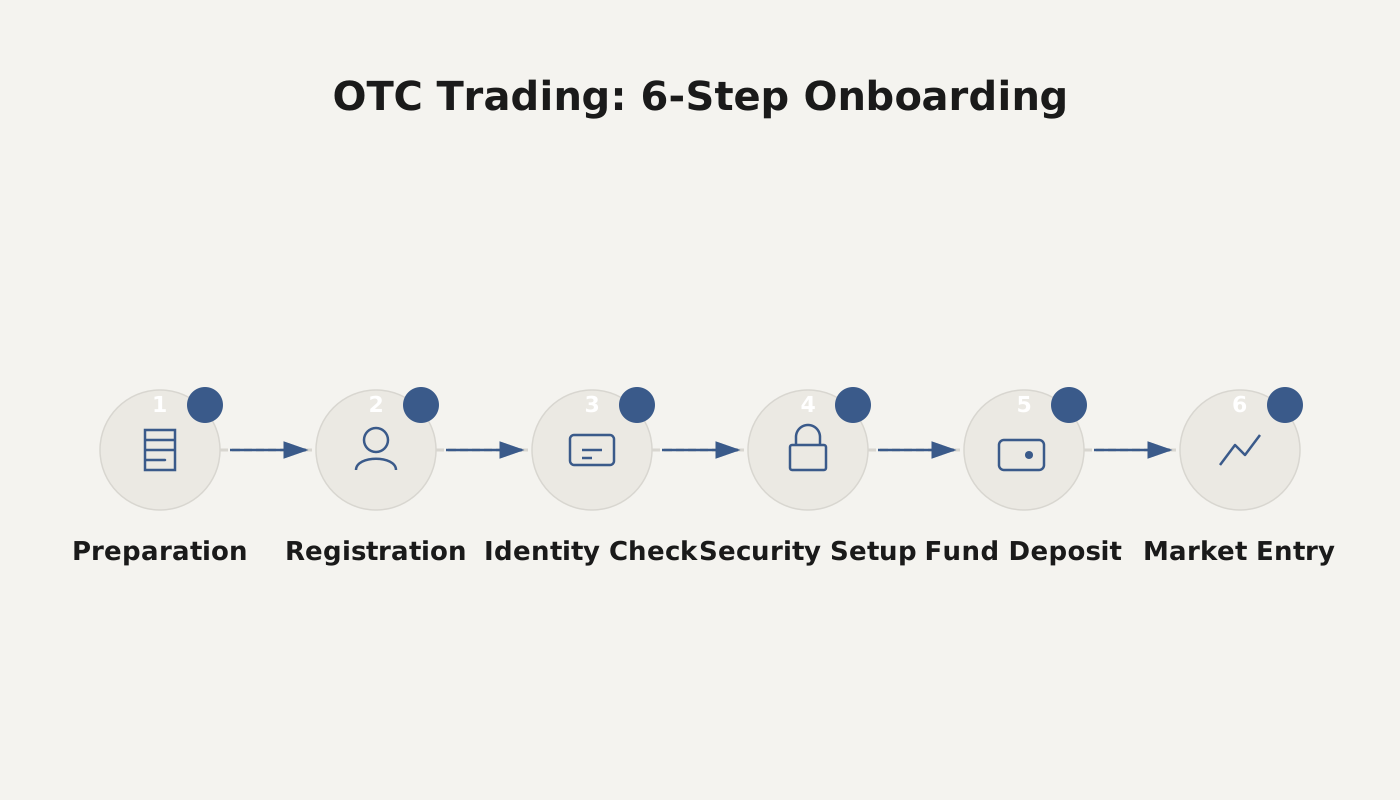
OTC Trading Platform Overview
1. Huobi Global
- Asset volume: US$4.03 billion
- Trading pairs: 877
- 24‑hour turnover: US$24.828 billion
- OTC currencies: 8, with merchants (buy/sell) counts of 392 / 295
Huobi Global is operated by Beijing Huobi Tianxia Network Technology Co., Ltd. It launched in September 2013 and has become one of the world’s leading Bitcoin trading platforms. On 4 March 2014, daily transaction volume exceeded 260,000 orders and the transaction value reached RMB 10 billion, setting a global record for Bitcoin platforms. Later, on 19 March 2014, Huobi added Litecoin spot trading.
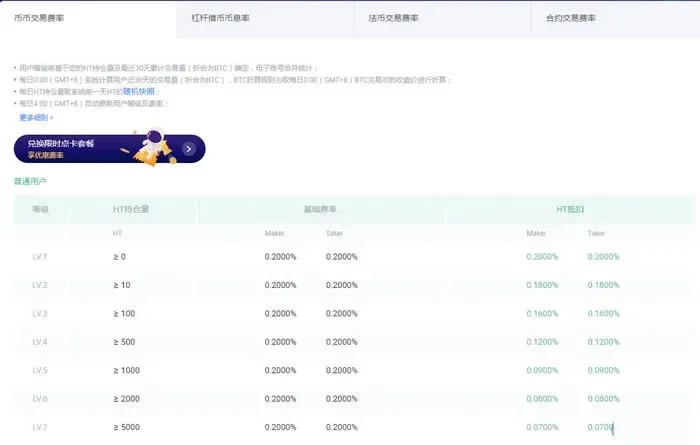
Fees
- Spot trading fee: 0.20 %
- Margin lending fee: 0.0980 % per day
- Fiat trading: no fee
- Futures trading fee: 0.015 %–0.02 %
Huobi’s Corporate Strengths
- World‑class security and risk‑control system
- 5 years of digital‑asset financial services experience, employing a professional distributed architecture and DDoS‑mitigation system.
- Globally localized professional operations team
- Localized trading service centers are established in multiple countries, building a multi‑business blockchain ecosystem.
- Reinvented digital‑asset platform service model
- Introduces a pre‑payment compensation mechanism and an investor protection fund. Compliance teams have been set up in Singapore, Japan, South Korea, Australia, Canada, the United Kingdom, Brazil, Hong Kong and other regions, creating an integrated ecosystem of technology R&D, industry research, open platforms, investment, and information services.
2. OKX
- Asset volume: US$35.3506 million
- Trading pairs: 658
- 24‑hour turnover: US$9.232 billion
- OTC currencies: 14, with merchants (buy/sell) counts of 115 / 91
OKX is a globally recognized digital‑asset exchange offering spot and derivatives trading for Bitcoin, Litecoin, Ethereum and many other assets. The company has received angel investment from top venture capitalists such as Tim Draper.
Fees
- Spot trading fee: 0.15 %–0.10 %
- Margin lending fee: 0.01 %–0.098 %
- Fiat trading: no fee
- Futures trading fee: 0.02 %–0.05 %
3. Binance
- Asset volume: US$3.352 billion
- Trading pairs: 881
- 24‑hour turnover: US$19.108 billion
- OTC currencies: 6, with merchants (buy/sell) counts of 73 / 67
Binance was founded by former OKCoin co‑founder Changpeng Zhao (CZ) and focuses on blockchain‑asset trading. Leveraging powerful technology and a global footprint, the platform grew rapidly.
Fees
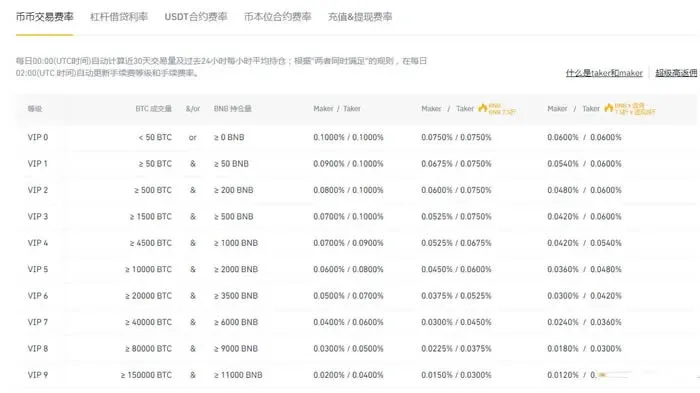
- Spot trading fee: 0.10 %
- Margin lending fee: 0.01 %–0.30 % per day
- Fiat trading: no fee
- Futures trading fee: 0.02 %–0.04 %
Important for U.S. users: Binance’s global platform is not available to residents of the United States. U.S. investors should use Binance.US, which complies with local regulations.
Binance’s Advantages
- Globally recognized star team
- CZ brings experience from both traditional finance and cryptocurrency, having launched multiple successful ventures.
- Mature and reliable product suite
- The system is deployed on more than 30 trading platforms, supports all client types and multiple languages, delivering an excellent user experience.
- Leading‑edge core technology
- Certified in‑memory matching engine processes up to 1.4 million orders per second, far exceeding the industry average.
- International investment‑advisory team
- A wealth of resources and numerous partners provide liquidity and support community operations.
The above provides a conceptual analysis of OTC trading and a summary of the major OTC trading platforms. For more in‑depth information on each platform, please follow the related专题 articles published by Bitaigen (比特根).
*Note: Cryptocurrency gains may be subject to tax in your jurisdiction. Consult a local tax professional to understand your obligations, and consider using SEPA, SWIFT, or other regulated fiat‑on‑ramp methods when moving funds.*
Related Reading
- Understanding Stablecoins: Types, Mechanisms & Risks
- CoinEgg Exchange Review 2021: Trading Volume, Assets & Features
- Zhaobi Exchange Review: Secure OTC Trading & Hardware Wallet
💡 Register on Binance with referral code B2345 for the maximum trading fee discount. See Binance complete guide.



