
 Bitaigen Research
 We delve deeply into the recent abnormal swings in silver prices, examining macro‑level drivers such as inflation trends, interest‑rate outlooks, and geopolitical risks. The analysis also compares the performance of precious metals with that of mainstream crypto assets and evaluates silver’s real value in industrial demand and the energy‑transition landscape. Read on to help you decide whether a short‑term speculative approach or a medium‑to‑long‑term allocation is more appropriate.
Key TL;DR
- In late December, silver first surged sharply and then fell just as quickly. The move reflects the market simultaneously digesting cooling inflation, the direction of interest rates, and a suite of geopolitical uncertainties.
- Silver’s prominence stems from its intrinsic characteristics: compared with gold, the market size is smaller and price elasticity is higher; at the same time, genuine demand exists in solar‑energy, data‑center, and electric‑vehicle sectors, giving short‑term capital flows a tangible fundamental justification rather than pure speculation.
- When macro topics such as wars, energy policy, and industry subsidies remain under active debate, silver is treated as a “fast‑reacting sentiment” instrument; once the related uncertainties ease and policy directions become clearer, the frequency of capital entering and exiting silver will gradually decline, and price volatility will narrow accordingly.
- Approaching silver with a speculative or short‑term mindset may limit the persistence of recent price trends; however, from an asset‑allocation perspective, as long as industrial demand, energy‑transition needs, and the long‑term supply‑demand balance remain largely unchanged, incorporating silver into a medium‑to‑long‑term portfolio still makes sense.
2025 Annual Asset‑Performance Comparison: Precious Metals vs. Cryptocurrencies
Before diving into the discussion, consider a set of numbers that may leave many crypto‑enthusiasts feeling a bit disappointed:
| Asset | Price on 2025‑01‑01 | Price on 2025‑12‑31 | 2025 YTD Change |
|------|--------------------|--------------------|-----------------|
| Gold | ~ $2,620 | ~ $4,326 | +65 % |
| Silver | ~ $29.10 | ~ $72.02 | +147 % |
| Platinum | ~ $907 | ~ $2,020 | +123 % |
| Bitcoin (BTC) | ~ $93,462 | ~ $88,415 | –5.3 % |
| Ethereum (ETH) | ~ $3,337 | ~ $2,970 | –11.0 % |
From a full‑year perspective, the returns of mainstream cryptocurrencies not only failed to outpace precious metals but actually posted a drawdown.
Note: U.S. residents should conduct crypto trading on Binance.US rather than the global Binance platform.
Tax Reminder: Gains from cryptocurrency transactions may be taxable in your jurisdiction; consult a tax professional for guidance.
Why Silver Exhibited “Sharp Rise‑Sharp Fall” at Year‑End
Dual‑Driver: Fundamentals and Narrative
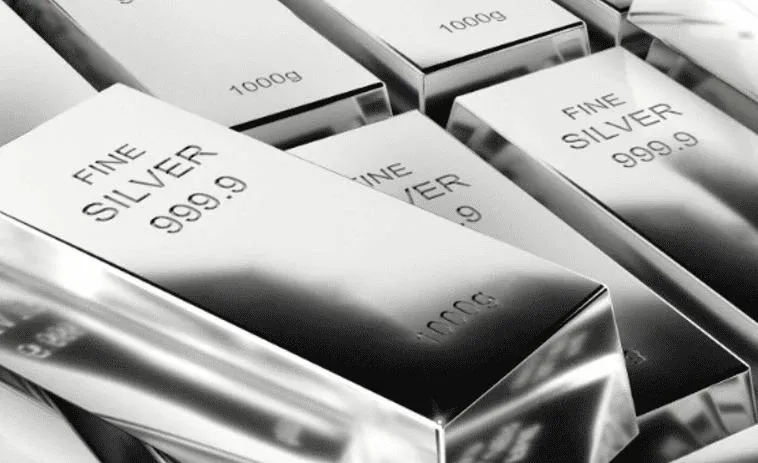
Silver’s price movement is unusually vivid for two primary reasons. First, its market size is relatively modest and its price is highly elastic. When the market reaches an early consensus on inflation, interest rates, or geopolitical risk, capital often does not immediately pour into the most stable asset—gold—but instead tests higher‑volatility, more easily moved instruments. Silver fits that profile perfectly.
Second, silver possesses a hybrid identity as both a precious metal and an industrial metal. Solar panels, data‑center hardware, electric‑vehicle components, and a wide array of electronic parts use large quantities of silver as a conductive material. As the energy transition accelerates and demand for computing power expands, the outlook for these industries remains upward‑biased. Consequently, when investors look for assets that combine macro‑sentiment signaling with solid physical‑demand support, silver naturally climbs to the top of their watchlists.
Market Mechanics and Leverage Effects
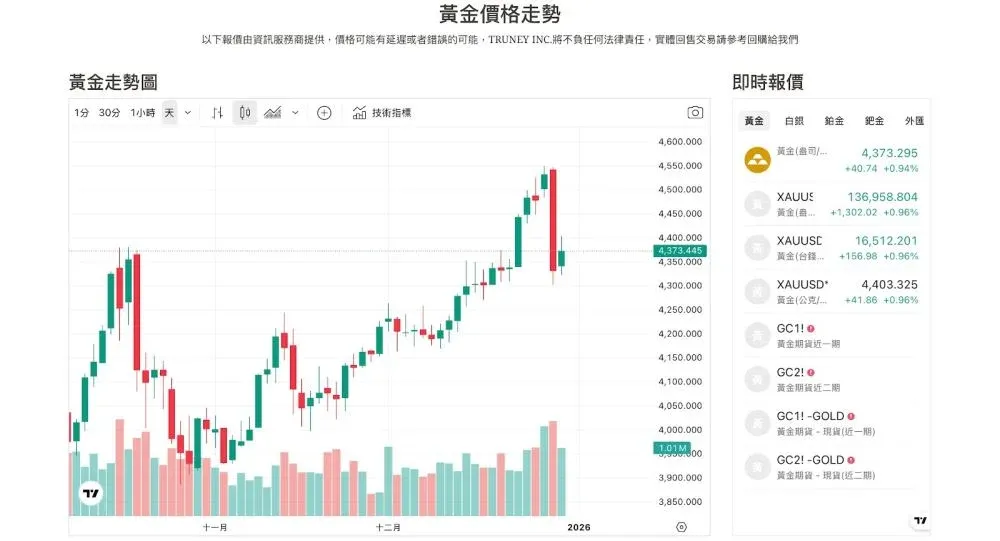
In the middle to latter part of December, open interest in silver futures kept climbing, indicating that a substantial amount of capital was betting on short‑term price swings. After the price touched a historic high within a very short window, exchanges tightened margin requirements. Long positions that relied on leverage were forced to reduce exposure or close out, causing the price to retreat roughly 9 % in a single day, dropping back into the $72‑73 range.
Synchronous Performance of Other Precious Metals
Silver was not the only precious metal benefiting from capital inflows. Gold and platinum also rose during the same period, though with different pacing and magnitude.
- Gold: After hitting a fresh high, gold experienced a pull‑back of about 4‑5 % in a single day and then consolidated in the upper‑price zone without a dramatic breach. This behavior suggests that a sizable portion of buying pressure still stemmed from medium‑to‑long‑term allocation funds.
- Platinum: As a beneficiary of sector rotation within the precious‑metal space, platinum’s price rose due to concentrated supply and low inventory levels. However, its trading volume and market discussion remain lower than silver’s.
Why the Precious‑Metal Sector’s Volatility Mirrors Crypto Markets
Chronologically, the latter half of December saw renewed doubts about the speed of inflation decline, the trajectory of interest rates, and the stability of geopolitical variables. Capital naturally gravitated toward assets that could reflect expectations quickly. Compared with gold, silver’s smaller market depth and higher price elasticity meant that modest capital could move the market dramatically, making it the focal point of the first wave of price appreciation.
As the price surged, exchanges adjusted risk‑control parameters. Positions that were short‑term, leveraged bets faced margin calls, prompting investors to trim or liquidate. The market then entered a correction phase. This rapid rise → overheating → pull‑back cycle completed in less than a week, closely resembling the swift fund‑rotation rhythm observed in cryptocurrency markets, which left participants accustomed to slower‑moving precious‑metal dynamics feeling unsettled.
Key Drivers Shaping Silver and Other Precious‑Metal Price Paths
- Escalation or Spread of Geopolitical Conflict
While silver is not regarded as a pure safe‑haven like gold, heightened geopolitical tension still pushes market participants to allocate to precious metals. Conflicts that affect energy supplies, shipping lanes, or critical raw‑material flows tend to lift demand for the whole sector. Conversely, de‑escalation can cause silver’s volatility to subside before gold’s does.
- Energy‑Transition and Technology‑Sector Policy Directions
Silver’s strong link to solar‑panel production, electric‑vehicle manufacturing, and data‑center expansion makes it highly sensitive to policy. Continuation or expansion of renewable‑energy subsidies, accelerated grid upgrades, and supportive computing‑infrastructure funding directly boost the physical demand outlook for silver. As long as policy stays favorable, it is difficult for the market to dismiss the underlying demand base.
- Major Economies’ Industrial Policies and Trade Stances
Restrictions on China’s tech sector, investment in semiconductor and compute‑infrastructure projects, or reshoring of critical‑material supply chains can indirectly reshape demand for silver and platinum. When supply chains become more diversified or investment ramps up, market imagination around precious‑metal demand expands; a shift toward protectionism can cause those themes to fade quickly.
- Central‑Bank Attitudes and Monetary‑Policy Communication
Although silver is not a primary central‑bank reserve asset, central‑bank commentary on inflation, interest rates, and macro‑risk influences sentiment across the entire precious‑metal sector. Persistent warnings about inflation may prompt a re‑evaluation of tangible‑asset allocations; clear dovish or hawkish signals often trigger early position adjustments in more volatile assets like silver.
- Industrial‑Side Actual Demand Data vs. Expectations
One of the core reasons silver attracted capital recently was the market’s belief that solar, data‑center, and EV demand would keep rising. If future installation volumes, order books, or capacity‑expansion plans fall short of expectations, confidence in silver could evaporate swiftly. Conversely, sustained positive industry reports will help keep silver from becoming a mere short‑term meme.
The Dollar‑Precious‑Metal Relationship Is Not a Simple One‑Way Opposition
Conventional wisdom holds that a stronger U.S. dollar suppresses precious‑metal prices. Yet recent episodes have shown the dollar and gold climbing in tandem. In periods of heightened uncertainty, the dollar provides liquidity while gold offers a hedge against credit risk; the two serve distinct functions and can be simultaneously attractive. A rapid dollar rally can indeed pressure a more volatile metal like silver, but if the dollar’s strength stems from safe‑haven demand rather than a risk‑on shift, gold may not weaken. Understanding the drivers behind dollar movements is therefore more insightful than merely watching the dollar index.
Is Now a Good Time to Enter the Precious‑Metal Market?
Combining fundamental observations with recent price action suggests that silver’s short‑term jitteriness mainly mirrors speculative sentiment: the price was pushed up in a very short span and then fell back as capital refused to stay committed for long periods or assume higher risk. For newcomers to silver, it may be wiser to first watch whether the price can hold steady within its current range or whether the market will continue to “wash out” short‑term traders with large swings, rather than immediately asking “Can I buy now?”
From a pure asset‑allocation standpoint, the conclusion is: provided that industrial demand, the energy transition, and the long‑term supply‑demand equilibrium remain largely intact, adding silver to a medium‑to‑long‑term portfolio still makes sense. The prerequisite is a mindset focused on allocation rather than hoping for repeated, rapid spikes.
Interpreting Recent Precious‑Metal Moves as a Market‑Health Indicator
Viewing silver’s brief peak and swift pull‑back as a micro‑cosm of the broader precious‑metal sector reveals that current capital prefers highly liquid, quickly tradable instruments over assets that require a longer gestation period. This preference mirrors trends in the crypto space, where funds routinely rotate among major coins, stablecoins, and lower‑volatility tools, avoiding prolonged bets on a single narrative.
The most valuable lesson from silver’s latest rally may not be the absolute price gain but the market’s displayed patience—or lack thereof. For participants across the financial ecosystem, the ability to adapt to this faster rhythm may prove more decisive than a simple bullish or bearish call.
---
That completes the full analysis of “Should crypto‑community members rush into precious metals? Why does silver rise like a meme coin, and is it worth investing?” For deeper coverage of silver investment, feel free to follow additional reports from Bitaigen.
💡 Register on Binance with referral code B2345 for the maximum trading fee discount. See Binance complete guide.



