
 Bitaigen Research
 In the crypto‑asset ecosystem, stablecoins are regarded as relatively safe stores of value because they are pegged to fiat currencies. Although they do not provide a fixed interest like a traditional bank deposit, holders can generate returns on idle coin balances through various channels. Below we start with practical use cases and then examine whether stablecoins can earn interest and how the returns are generated.
From the Bitaigen editorial team’s perspective, stablecoins do not pay interest directly, but they can create potential earnings for idle assets through diversified DeFi and cross‑border payment scenarios. This article systematically outlines their core applications, pathways to generate returns, and the key risk considerations investors should monitor, helping you assess whether allocating assets to stablecoins is worthwhile.
What are the main use cases for stablecoins?
Because of their price stability and low transaction costs, stablecoins have been adopted across multiple domains:
- Payments and cross‑border remittances
The instant settlement feature makes stablecoins an ideal tool for international payments. Compared with traditional wire transfers, using USDC, USDT or similar tokens can dramatically reduce fees, shorten settlement times, and avoid exchange‑rate volatility. For example, USDC—commonly used in global trade—has been adopted by many enterprises for cross‑border settlement, providing a viable payment method for regions with limited access to conventional financial services.
- Digital‑asset trading and hedging
During periods of high volatility in the crypto market, investors often convert their positions into stablecoins to lock in value. The low price fluctuation of stablecoins turns them into a “safe haven” within the digital‑currency market, enabling traders to quickly exit risky assets when market movements become extreme.
- Decentralized Finance (DeFi)
The DeFi ecosystem relies on high liquidity and value‑stable assets. Stablecoins can serve as collateral for lending protocols, as components of liquidity pools, or as benchmark assets for yield farming. Users deposit them into the relevant contracts to earn interest or to participate in liquidity mining.
- Store of value and capital preservation
In jurisdictions with persistently high inflation, many people exchange their local currency for dollar‑pegged stablecoins to protect purchasing power. Companies are also beginning to use stablecoins for accounting settlements, treating them as a digital store‑of‑value instrument.
These scenarios collectively drive the widespread adoption of stablecoins in global payments, investment, and financial innovation, laying the groundwork for broader blockchain adoption.
Note: Crypto gains may be taxable in many jurisdictions. Users should consult local tax regulations or a qualified professional to determine any reporting obligations.
Do stablecoins earn interest?
Simply holding a stablecoin does not generate interest, but depositing them on centralized exchanges or decentralized lending platforms can yield annualised returns that exceed those of traditional banks. Typical return ranges fall between 3 %‑10 % per year, depending on the platform’s lending demand, liquidity provision, and any incentive mechanisms.
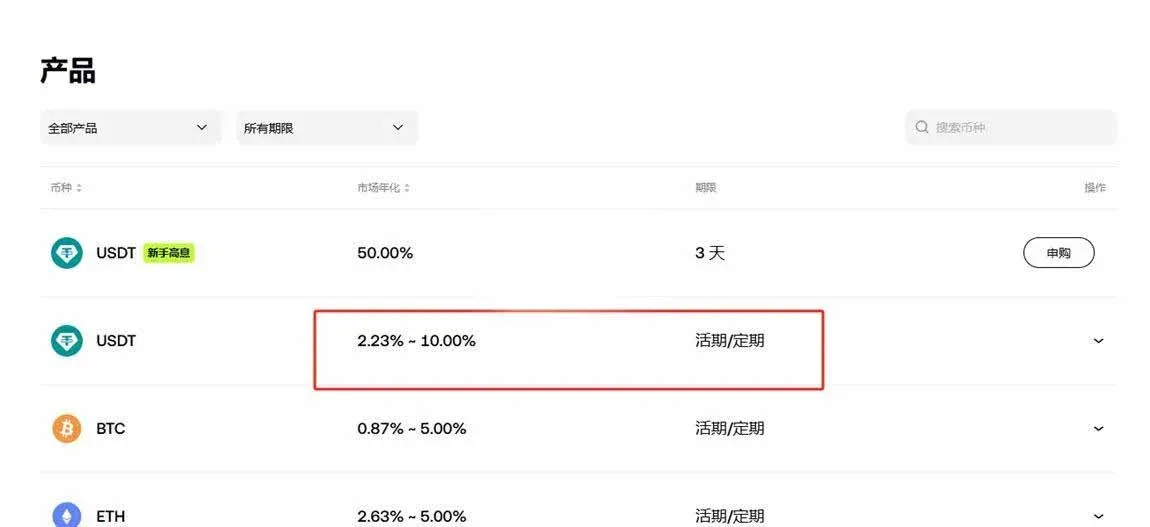
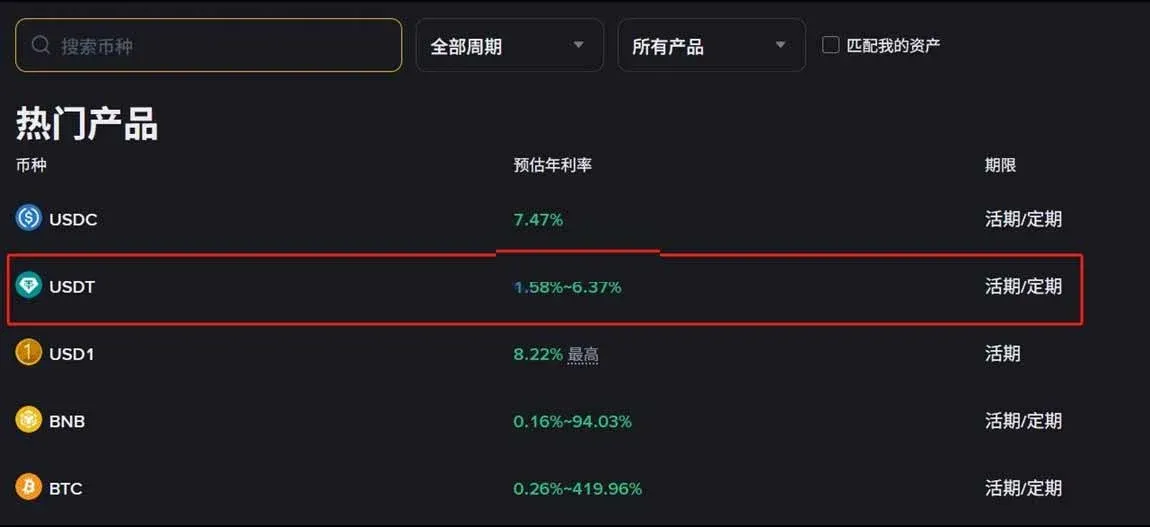
- Centralised platform examples: On OKX’s “Earn” service, USDT offers an annualised yield ranging from 2.23 %‑10 %; Binance provides a USDT earn rate of 1.58 %‑6.37 % per year. (U.S. users should use Binance.US, which operates separately from the global Binance platform.)
- DeFi solutions: By using on‑chain lending protocols or liquidity‑mining programs, users can achieve comparable yields. These returns usually stem from the interest charged to borrowers or the fee share allocated to liquidity providers.
Earning interest on stablecoins essentially means entrusting your assets to a financial service that can generate yield, whether a centralized exchange or a decentralized protocol. Both types of services typically offer relatively flexible withdrawal options, balancing liquidity with return potential.
Do stablecoins generate returns?
Overall, stablecoins tend to deliver an annual percentage yield (APY) in the 5 %‑10 % range, with some products offering even higher rates. The primary sources of these returns are:
- Centralised exchange wealth‑management products: For instance, “余币宝” (YuBiBao) is a flexible, hourly‑interest‑accruing tool. After assets are transferred in, the system matches them with borrowers at each hour‑mark based on a preset lending rate; successful matches generate that hour’s interest. The product relies on the exchange’s risk‑control framework to safeguard assets while providing stable returns.
- Staking (delegated proof‑of‑stake) rewards: Under a POS mechanism, users delegate stablecoins to validator nodes. The nodes earn block rewards and transaction fees, which are then distributed proportionally to delegators based on the amount staked, creating a yield for the stablecoin holder.
- DeFi lending and liquidity provision: Users can supply stablecoins to lending protocols to earn interest, or add them to liquidity pools for yield farming. Returns typically come from borrowers’ interest payments or a share of transaction fees collected by the pool.
It is important to recognise that, although stablecoins are designed to maintain a steady peg and exhibit low volatility, they remain exposed to platform‑operational risk, de‑pegging risk, and smart‑contract security risk. When selecting a product, give priority to reputable platforms that hold appropriate licenses, have undergone thorough third‑party audits, and maintain transparent asset reserves. Diversifying across multiple services can also help mitigate single‑point‑of‑failure risk.
---
The preceding sections systematically address the three core questions: “Do stablecoins pay interest?”, “How are the returns generated?”, and “What are the primary use cases?”. While stablecoins generally exhibit lower volatility than many other crypto assets, they are not risk‑free. Investors seeking yield should still carefully assess platform security, regulatory environment, and their own risk tolerance to achieve a balanced risk‑return profile.
For a deeper dive into stablecoin interest mechanisms, you can search for previous Bitaigen (比特根) articles or continue reading the related links below. Thank you for following Bitaigen (比特根) and for your continued support!
💡 Register on Binance with referral code B2345 for the maximum trading fee discount. See Binance complete guide.



